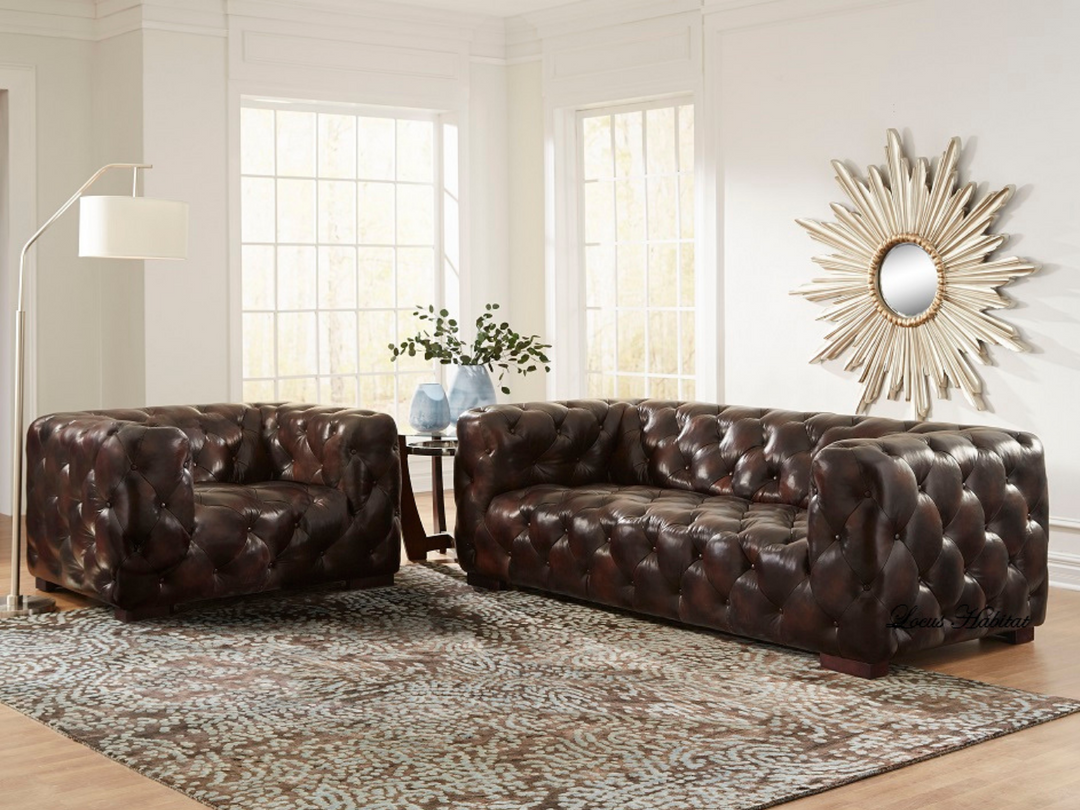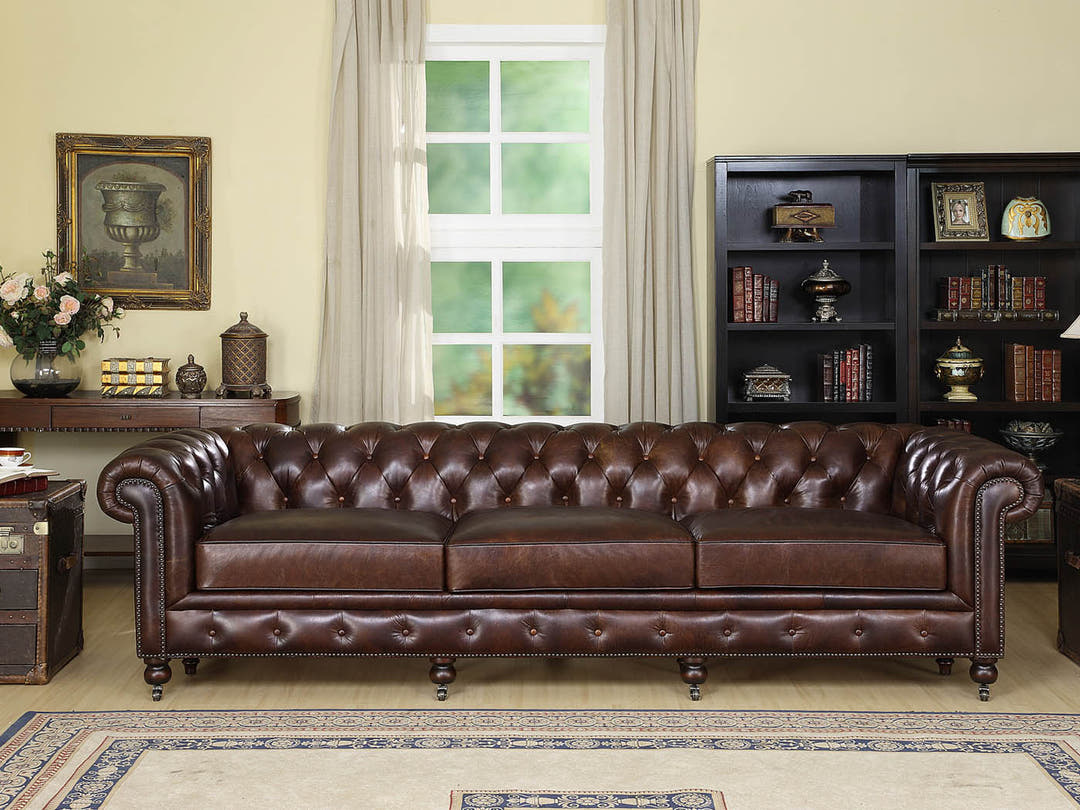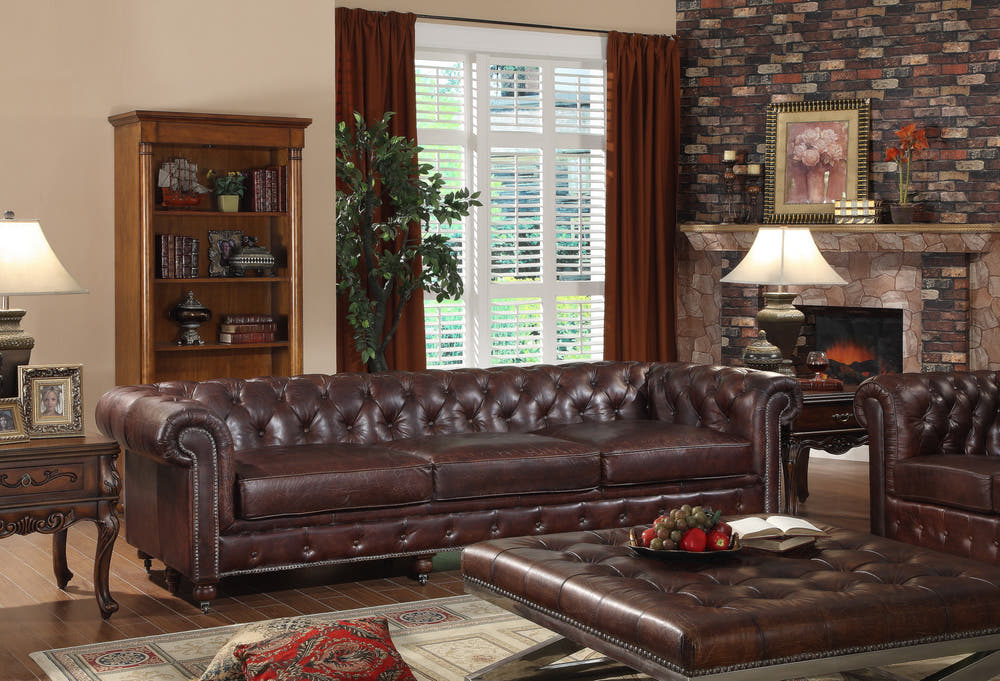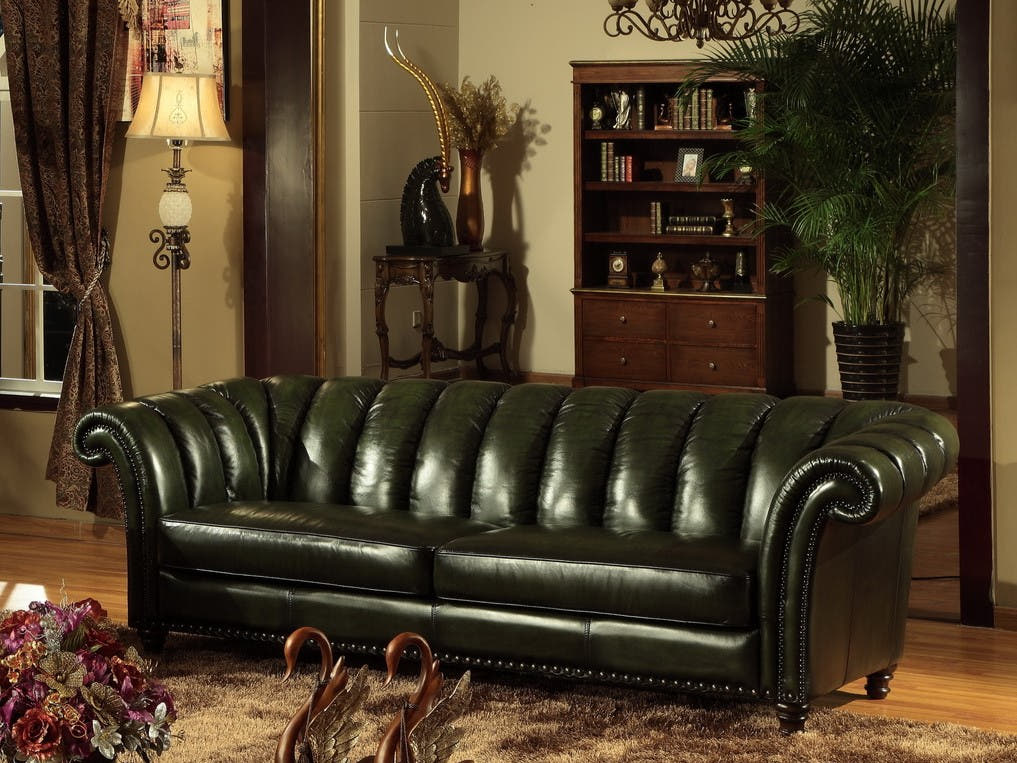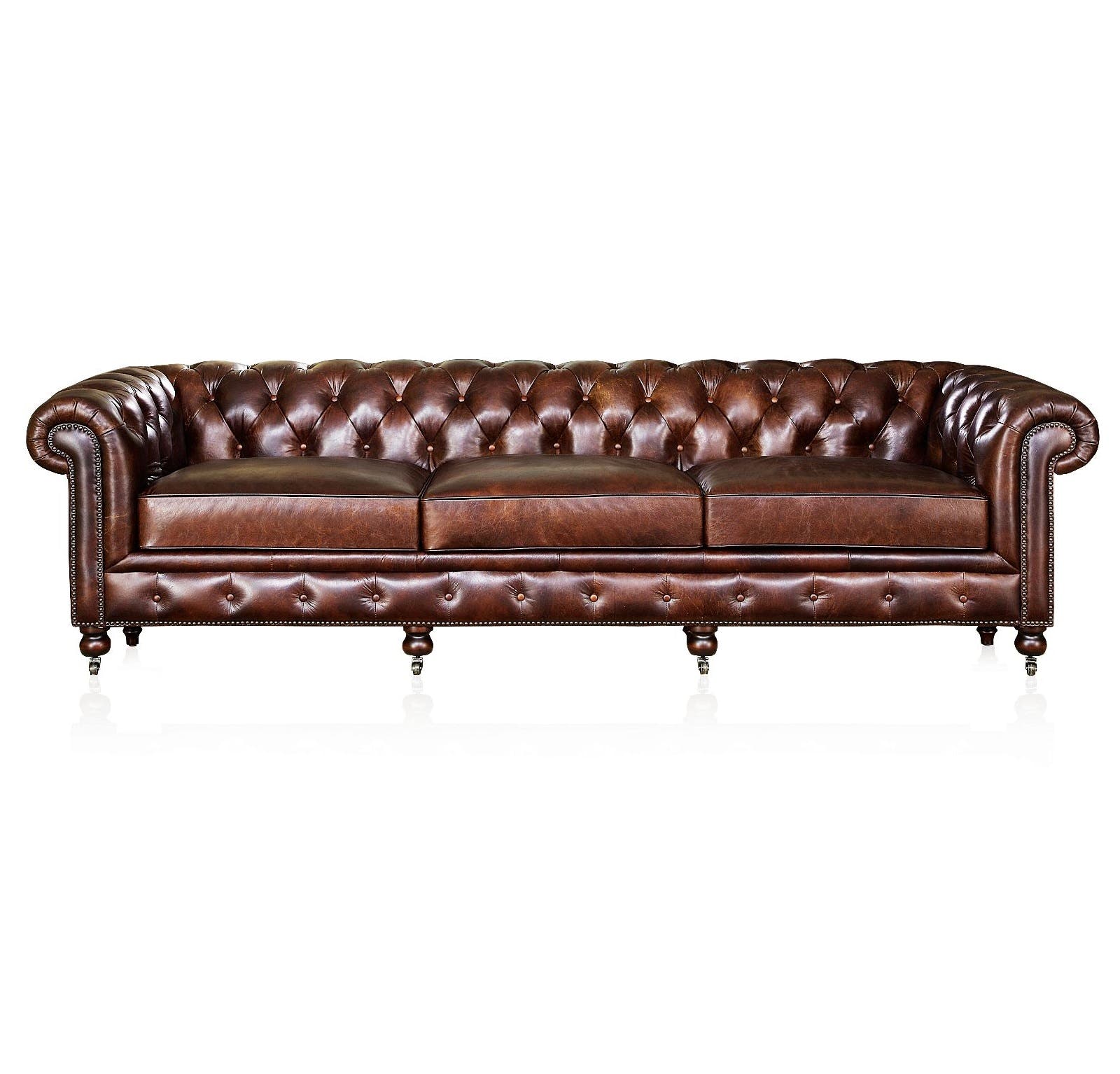



Full Leather Sofa: Full Leather vs Half Leather—What It Really Means (and Why “Full Leather” Is Not Always Full-Grain)

“Full leather sofa” is one of the most searched terms in the furniture market—and one of the most misunderstood.
Many shoppers assume “full leather” automatically means the best leather, the best comfort, and the most premium sofa money can buy. In reality, full leather describes coverage, not leather grade. A sofa can be “full leather” yet upholstered in heavily corrected leather, split leather, or leather with thick protective coatings that change how it feels and how it ages. Meanwhile,s sofa can be “half leather” yet still use very good leather on the areas you actually touch.
That is why buyers who want a leather sofa with long-term satisfaction need to understand three separate layers:
-
Coverage: Full leather vs half leather (where leather is used)
-
Leather type/grade: Full-grain vs top-grain vs corrected grain vs split leather vs bonded leather (what leather it is)
-
Finish and construction: Aniline vs semi-aniline vs pigmented; upholstery methods; cushion design (how it feels and behaves)
This guide explains the difference between full leather and half leather sofas, why the difference matters, why “full leather” is not the final answer, and why full-grain leather is often the deciding factor for buyers who care about touch, comfort, and character over time.
What is a Full Leather Sofa?
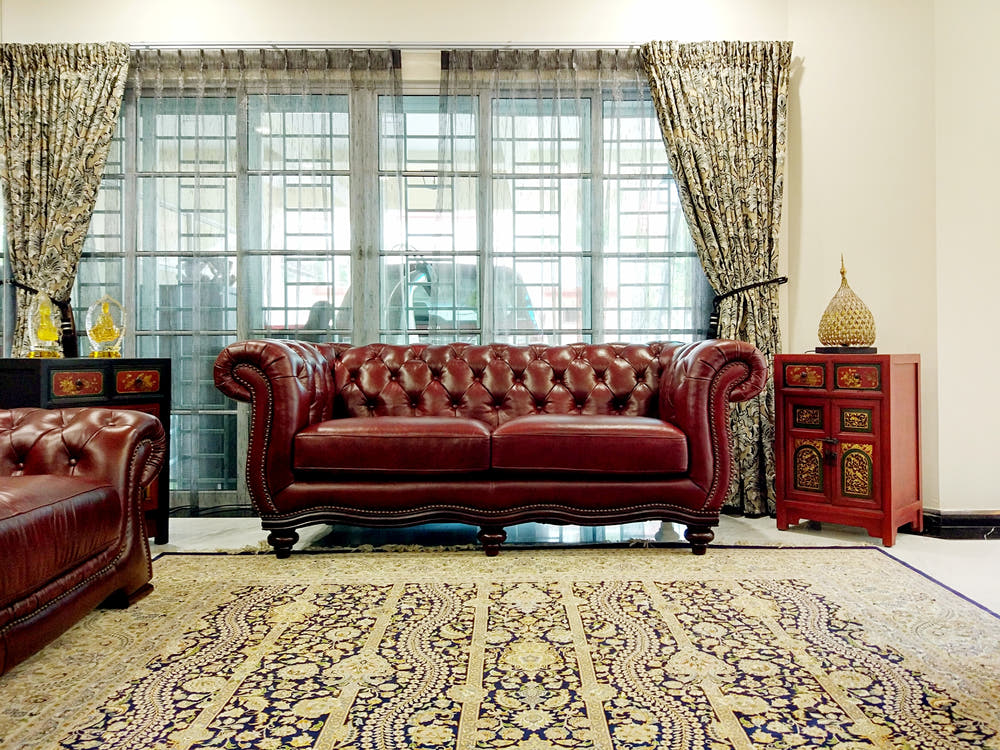
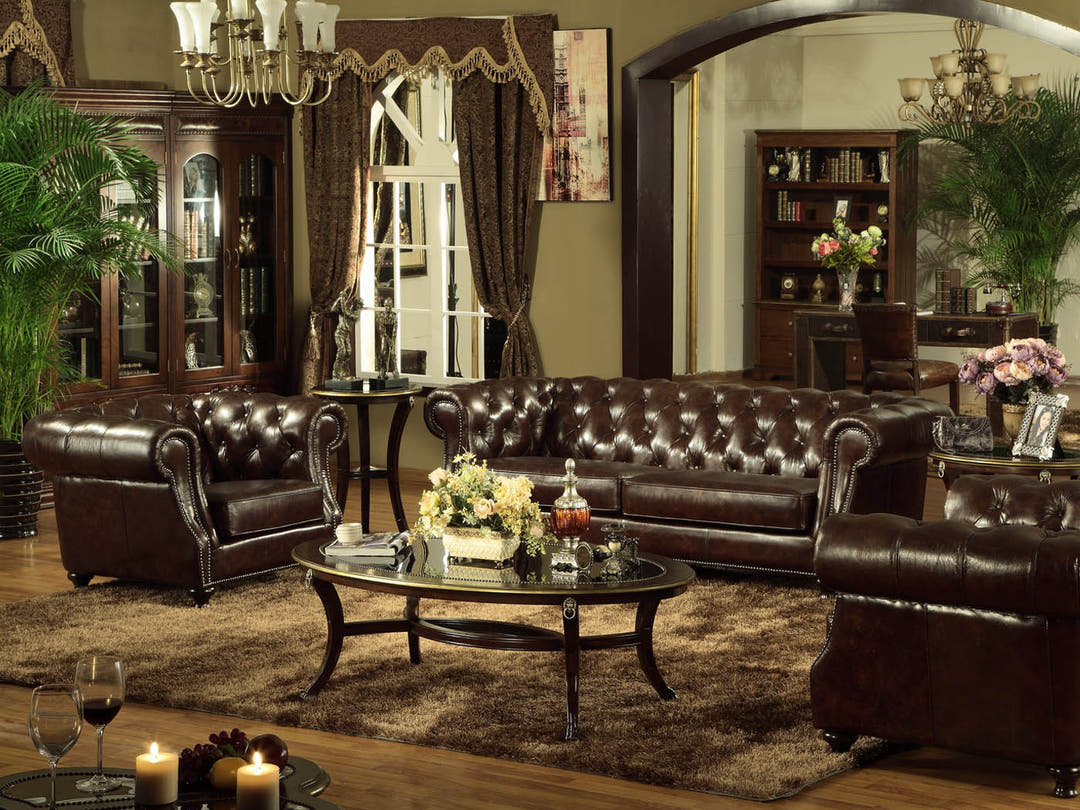
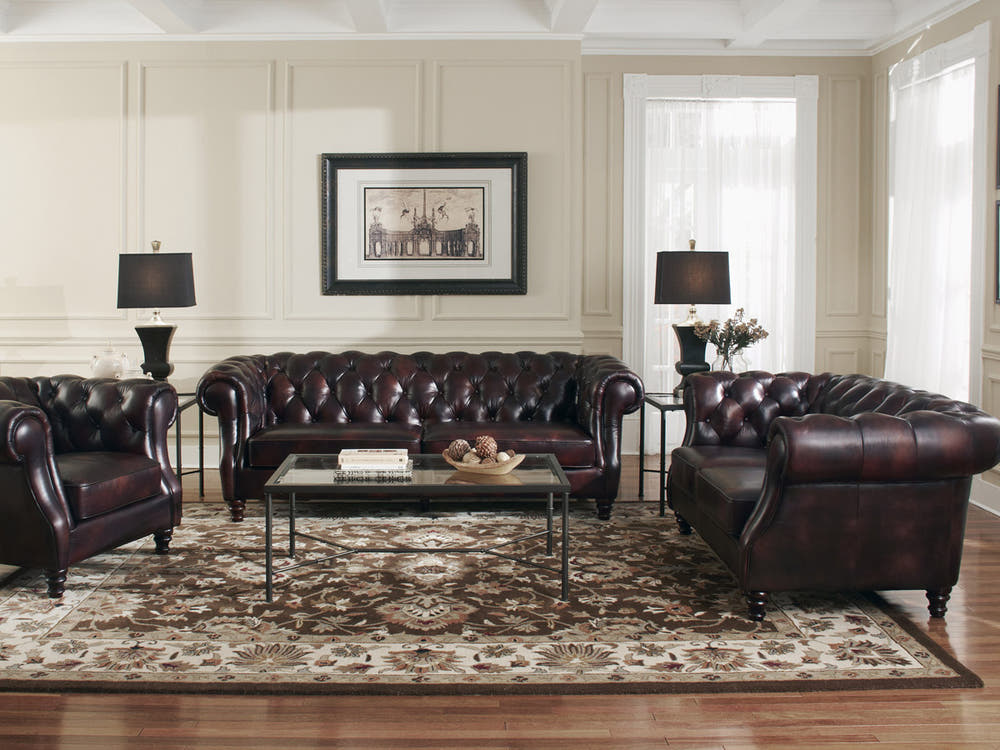
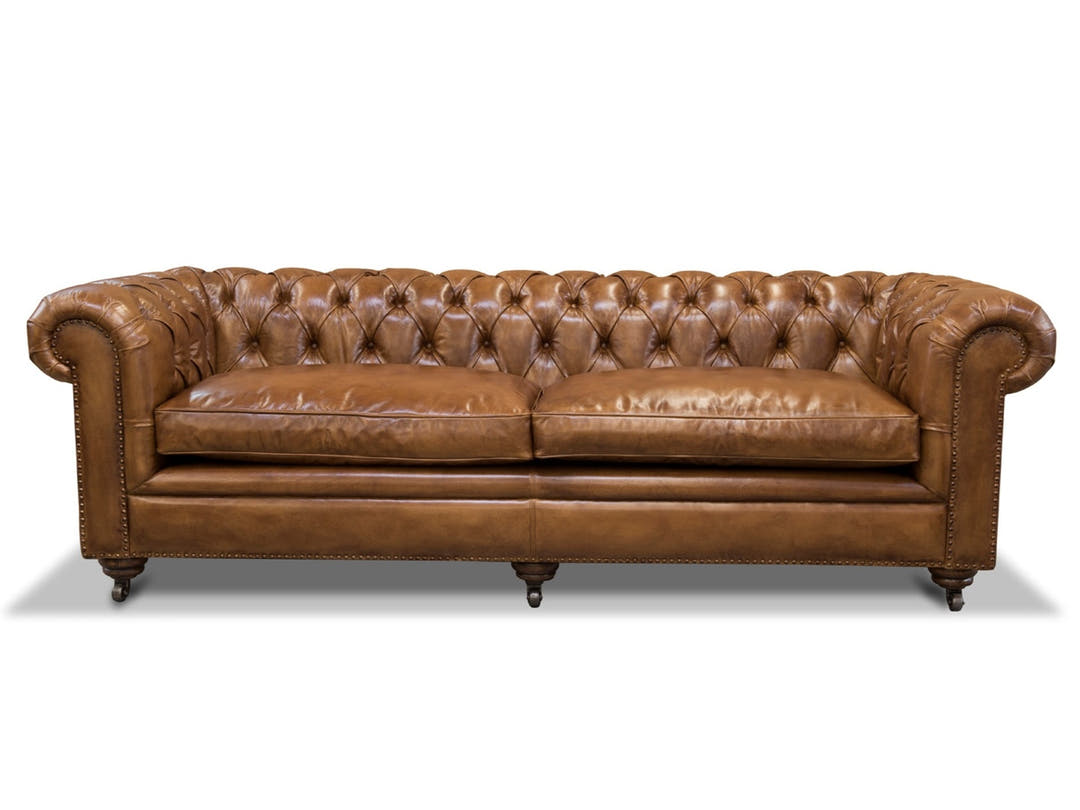
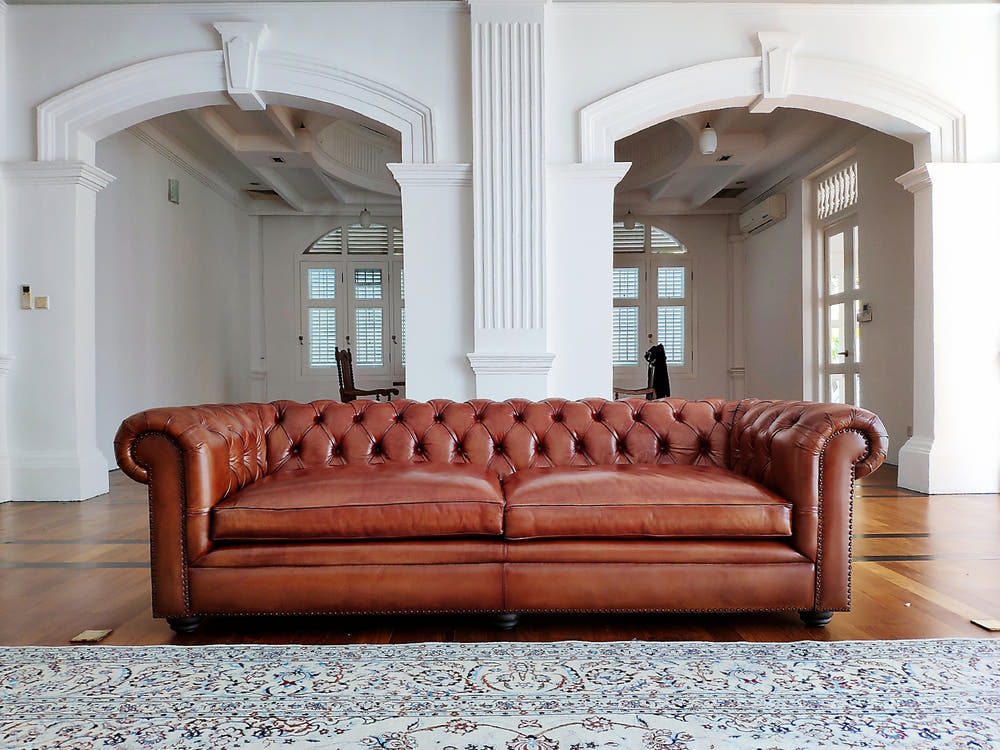
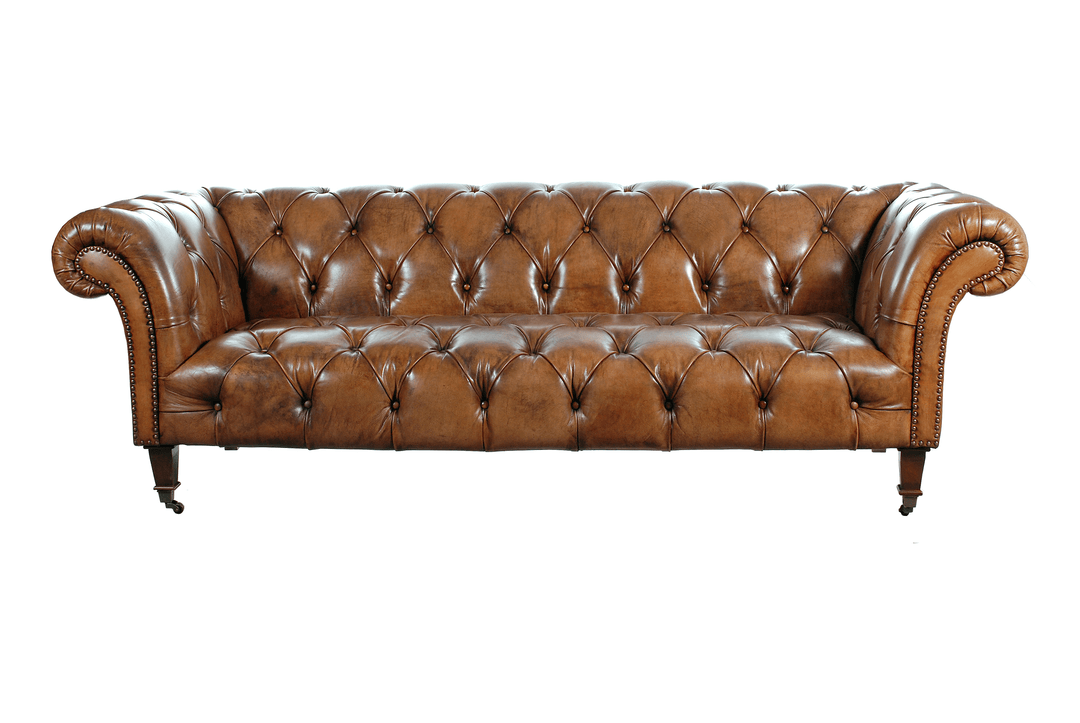
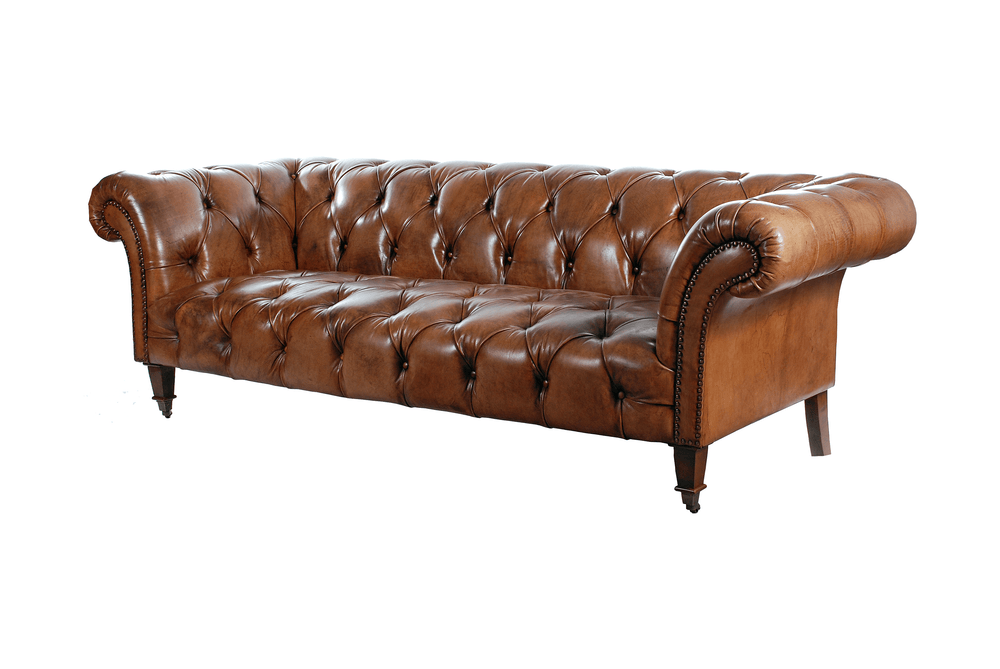
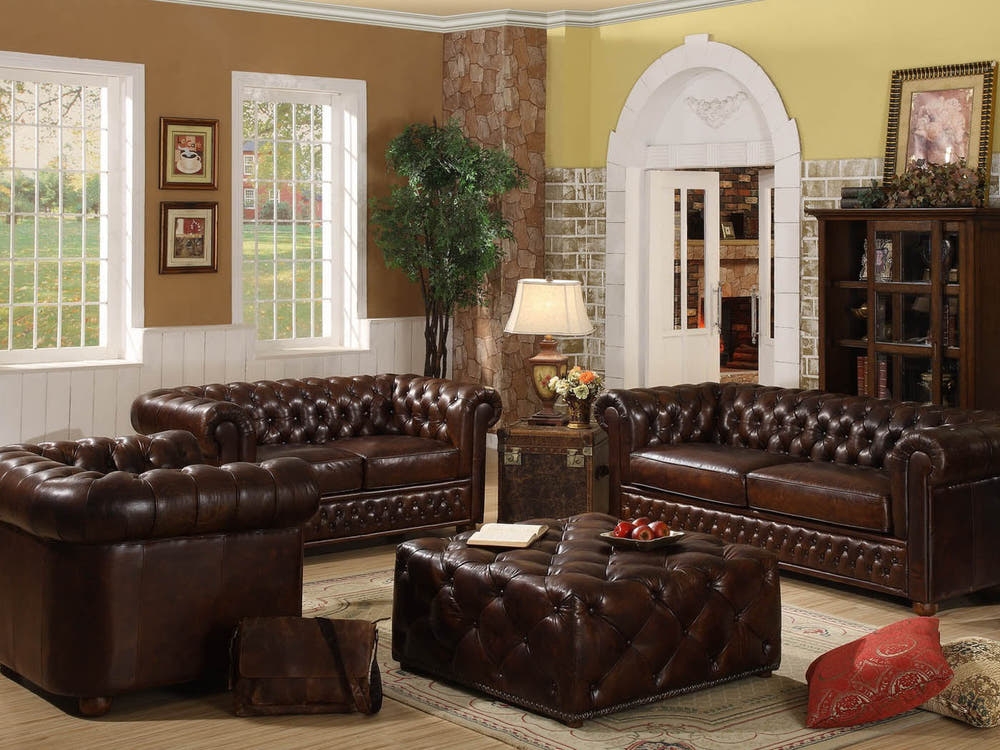
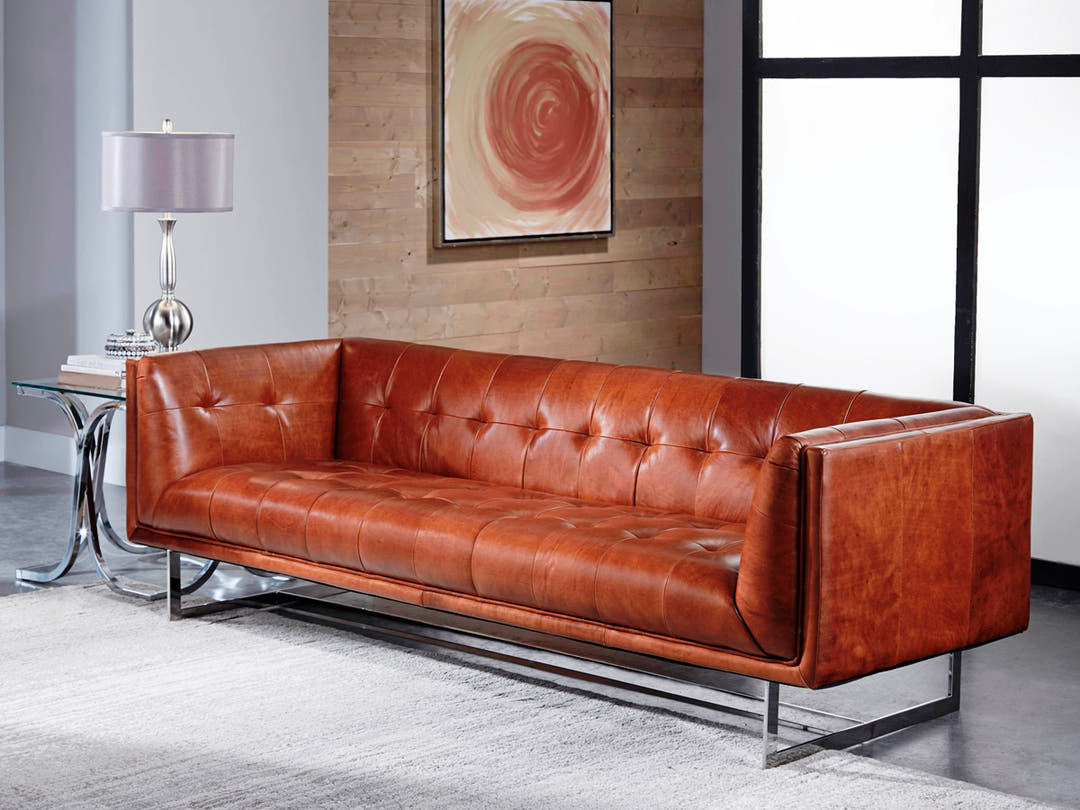
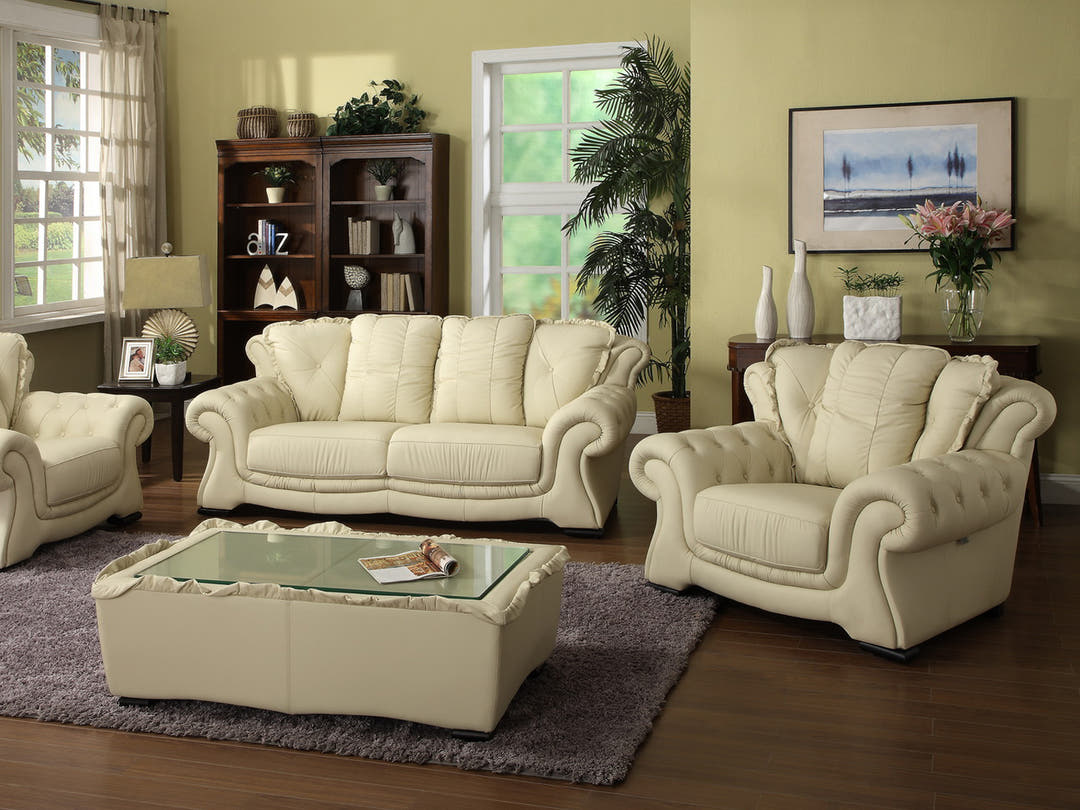
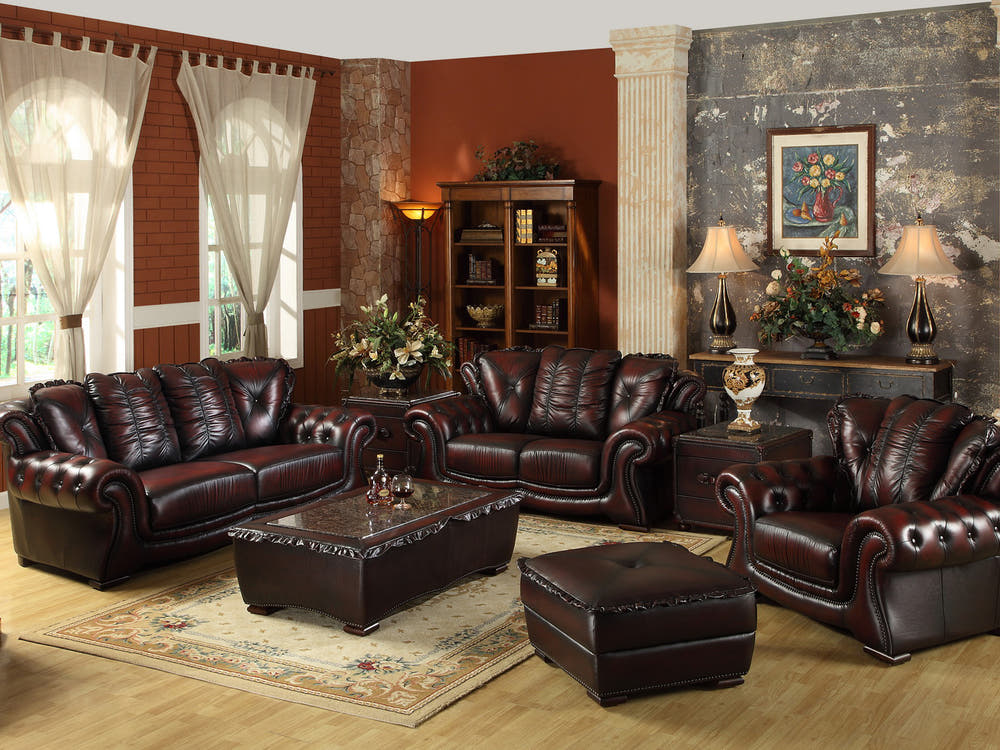
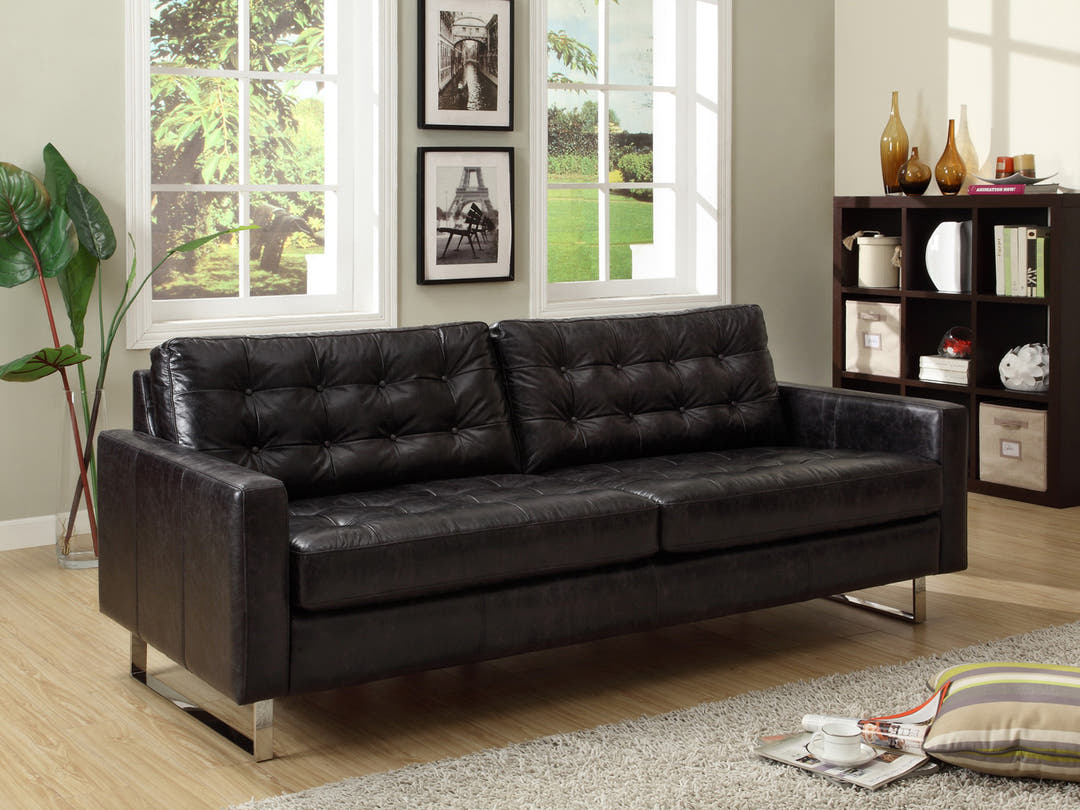
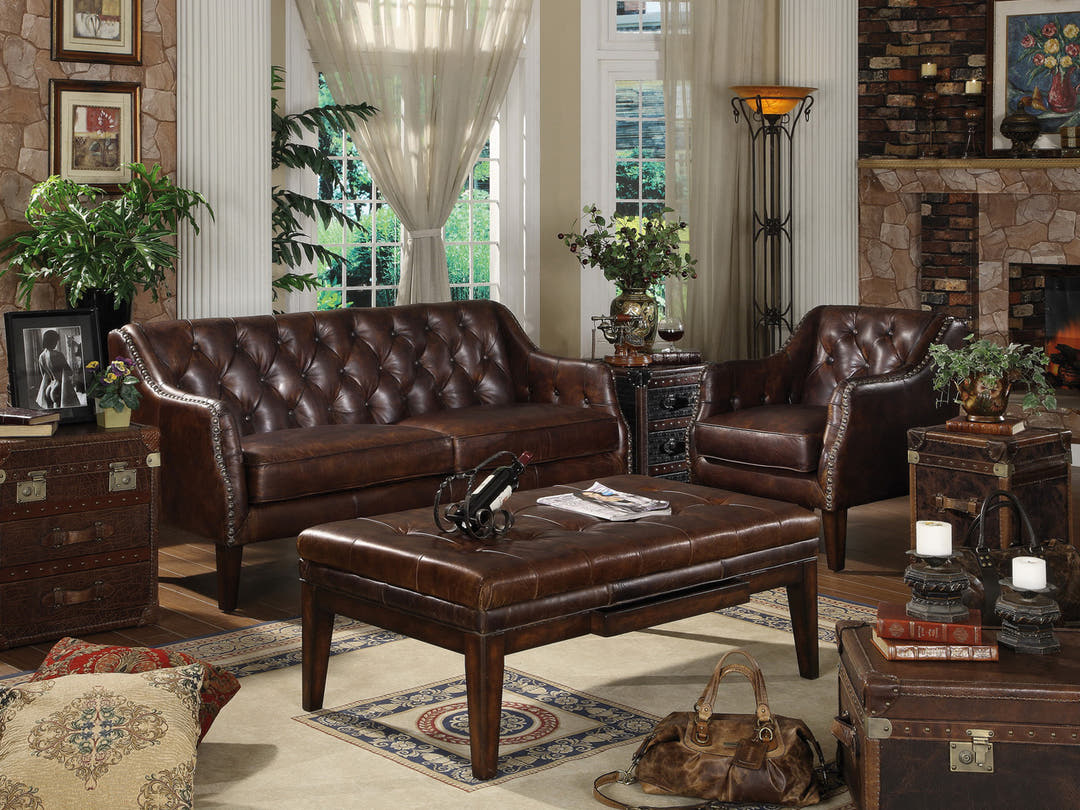
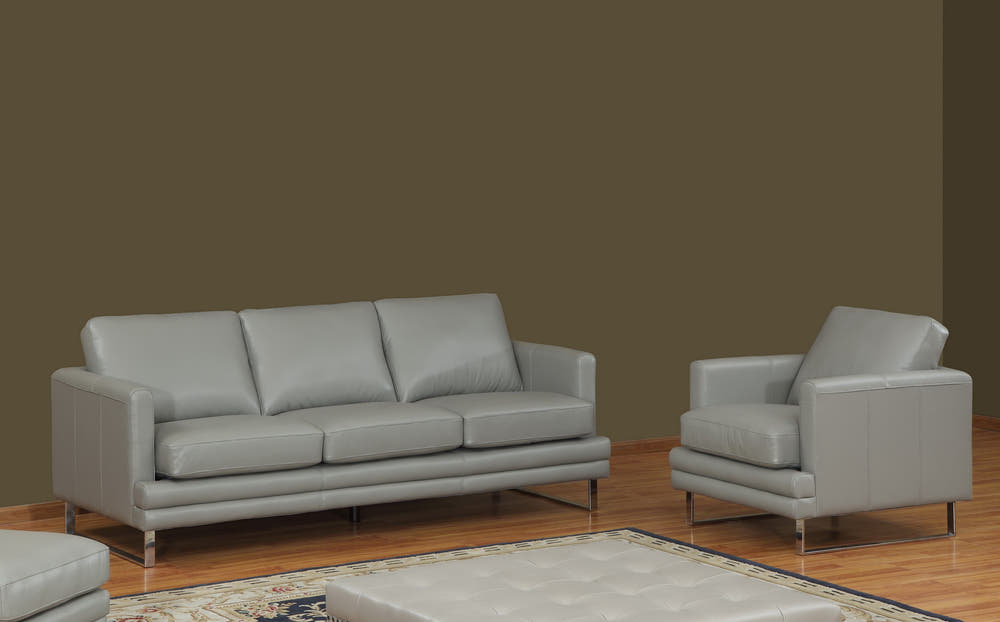
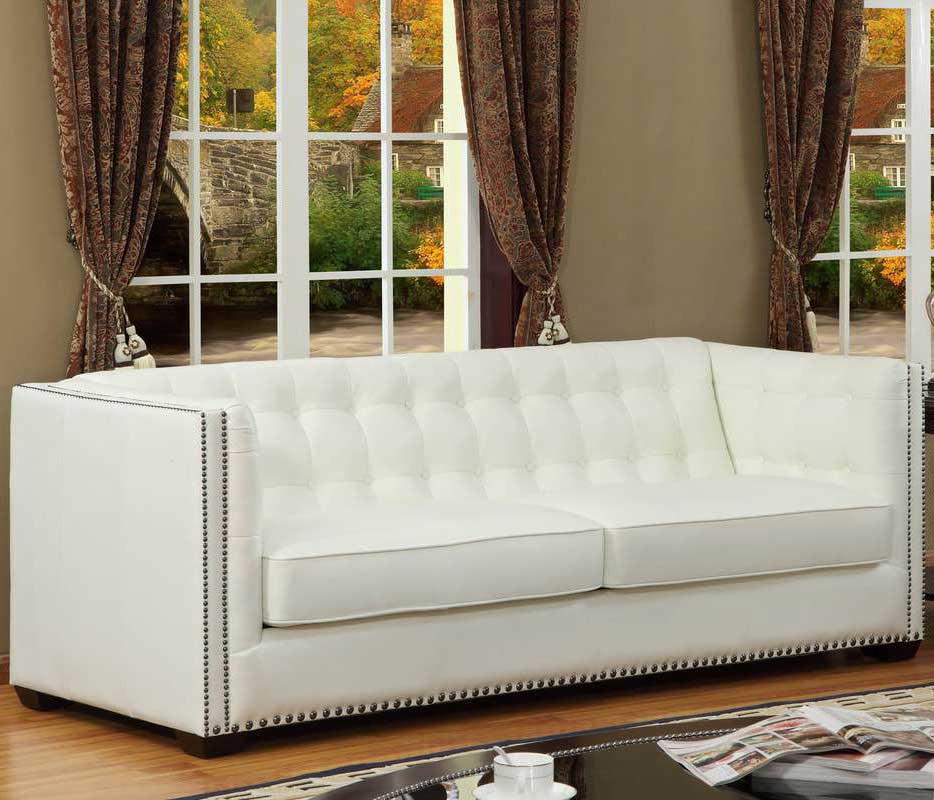
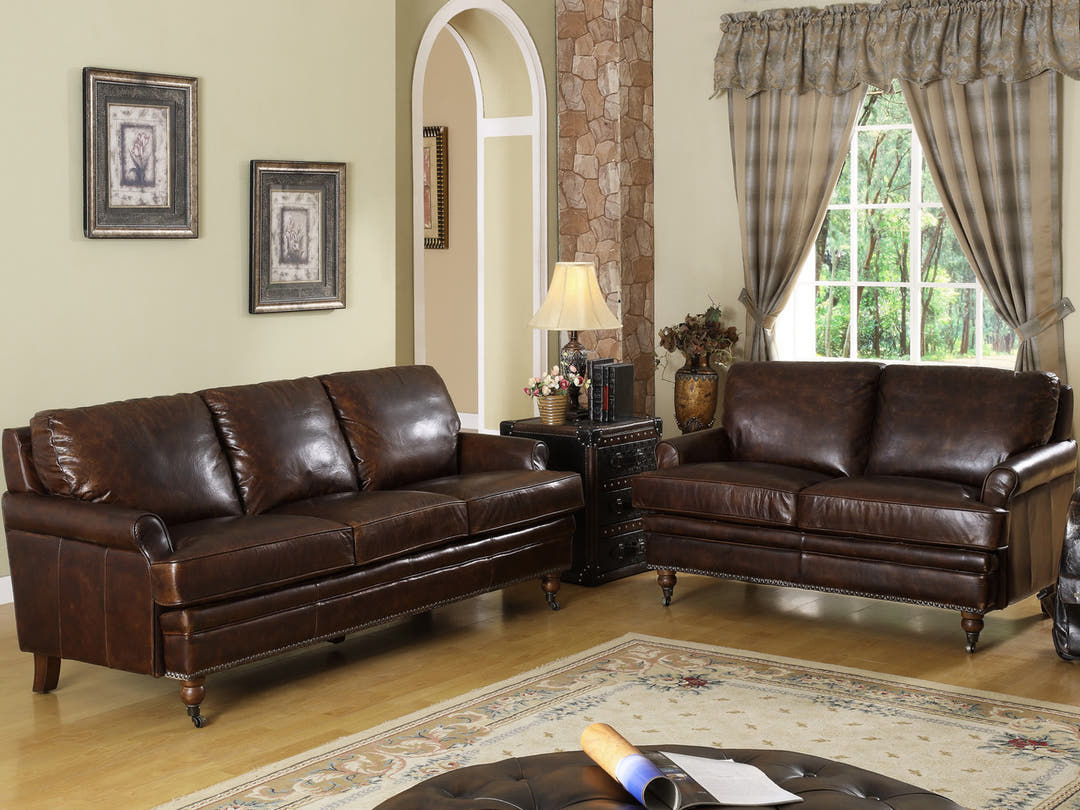
A full leather sofa typically means the sofa is upholstered in leather on all visible surfaces, including areas you don’t regularly touch—such as the outer sides, the outer back, and sometimes even the lower panels near the base.
In other words: full leather = leather coverage across the entire sofa.
Buyers like the idea of full leather for understandable reasons:
-
it feels more “complete” and premium
-
the sofa looks consistent from every angle (important in open-plan rooms)
-
it avoids the “mixed material” feeling some people dislike
However, full leather tells you nothing about whether the leather is high-grade, natural, breathable, or capable of developing a beautiful patina.
What is a Half Leather Sofa?
A half leather sofa (sometimes called leather match, leather-air mix, or leather + PU) usually means:
-
Genuine leather is used on high-contact areas (seat cushions, back cushions, inner arms, and sometimes the head/shoulder zones), and
-
non-leather materials (PU / PVC synthetic leather, fabric, or “leather match” vinyl) are used on low-contact areas (outer back, outer sides, base panels).
In practice, half leather exists because of cost and efficiency:
-
Leather is expensive, especially large clean hides.
-
Low-contact zones do not need the same tactile performance.
-
Manufacturers can allocate premium leather to touchpoints and use matching materials elsewhere to control price.
A well-made half leather sofa can be a sensible, value-focused choice—especially for buyers who prioritize the feel on seating surfaces rather than “all-around leather” aesthetics.
Full Leather vs Half Leather: The Real Differences
1) Where you will feel it (literally)
-
Full leather: leather on every visible surface. When you walk behind it or touch the outer panels, it still feels like leather.
-
Half leather: leather on the seating and touchpoints, but the outer panels may feel different—cooler, smoother, more uniform, sometimes slightly plastic-like depending on material used.
If your sofa will sit in the center of a room (floating layout), full leather may matter more because the back and sides are visible and often touched.
If your sofa will sit against a wall, half leather often makes practical sense because the non-leather zones are less visible and rarely touched.
2) Visual consistency from all angles
Full leather offers a consistent appearance. Half leather can match well visually, but under certain lighting, the difference between real leather and PU/vinyl can become noticeable—particularly if the synthetic panels reflect light differently.
3) Breathability and comfort in warm climates
This is where many buyers are surprised. Comfort is not only about softness; it is about how the surface feels after 30–90 minutes.
-
Natural leather finishes often feel warmer and more breathable.
-
Synthetic “leather match” materials can feel more sealed and less forgiving in hot/humid environments.
However, again: this depends on leather grade and finish. A heavily coated “full leather” sofa can feel less breathable than a well-designed half leather sofa where the touchpoints use a better leather finish.
4) Aging and patina behavior
This is the most important long-term difference for many owners.
-
Full leather: in a perfect scenario, the entire sofa ages consistently and develops a cohesive look over time.
-
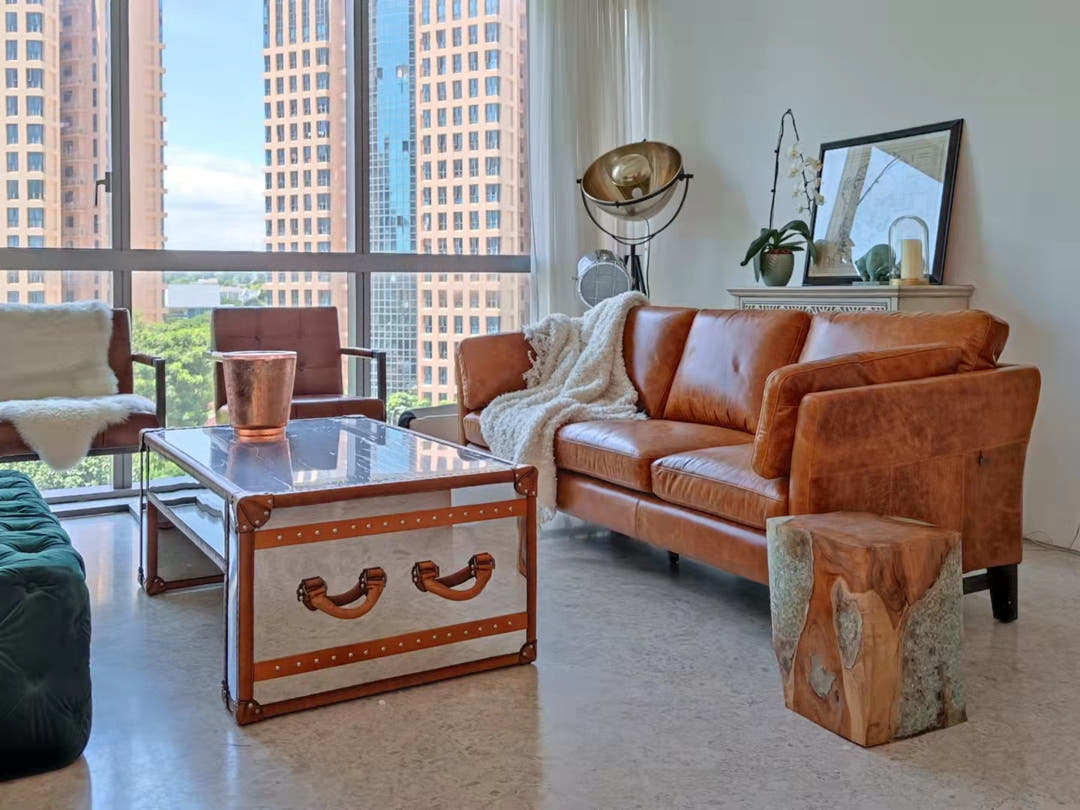
Half leather: touchpoints (real leather) will age and soften; synthetic panels will not patina in the same way. Over years, you may see a difference in sheen and texture between seating areas and outer panels.
If you love the idea of a sofa that gains character with time, full leather can be better—but only when the leather itself is the right type.
Why it matters: a “Full Leather Sofa” can still be disappointing
Here is the critical point:
Full leather does not mean full-grain.
It does not automatically mean natural, breathable, soft, or capable of developing a beautiful patina.
Many full leather sofas are upholstered in leather that has been heavily processed. This can include:
-
corrected grain leather (sanded to remove marks and create uniformity)
-
heavily pigmented leather with a thick topcoat for stain resistance
-
split leather on certain panels (especially in cost-controlled products)
These leathers can still be “real leather,” and the sofa can still qualify as “full leather,” but the experience can be very different from what buyers imagine when they picture a premium leather sofa.
So when buyers say, “I only want full leather,” they are often using “full leather” as a proxy for “good leather.” That proxy is not reliable.
Leather Grades Explained: What to Look Out For Beyond “Full Leather”
To shop intelligently, separate the coverage (full vs half) from the grade (full-grain vs others).
1) Full-Grain Leather (often the most desired)
Full-grain leather is made from the top layer of the hide with the natural grain intact. It typically:
-
has natural texture and subtle variations
-
feels more organic and less “coated”
-
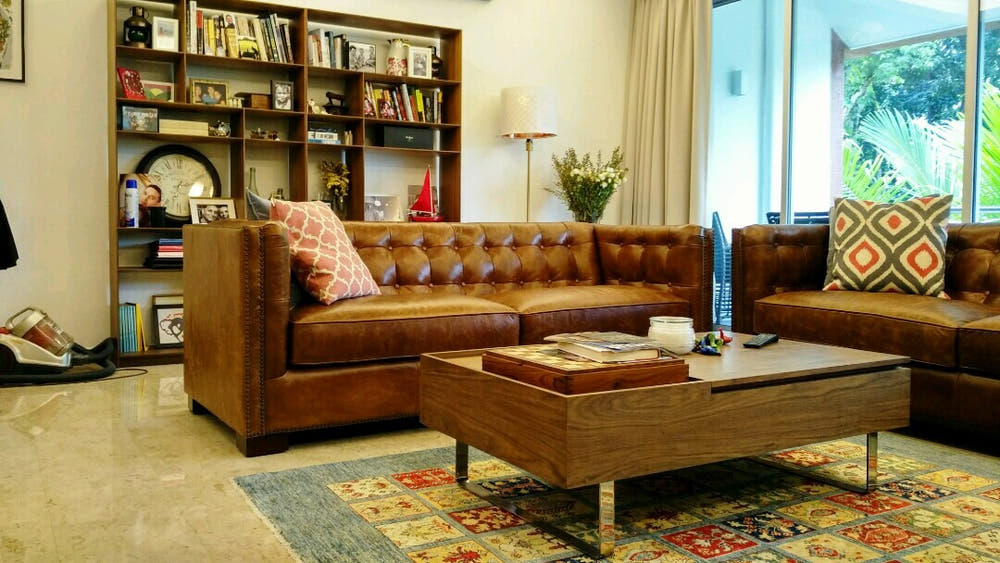
can develop patina (a richer, lived-in character)
-
tends to feel more satisfying to touch over time
Why it matters: If you want that classic leather-satisfying feel—the warmth, the softness that deepens, the character that becomes more personal—full-grain is often the category that delivers it.
2) Top-Grain Leather (can be excellent, depending on finish)
Top-grain is also the top layer but may be lightly corrected or processed. It can still be very comfortable and premium, especially when finished thoughtfully. Some top-grain leathers are designed to be more uniform and more stain resistant than full-grain.
Why it matters: Many buyers want a balance between natural feel and practical maintenance. A high-quality top-grain leather can be a very smart choice.
3) Corrected Grain Leather (common in mass-market “full leather” sofas)
Corrected leather is sanded to remove natural marks and then coated/embossed. It looks uniform and is easy to maintain, but it can feel less natural—sometimes smoother, sometimes more sealed.
Why it matters: This is where many “full leather” sofas sit. They are real leather, but they do not provide the tactile or patina experience buyers associate with premium leather.
4) Split Leather (lower layer of the hide)
Split leather comes from the lower layer of the hide. It is often used on less visible panels or in cost-controlled builds and can be finished to resemble top-grain.
Why it matters: Split leather can be durable, but it usually does not deliver the same natural hand feel or patina behavior as full-grain.
5) Bonded Leather (avoid if you want real leather experience)
Bonded leather is made from leather scraps bonded with adhesives. It can look good initially but tends to behave differently from real leather sheets and may not age gracefully.
Why it matters: If you care about long-term satisfaction and natural leather feel, bonded leather rarely delivers the experience people want.
Why Full-Grain Matters More Than “Full Leather”
When shoppers say they want a “full leather sofa,” what they usually want is:
-
the comfort of leather to touch
-
the richness and depth of real hide
-
a sense of premium ownership
-
a sofa that becomes more beautiful as it becomes lived-in
Those outcomes are driven more by full-grain (or a well-finished top-grain) than by full-coverage leather.
A full leather sofa upholstered in heavily corrected leather can remain visually uniform, but it may:
-
feel more plastic-like
-
remain “surface-level soft” without deepening over time
-
show less character development (patina)
Meanwhile, a thoughtfully made half leather sofa with excellent leather on touchpoints can feel more satisfying in daily use than a full leather sofa with lower-grade coated hides.
So the hierarchy of decision-making should be:
-
Choose the leather grade and finish that fits your lifestyle
-
Then decide whether you want full leather coverage or half leather coverage
Which is better: Full Leather or Half Leather?
Choose a Full Leather Sofa if:
-
your sofa is placed in an open-plan space where the back and sides are visible
-
you want consistent aging and a cohesive patina story
-
you like the premium completeness of leather from all angles
-
you are investing in a leather grade you truly enjoy touching
Choose a Half Leather Sofa if:
-
your sofa sits against a wall and the back/sides are rarely seen
-
you want to allocate budget to better leather on touchpoints
-
you prioritize value without compromising the daily seating experience
-
you are comfortable with the idea that outer panels may not patina the same way
Neither is “always better.” The best choice is the one that matches how you live and what you value.
Practical Buying Checklist: How to Verify What You’re Actually Buying
When a showroom or listing says “Full Leather Sofa,” ask these questions:
-
What leather grade is used? Full-grain, top-grain, corrected, split, bonded?
-
Is the sofa 100% leather on all visible panels, including outer back and sides?
-
What finish is used? Aniline, semi-aniline, pigmented?
-
Which parts are high-contact leather? Seat, back, inner arms?
-
How will it feel in my climate? Warm, humid, air-conditioned, near windows?
-
How will it age? Will it patina, soften, become richer—or stay uniform?
-
Is there any “leather match” material used anywhere? If yes, where exactly?
If a seller cannot answer clearly, treat the label as marketing, not specification.
Conclusion: “Full Leather” is not the finish line—full-grain is the real differentiator
A full leather sofa can be a wonderful investment—but only if you understand what “full leather” really means.
-
Full leather vs half leather tells you where leather is used.
-
Full-grain vs other leather grades tells you what kind of leather it is and how it will feel, breathe, and develop character over time.
If you care about the true leather experience—the comfort of touch, the richness of natural grain, and the kind of aging that makes a sofa feel more personal—then the question is not only “Is it full leather?”
The better question is:
Is it full-grain (or high-quality top-grain), and is that leather used where it matters most—where you live, sit, touch, and lounge every day?