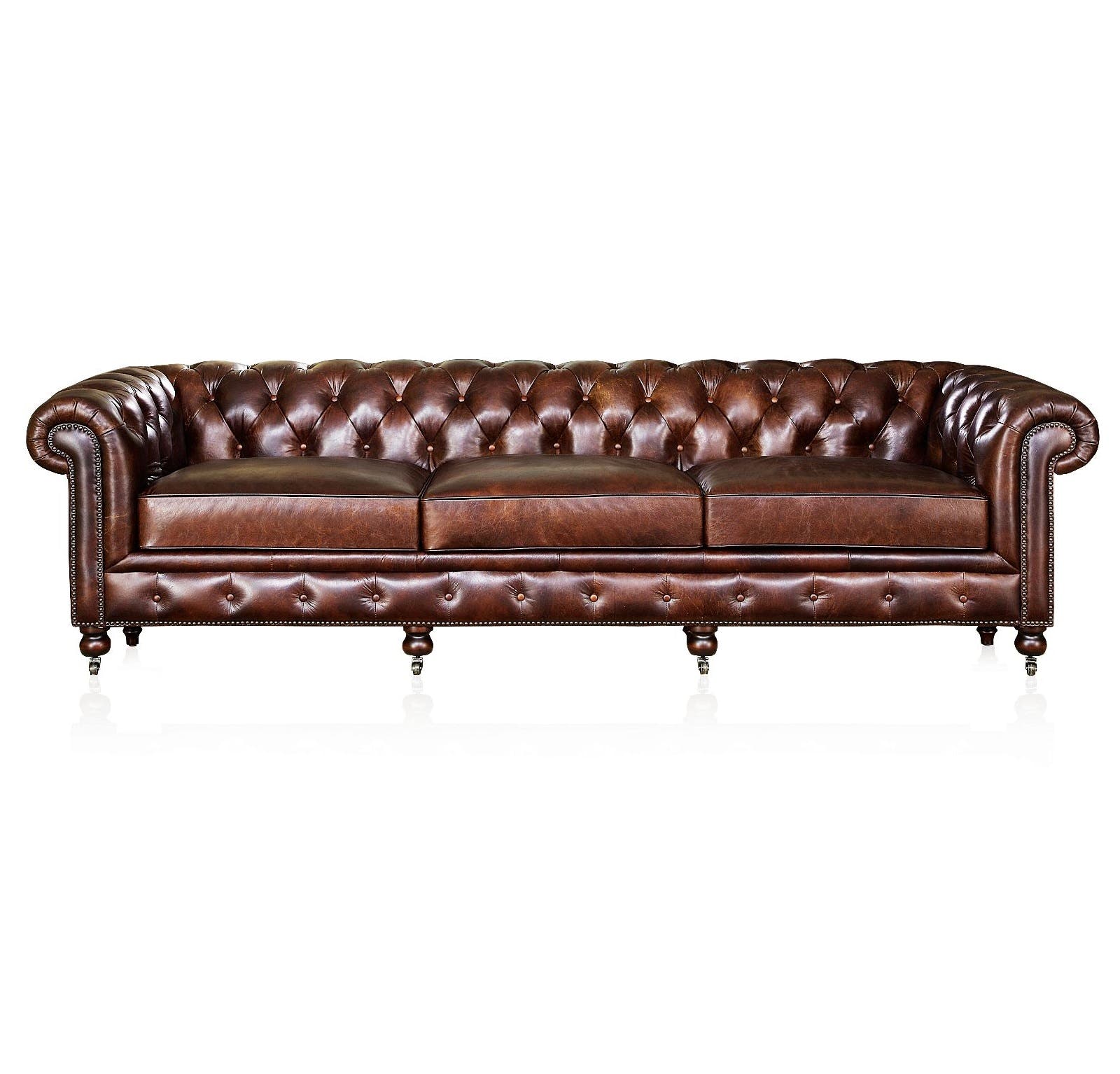



How do I prevent my leather sofa from cracking and peeling in Singapore?

How do I prevent my leather sofa from cracking and peeling in Singapore?
A premium leather sofa is a standout feature of high-end lounge furniture, offering comfort and timeless style. Yet, many homeowners in Singapore watch their investments degrade prematurely, asking: How do I prevent my leather sofa from cracking and peeling?
Seeing a beautiful piece turn dry, brittle, or start flaking off in small pieces is deeply frustrating. To protect your furniture effectively, you must understand how Singapore’s unique environment—defined by persistent high humidity, intense heat, and UV exposure—interacts with upholstery materials. With a proper understanding of material science and a consistent leather sofa maintenance routine in Singapore, you can keep your seating looking pristine for decades.
The Root Causes of Leather Damage in the Tropics
Preventing structural surface breakdown requires identifying the distinct environmental forces at play in a tropical climate.
The Tropical Deterioration Process:
High Humidity + Body Sweat -> Strips Natural Oils -> Leather Hardens -> Surface Cracks Under Weight
The Drying Effects of Direct Ambient Heat
Genuine leather relies on a delicate balance of natural moisture and essential oils within its collagen fibers to stay supple and flexible. When a sofa is placed near large glass panels or directly under an air conditioning vent, it experiences constant moisture loss. As these internal oils evaporate, the fibers shrink and harden, eventually causing visible surface cracks when stepped or sat on.
The Impact of Human Perspiration and Sebum
In naturally ventilated homes, human sweat and natural skin oils (sebum) inevitably transfer onto your sofa's seating areas. While minor oil absorption is normal, a heavy buildup of sweat introduces acidic elements and salts that slowly corrode the leather’s protective top coat. This accelerates the breakdown of the underlying fibers, turning soft surfaces brittle.
The Truth About Peeling vs. Cracking
It is vital to distinguish between a surface that is cracking and one that is actively peeling, as these symptoms point to entirely different underlying materials.
Why Genuine Leather Never Peels
If your furniture is flaking off in thin, plastic sheets to reveal a gray fabric mesh beneath, it is not genuine leather. Authentic leather hide can crack or scratch, but it is physically incapable of peeling. True hide is a continuous, solid dermis layer.
Why Is My Leather Sofa Peeling?
When a sofa peels, it is an absolute confirmation that the piece is crafted from synthetic PU (polyurethane) or low-grade bonded leather. Synthetic peeling occurs because the weak chemical bonds holding the top plastic film to the backing cloth dissolve when exposed to Singapore’s ambient humidity and body oils. Once this peeling process starts on synthetic material, it cannot be reversed or repaired.
The Ultimate Tropical Maintenance Protocol
To preserve genuine top-grain or full-grain luxury furniture, follow this structured preservation routine tailored for local conditions.
1. Weekly Dry Dusting and Debris Removal
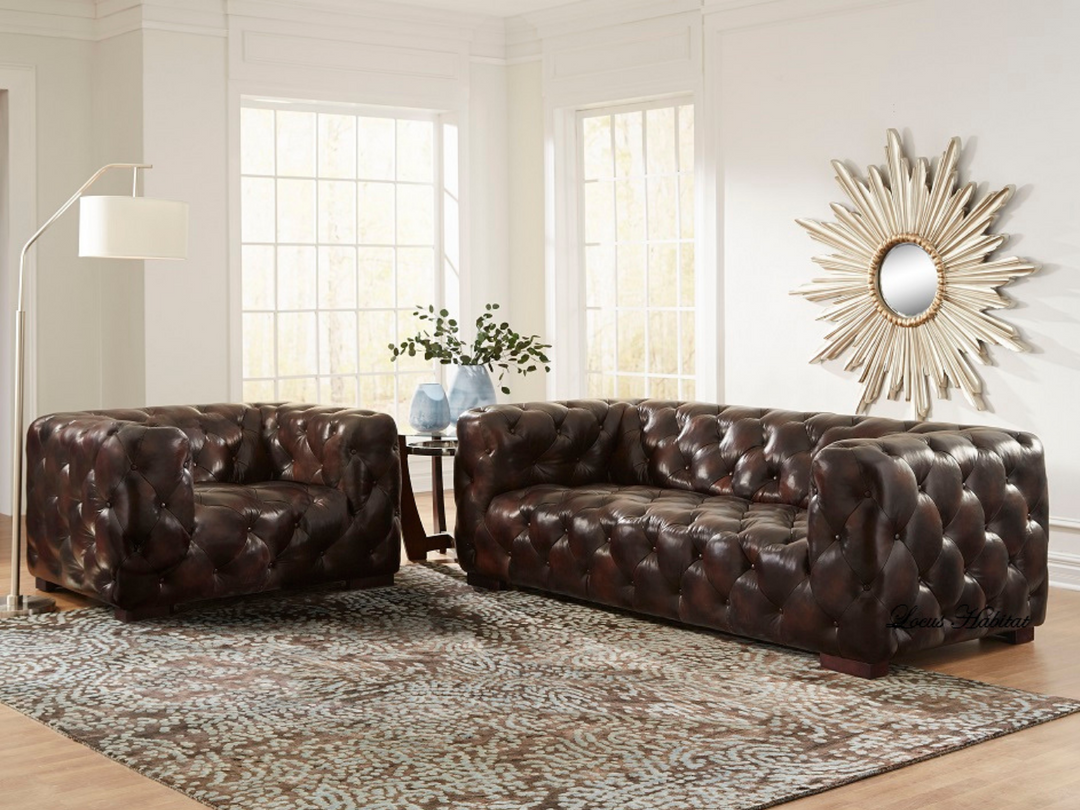
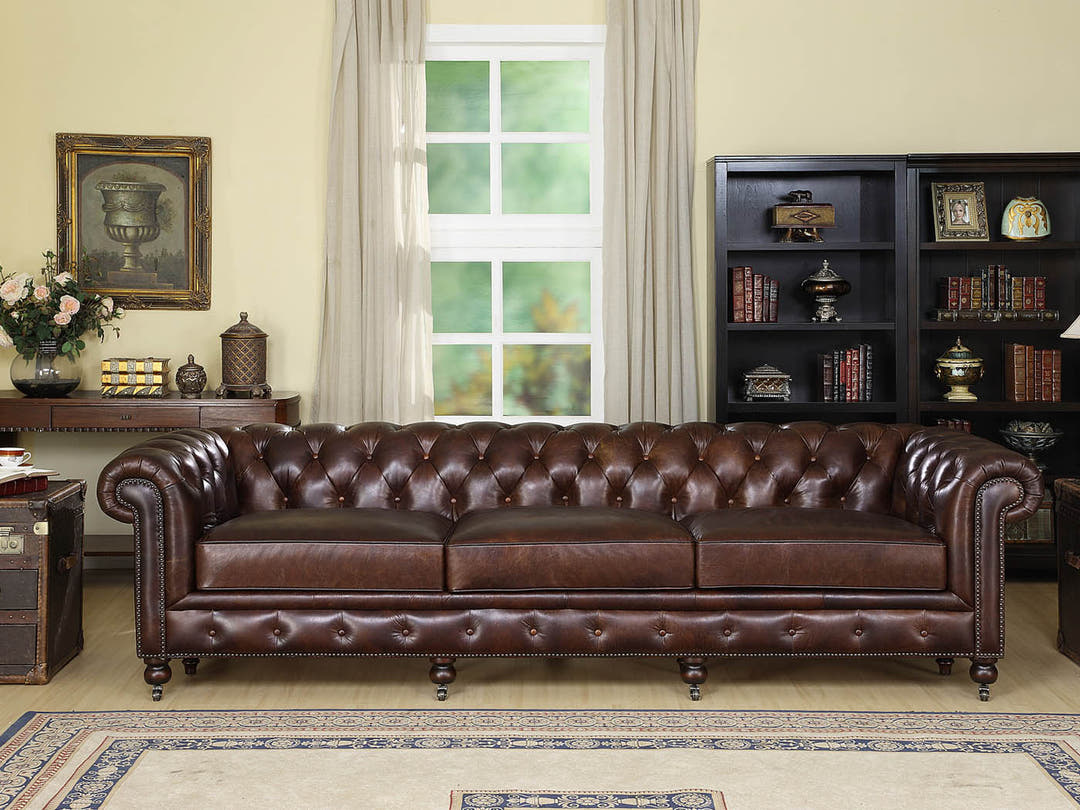
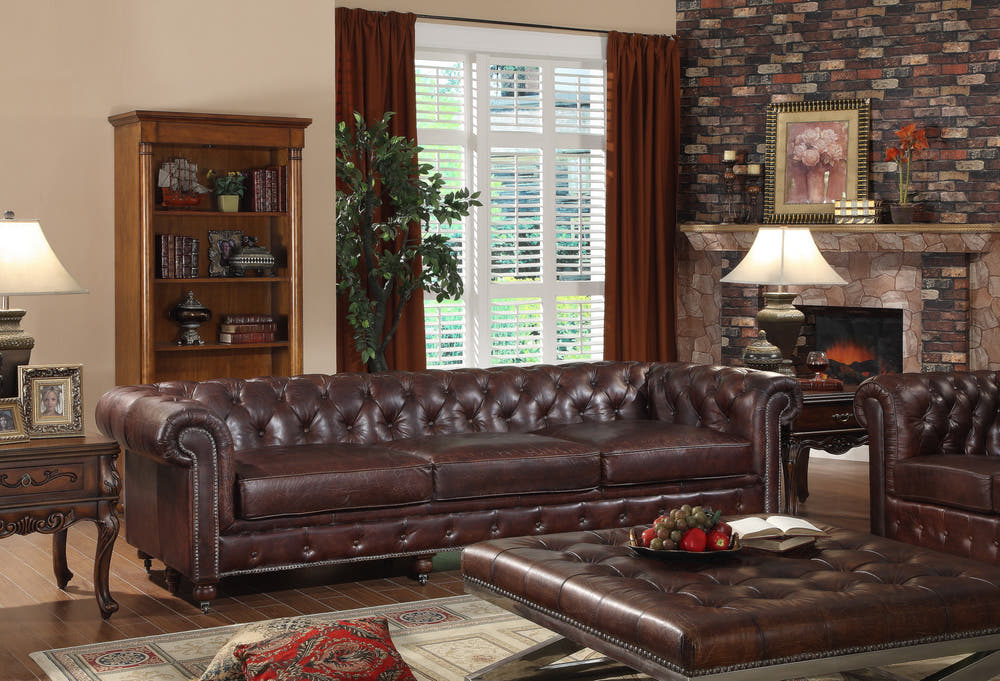
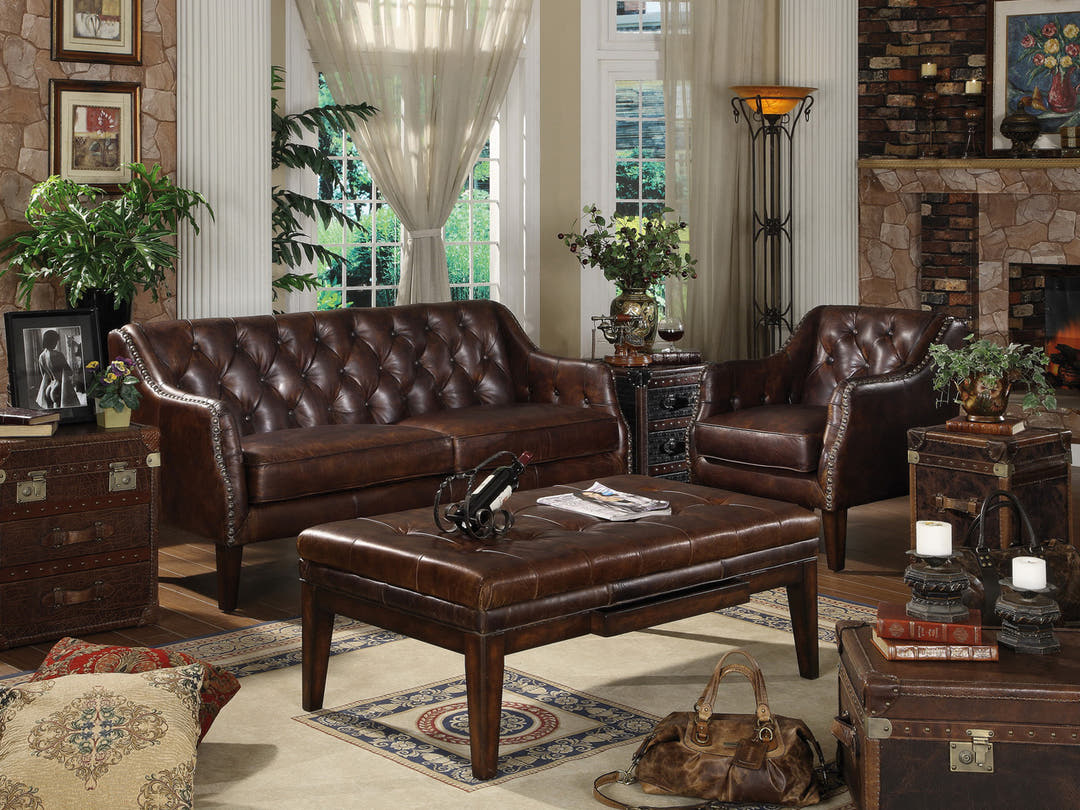
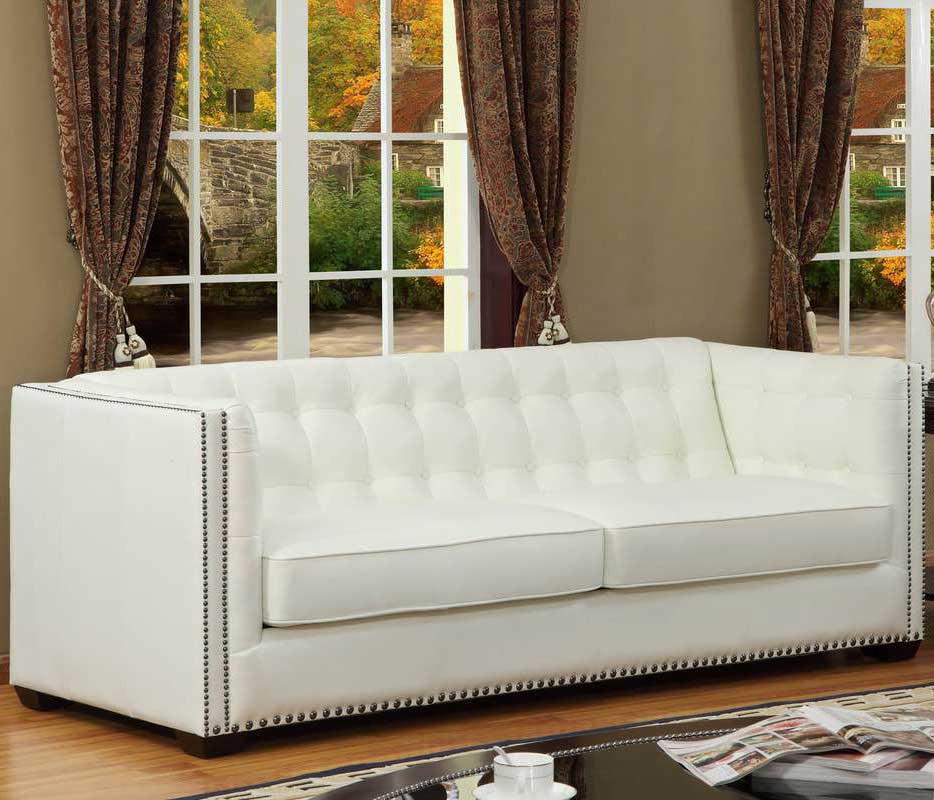
Dust and airborne grit act like fine sandpaper on your sofa, wearing down protective coatings every time someone sits down. Use a soft vacuum brush attachment to clear out the deep crevices of your tufted cushions weekly, followed by a gentle wipe-down using a clean, dry microfiber cloth.
2. Monthly Deep Clean with pH-Neutral Formulas
Every month, remove accumulated skin oils and environmental grime. Never use multi-purpose household cleaners, dishwashing soaps, or wet wipes containing alcohol, as these harsh chemicals strip away vital protective coatings. Instead, use a dedicated, pH-neutral leather cleaner. Apply the cleaner to a damp sponge, work it into a gentle lather, wipe the sofa systematically, and buff dry with a fresh towel.
Sofa Care Schedule:
Weekly: Vacuum crevices + dry microfiber wipe.
Monthly: pH-neutral clean + targeted moisture check.
Bi-Annually: Deep leather conditioning cream application.
3. Bi-Annual Conditioning Treatments
To replace evaporated internal oils, apply a premium leather conditioning cream every six months. Massage the cream into the hide using circular motions, allowing it to penetrate the pores for several hours before buffing away any excess. This deep conditioning process keeps the fibers flexible, ensuring the leather can flex comfortably under weight without cracking.
Environmental Controls for Home Preservation
Beyond chemical care products, managing your living room's layout and environment plays a massive role in extending your furniture's lifespan.
Managing Solar Exposure with Sun Blinds
If your living room features west-facing windows, install high-quality UV-blocking solar shades or sheer curtains. Keeping these drawn during peak afternoon heat shield your lounge furniture from intense UV radiation, protecting both the structural integrity of the hide and the vibrancy of its dyes.
Balancing Humidity Levels
If you use air conditioning frequently, remember that it acts as a powerful dehumidifier, drying out the air and your furniture. If your indoor humidity consistently drops below 40%, consider using a smart humidifier or applying conditioning creams more frequently to maintain an optimal moisture balance within the leather fibers.