


How to Move a Chesterfield Sofa Without Damaging It

How to Move a Chesterfield Sofa Without Damaging It
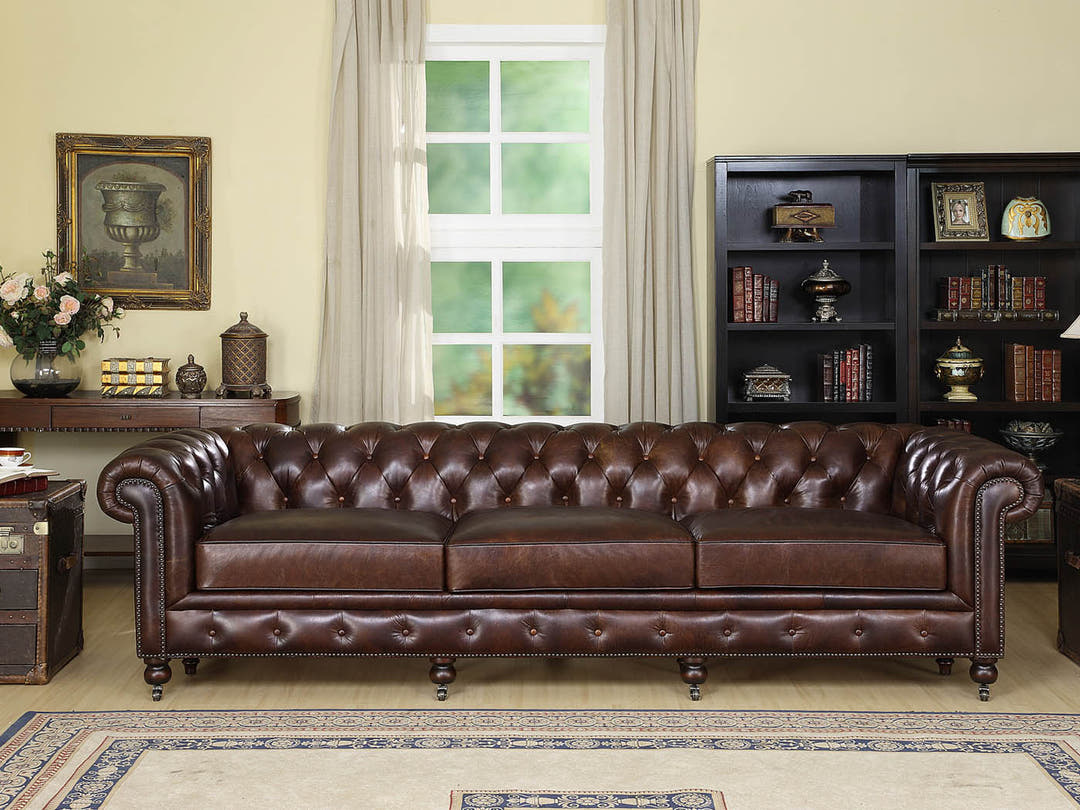
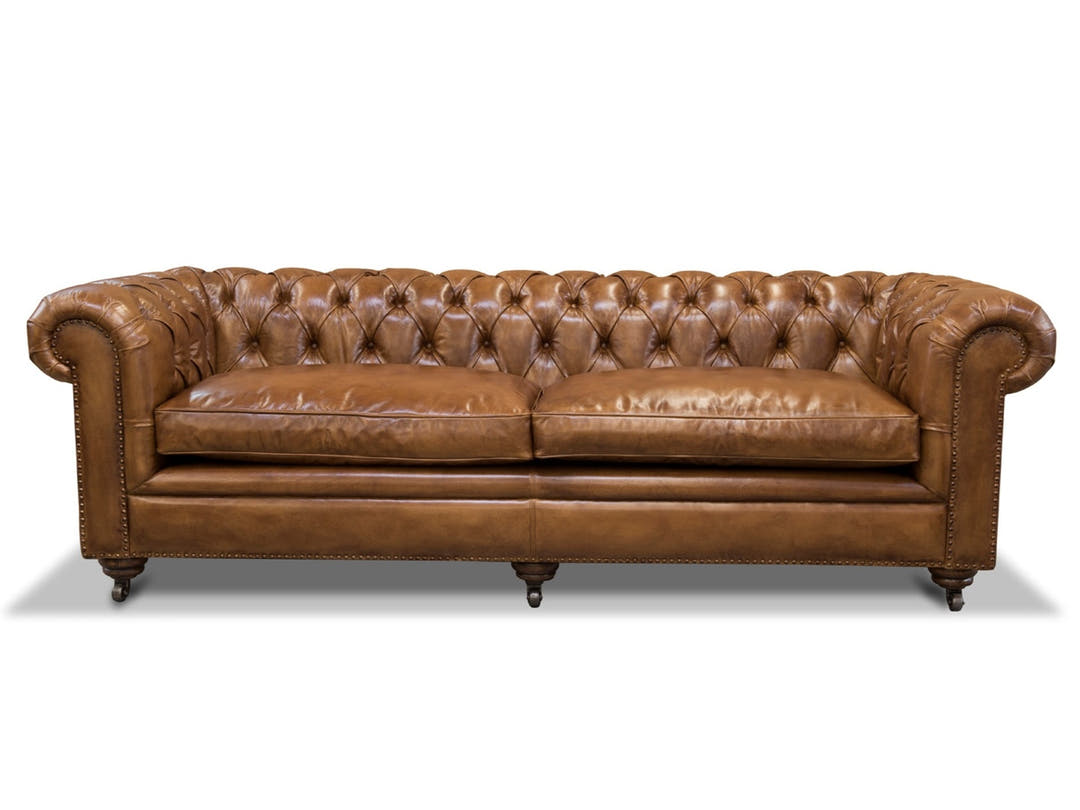
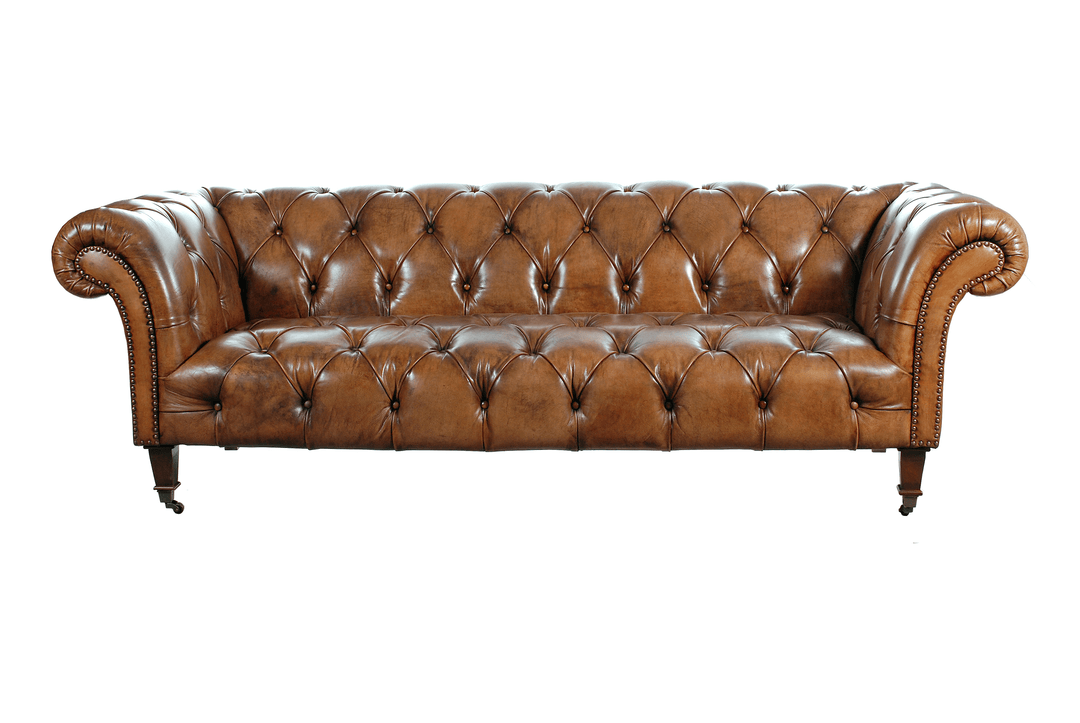
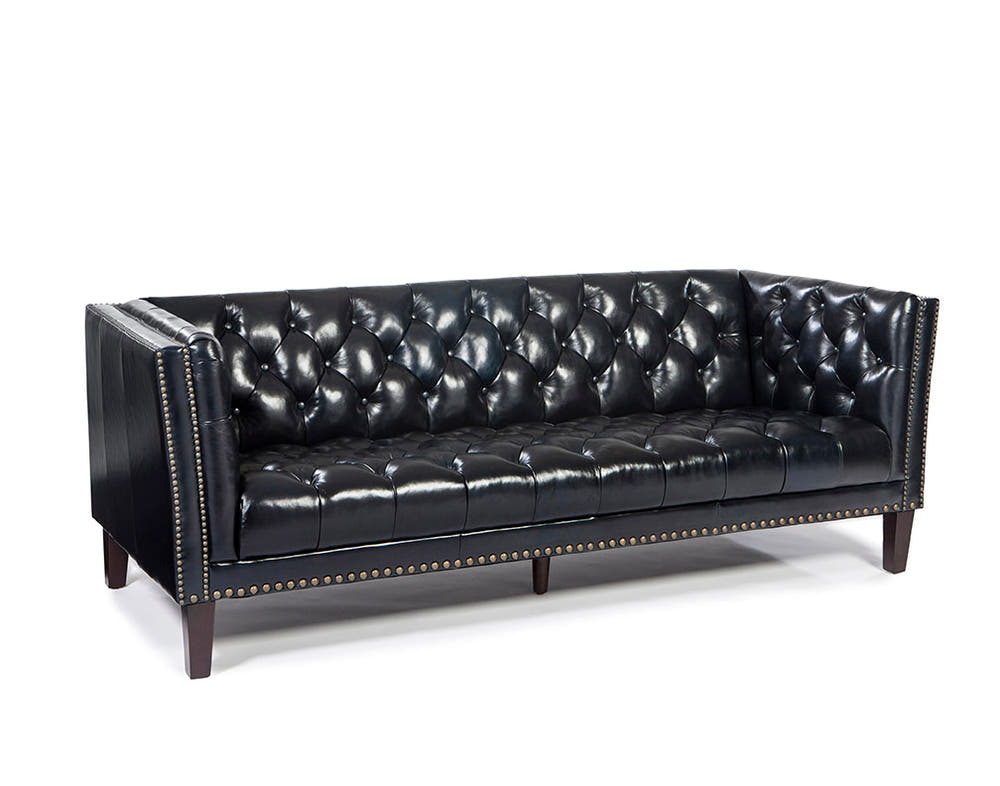
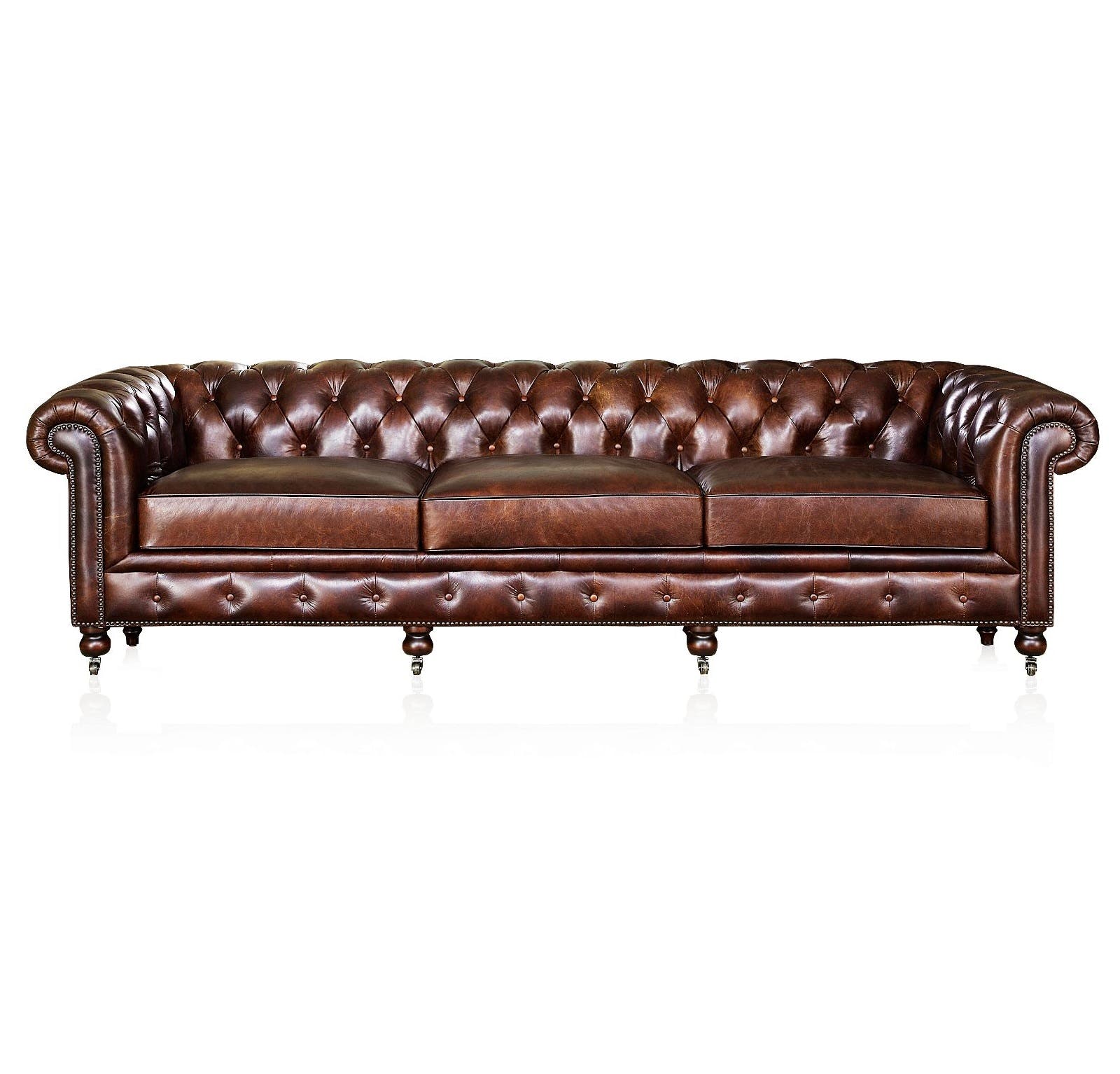
Investing in a premium Chesterfield sofa means bringing a centerpiece of luxury furniture into your home that can last for generations if properly maintained. However, the exact qualities that make it so desirable—its solid, heavy hardwood frame, deep buttoned tufting, and exquisite genuine leather upholstery—also make it highly vulnerable to damage during a residential move.
Improper handling during transit can lead to warped frames, torn leather, or popped tufting buttons, ruining your prized lounge furniture. Whether you are moving to a new HDB BTO flat, transitioning into a landed estate, or simply rearranging your living room layout, following professional packing and lifting protocols is essential. This guide outlines how to safeguard your leather sofa in Singapore throughout the relocation process.
The Risks of Moving a Chesterfield
Before lifting your sofa, it is important to recognize the specific vulnerabilities inherent to the Chesterfield structure.
Stress Points on the Rolled Arms
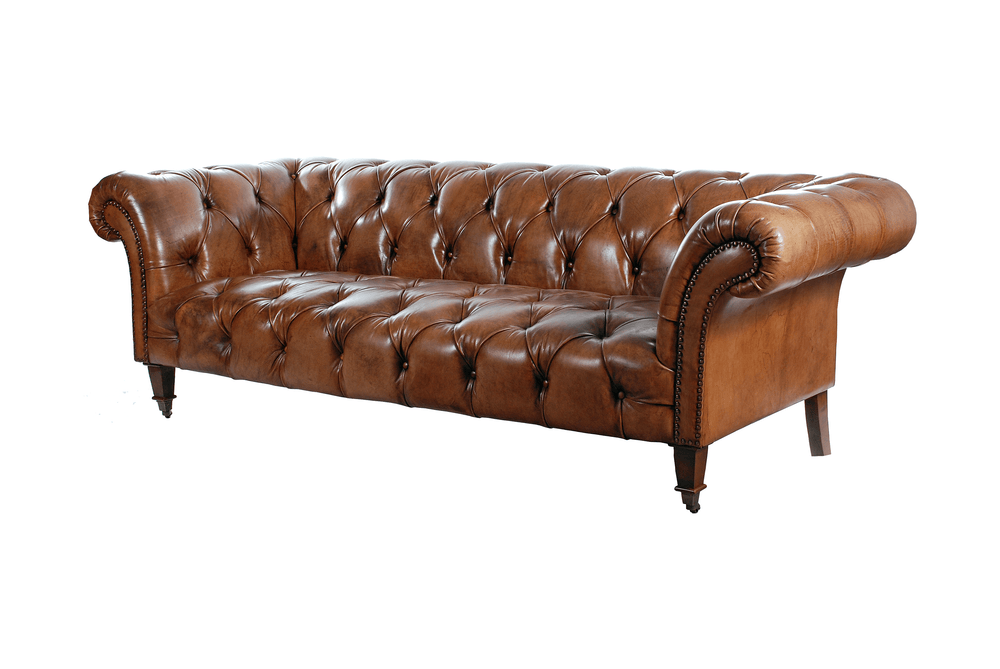
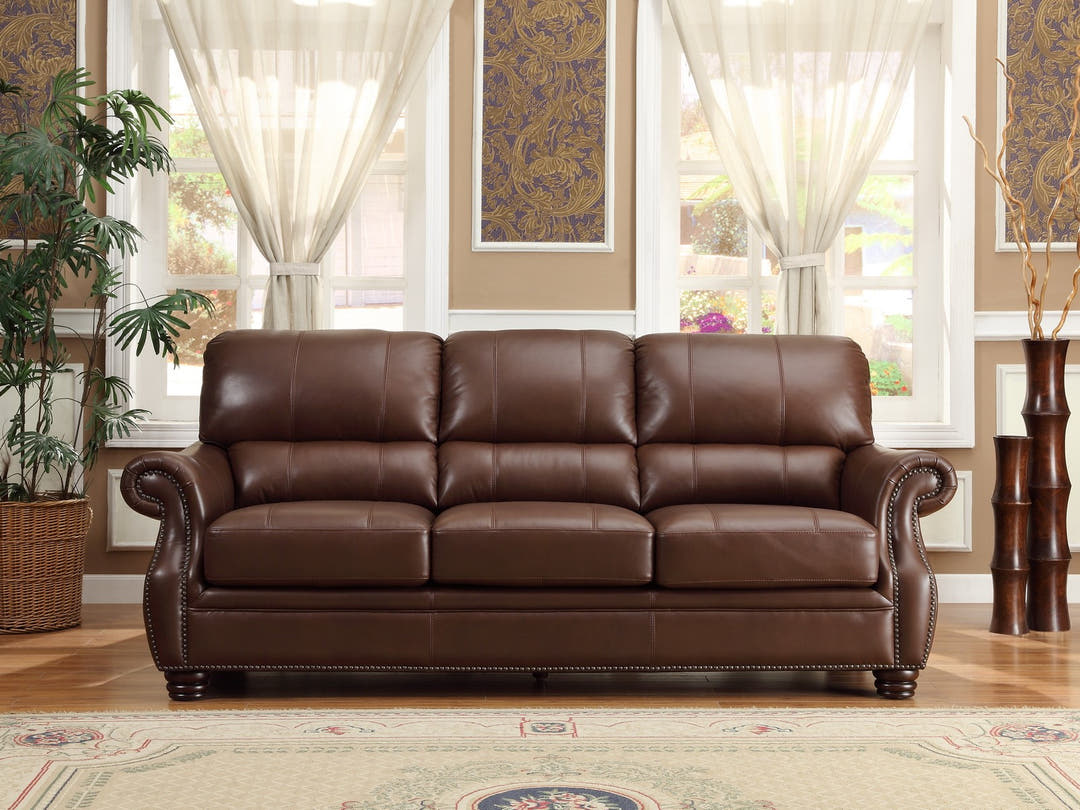
The iconic rolled arms of a Chesterfield extend outward from the main frame line. When a sofa is tilted or rested on its side during a move, the entire weight of the heavy timber base can press down on these arms. Without correct structural padding, this concentrated pressure can crush internal foam layers or crack the arm's internal wooden supports.
Deep Button Tufting Vulnerabilities
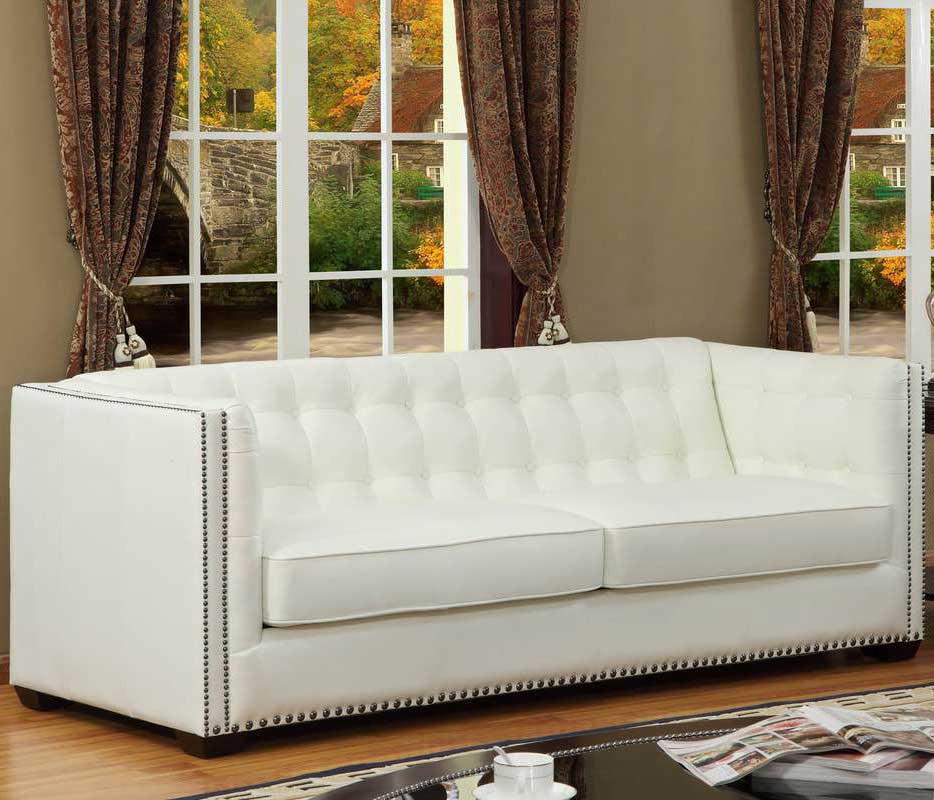
The deep buttoning that defines a Chesterfield relies on high-tension twine anchored deep within the frame. If the sofa rubs against an exposed door jamb or shifts against other furniture inside a moving truck, external friction can catch on these buttons, snapping the tension lines or tearing the surrounding leather pleats.
Essential Packing Materials Checklist
Never move a premium leather sofa naked. Gather these professional-grade packing materials before your moving day arrives:
|
Material |
Primary Function |
Why It's Essential for Leather |
|
Heavy-Duty Moving Blankets |
Shock absorption and scratch protection |
Prevents external walls from piercing leather surfaces. |
|
Cardboard Edge Protectors |
Structural shielding for rolled arms |
Distributes weight evenly if the sofa must be tilted. |
|
Industrial Stretch Film (Shrink Wrap) |
Securing blankets in place |
Keeps layers tight without leaving sticky adhesive residue on leather. |
|
Cardboard Sheets |
Creating a rigid outer puncture shield |
Shields tufting buttons from sharp corners or tools. |
Step-by-Step Guide to Professional Sofa Preparation
Follow this sequence to transform your sofa into a protected, transportable package.
Step 1: Disassembly of Removable Components
Begin by removing all loose seat cushions. Wrap these separately in stretch wrap to keep them clean and dry. Next, gently unscrew the wooden bun feet or legs from the base of the sofa. Label the legs and store them securely in a dedicated hardware bag so they do not go missing during the move.
Step 2: The Core Fabric Protective Layer
Drape heavy-duty moving blankets over the entire body of the Chesterfield, ensuring total coverage of the tufted backrest and rolled arms. For genuine leather sofas in Singapore's humid climate, avoid applying plastic shrink wrap directly onto raw leather surfaces. If trapped inside a hot moving truck, direct plastic wrap can cause condensation, leading to moisture marks or mold growth on premium hide. Always use breathable moving blankets as your base layer.
Correct Packing Layer Sequence:
[Leather Sofa Surface] -> [Breathable Moving Blankets] -> [Cardboard Shields] -> [Outer Stretch Film Wrap]
Step 3: Corner Reinforcement and Outer Binding
Once the blankets are in place, position thick cardboard sheets against the front curves of the rolled arms and along the back corners. Finally, wrap industrial stretch film firmly around the entire sofa assembly. The plastic wrap should only touch the moving blankets, binding them tightly against the frame to form an impact-resistant shell.
Safe Lifting and Carrying Ergonomics
A premium Chesterfield frame is crafted from solid, kiln-dried birch or beech wood, making it significantly heavier than standard budget furniture. Attempting to lift it incorrectly can cause personal injury and structural damage.
The Four-Man Lift Strategy
While a lightweight sofa can be managed by two people, a substantial 3-seater or 4-seater Chesterfield requires a team of four handlers—especially when navigating tight corridors or stairs. Two movers should support the heavy base frame from the front, while the remaining two guide the backrest and manage spatial clearances.
Always Lift by the Main Structural Rails
When lifting, never pull or carry the sofa by its rolled arms or backrest frame. These elements are designed for comfort, not to support the dead weight of the entire piece. Instead, movers must reach underneath the wrapping to grip the solid, lower structural timber rails of the base chassis. Keep your back straight, bend at the knees, and lift in a synchronized motion.
Transit and Loading Best Practices
The final risk zone occurs inside the moving vehicle, where shifting forces can damage your furniture during transit across Singapore.
Proper Orientation on the Moving Truck
Inside the truck, place the Chesterfield flat on its base whenever possible. If space constraints require the sofa to be stood up vertically on its side, ensure the lower end rests on thick foam blocks or multiple folded moving blankets to protect the rolled arm from crushing forces.
Securing with Tie-Down Straps
Never leave a luxury furniture piece loose inside a moving truck. Use heavy-duty ratchet straps to anchor the sofa frame securely against the internal structural slats of the truck walls. Ensure the straps are pulled tight across the sturdiest parts of the base frame, rather than squeezing down directly on the delicate padding of the tufted backrest.