


What is the difference between Half-Leather, Genuine Leather, and PU Leather?

What is the difference between Half-Leather, Genuine Leather, and PU Leather?
Walking into a furniture showroom in Singapore can often feel like decoding a complex technical manual. Sales tags present a confusing mix of terms: Full Genuine Leather, Premium Half-Leather, Eco-Luxury PU, and Bonded Hide. For a buyer searching for the perfect leather sofa in Singapore, understanding these terms is the difference between purchasing a durable piece of luxury furniture or wasting hundreds of dollars on a synthetic material that won't last.
The material you choose directly determines your sofa's lifetime comfort, breathability, and resistance to wear. This comprehensive guide breaks down the structural differences, performance metrics, and cost-to-value realities of Half-Leather, Full Genuine Leather, and PU Leather specifically within the context of the Singapore home environment.
Comprehensive Material Comparison Table
|
Feature |
Full Genuine Leather |
Half-Leather Configuration |
PU (Polyurethane) Leather |
|
Composition |
100% natural animal hide on all surfaces |
Genuine hide on touchpoints; matching PU on back/sides |
100% synthetic fabric coated with liquid plastic polymer |
|
Breathability |
High (Natural porous structure) |
High on seating zones; Low on outer frame |
Zero (Traps body heat and moisture) |
|
Lifespan (SG Climate) |
10 to 20+ Years (With basic care) |
5 to 10 Years (Joint seams are weak points) |
2 to 4 Years (Prone to delamination/peeling) |
|
Peeling Risk |
Zero |
Moderate (Only along outer synthetic panels) |
Extremely High |
|
Average Price (SGD) |
$3,500 – $8,000+ |
$1,800 – $3,500 |
$600 – $1,500 |
Decoding Full Genuine Leather: The Gold Standard
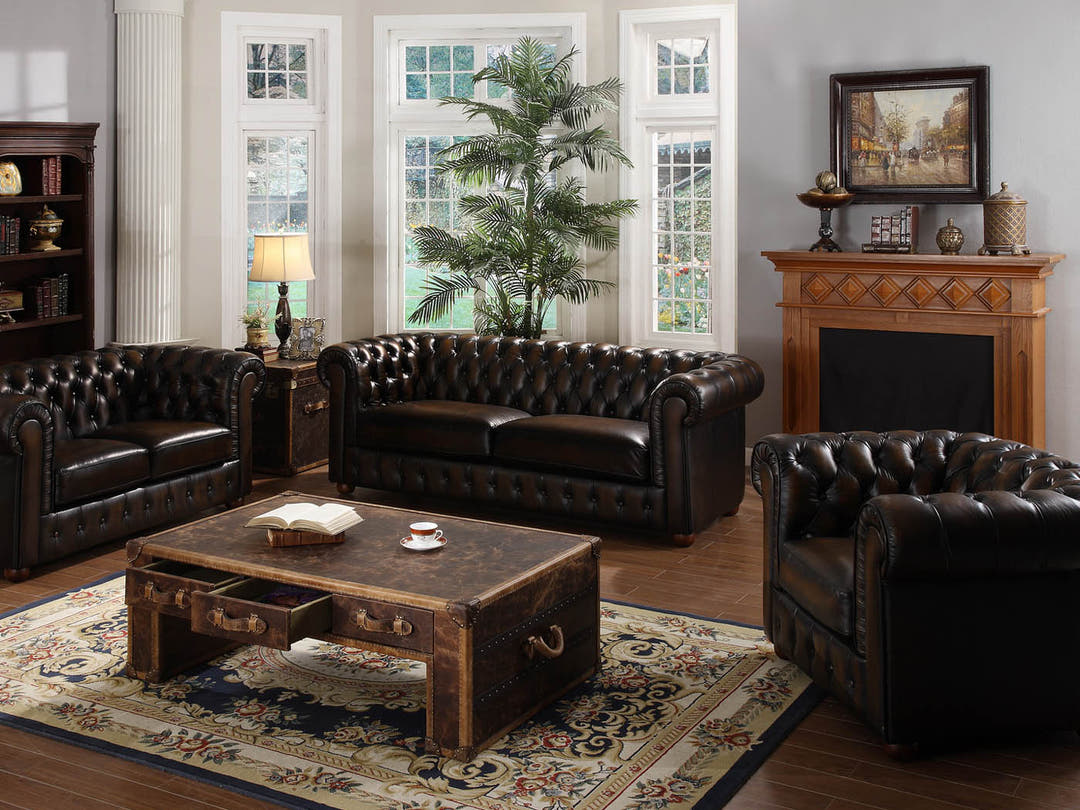
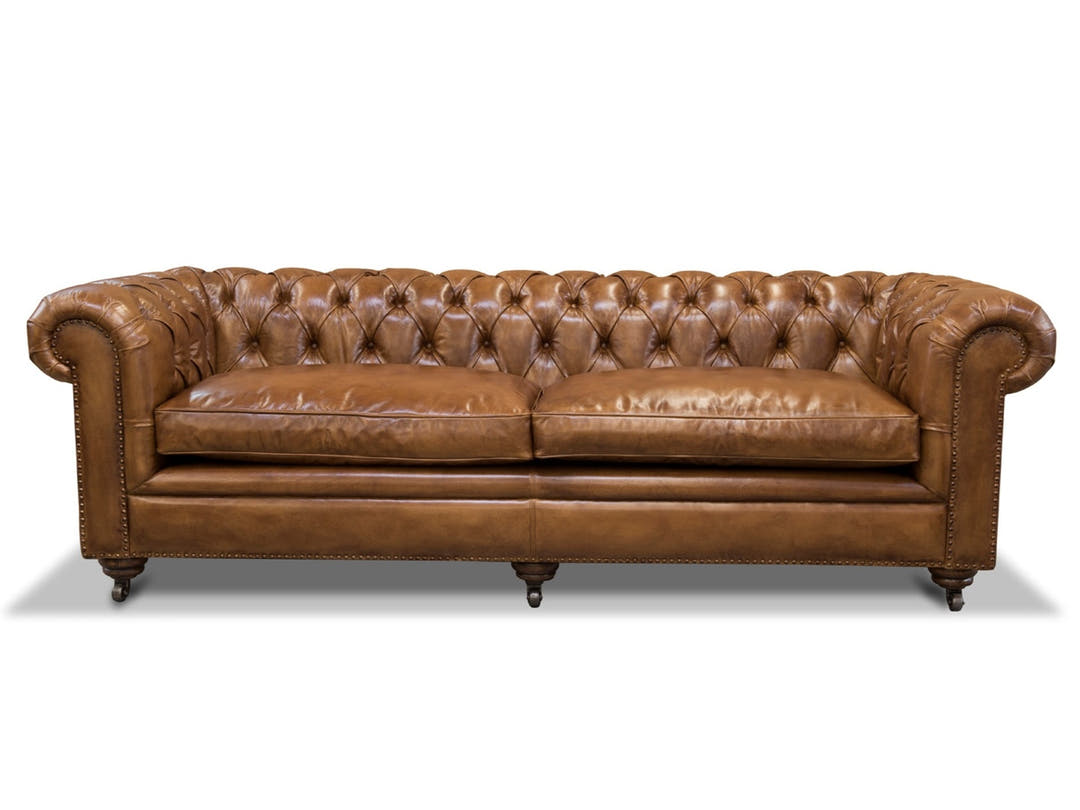
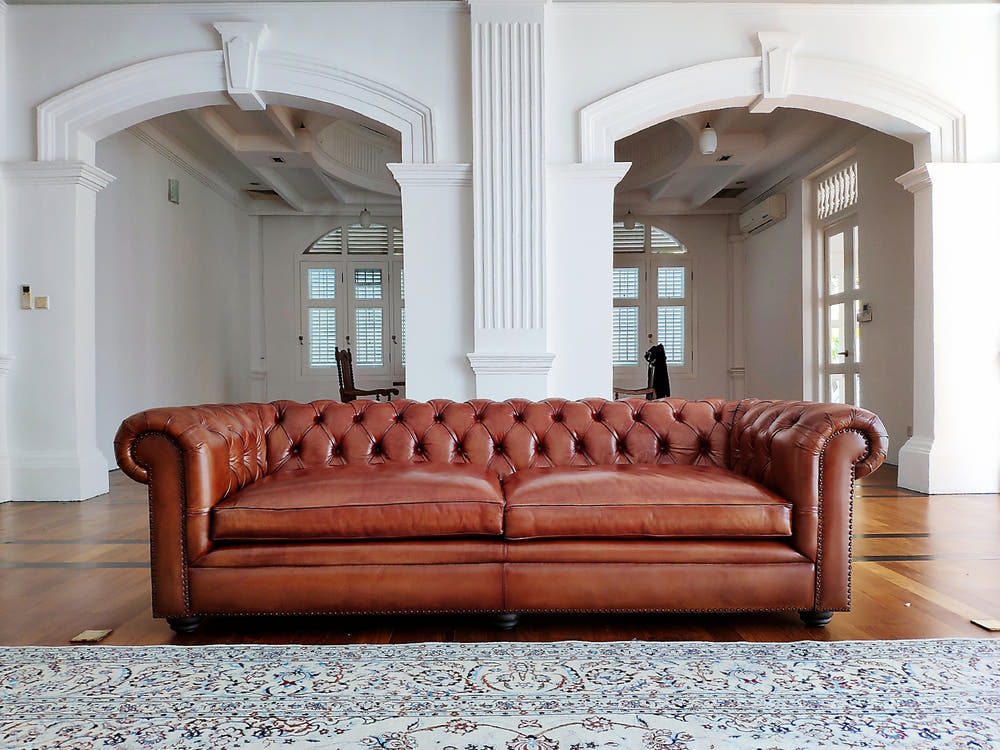
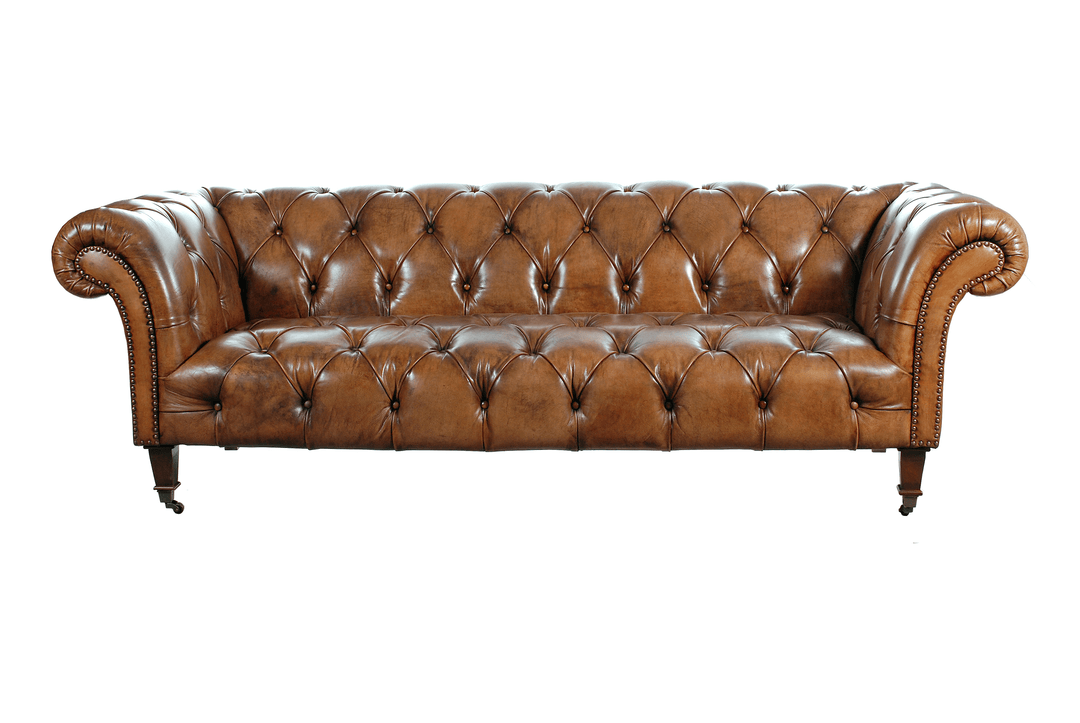
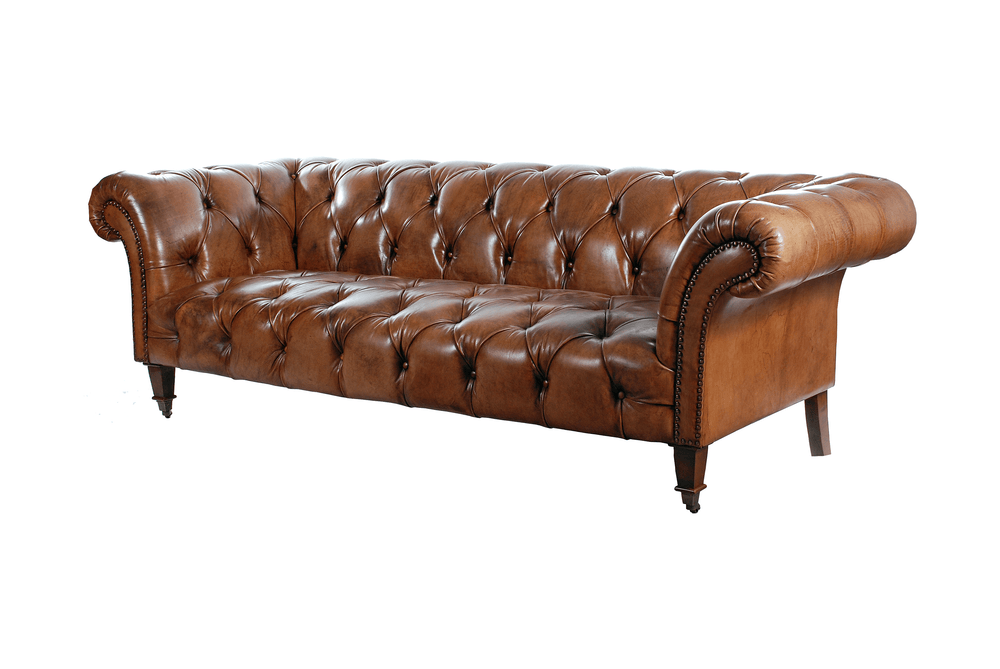
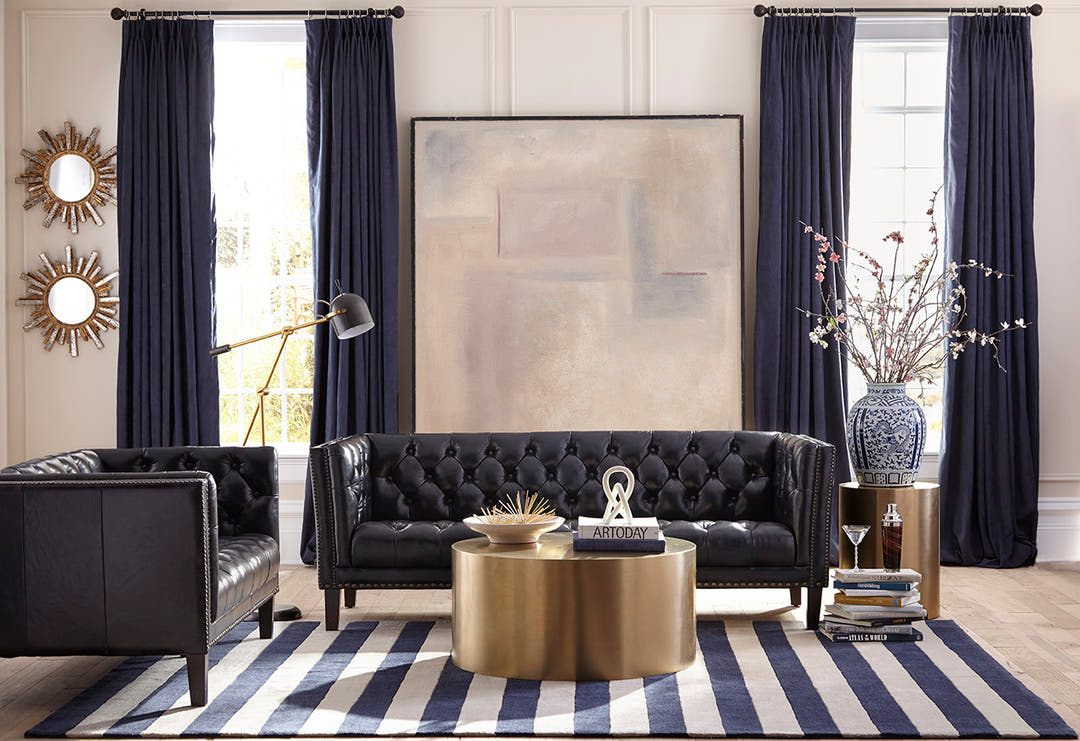
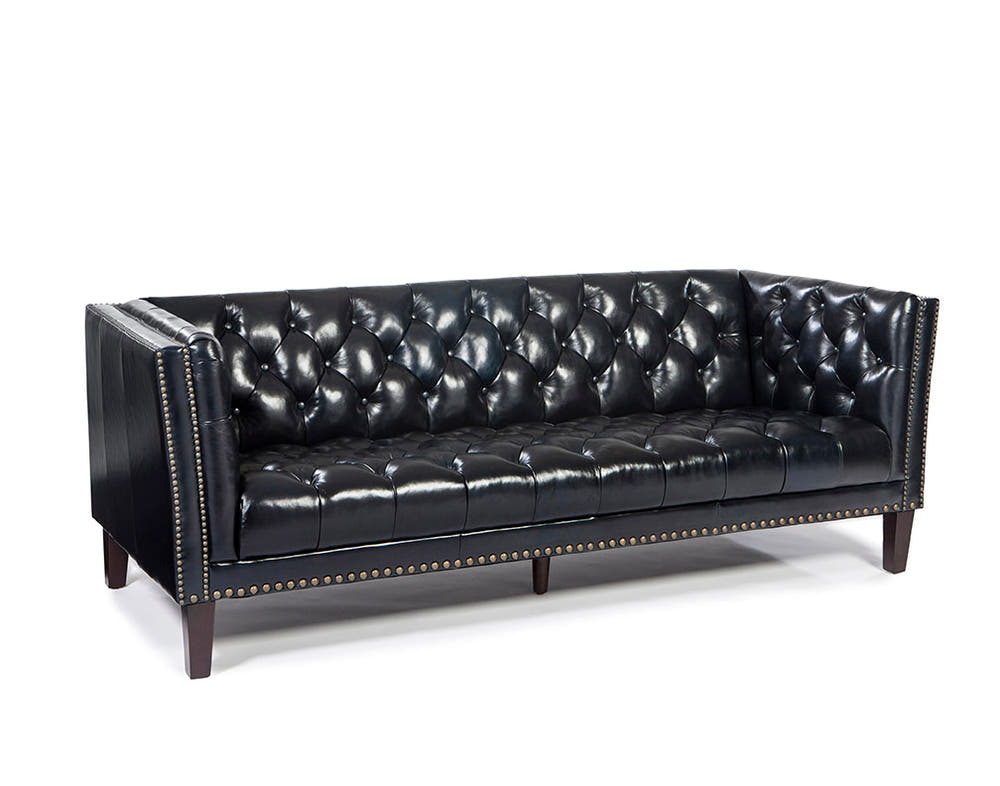
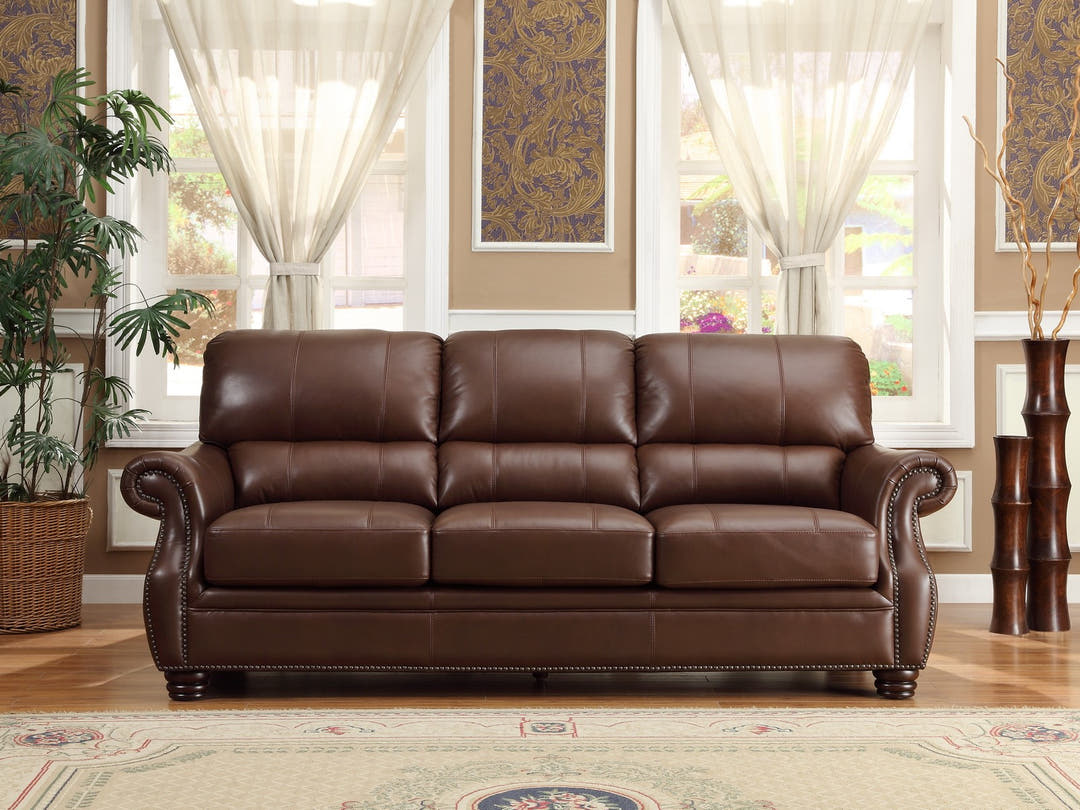
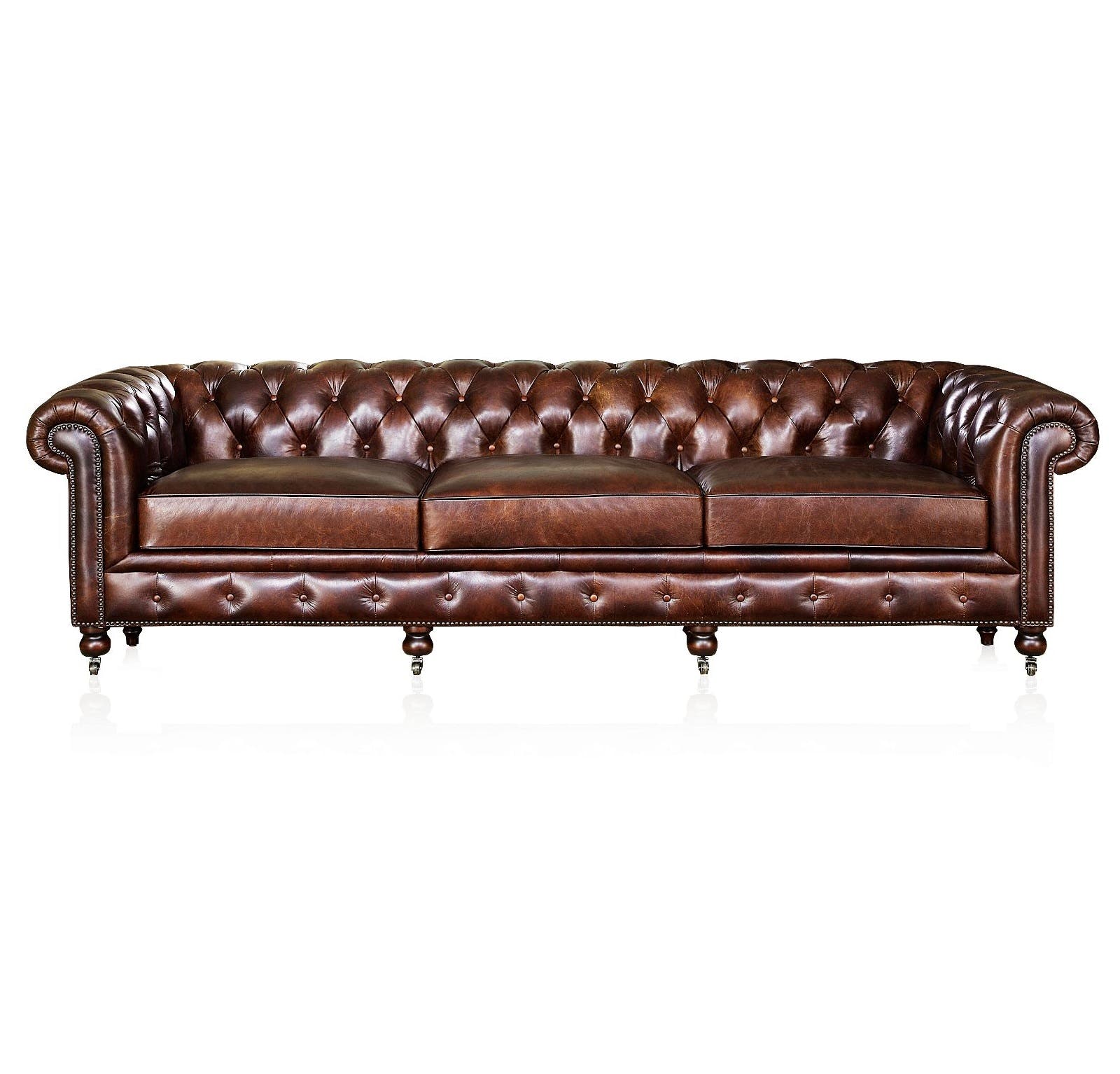
A genuine leather sofa uses 100% authentic animal hide across every square inch of its surface—including the hidden back panel, lower base, and side wraps.
Full Genuine Leather Cross-Section:
[Natural Protective Epidermis] -> [Dense Collagen Fiber Network] -> [Breathable Dermal Base]
Unmatched Durability and Unique Patina
Genuine top-grain or full-grain leather is incredibly strong. It features an organic network of dense collagen fibers that can withstand significant daily wear, pet paws, and children jumping without ripping. Rather than wearing out, high-grade genuine leather undergoes a natural aging process known as developing a patina. Over time, it softens, darkens slightly in high-touch areas, and gains a unique character that enhances the beauty of your lounge furniture.
Thermal Performance in Homes
Because it is a natural material, authentic leather possesses excellent thermal adaptability. It doesn't trap heat; instead, it breathes, allowing body heat to dissipate. This keeps the seating surfaces comfortably cool on warm afternoons and invitingly soft in air-conditioned rooms.
Understanding Half-Leather: The Practical Alternative
For many homeowners, a full genuine leather sofa can be a stretch for their budget. This is where the half-leather sofa configuration offers a smart middle ground.
What Is a Half Leather Sofa?
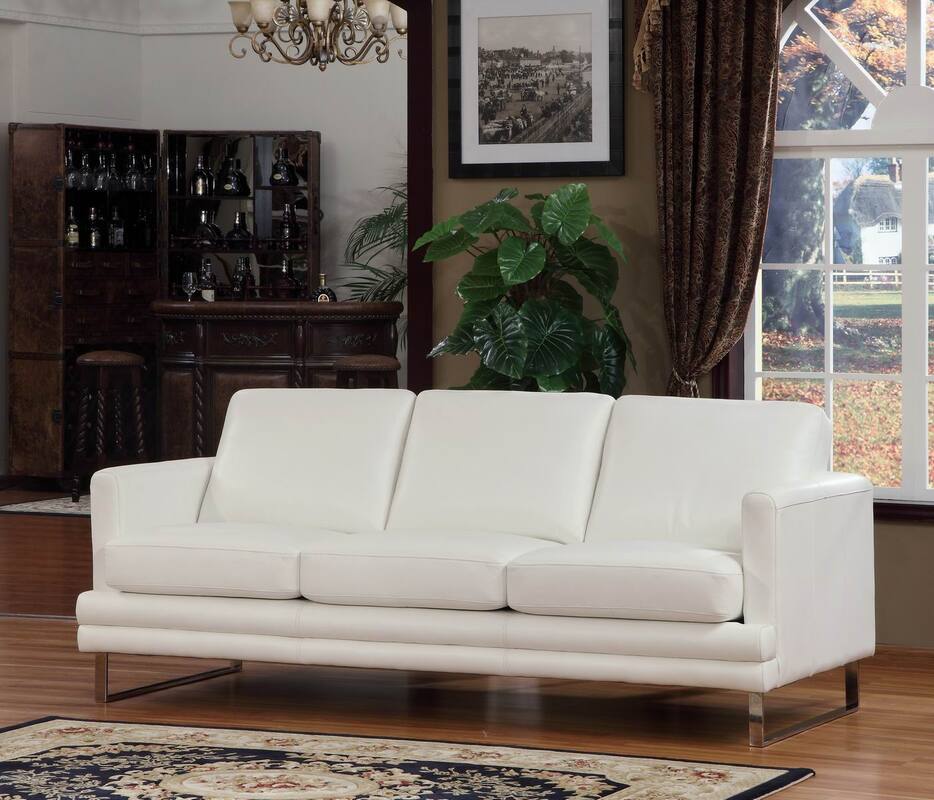
A half-leather sofa is a hybrid creation designed to optimize production costs while preserving user comfort. In this setup, genuine leather is used exclusively on the "contact zones"—the areas your body actually touches when sitting, including the seat cushions, backrests, and the tops of the armrests.
Conversely, matching synthetic materials (like PU or PVC) are used on the non-contact zones—such as the outside arms, lower base trim, and the entire back panel that faces the wall.
The Trade-offs of Choosing a Half-Leather Build
- The Price Advantage: It lowers the retail cost by 30% to 50% compared to full leather pieces, making high-end style accessible.
- The Structural Weakness: Over several years, the synthetic portions will age differently than the genuine leather sections. The PU back panel may begin to fade or crack earlier, and the seams connecting the real leather to the plastic panels face structural stress, potentially separating if subjected to heavy loads.
Unmasking PU Leather: The Budget Choice
Polyurethane (PU) leather is a completely synthetic material engineered to mimic the visual look of genuine hide at a fraction of the production cost.
Composition and Thermal Realities
PU leather is made by applying a layer of industrial plastic polymer over a base layer of woven polyester or split scrap leather. It has zero natural pores. In Singapore’s warm climate, this material traps body heat, creating a warm, sticky seating surface that often requires constant air conditioning to feel comfortable.
The Peeling and Flaking Timebomb
The biggest drawback of PU leather is its short lifespan in humid environments. The synthetic layers are prone to delamination—a process where the plastic coating breaks down and peels off in thin flakes. Once a PU sofa begins flaking, it cannot be repaired, and the messy debris often forces homeowners to discard the entire piece within a few years.