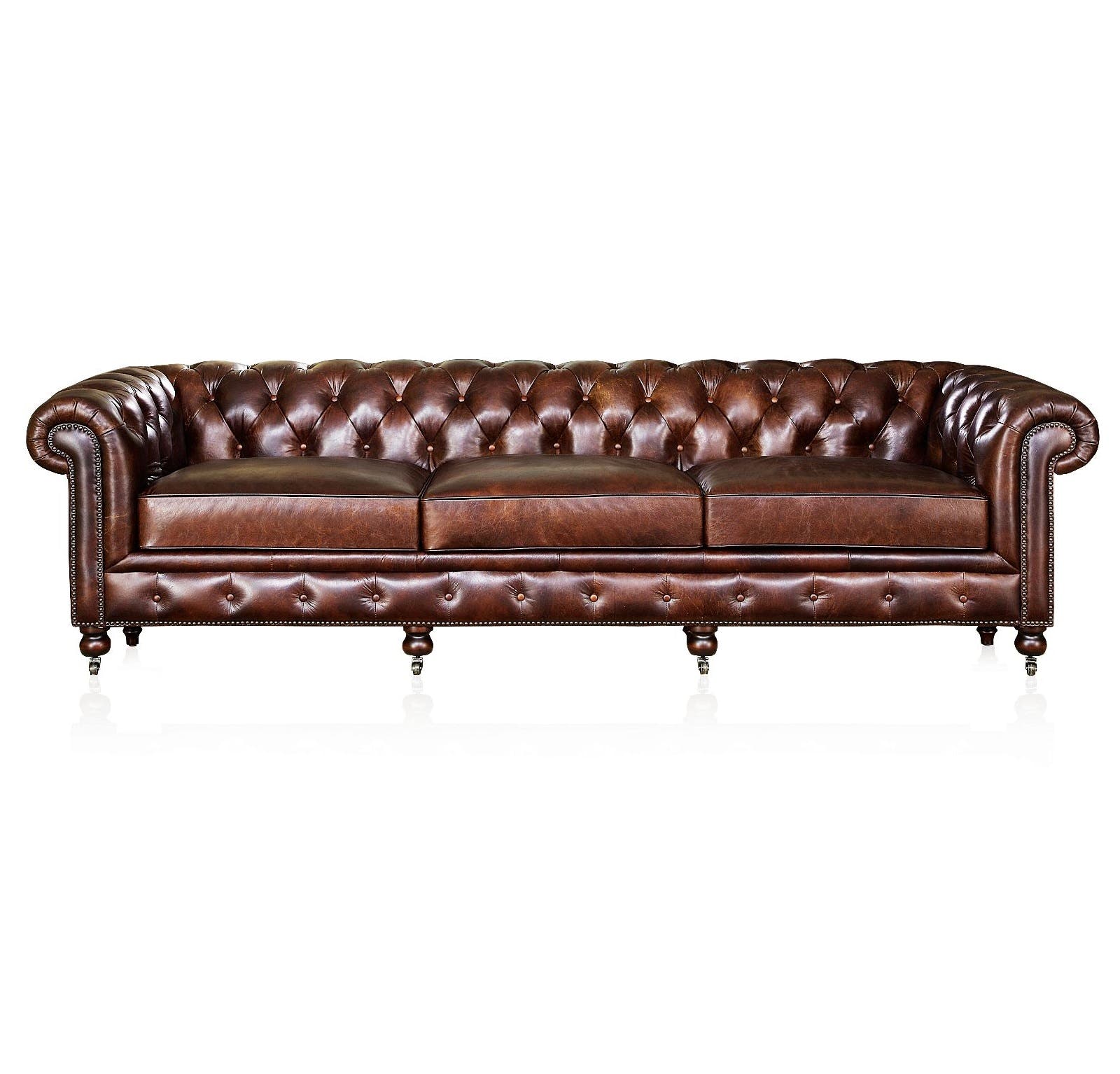



Are Chesterfield Sofas Outdated? A Global Perspective on a 200-Year-Old Design Recurated for Modern Life

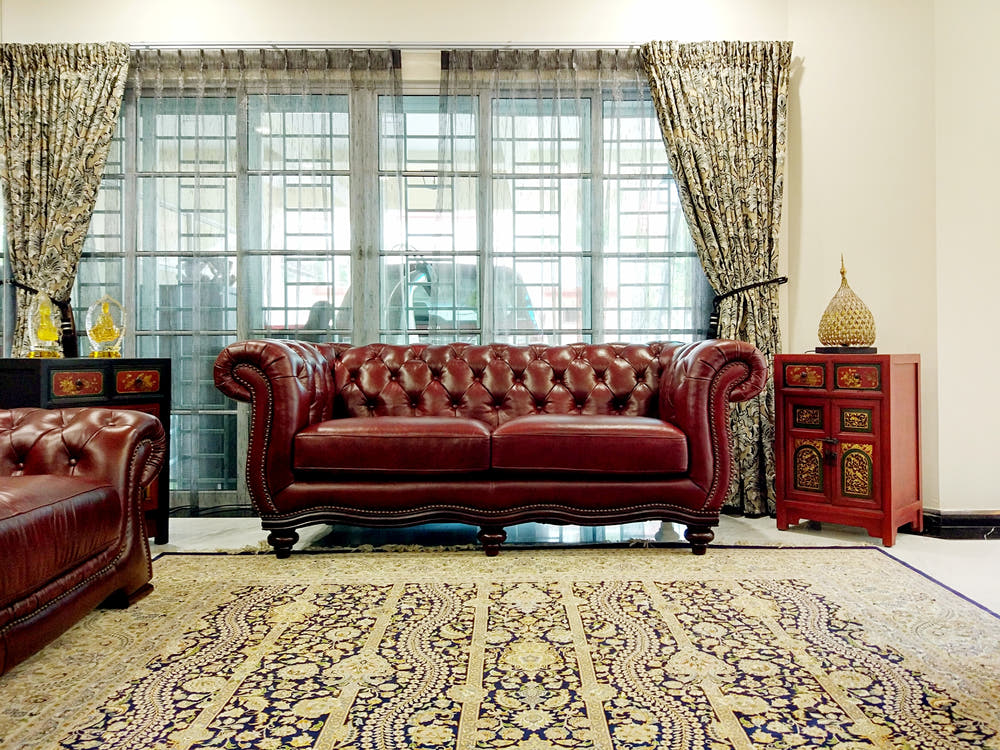
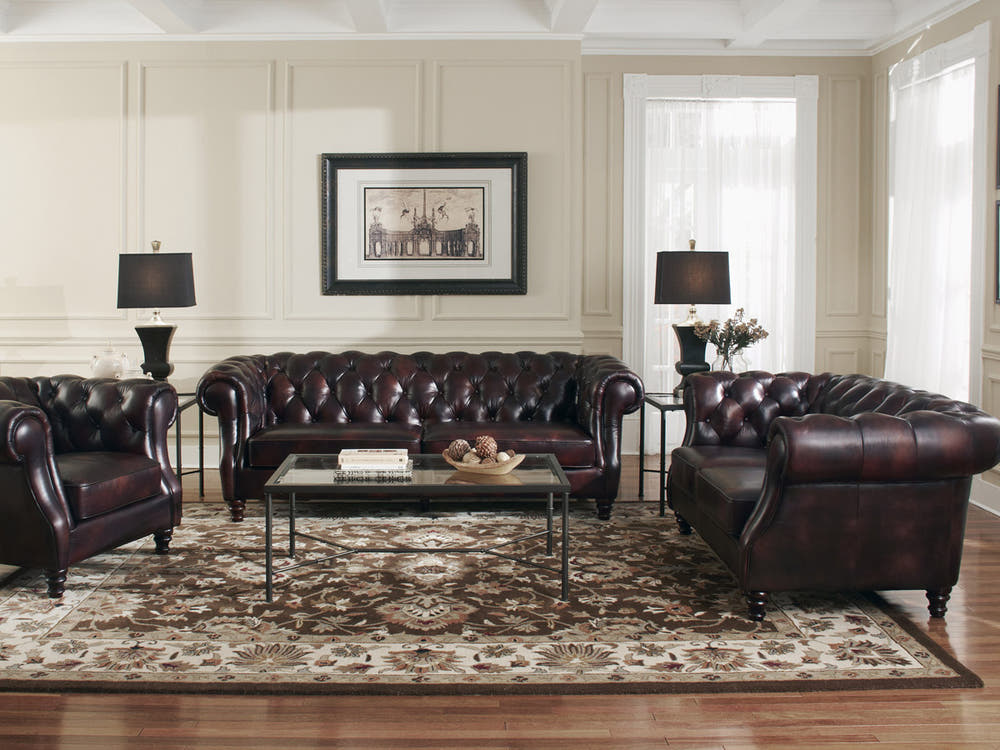
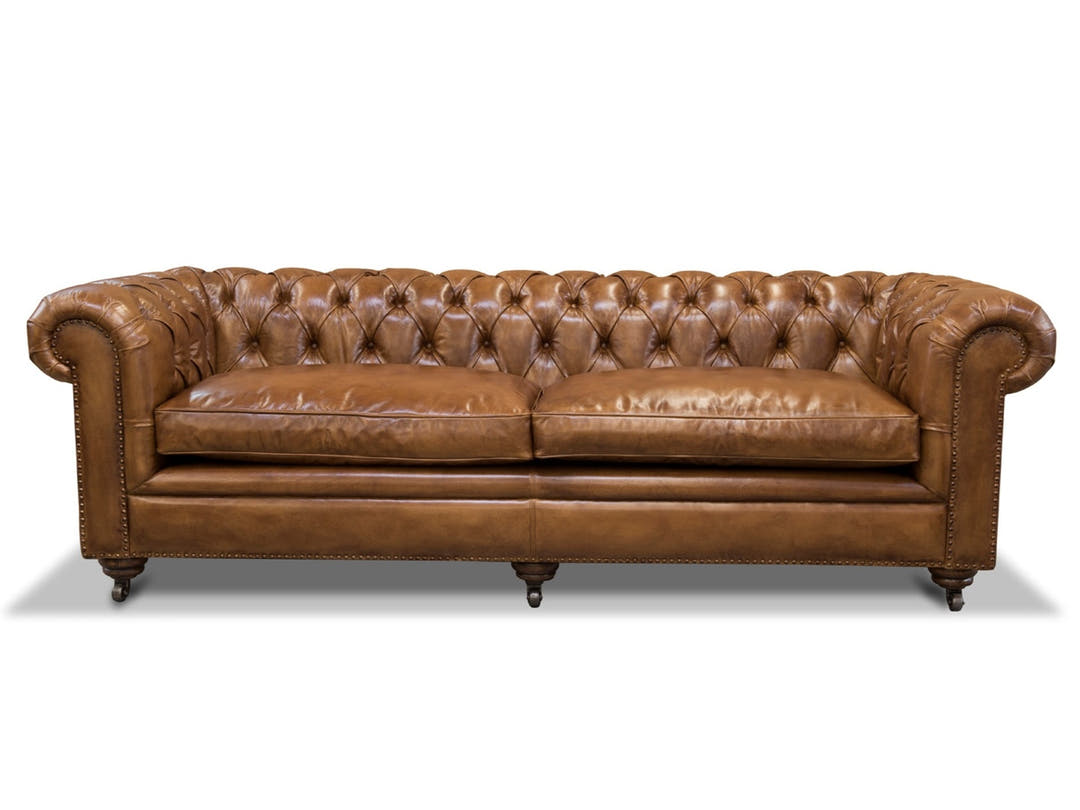
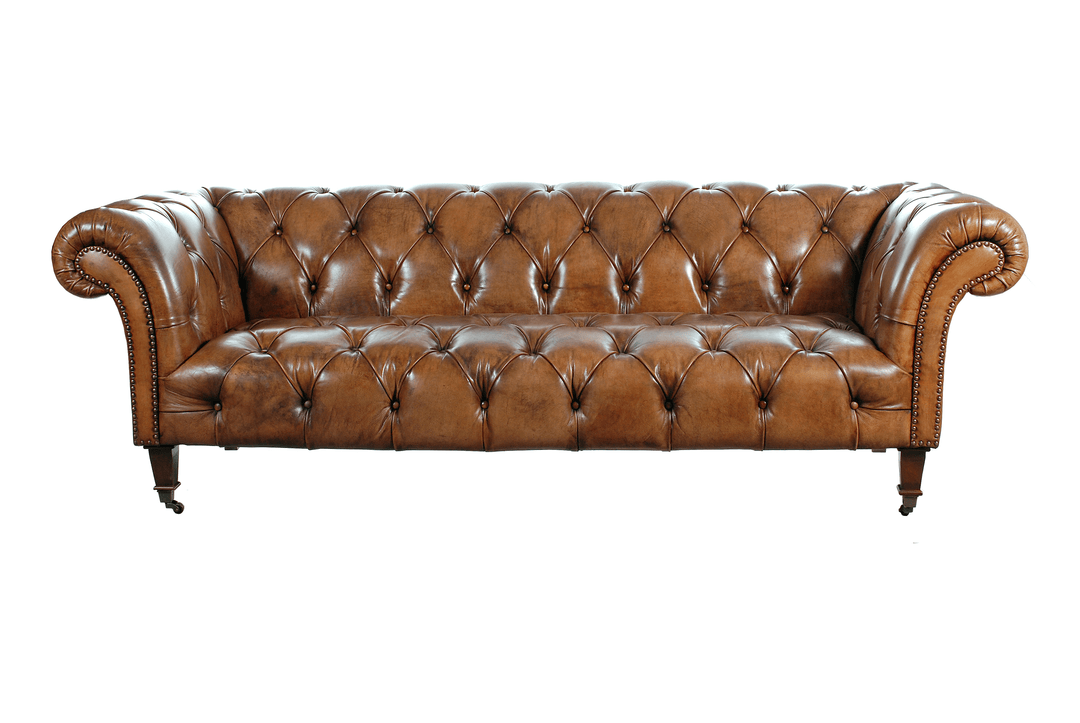
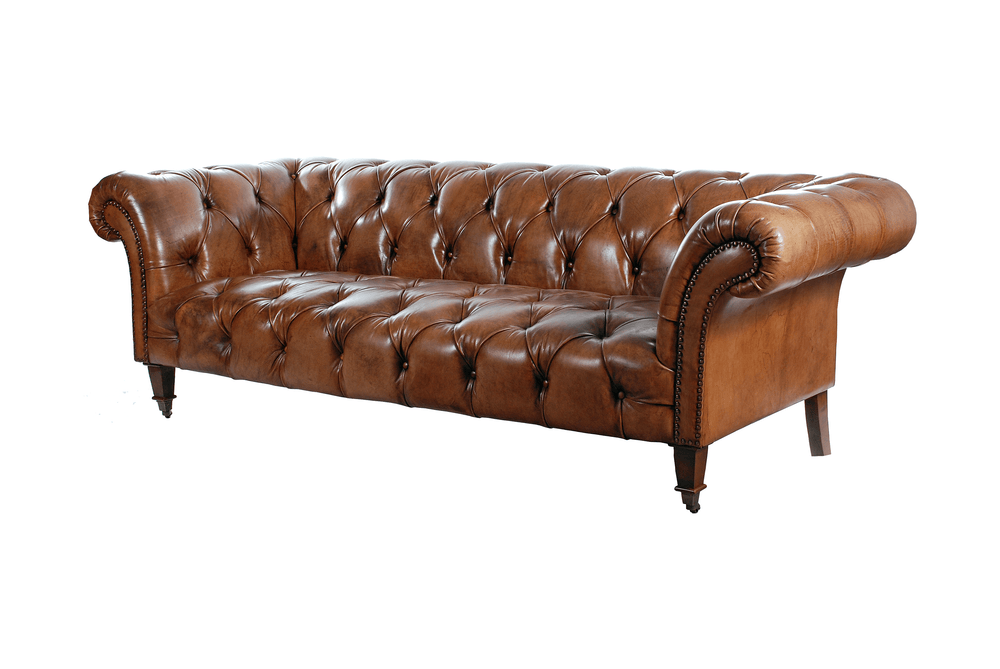
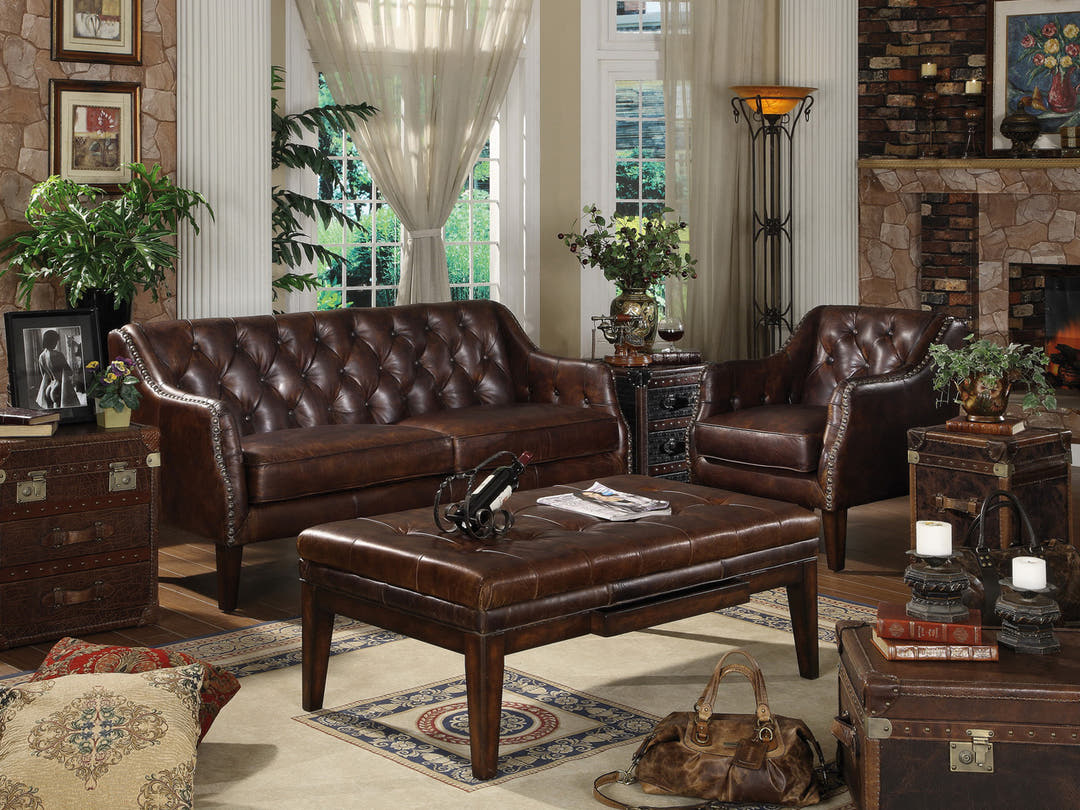
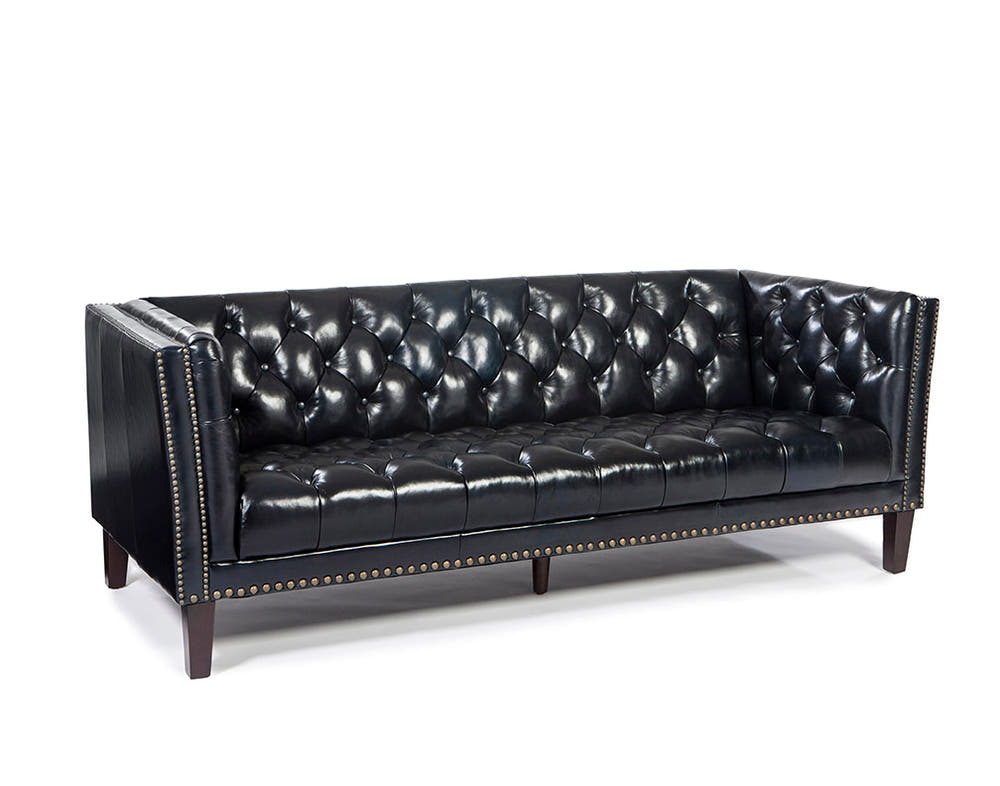
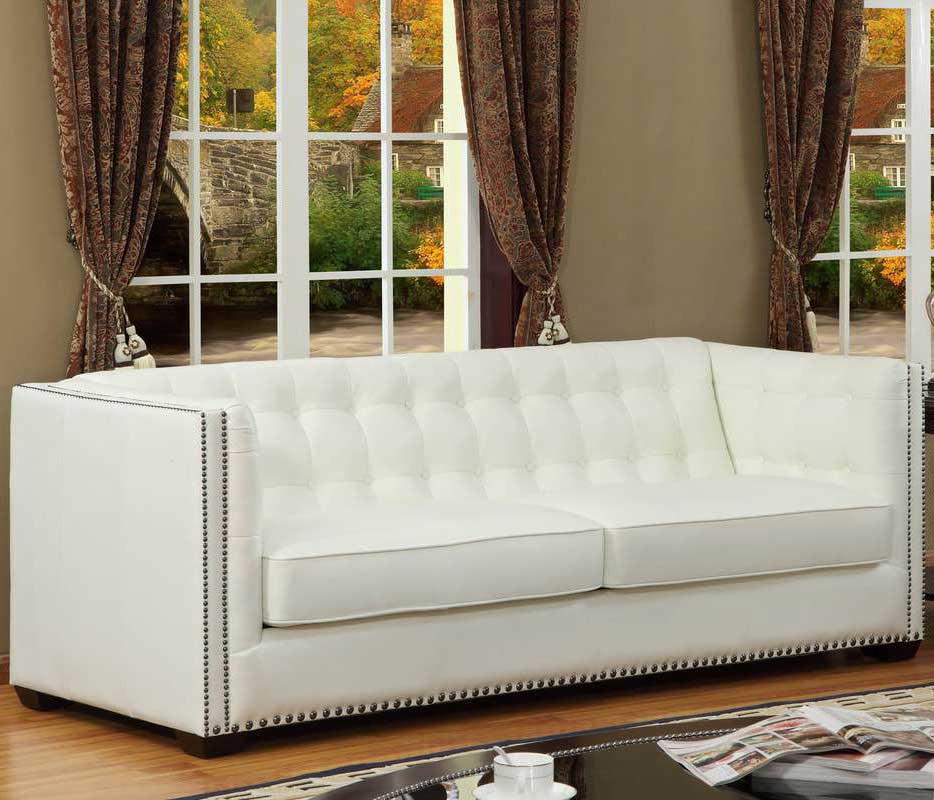
The Chesterfield sofa is one of the few furniture designs that can be recognized across the world in a single glance. Deep button tufting, rolled arms, a tailored silhouette—its identity is so established that people often describe any tufted leather sofa as “a Chesterfield,” even when it isn’t.
That familiarity is also the reason the question keeps coming up:
Are Chesterfield sofas outdated?
The honest answer is nuanced.
Yes—the Chesterfield is a design language created more than 200 years ago, born from a culture of formal sitting, structured clothing, and social etiquette. It was meant to encourage upright posture and keep a gentleman’s suit looking sharp—less slouching, fewer creases, and a composed presence at official events and receptions.
But no—the Chesterfield is not outdated, because what it offers is not a trend. It is an atmosphere. It is a silhouette that brings depth, character, and visual order into a space. And most importantly, the Chesterfield has proven something that only timeless design can prove: it can evolve without losing its identity.
Today, modern living demands a very different relationship with a sofa. We do not sit only for conversation. We lounge. We watch TV for hours. We work from home. We curl up with children. We stretch out on weekends. We treat the sofa as a daybed, a refuge, and a daily ritual.
That is why the relevant question is not whether the Chesterfield is old. It is whether the Chesterfield has been recurated—reinterpreted with modern proportions and modern comfort, while keeping the classic signature that made it iconic.
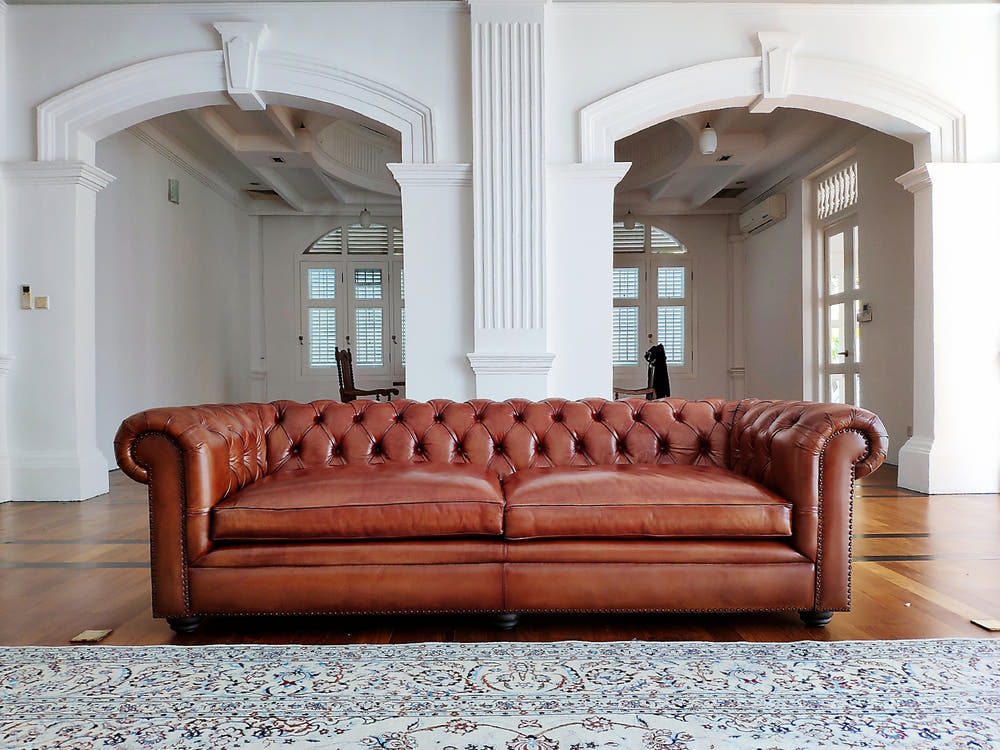
At Locus Habitat, the Chesterfield has been recurated precisely for that reason: to bring a heritage design into contemporary life—sleeker, less visually heavy, deeper in seating, and flexible enough to be used however you like.
This article explains why Chesterfields are not outdated, what makes them feel outdated when done poorly, and how modern Chesterfields—especially those with a sleeker stance and deeper lounge seating—fit naturally into global homes today.
The Chesterfield is over 200 years old—so why does it still appear everywhere?
Many designs age quickly because they are built around a moment: a fashion, a material obsession, or a cultural trend. The Chesterfield is different. It survives because it is grounded in fundamentals that remain relevant:
-
Symmetry and proportion (human beings still respond to balance)
-
Texture and depth (tufting creates shadow and atmosphere)
-
Curved geometry (rolled arms soften hard architectural lines)
-
Presence (it anchors a room without needing constant styling)
In other words, a Chesterfield is not just “furniture.” It is an interior statement—one that works in London and New York, in Singapore and Dubai, in Paris and Tokyo, because it speaks a universal design language: heritage, confidence, and comfort—when designed for modern use.
So if the Chesterfield is still popular globally, why do some people call it outdated?
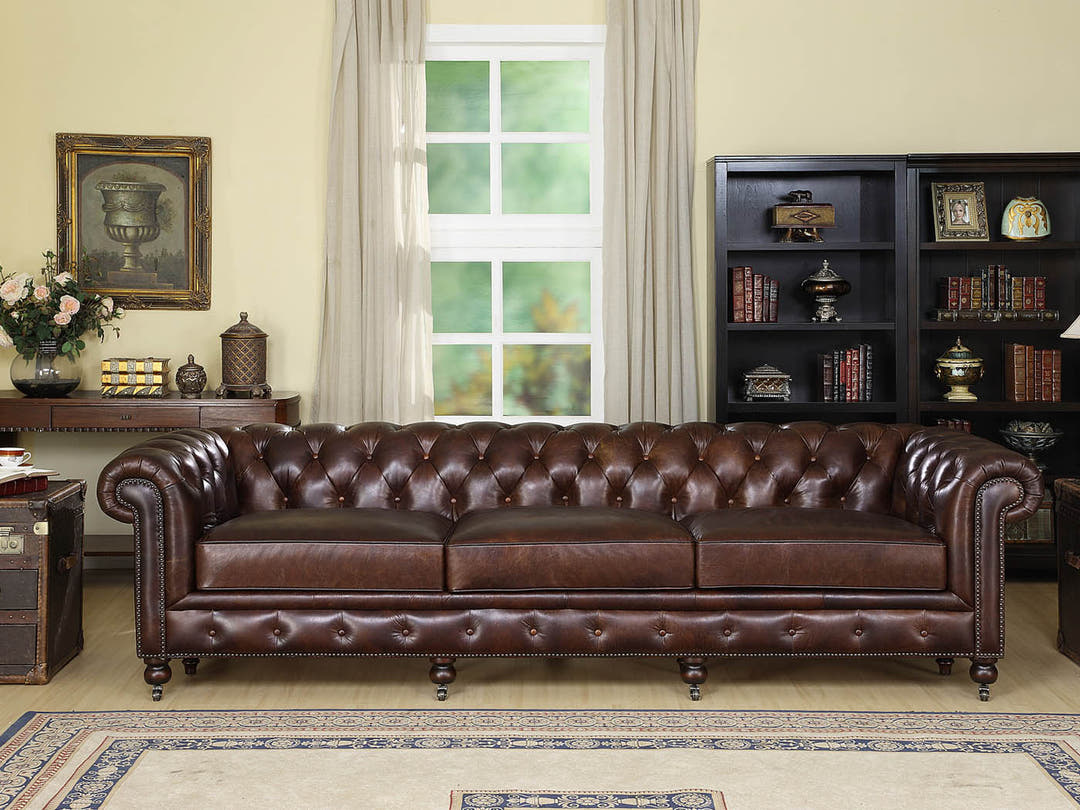
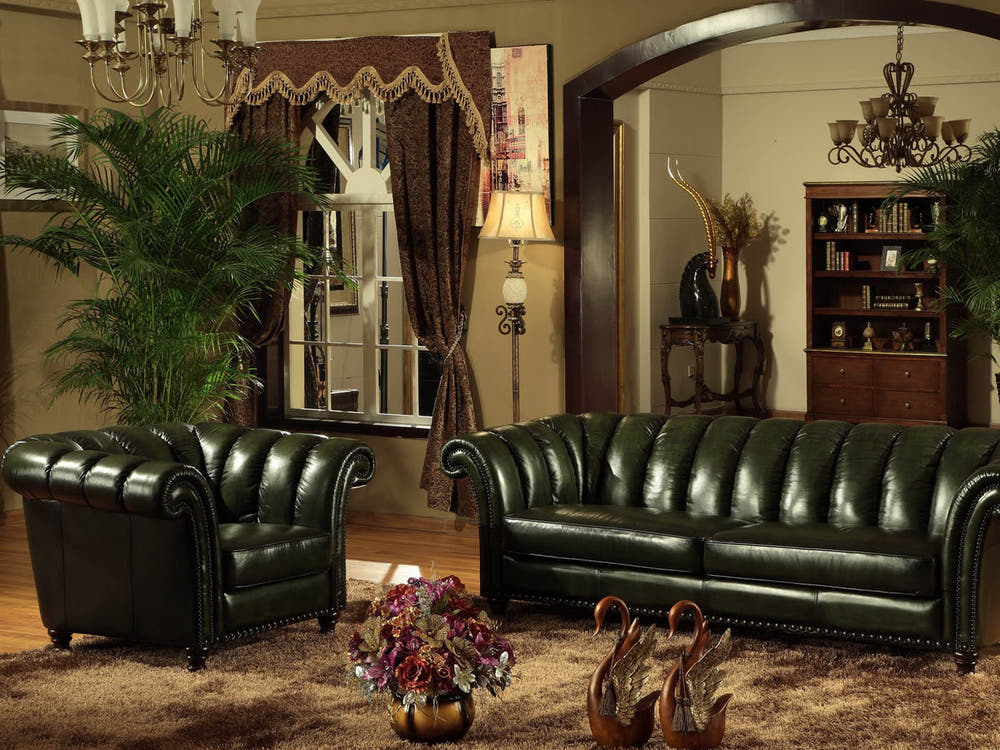
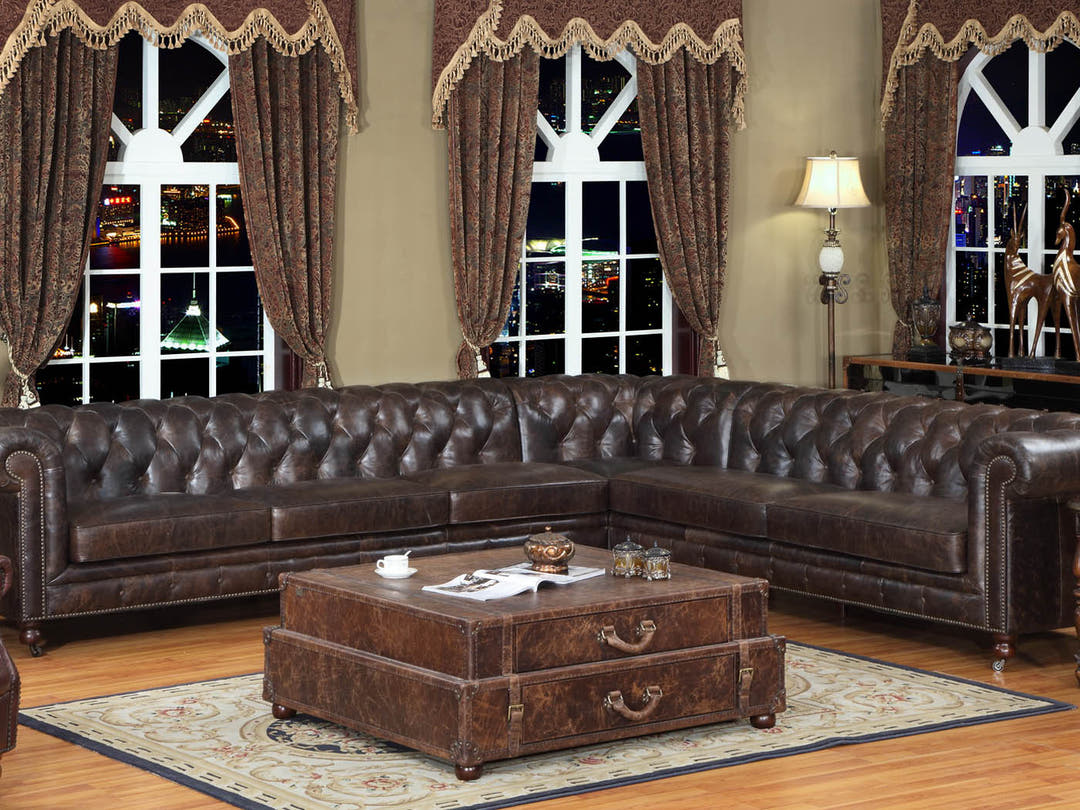
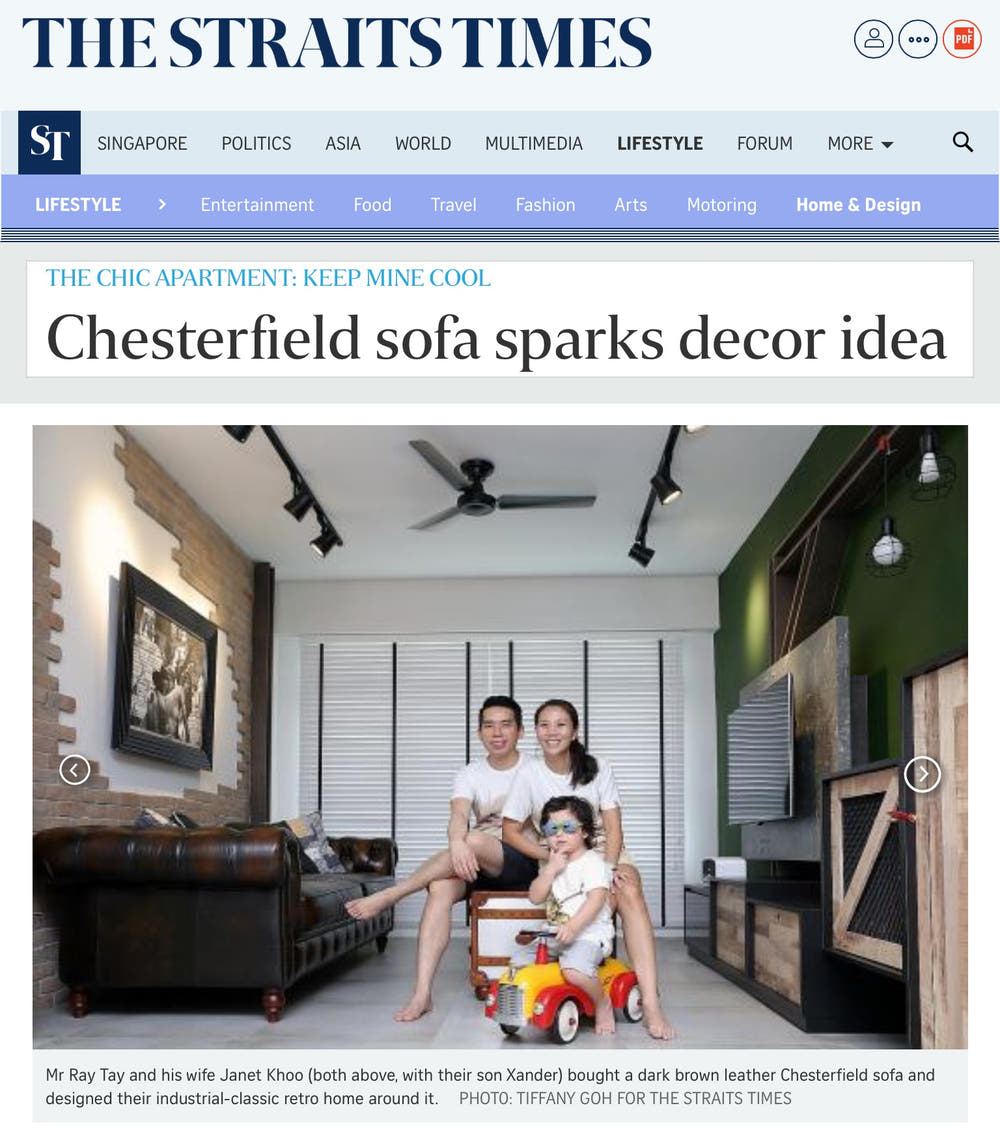
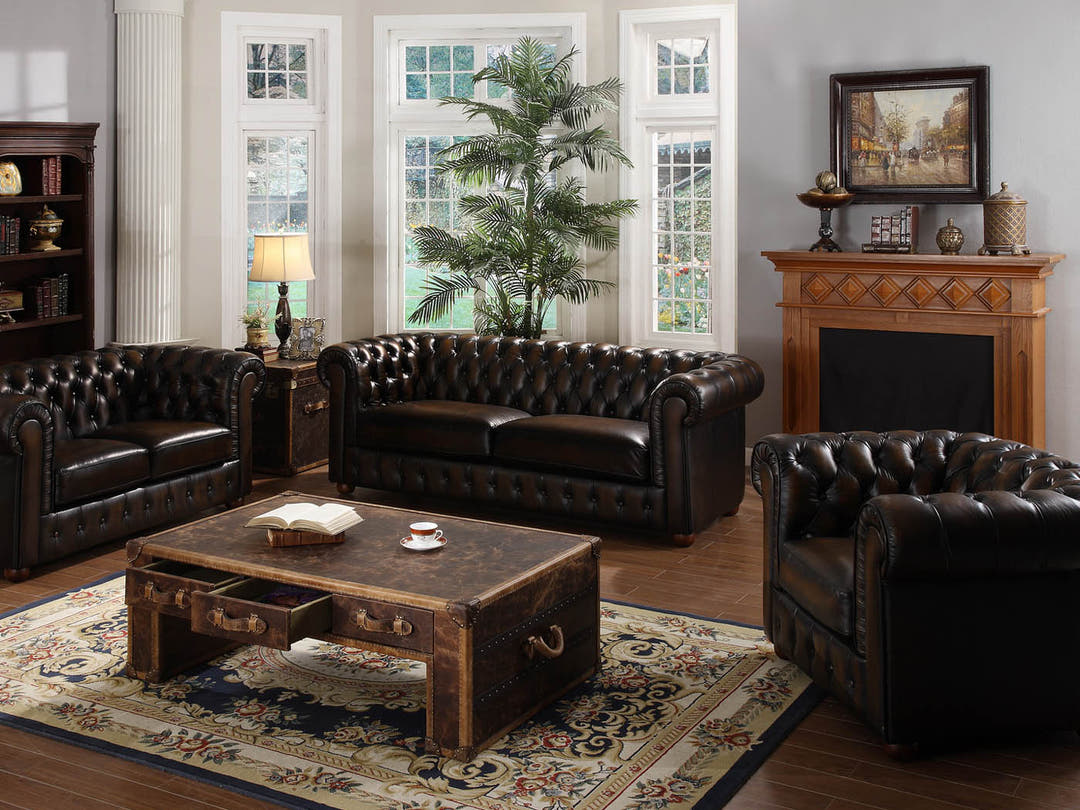
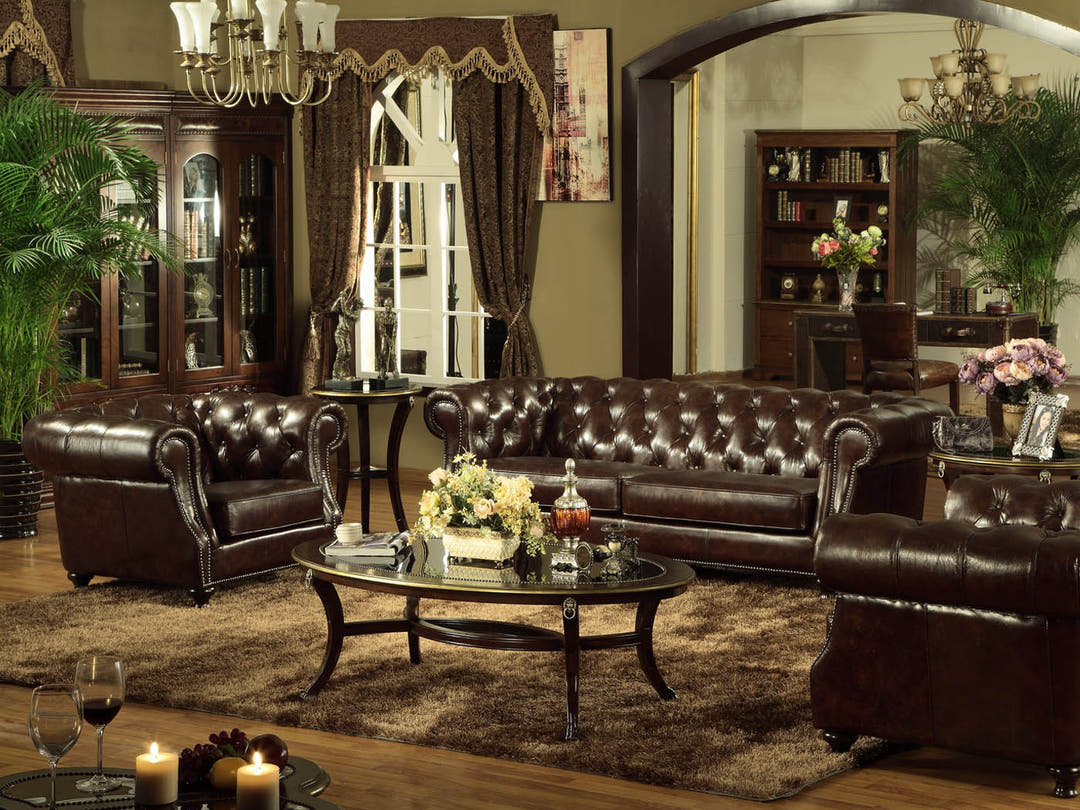
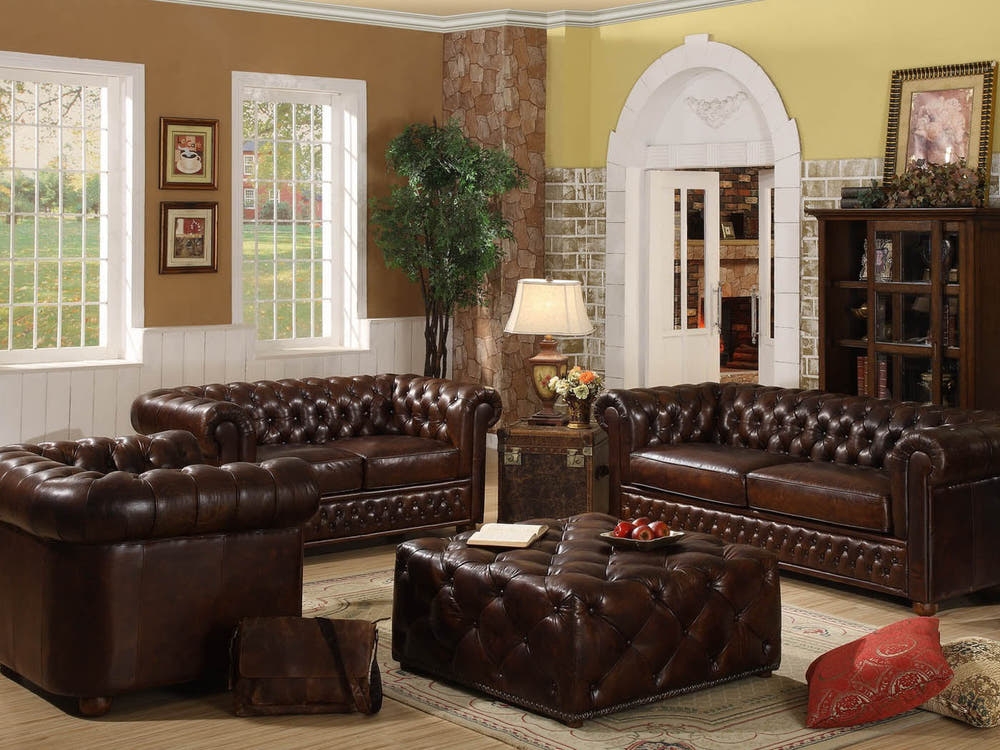
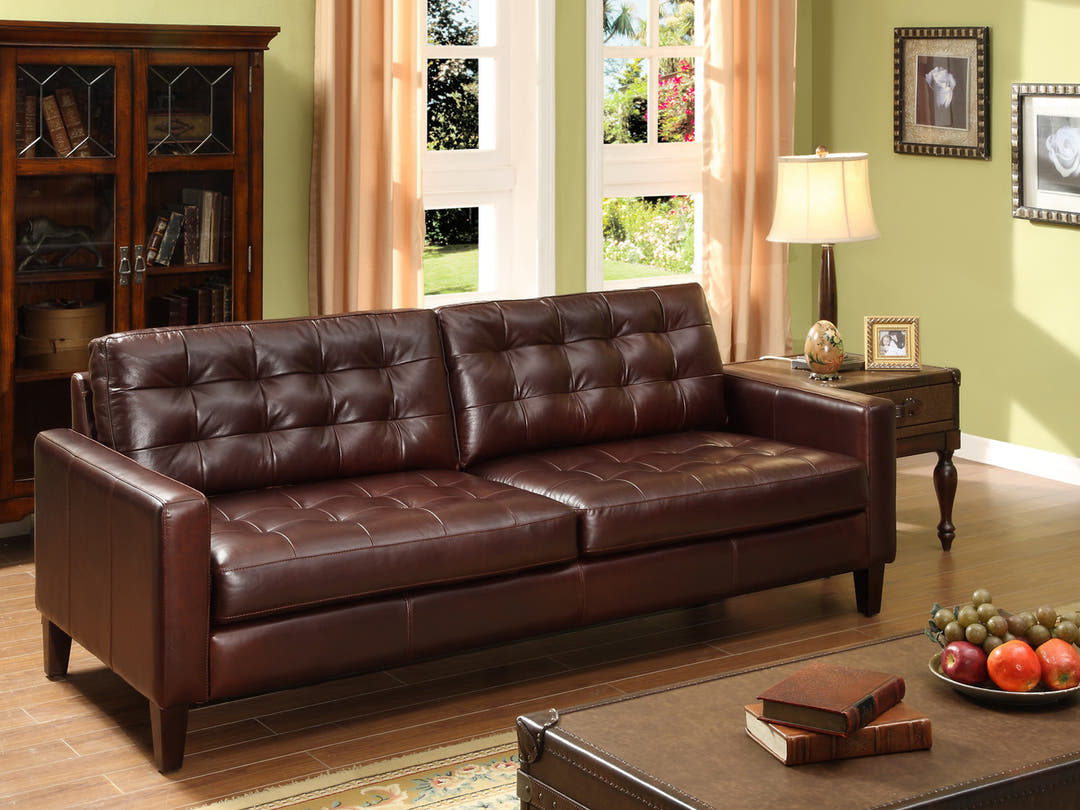
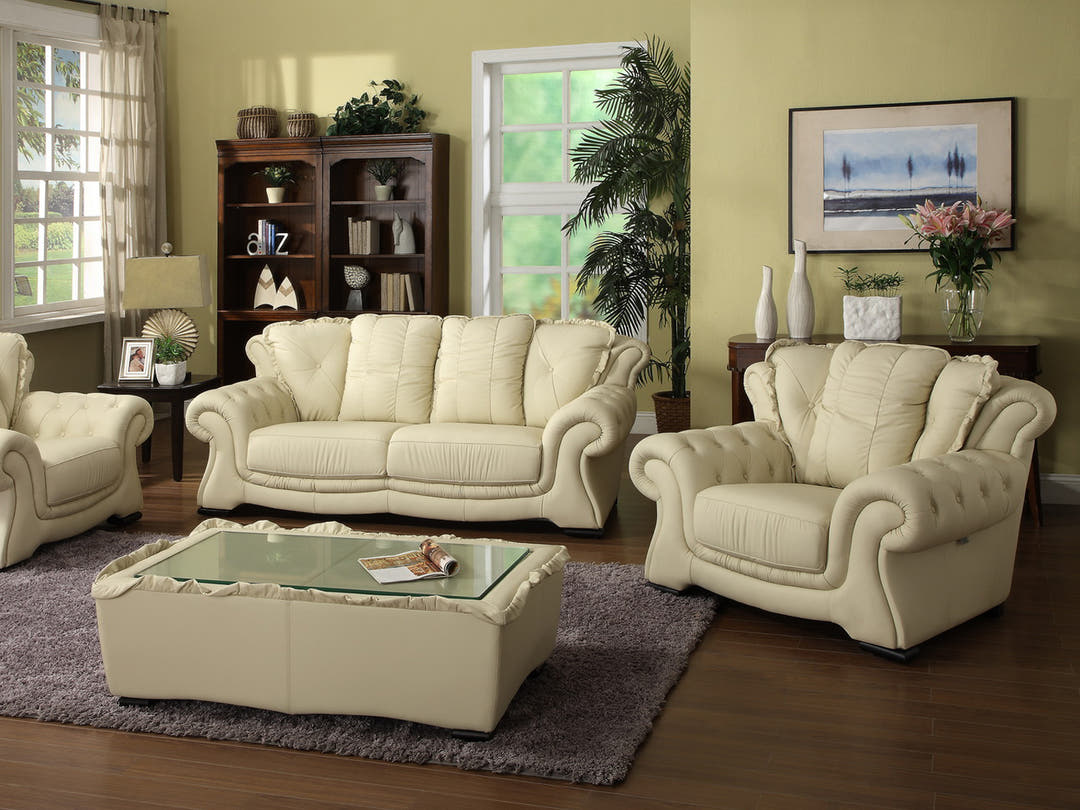
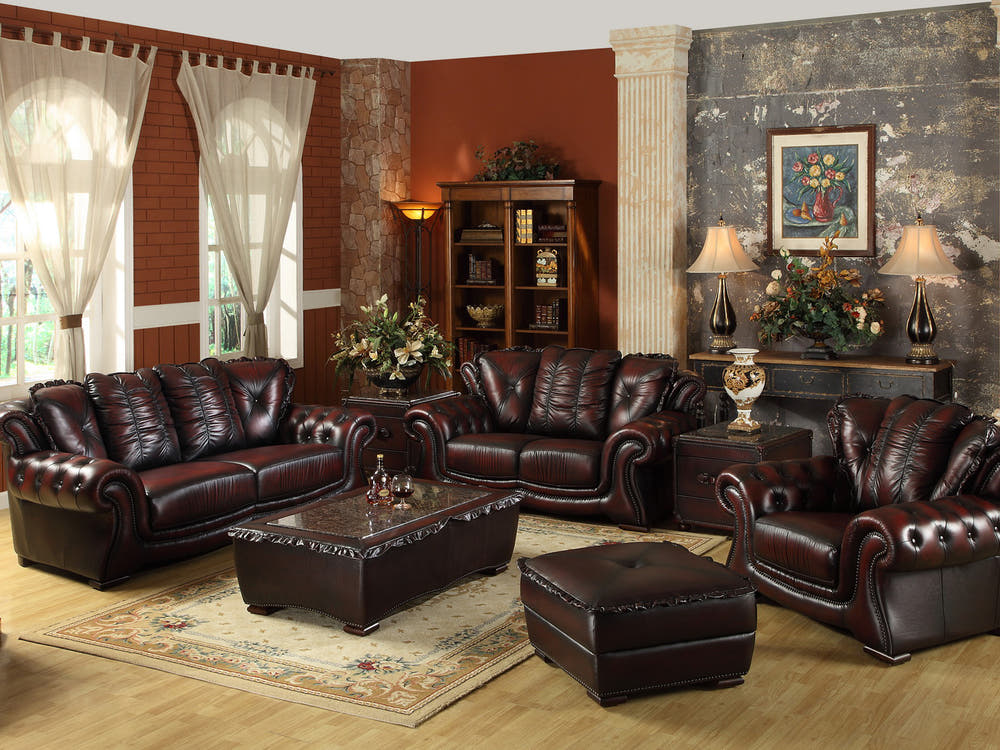
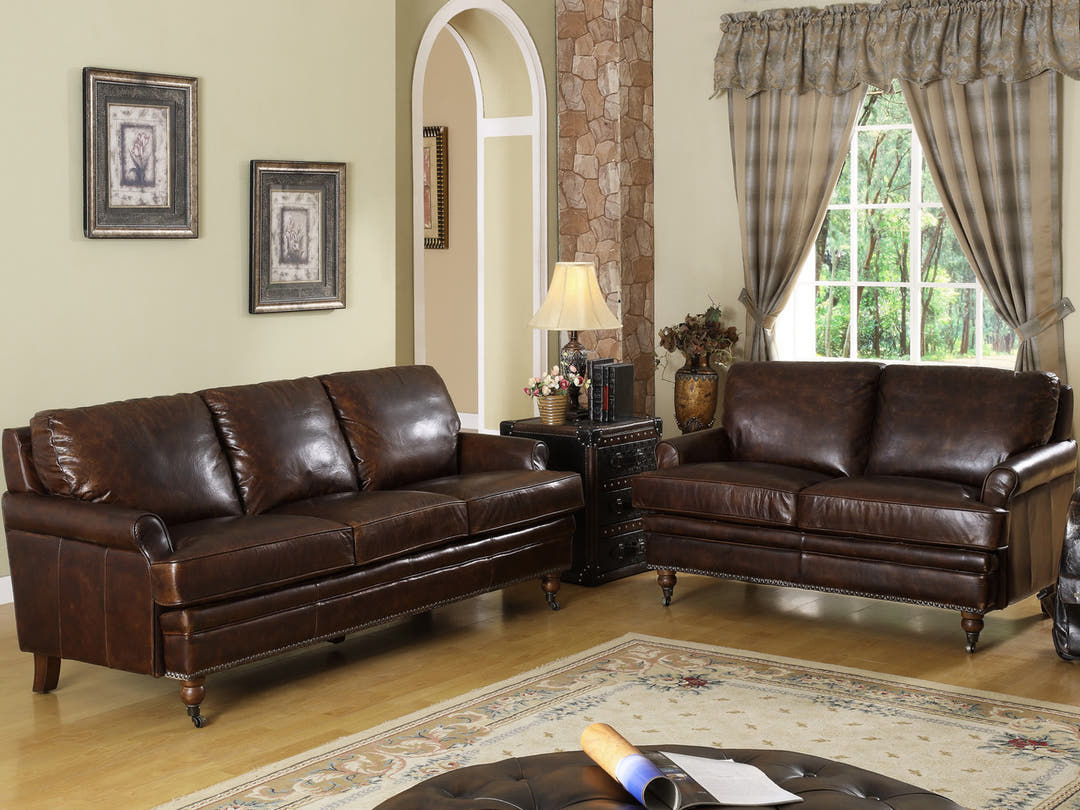
Because many people only see one version of the Chesterfield: the heavy, boxy, overly traditional execution—often dark, glossy, and upright—more suited to a formal office than a modern home.
That version exists. And in the wrong setting, it can indeed feel dated.
But it is not the design that is outdated. It is the proportioning and usage assumption that is outdated.
What makes a Chesterfield feel outdated today?
A Chesterfield feels outdated when it is treated as a museum piece instead of a living object. The “outdated” feeling typically comes from these factors:
1) A heavy, low stance that looks bulky in modern interiors
Traditional Chesterfields can appear visually dense: thick base rails, short legs, and a grounded silhouette that reads as “old-world” especially in small apartments or minimalist homes.
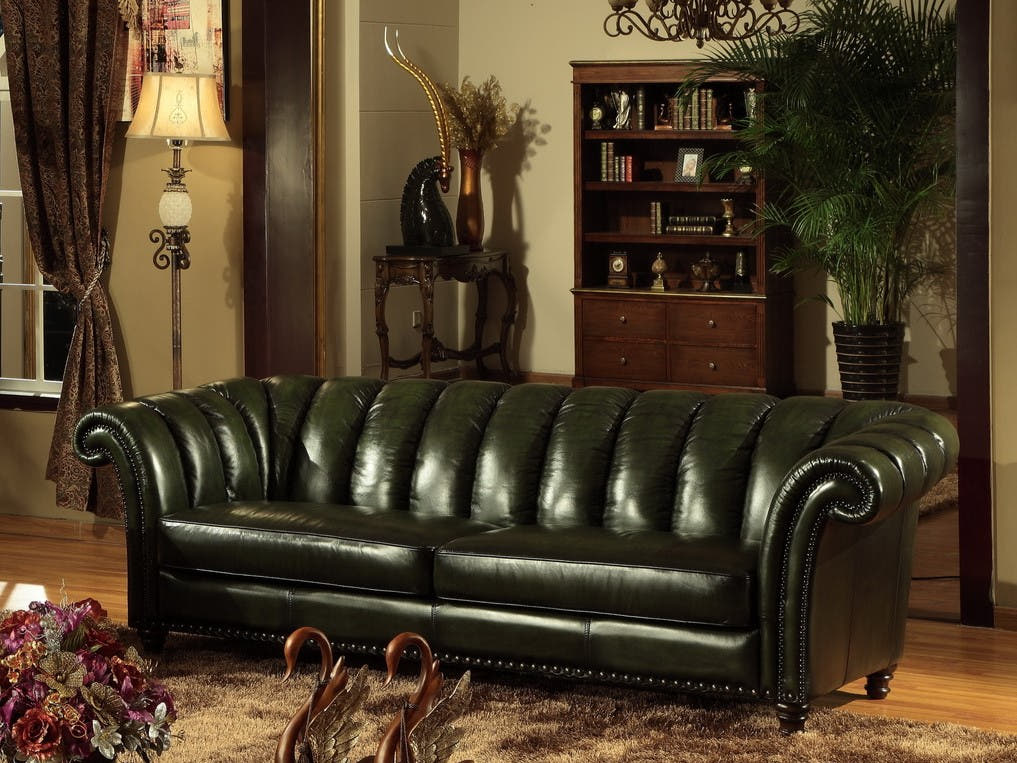
2) An overly glossy or uniform finish
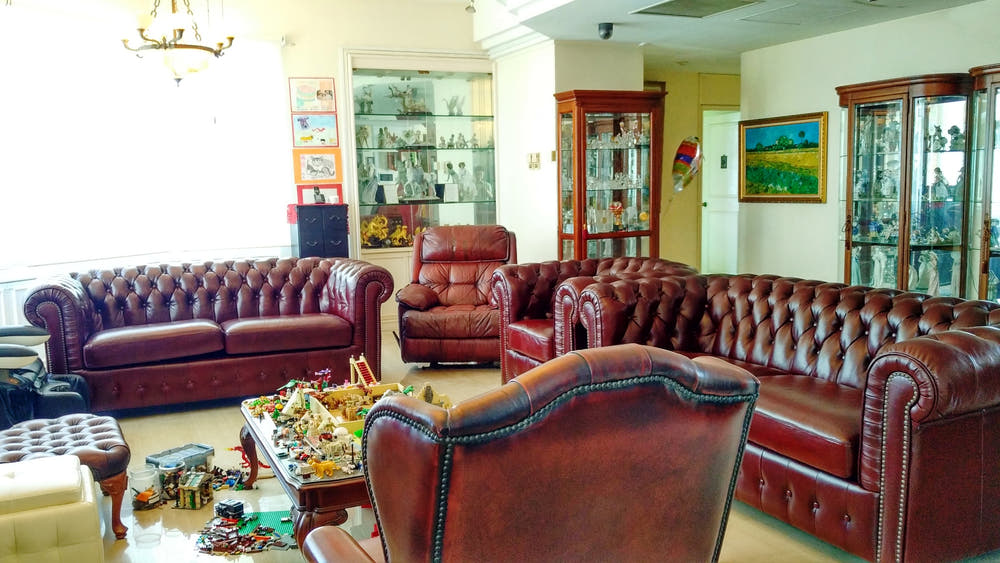
Some mass-market “classic” Chesterfields use shiny, uniform upholstery finishes that look artificial under modern lighting. Instead of warmth, the result can feel theatrical.
3) Formal, upright seating posture only
When a Chesterfield is engineered only for upright sitting—as the original intention—it can conflict with modern lifestyles that prioritize lounging, movie nights, and relaxed postures.
4) Overly traditional styling around it
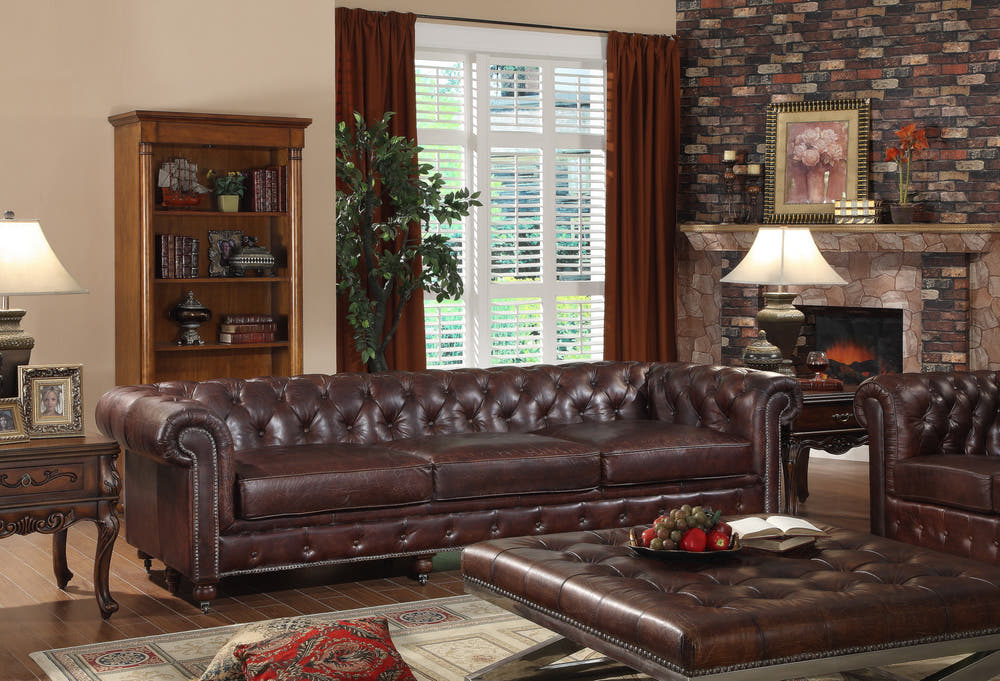
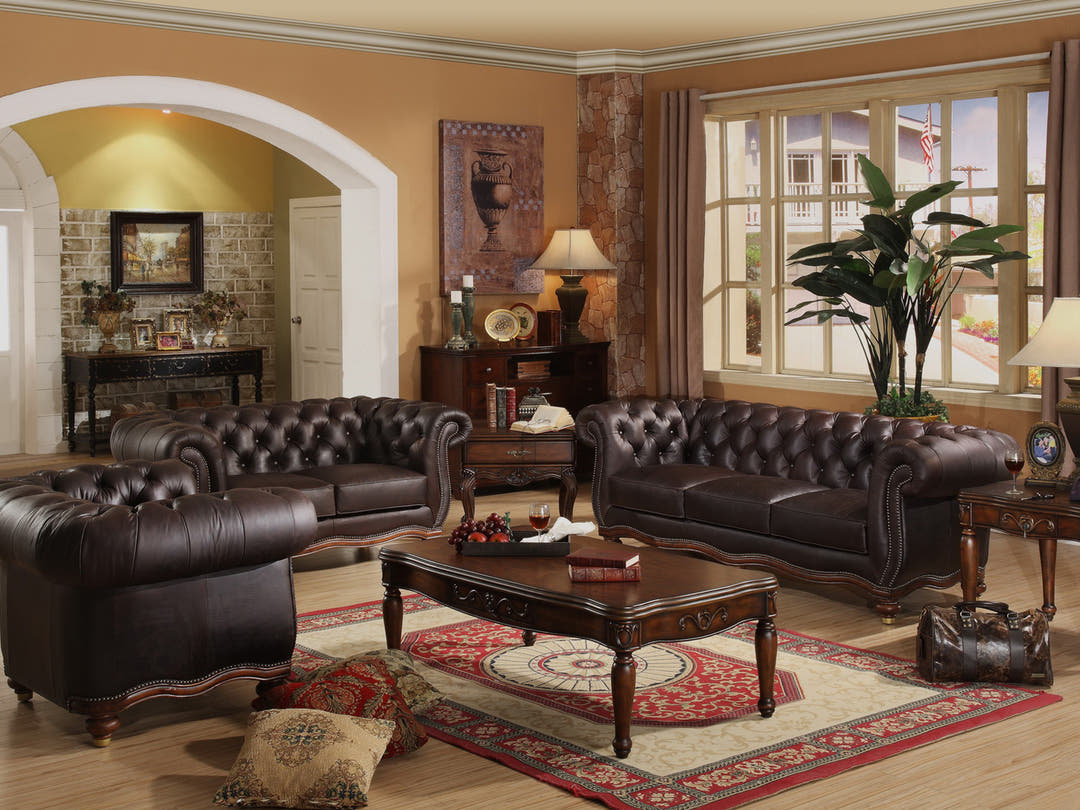
A Chesterfield paired with heavy wood furniture, dark walls, and traditional accessories can lean into the “club” aesthetic. That is not wrong—but it’s not how many people live today.
So the idea that Chesterfields are outdated often comes from seeing them in a single cultural frame: heavy, formal, and rigid.
Modern Chesterfields solve that.
The modern Chesterfield: how a heritage design becomes contemporary
A Chesterfield becomes modern through intentional recuration. This is not about removing everything classic. It is about changing the aspects that feel visually and ergonomically dated—while preserving the iconic cues.
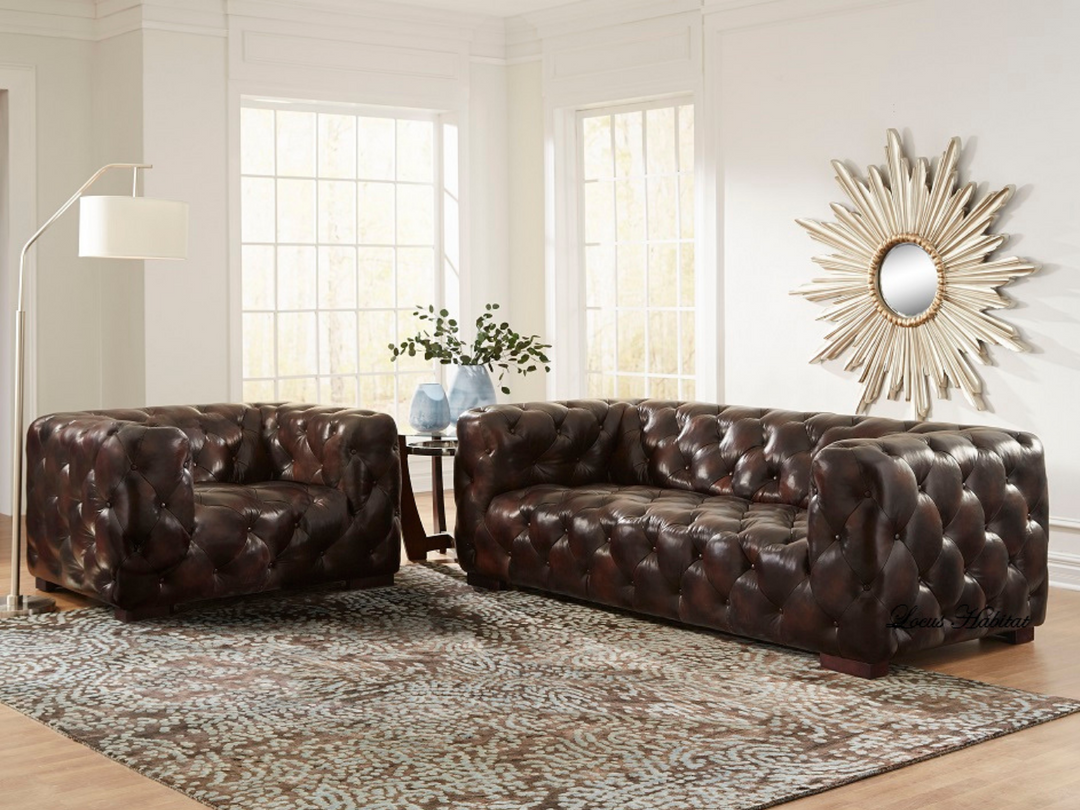
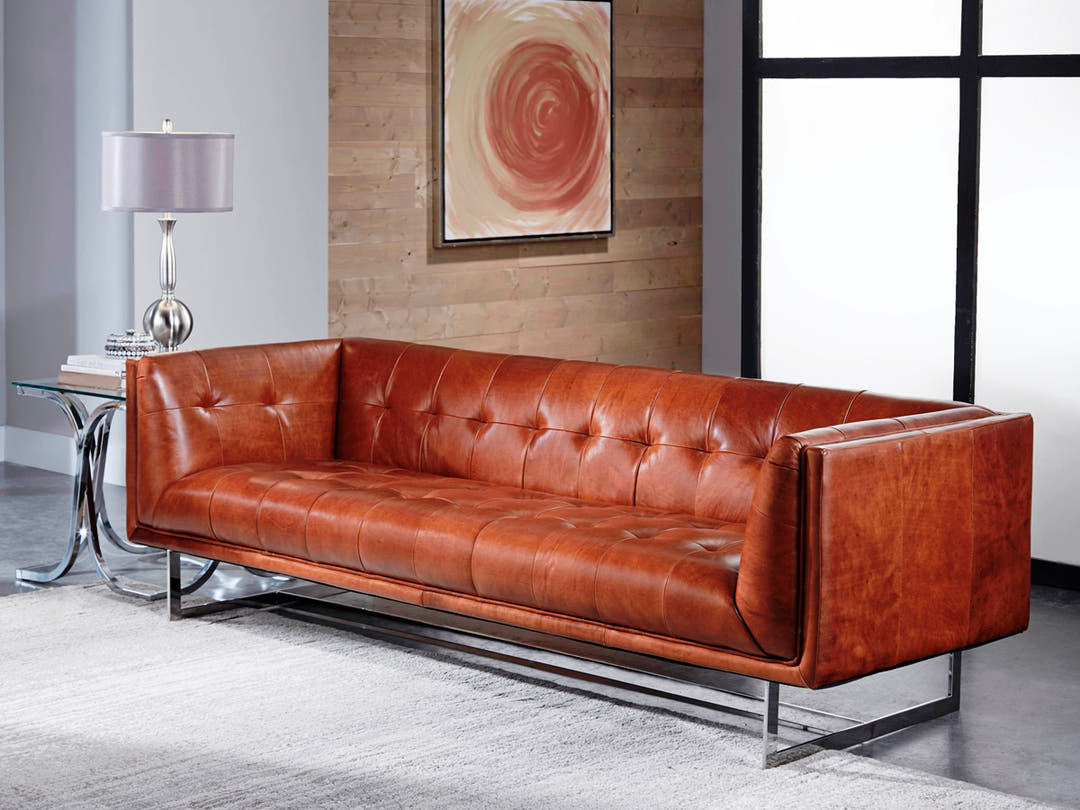
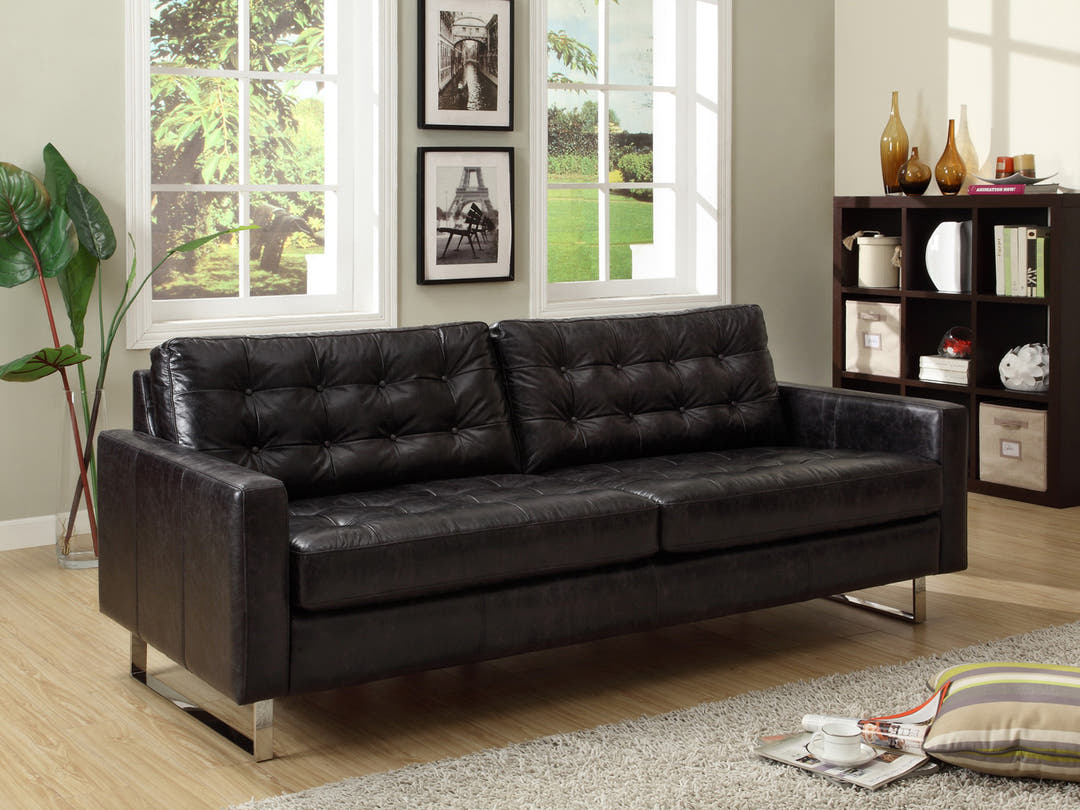
1) Make it sleeker: modern base proportions that remove the “boxy” impression
One of the most transformative changes is the base.
Traditional Chesterfields often sit visually “heavy.” In modern interiors—especially those with open plans, glass, stone, and minimal lines—visual heaviness can feel dated.
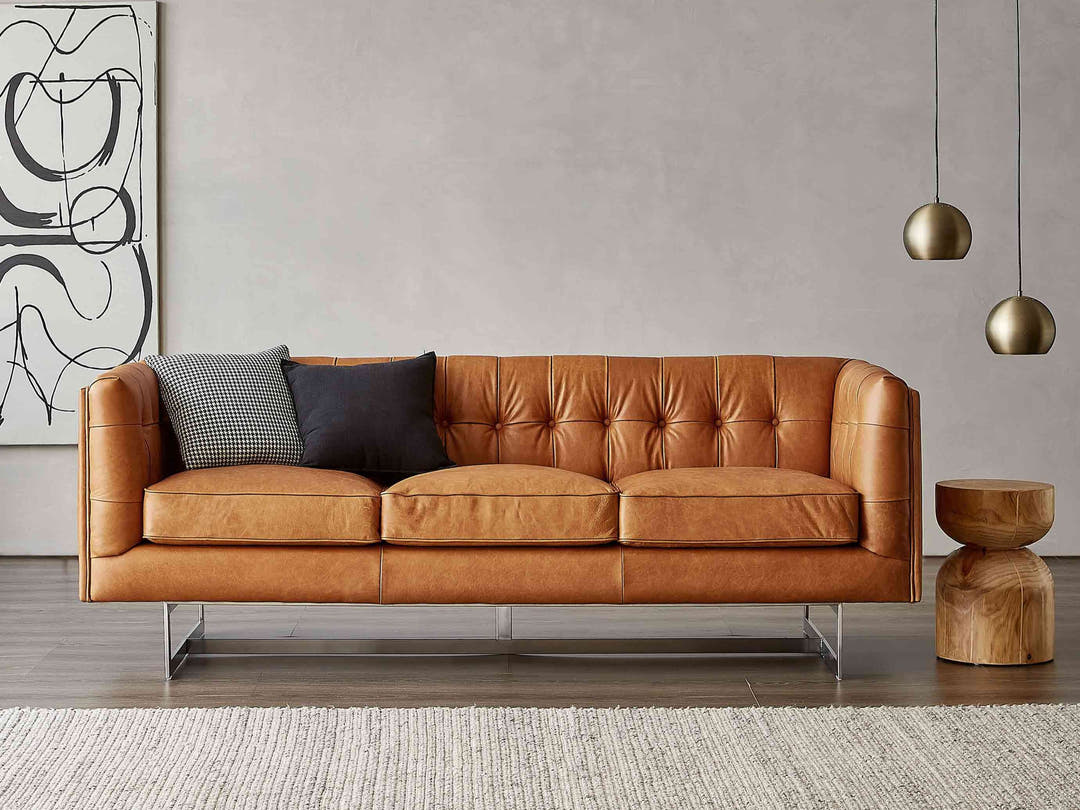
A modern Chesterfield corrects that through sleeker base proportioning, including:
-
More negative space under the sofa (a lighter “float” effect)
-
Refined base rails that look tailored rather than thick
-
More contemporary leg profiles that lift the sofa visually
-
A cleaner underlined silhouette that feels current
This single adjustment changes the entire impression. The Chesterfield remains recognizable, but it no longer reads as bulky or boxy. It reads as curated.
2) Deep seating: convert a formal sofa into a lounge and daybed
The original Chesterfield was designed to discourage slouching and preserve a gentleman’s suit. Modern life asks for the opposite: comfort that adapts to how people actually sit.
That is why deep seating is a key evolution.
With deeper seating, a modern Chesterfield becomes:
-
a true lounge sofa for TV rooms
-
a daybed-style piece for afternoon rests
-
a flexible seating zone where users can sit upright or recline casually
-
a sofa that welcomes cross-legged sitting and curling up
Deep seating changes the Chesterfield from a “presentation sofa” to a “living sofa.”
3) Flexible back support: high cushions without losing the silhouette
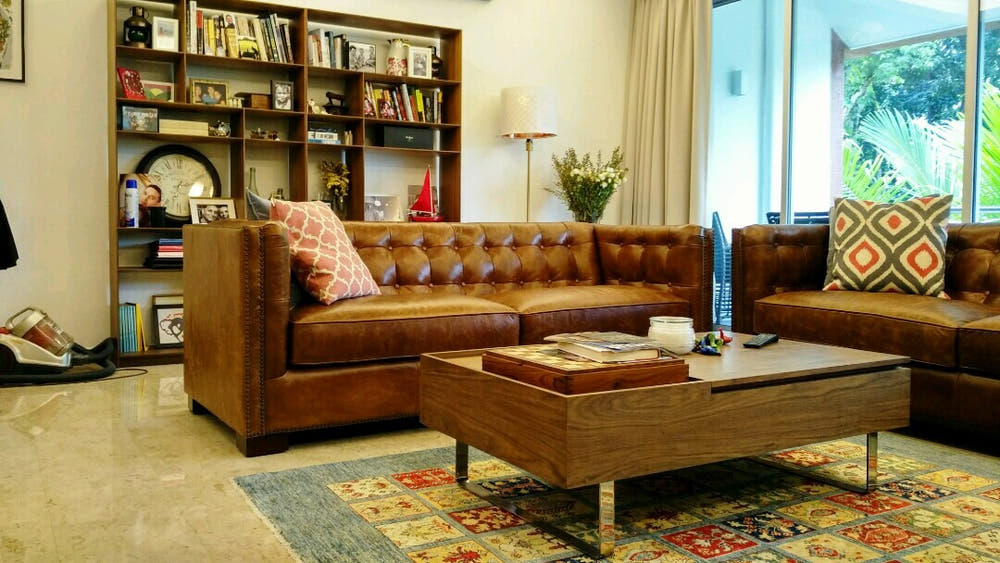
In a deeper Chesterfield, you can place high back cushions behind you to elevate support. This is a simple but powerful modern upgrade: it allows you to tune posture based on mood.
-
Want formal seating? Sit forward with structured support.
-
Want relaxed lounging? Add high cushions and recline.
-
Want daybed mode? Stretch out and treat the sofa like a resting platform.
This versatility is exactly what modern living requires.
4) Preserve the character, refine the expression
Modernizing a Chesterfield is not about erasing history. It is about refining the expression:
-
maintaining the iconic rolled-arm language
-
keeping tufting and texture as a source of ambience
-
tightening proportions so the sofa feels tailored
-
ensuring the design works in modern apartments and contemporary interiors
The result is a sofa that carries heritage without being trapped by it.
Locus Habitat’s approach: recurating the Chesterfield for real life
At Locus Habitat, the Chesterfield is treated as a living design—one that deserves respect for its heritage, but also deserves adaptation for modern use.
Modern living is not a formal event. It is family, rest, entertainment, and daily life. That is why Locus Habitat has recurated the Chesterfield in three practical ways:
1) A sleeker design language: modern without becoming boxy
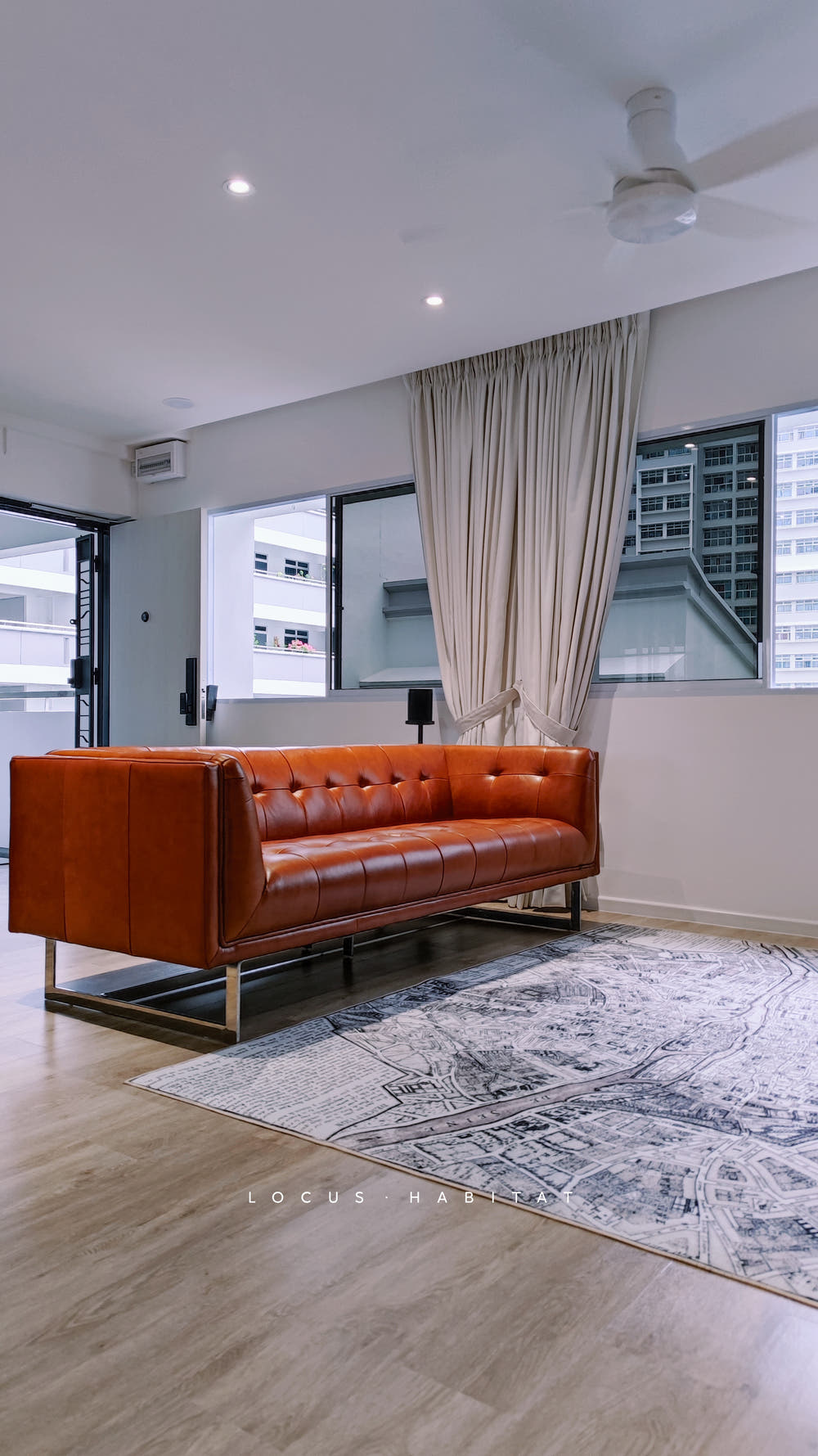
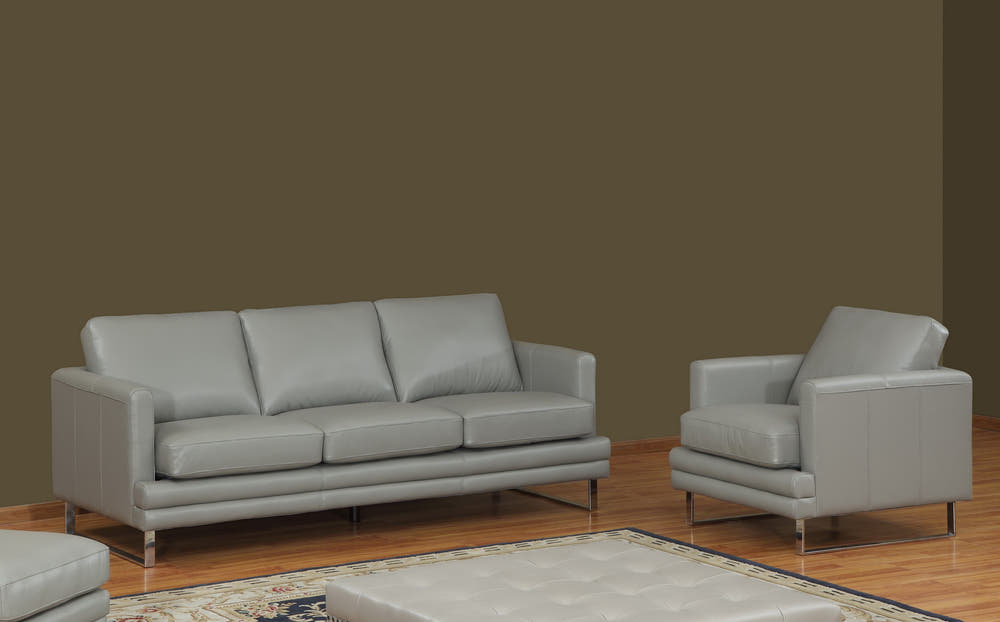
Many modern sofas become boxy by default—straight lines, flat arms, and a generic silhouette. Locus Habitat modernizes the Chesterfield differently: by refining the base, slimming the visual mass, and improving stance so the sofa looks contemporary without losing the Chesterfield identity.
This removes the heavy and boxy impression that makes some Chesterfields feel dated.
2) Curating deep seating for lounge, TV, and daybed use
Locus Habitat has developed modern Chesterfield models that are exceptionally deep, intentionally designed for lounge and TV rooms.
Clients commonly use them as daybeds—stretching out, resting, reading, and treating the sofa as a daily comfort platform rather than a “don’t-slouch” formal seat.
3) Multiple models for different lifestyles
Not everyone lives the same way. Some clients still want a formal Chesterfield for reception areas and composed sitting. Others want relaxed posture, deep seats, and maximum lounge comfort.
By creating various models—from formal to relaxed—the Chesterfield becomes a style you can choose according to your lifestyle rather than a rigid historical posture rule.
In other words: at Locus Habitat, you can always find one that suits how you actually live.
How to style a modern Chesterfield so it never looks outdated
If you want a Chesterfield to feel contemporary, styling is as important as silhouette.
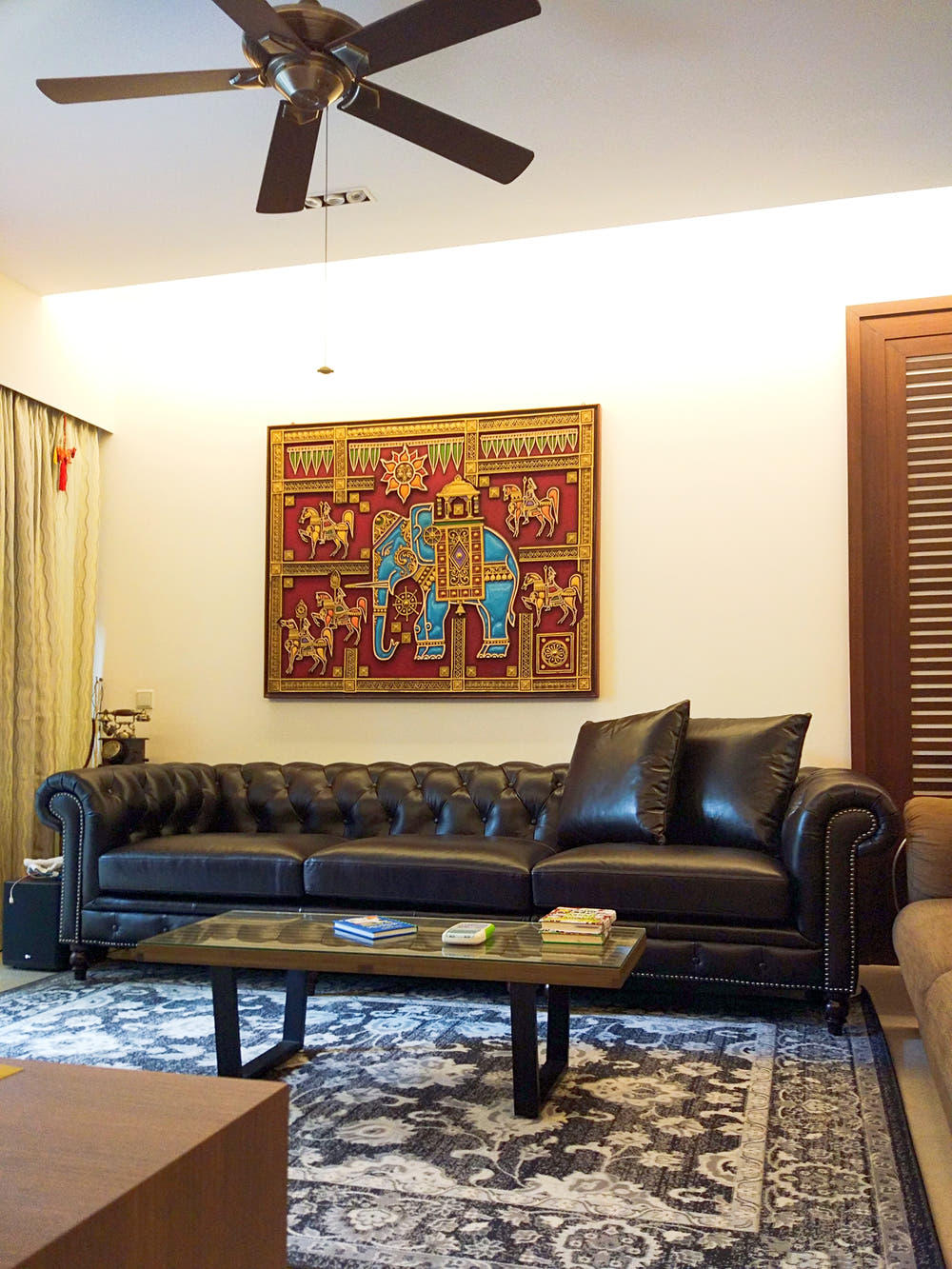
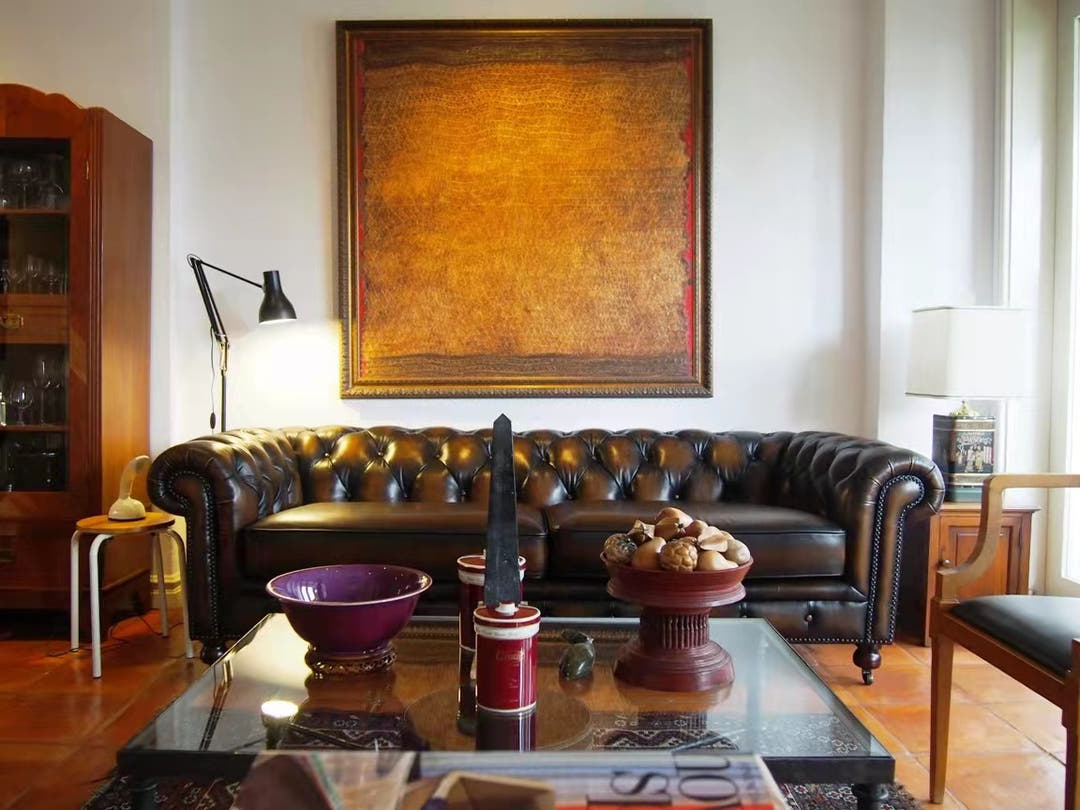
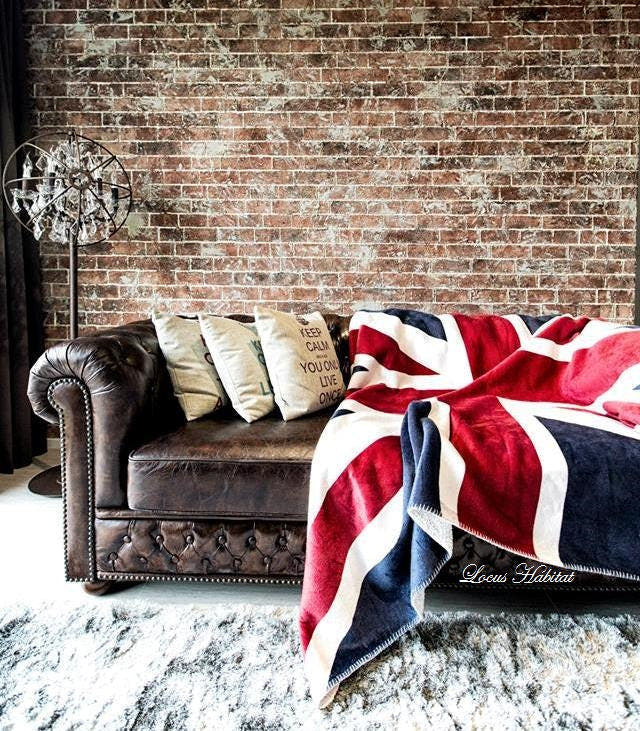
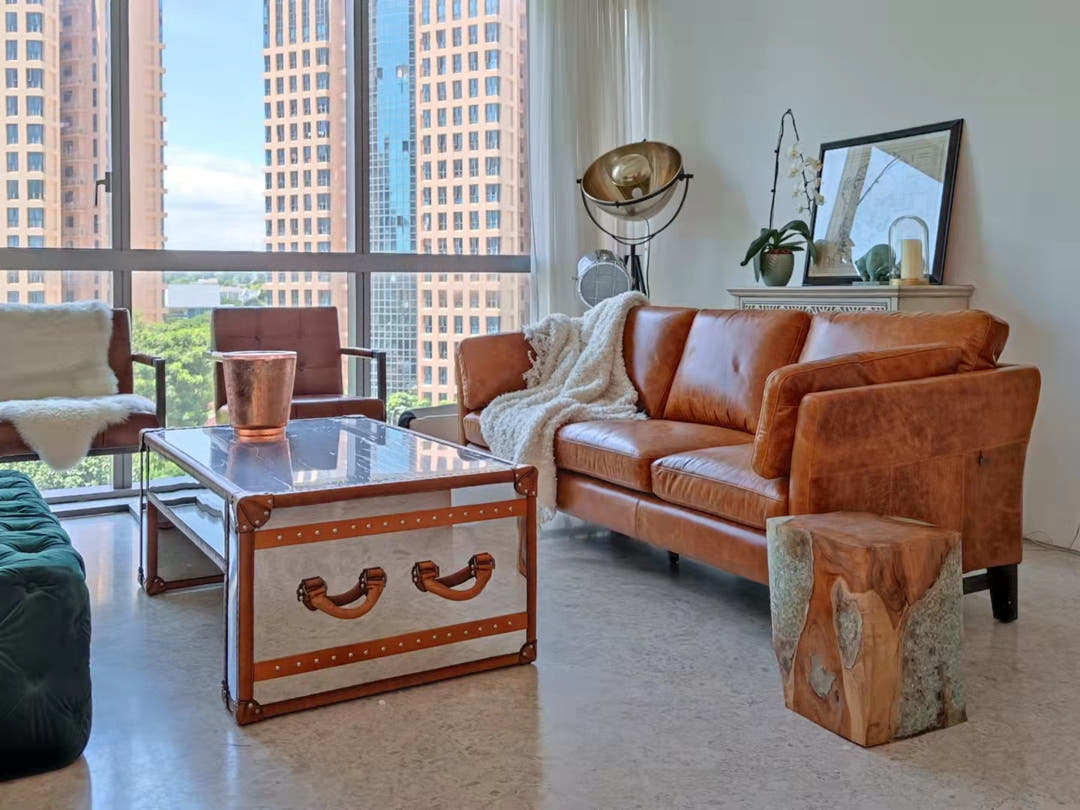
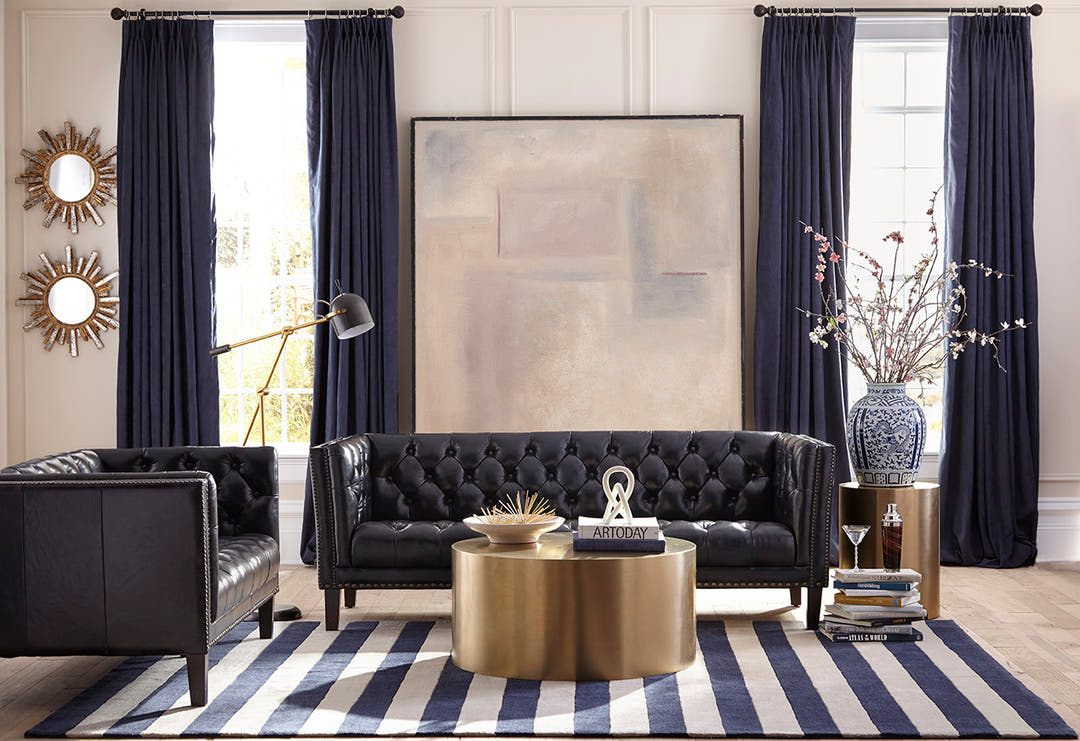
Pair it with clean, modern elements
-
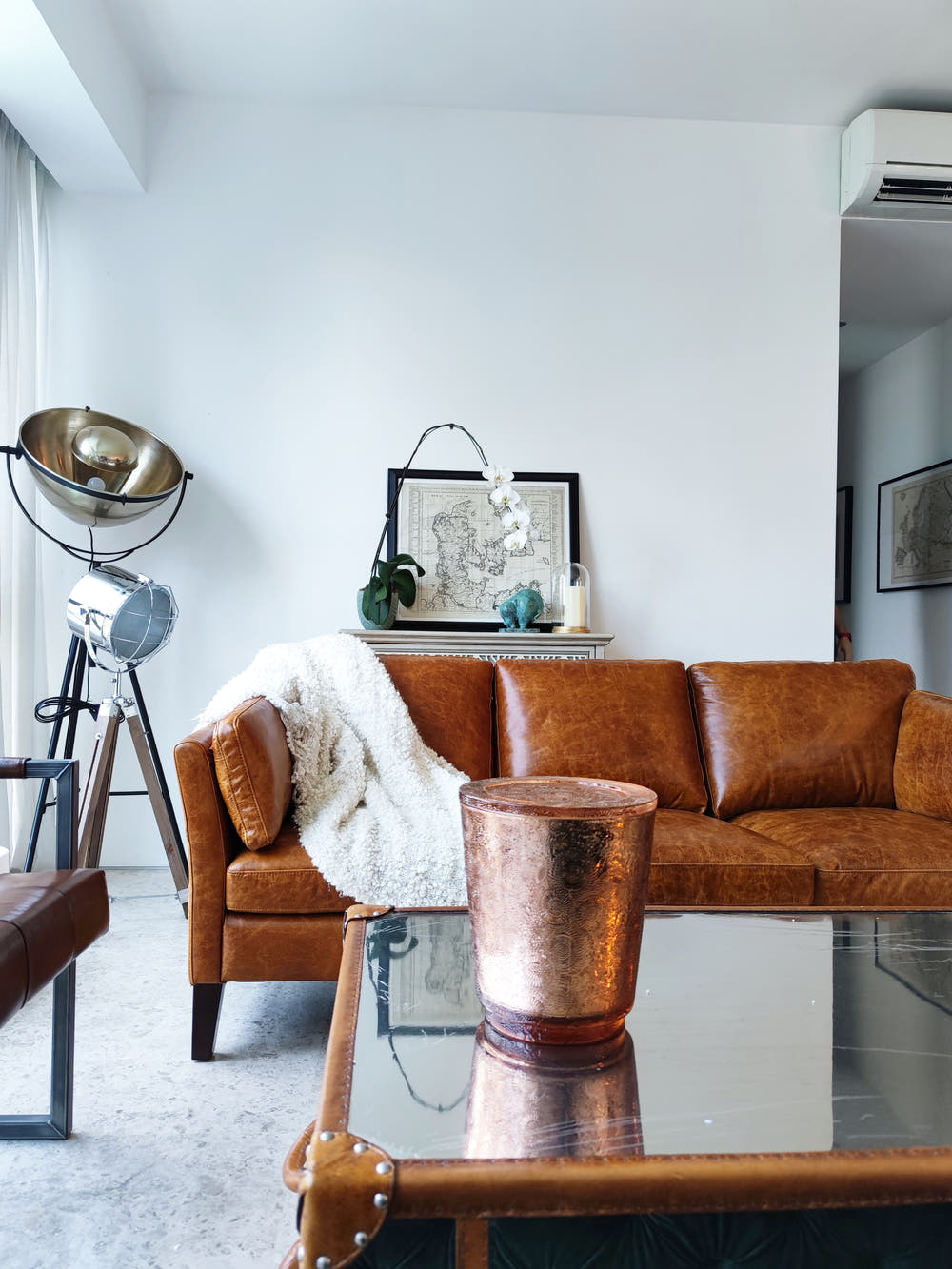
minimalist coffee tables (stone, glass, slim metal frames)
-
modern floor lamps with warm lighting
-
large-format art rather than many small traditional frames
Use texture, not clutter
A Chesterfield already has texture through tufting and curves. Keep the rest of the room edited. Let the sofa be the focal point.
Choose a color tone that fits modern palettes
Modern Chesterfields look exceptional in:
-
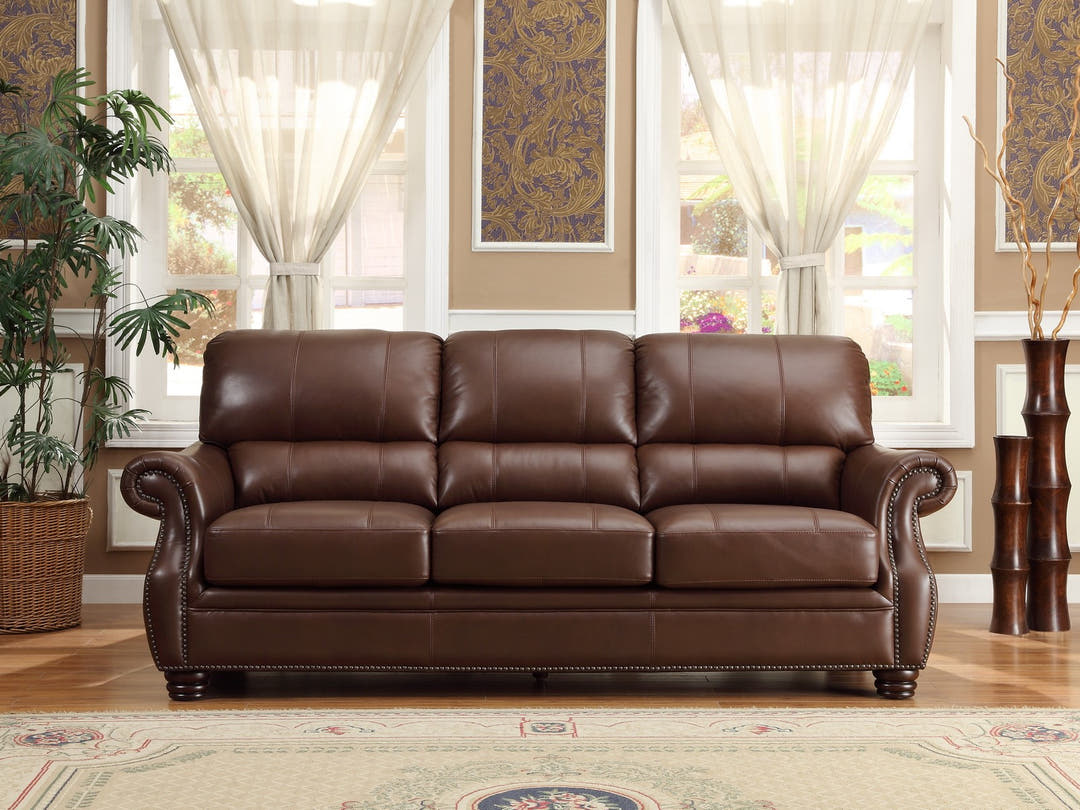
warm tans and chestnuts
-
muted browns and tobacco tones
-
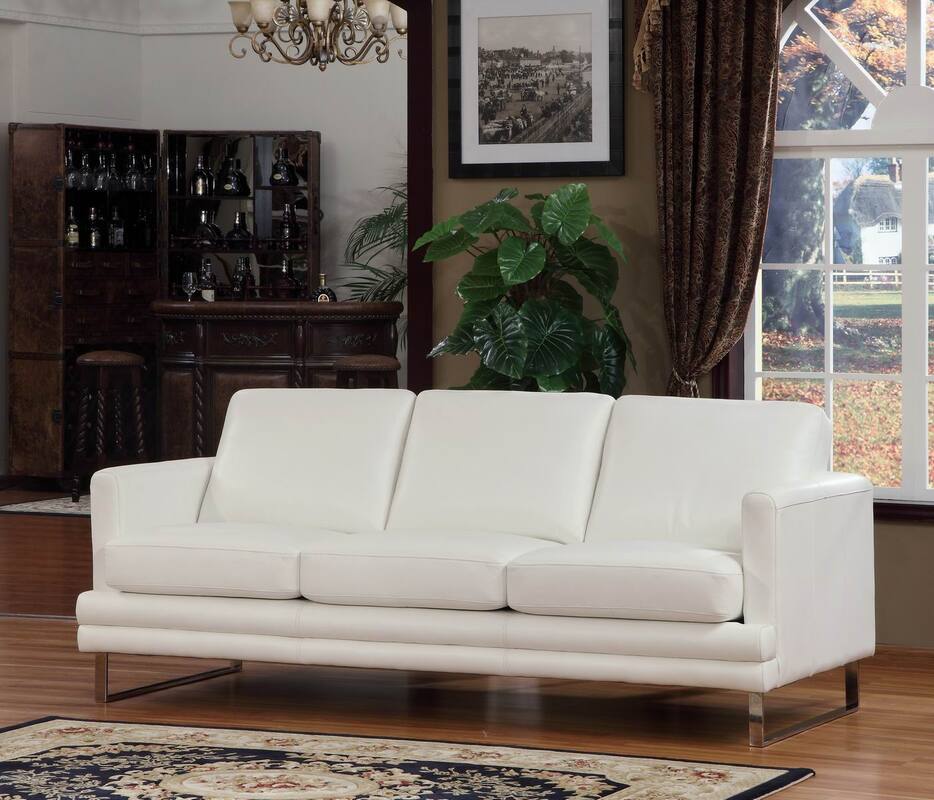
modern neutrals (grey-browns, earthy beiges)
-
deep greens or navy in fabric variants
Avoid overly shiny finishes if you want a modern feel; matte and natural textures generally read more contemporary.
So—are Chesterfield sofas outdated?
A Chesterfield sofa is over 200 years old. That is a fact.
But “outdated” is not about age. It is about relevance.
A design becomes outdated when it cannot support modern life. The Chesterfield remains relevant because it can be recurated:
-
sleeker base proportions remove the heavy, boxy impression
-
deep seating transforms posture from rigid to relaxed
-
modern configurations allow lounge and daybed use
-
cushion strategies elevate back support for long, casual living
When executed thoughtfully, a modern Chesterfield does something few trends can do: it adds character to a room without being loud, and it becomes more enjoyable the more you live with it.
In that sense, the Chesterfield is not outdated.
It is timeless—because it evolves.