


How to Make Your Home Look Curated: Negative Space + Chesterfield Sofa & Executive Chair Tips

The most overlooked design move that makes a home feel curated
Most people decorate by adding: a new rug, another side table, more wall art, one more “finishing touch.” Designers often do the opposite. They deliberately protect negative space—the open area around furniture, the clear stretches of wall, the breathing room between objects—because that’s what makes a room feel intentional rather than crowded.
Negative space doesn’t mean minimalism or emptiness. It means control: creating pauses for the eye, improving flow, and letting your best pieces read clearly at a glance—whether that’s a sculptural console, a gallery-worthy artwork, a chesterfield sofa, or a statement executive chair.
What is negative space (and why it works so fast)?
In simple terms, negative space is the unfilled portion of a room—blank wall, open floor, uncluttered surfaces, and the space between objects.
Why it works:
-
It creates visual hierarchy. Your eye lands on what matters, not on clutter competing for attention.
-
It makes craftsmanship visible. When a piece has room, you notice silhouette, texture, joinery, and materials (especially leather).
-
It improves livability. Clear circulation paths make spaces feel calmer and function better day-to-day.
-
It makes rooms feel larger. Counterintuitively, leaving space open often reads as “more spacious” than filling every corner.
Think of it like music: the silence between notes is what makes the composition sing. That same “pause” is what makes interiors feel curated.
The curated-home rule: “Edit more than you accessorize”
If you want the quickest transformation, adopt this operating system:
-
Choose a hero piece (one per zone)
-
Give it breathing room (space around it, not just “near it”)
-
Reduce supporting items until the hero reads instantly
-
Use light + blank areas to frame the hero
This is exactly how designers create a home that feels collected-but-not-chaotic: the room becomes considered, not accumulated.
Room-by-room: how to use negative space without making your home feel “empty”
1) Entryway: create a clean “arrival moment”
A curated home starts at the threshold. The entry is where negative space is most powerful because clutter shows immediately.
Do this:
-
Use one anchor piece: a console or slim bench.
-
Keep the wall above it intentionally quiet: one artwork or one mirror, not five smaller pieces (unless you’re doing a very deliberate gallery).
-
Leave at least one clear surface area for keys/mail—don’t cover every inch with decor.
Photo placement suggestion:
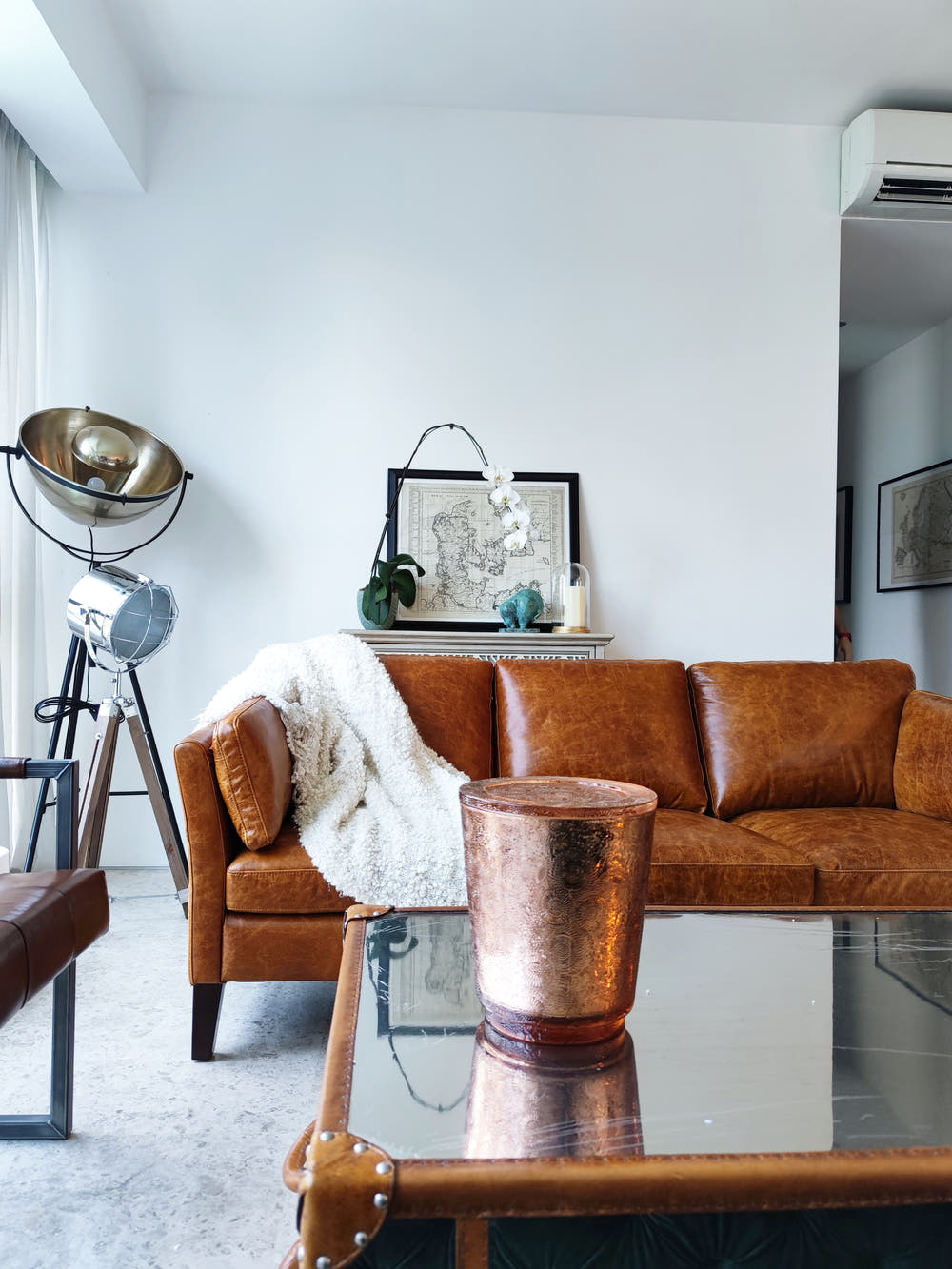
Image 1 (near intro): A calm entryway with a console and breathing space on the wall. (Similar mood to the Homes & Gardens article imagery.)
Alt text: “Entryway with negative space for a curated look”
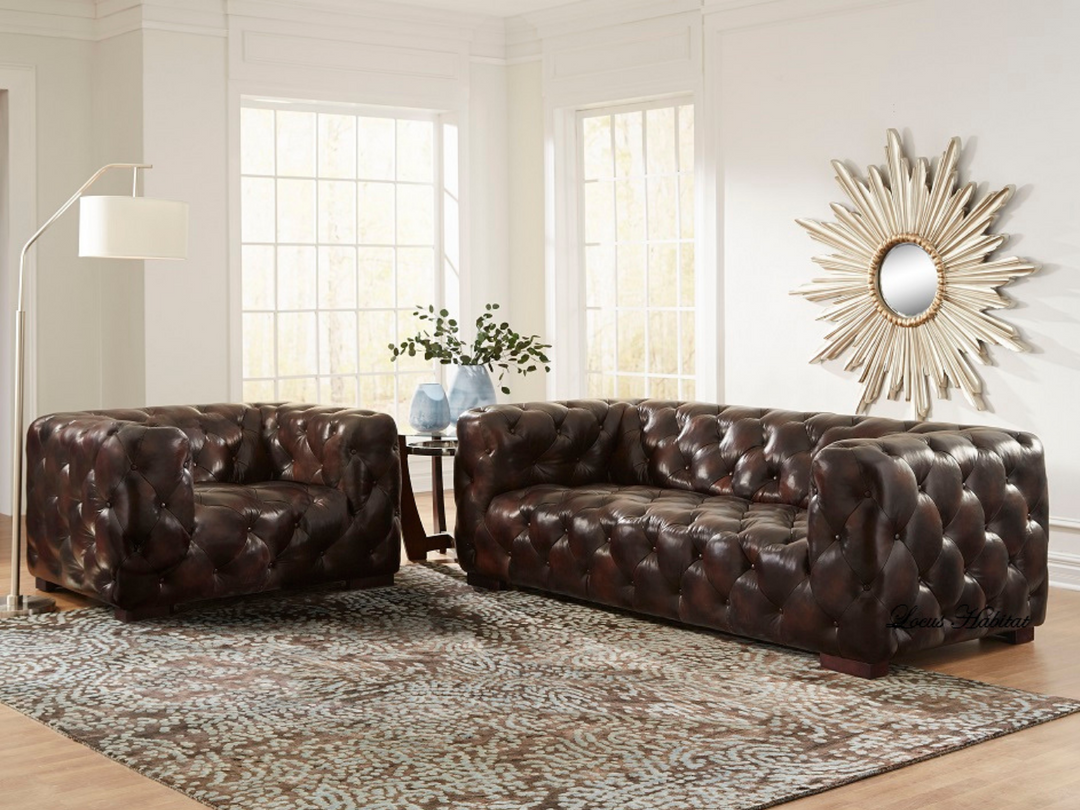
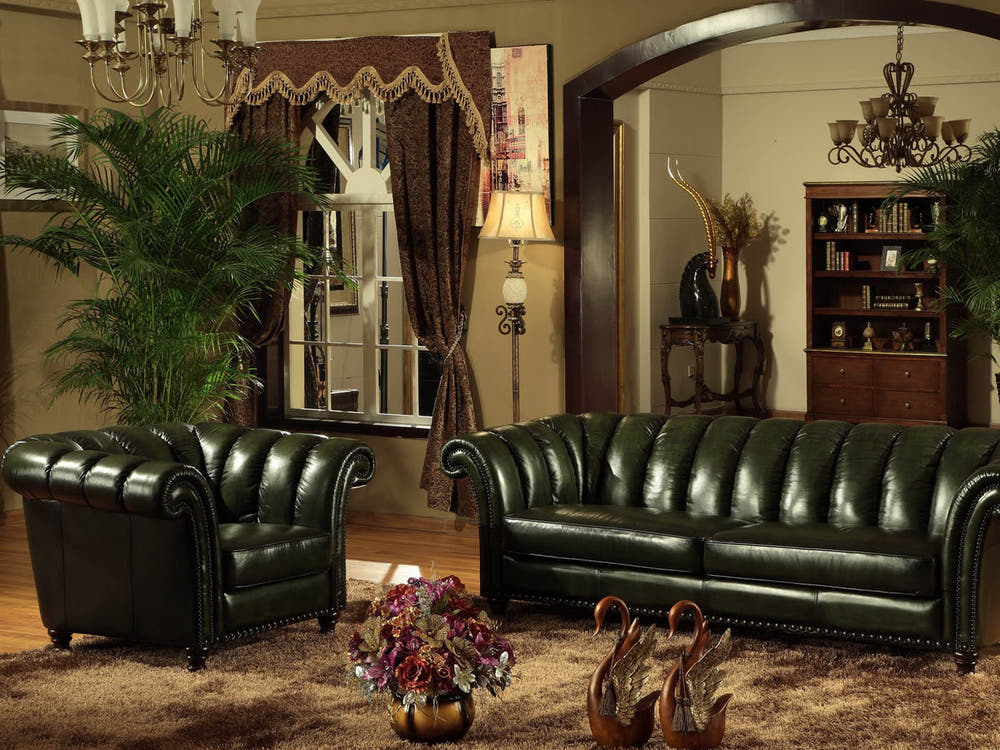
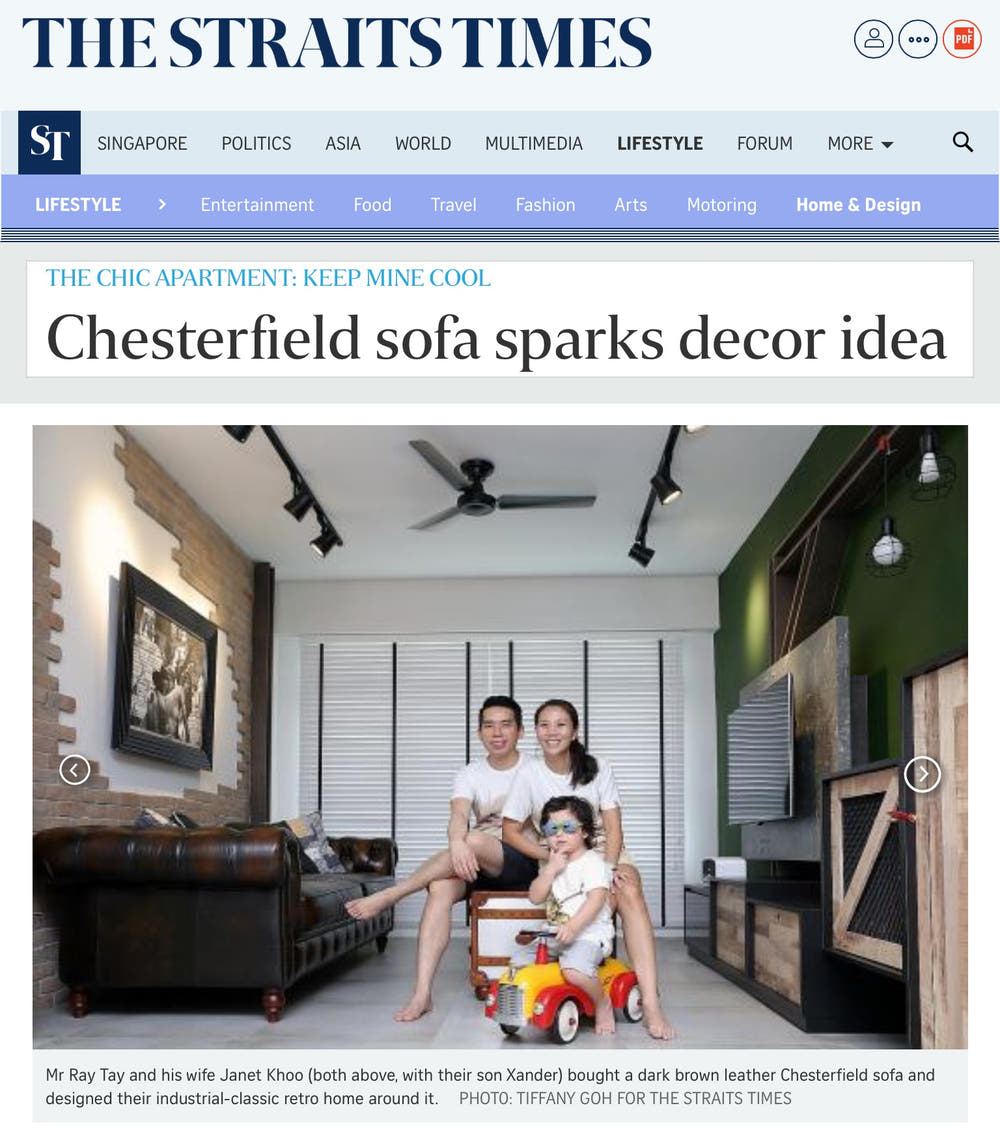
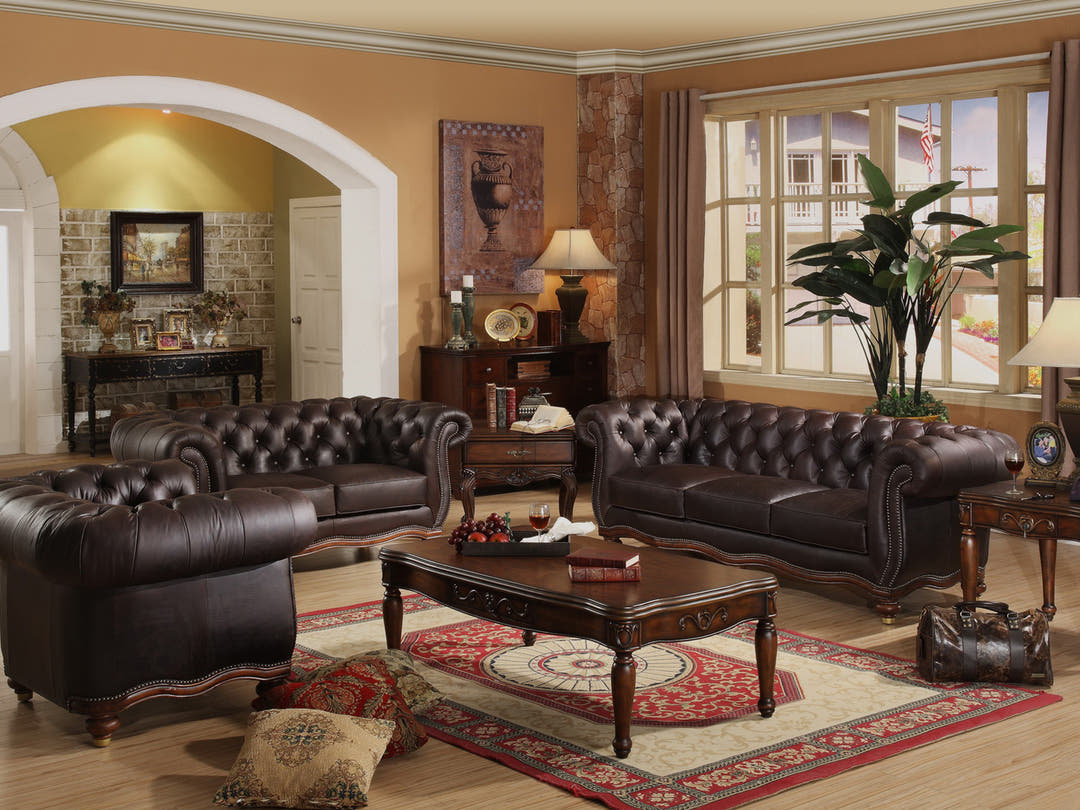
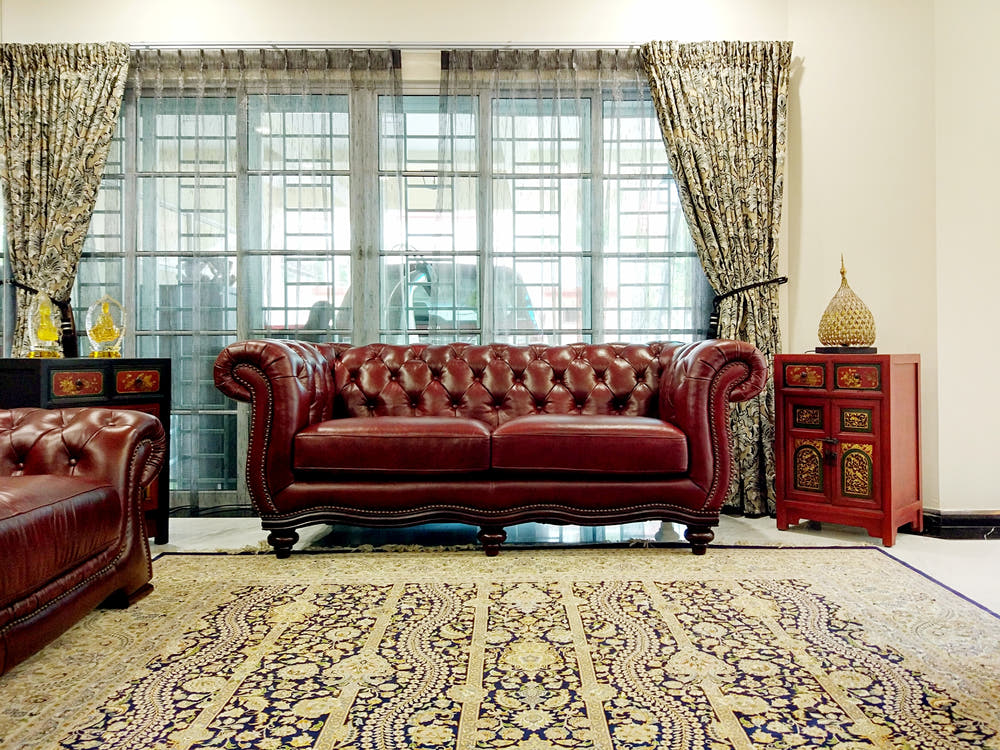
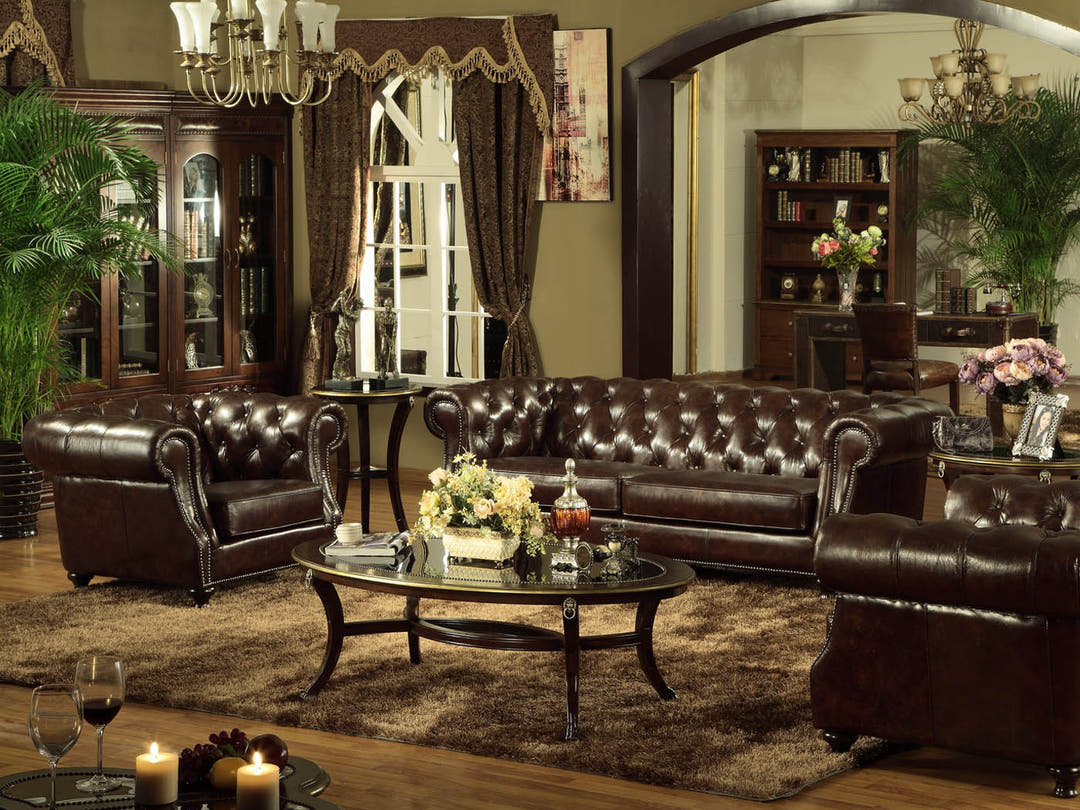
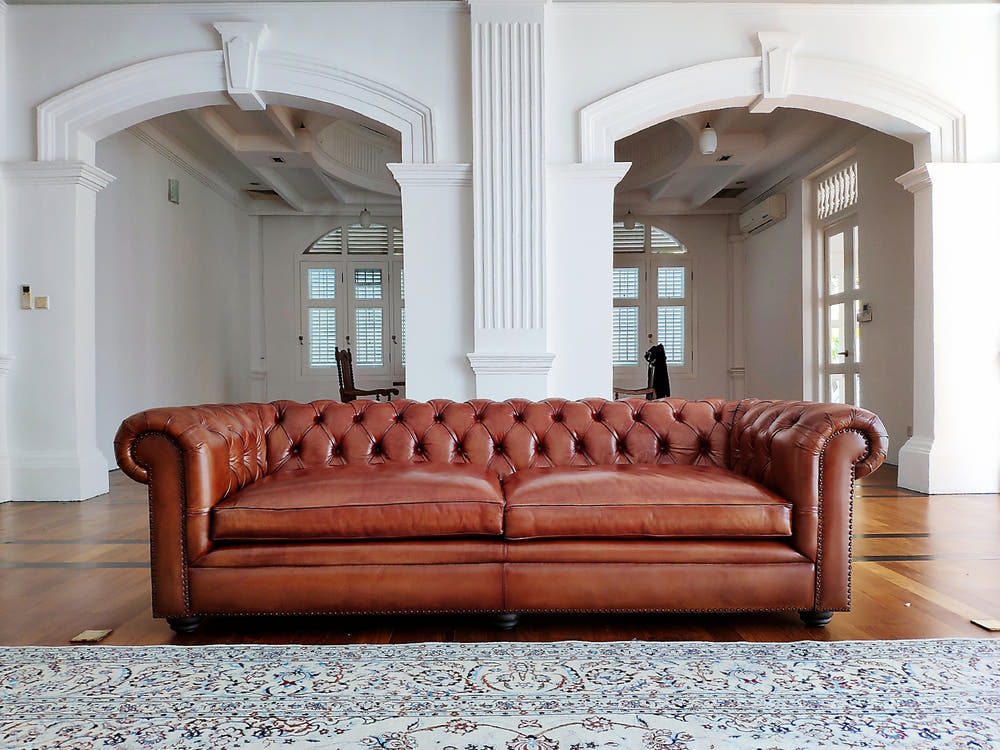
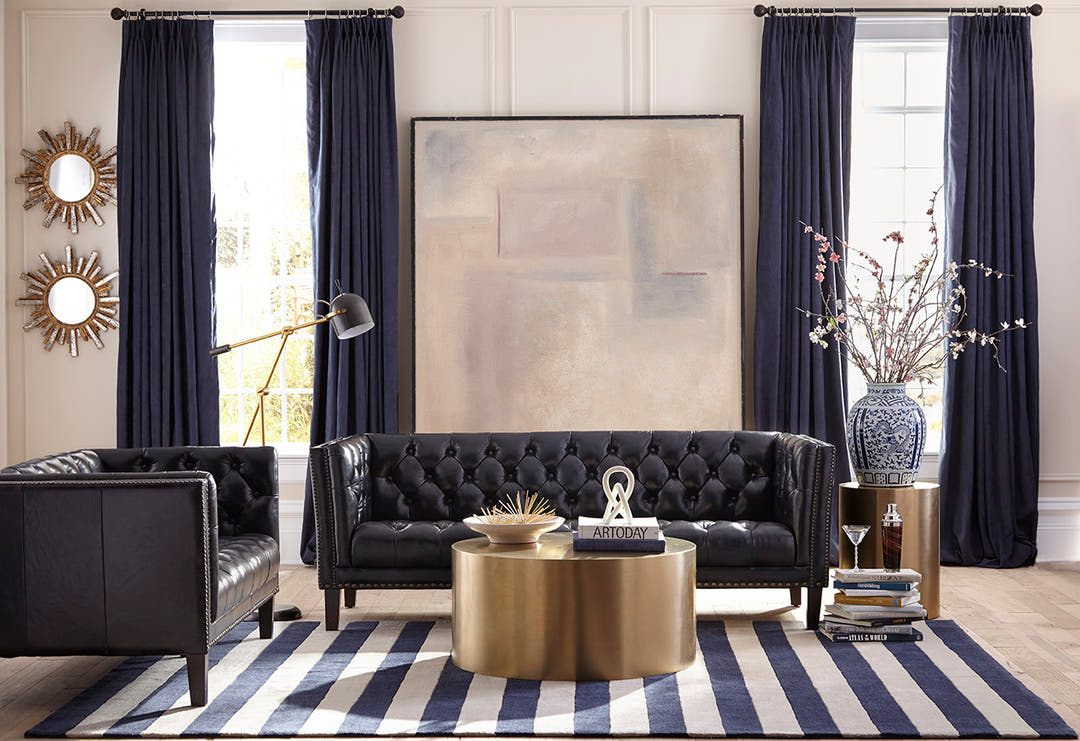
2) Living room: negative space is how a Chesterfield sofa looks expensive (not heavy)
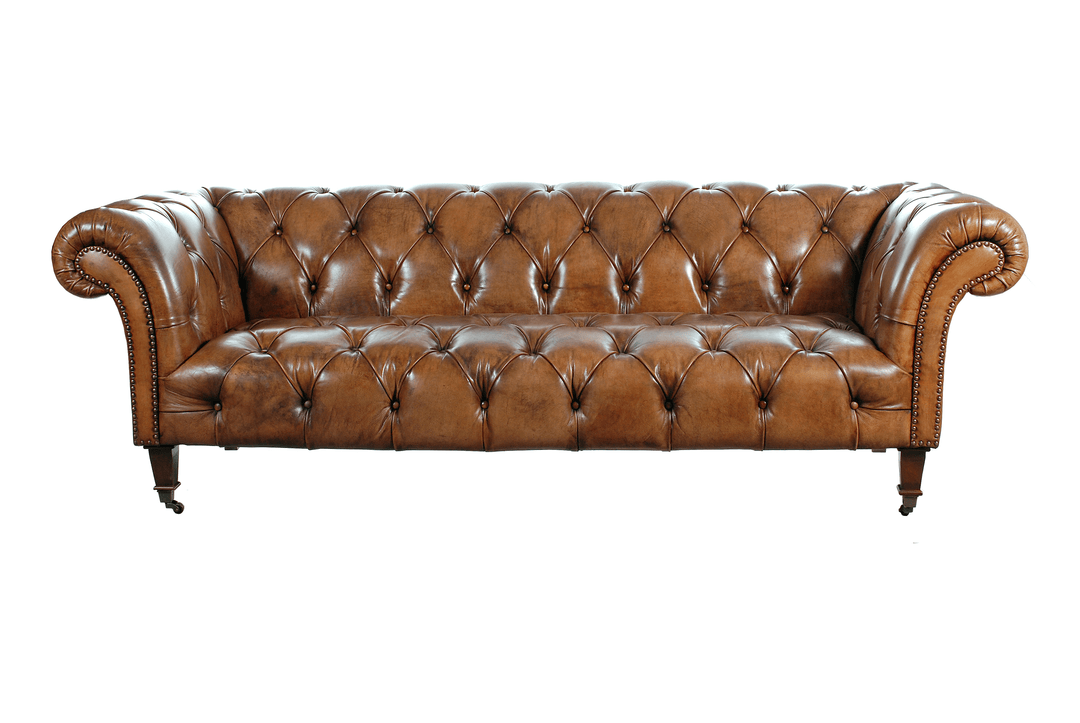
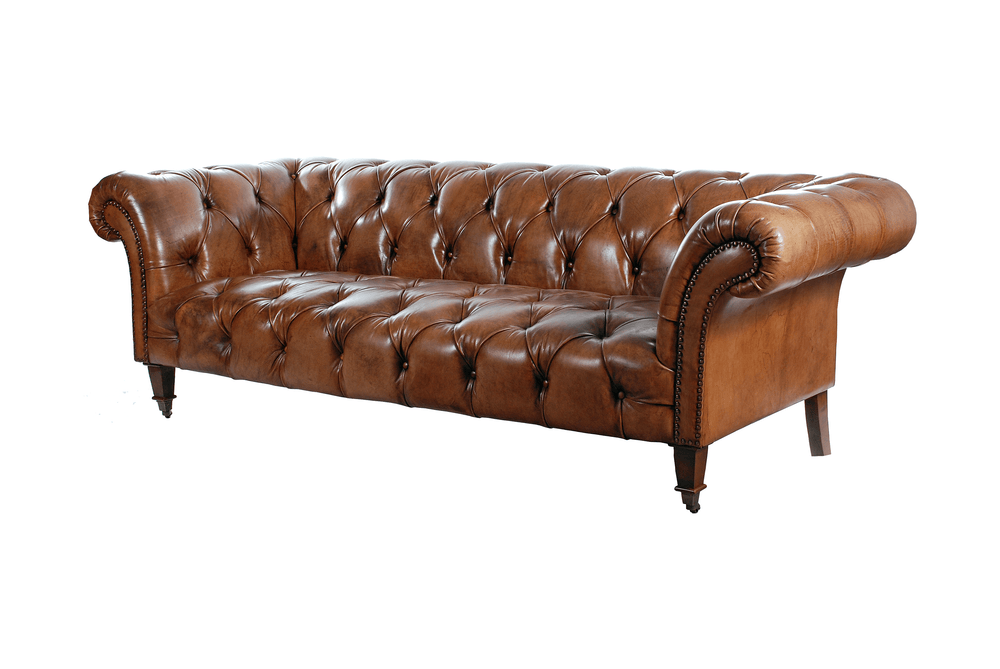
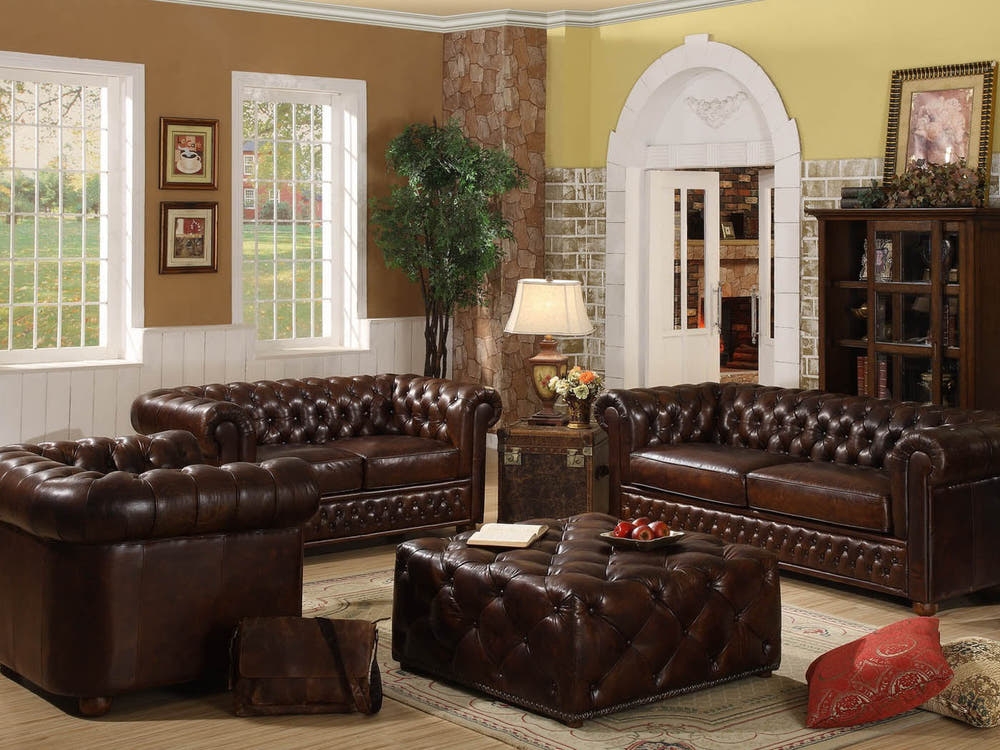
A chesterfield sofa is iconic—deep tufting, strong arms, lots of visual weight. It needs negative space so it reads as a statement, not a bulky block.
Layout rules that make a Chesterfield look curated:
-
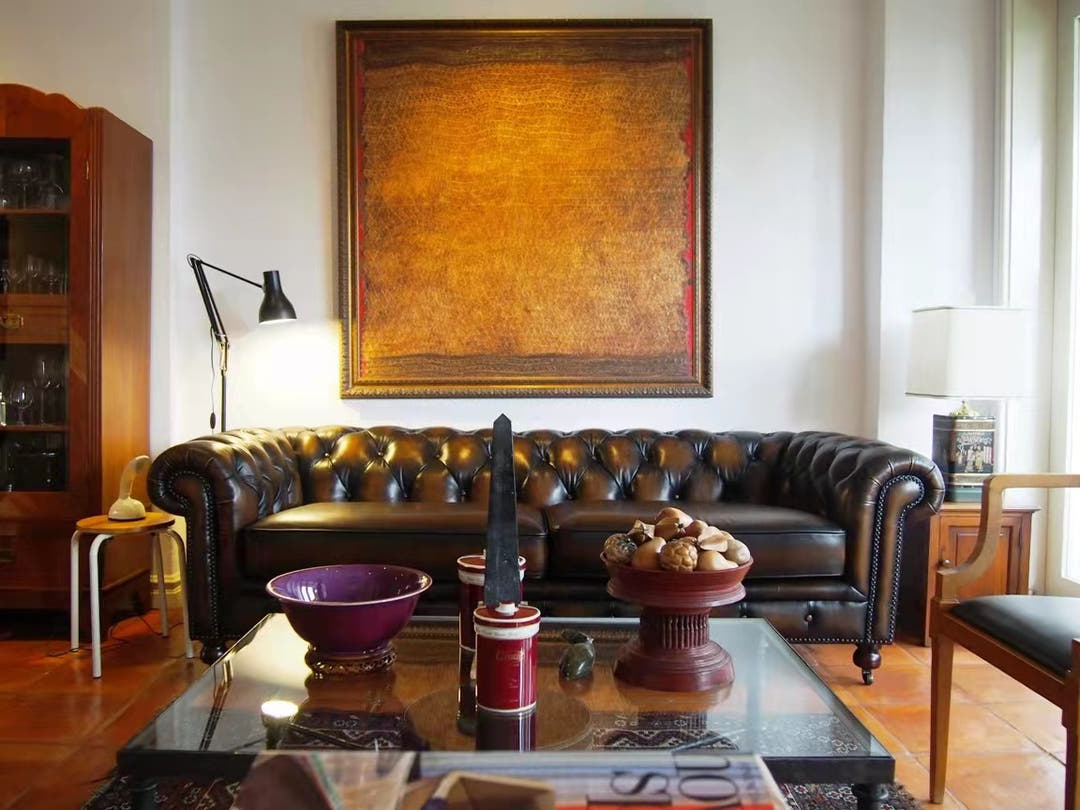
Float it (even slightly). If possible, pull the sofa off the wall by 5–15 cm. Designers often see pushing furniture hard against walls as a common mistake; a little breathing room anchors the seating area more intentionally.
-
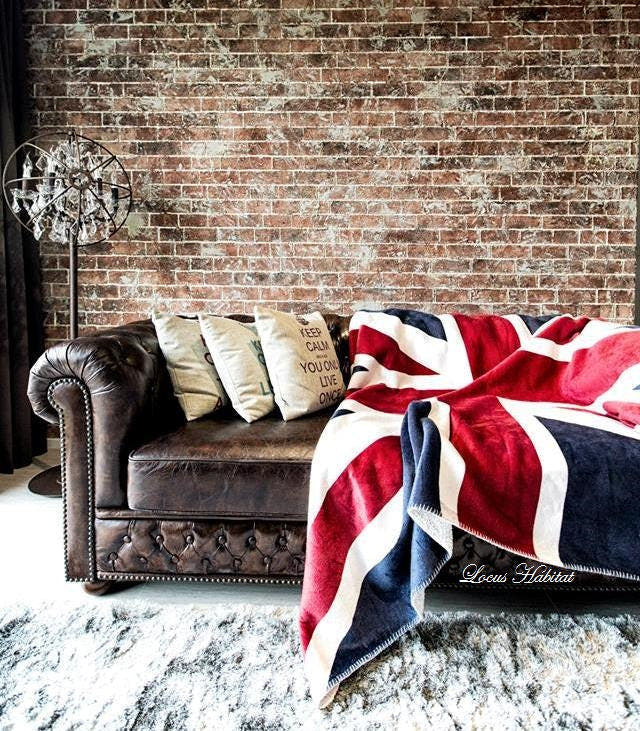
Give it a “frame.” Let the wall behind it stay calmer—either one large artwork or a restrained composition.
-
Keep side pieces lighter. Pair a Chesterfield with slimmer side tables or open-leg tables to avoid visual heaviness.
-
Protect the floor around it. Don’t fill every corner with baskets, poufs, plants, and stools. Choose one accent item per side, max.
A simple curated formula (works almost everywhere):
Chesterfield sofa + one statement rug + one coffee table + 1–2 accent chairs + one tall element (lamp or plant) + clear circulation paths.
Photo placement suggestion:
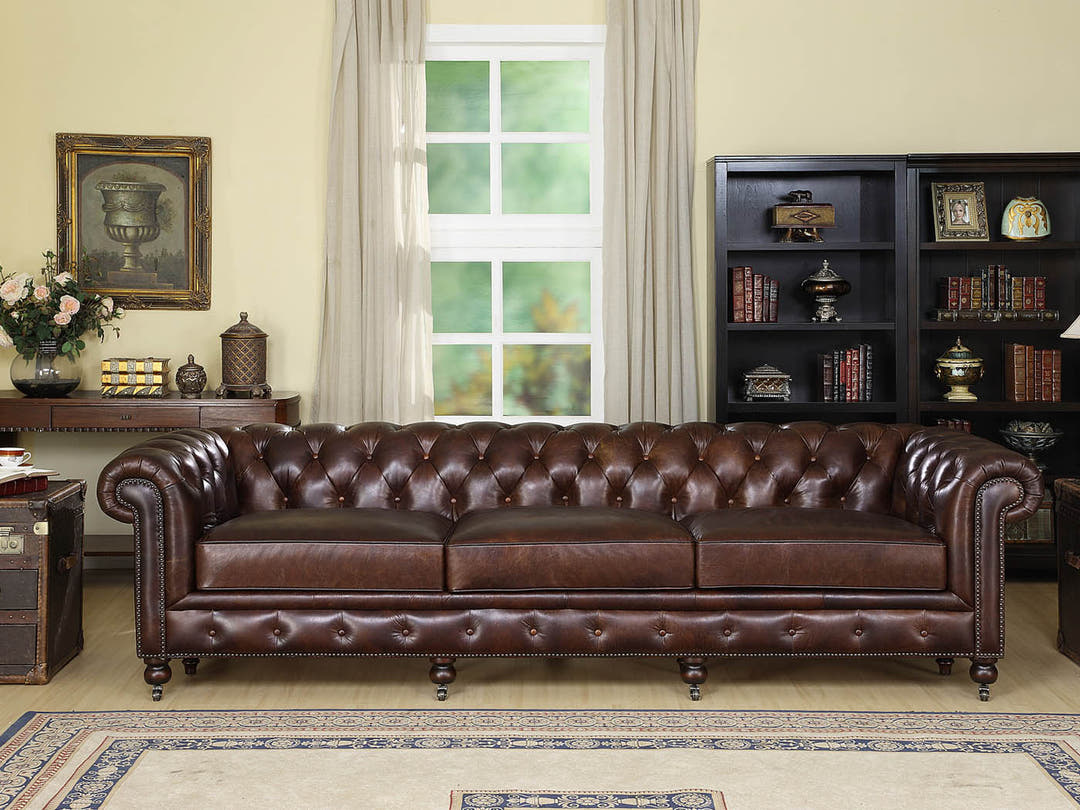
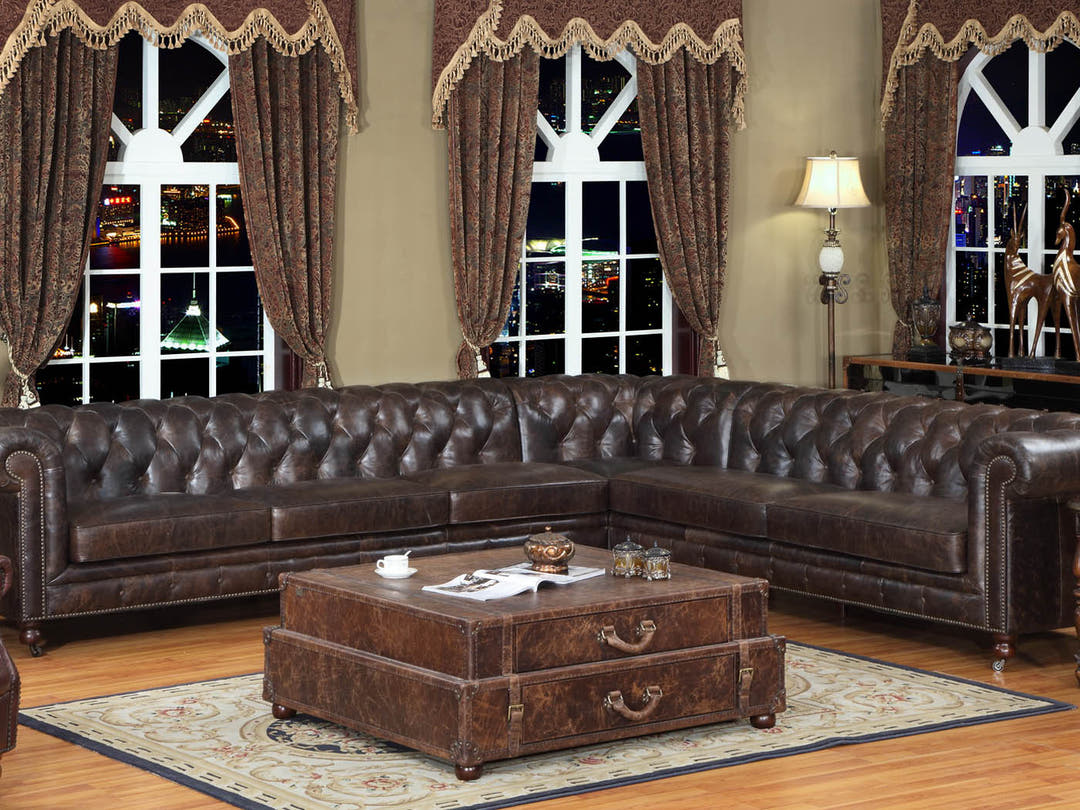
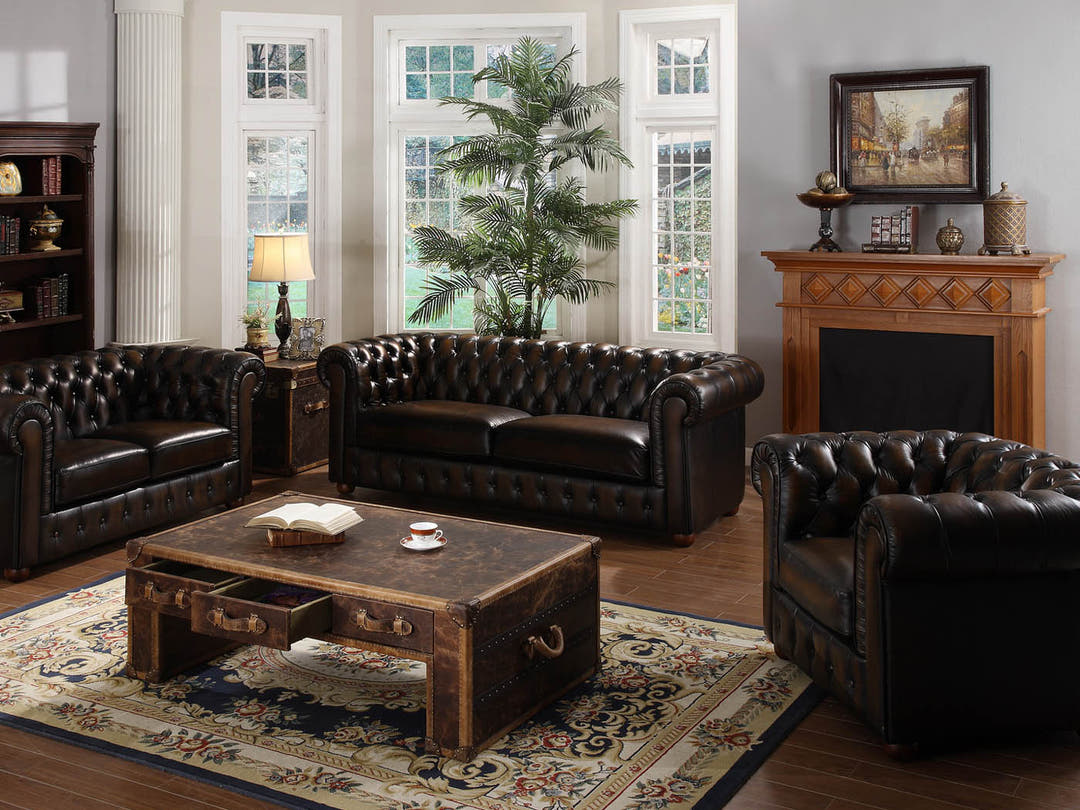
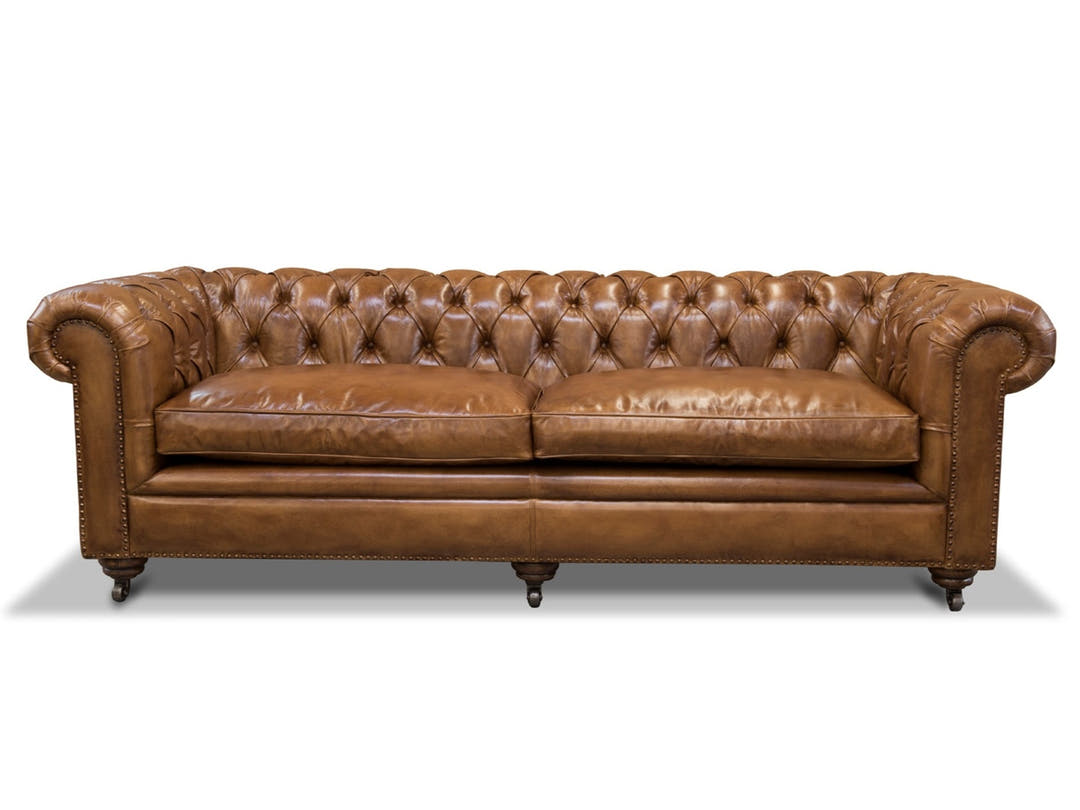
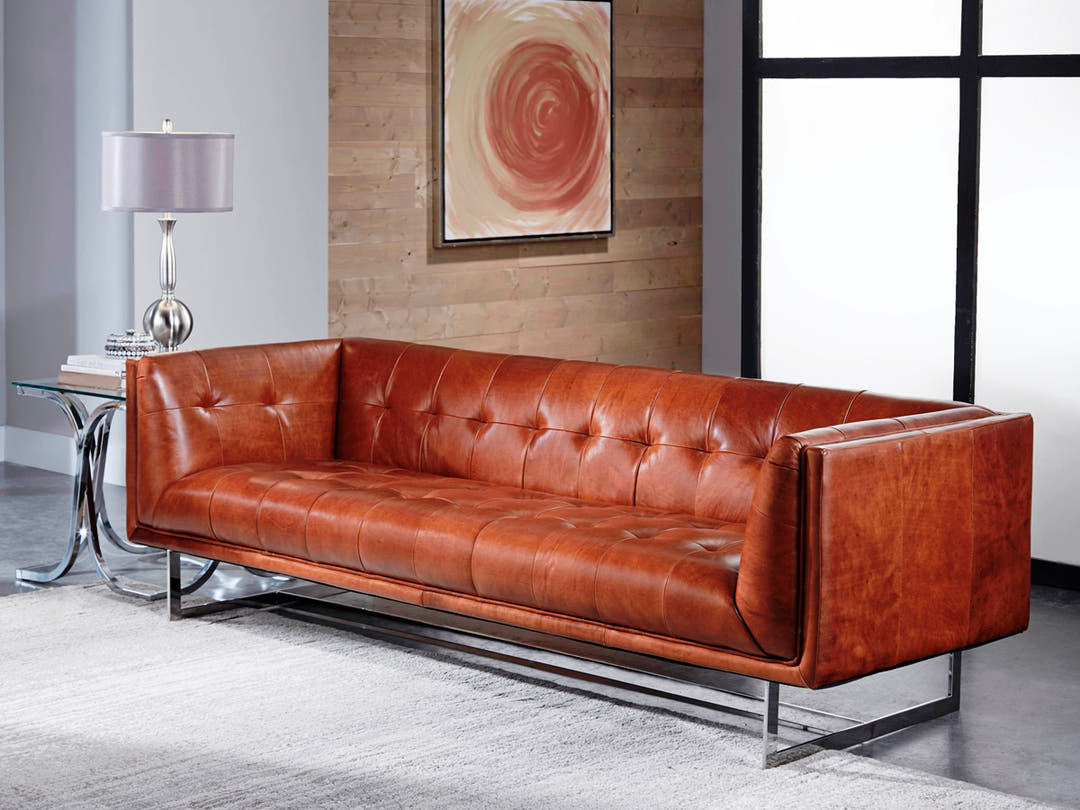
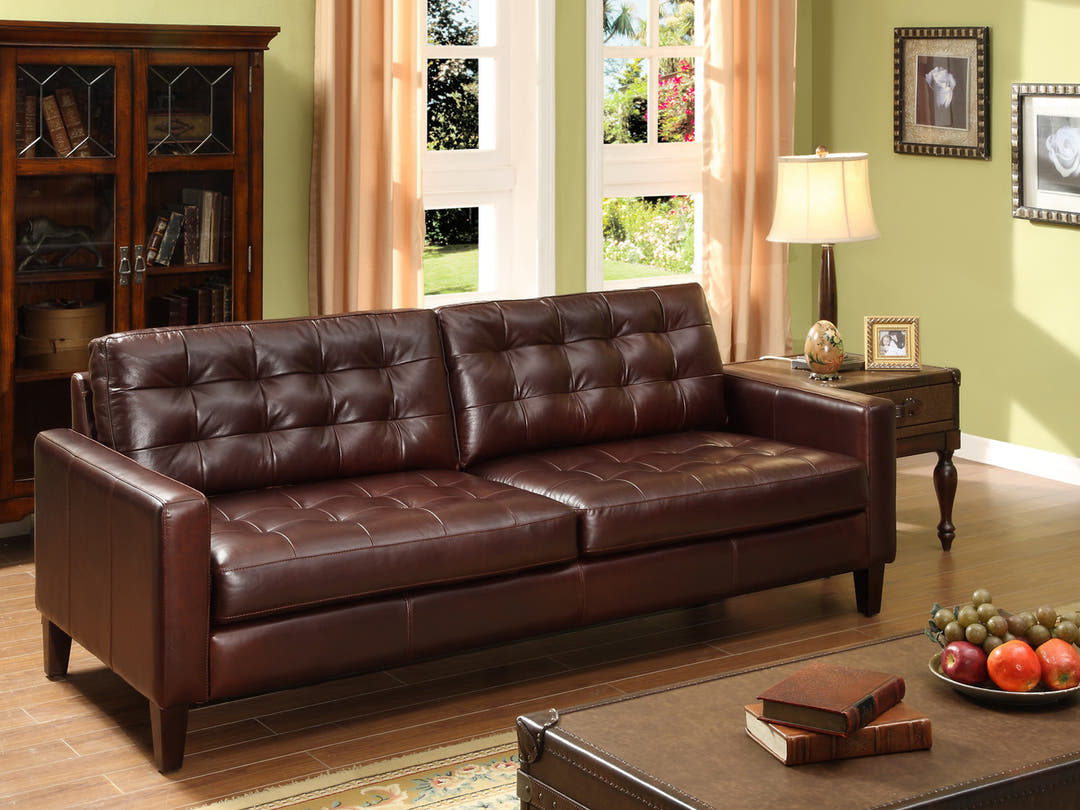
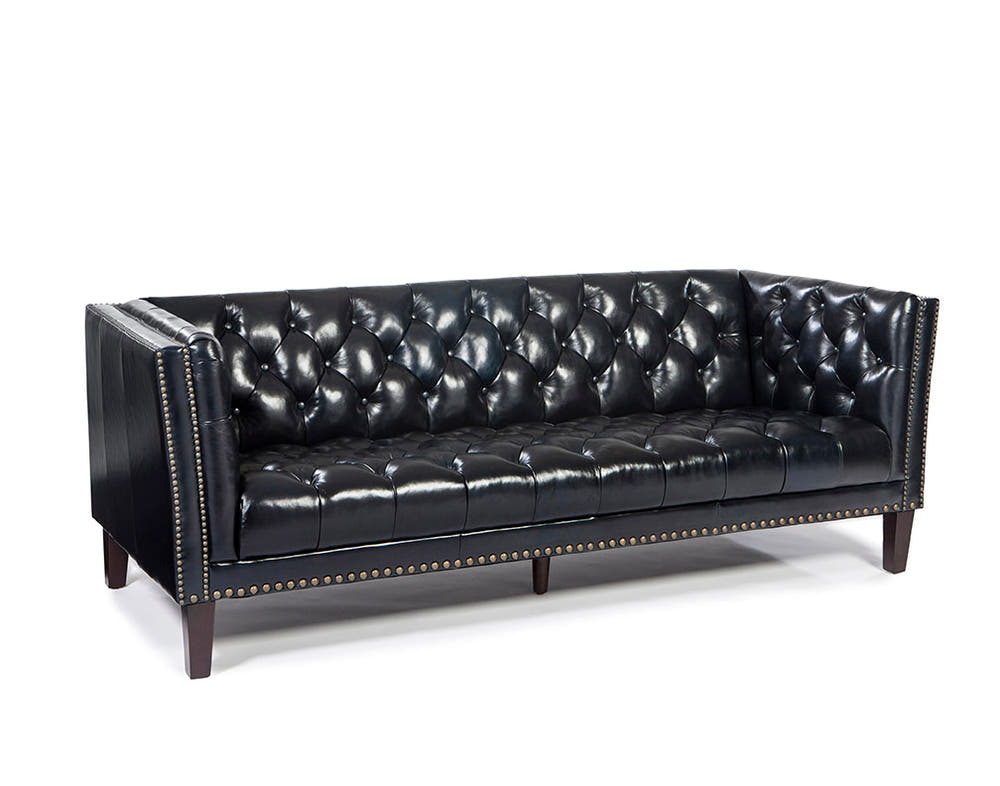
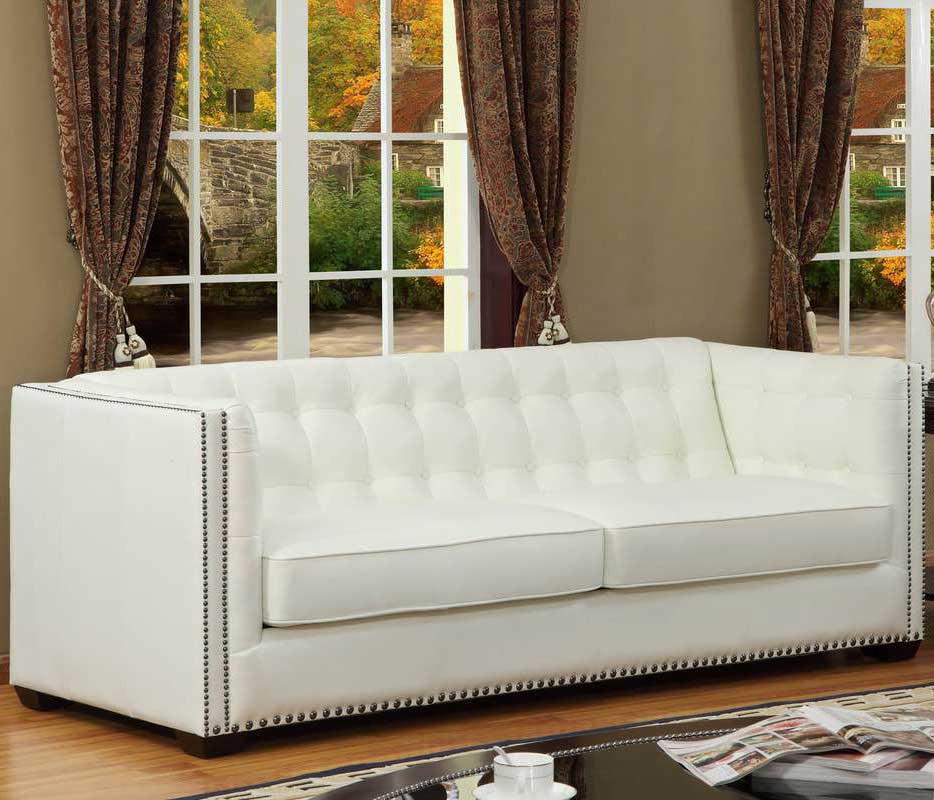
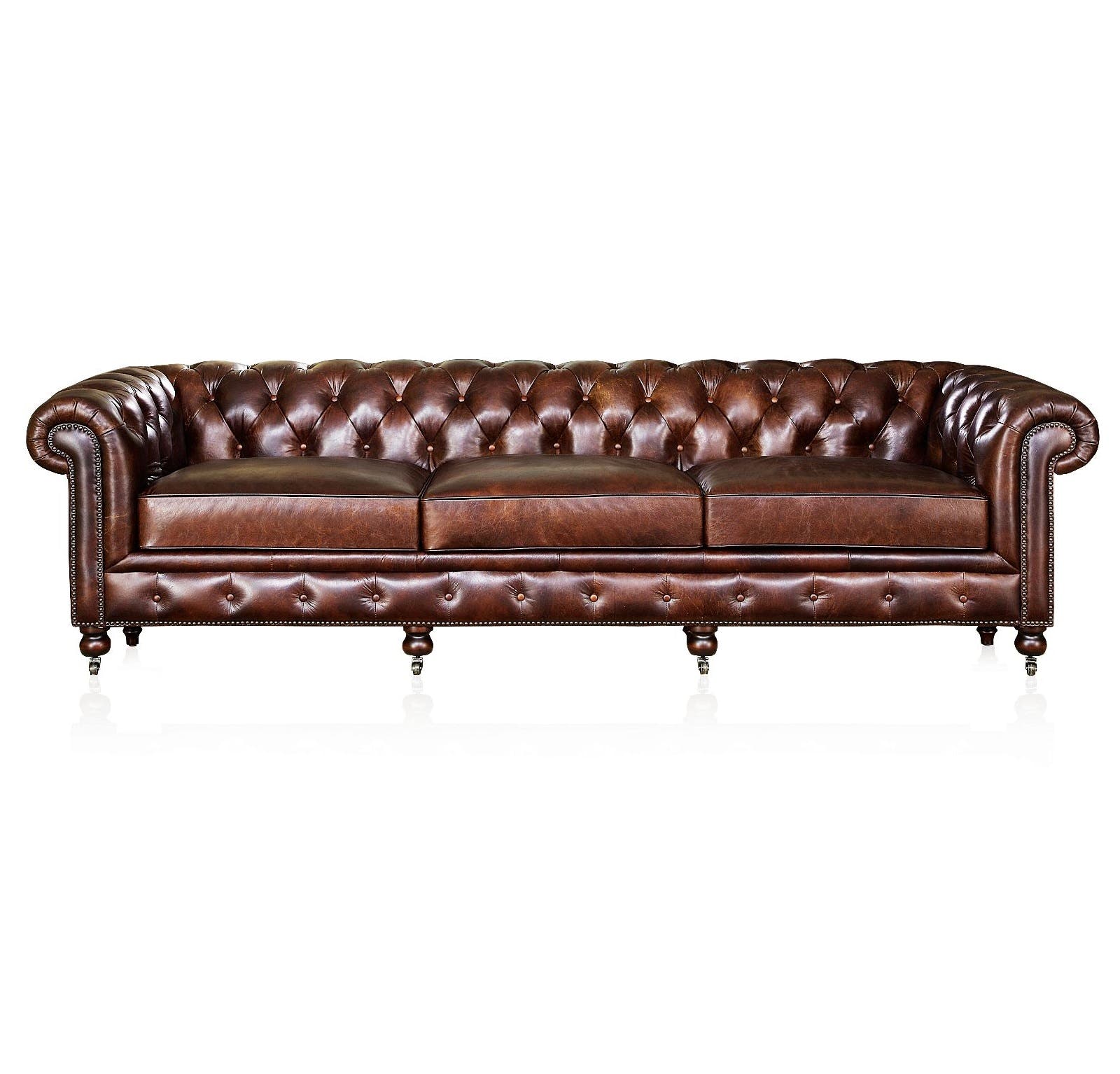
Image 2: Chesterfield sofa close-up to highlight texture/patina potential. (Free-to-use example style on Unsplash.)
Alt text: “Chesterfield sofa leather tufting detail”
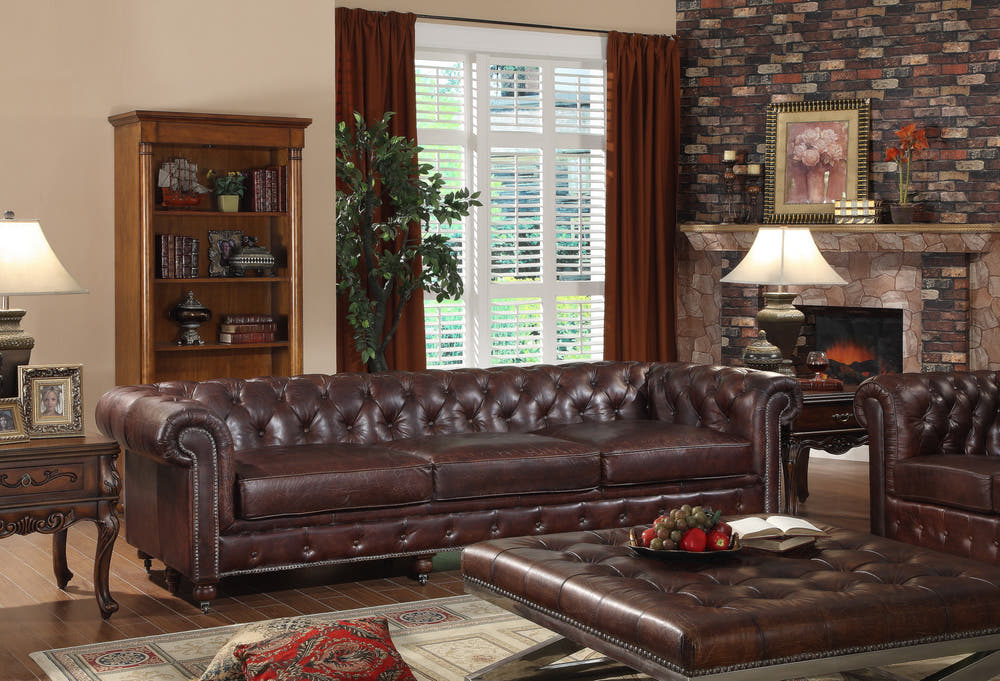
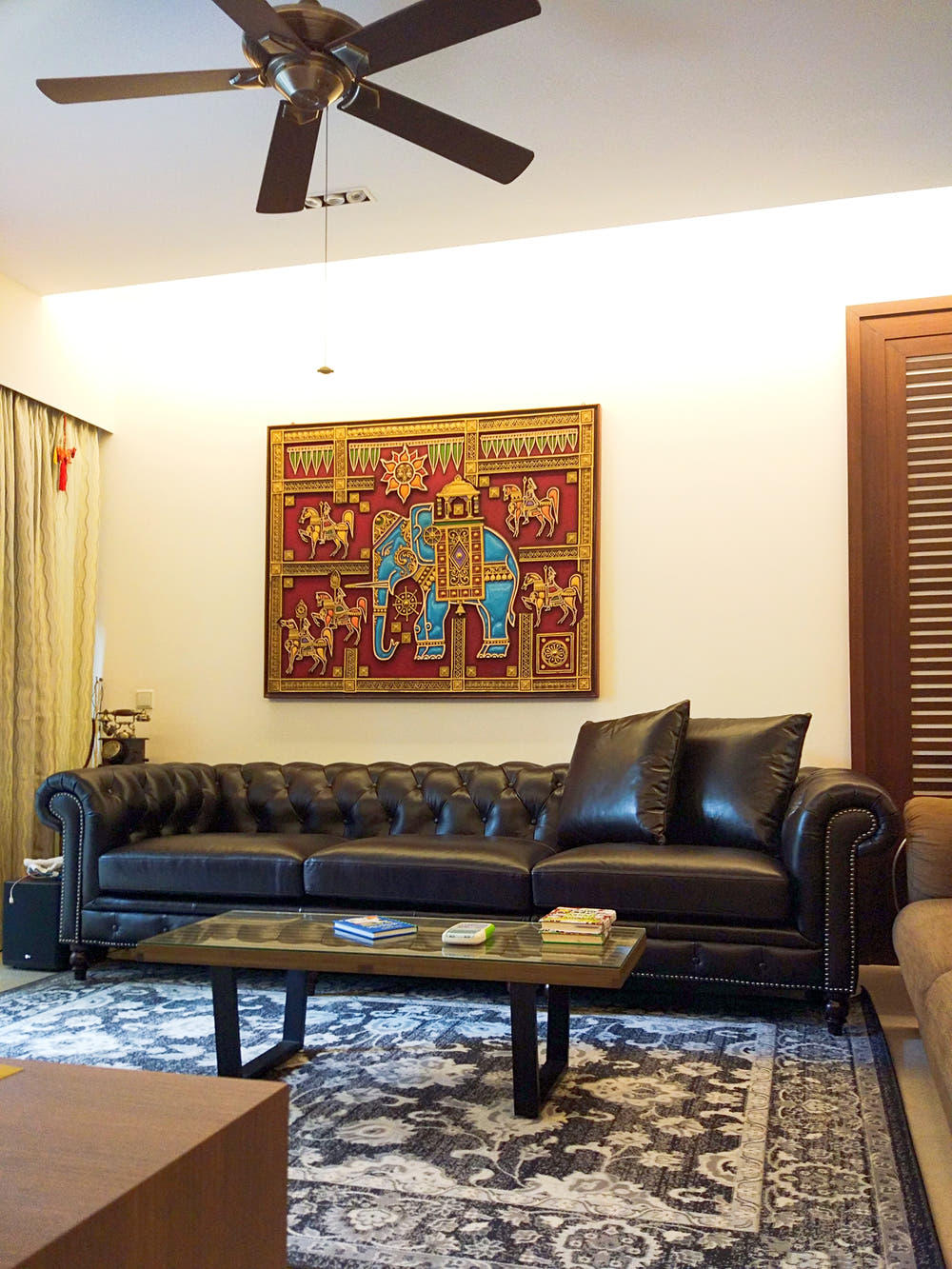
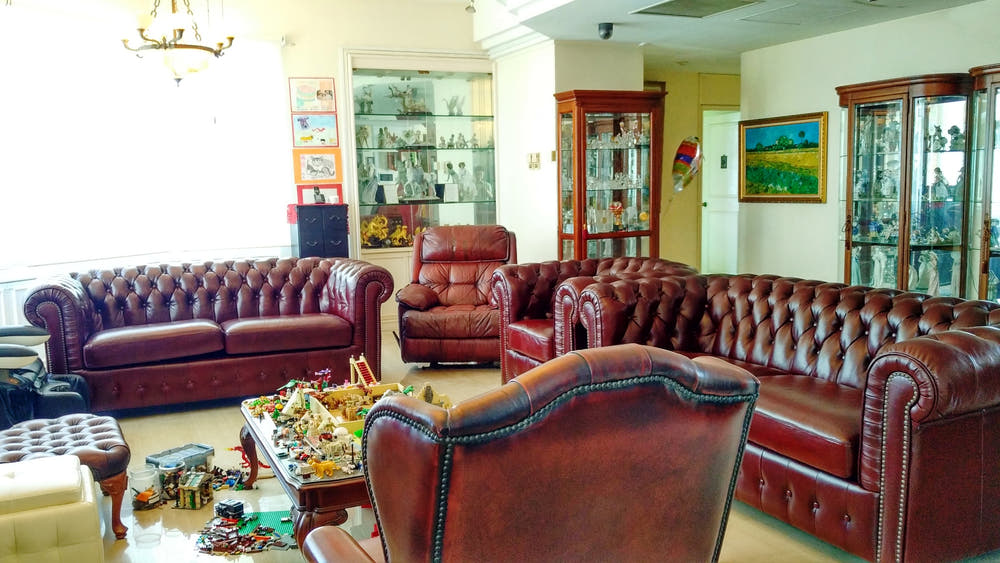
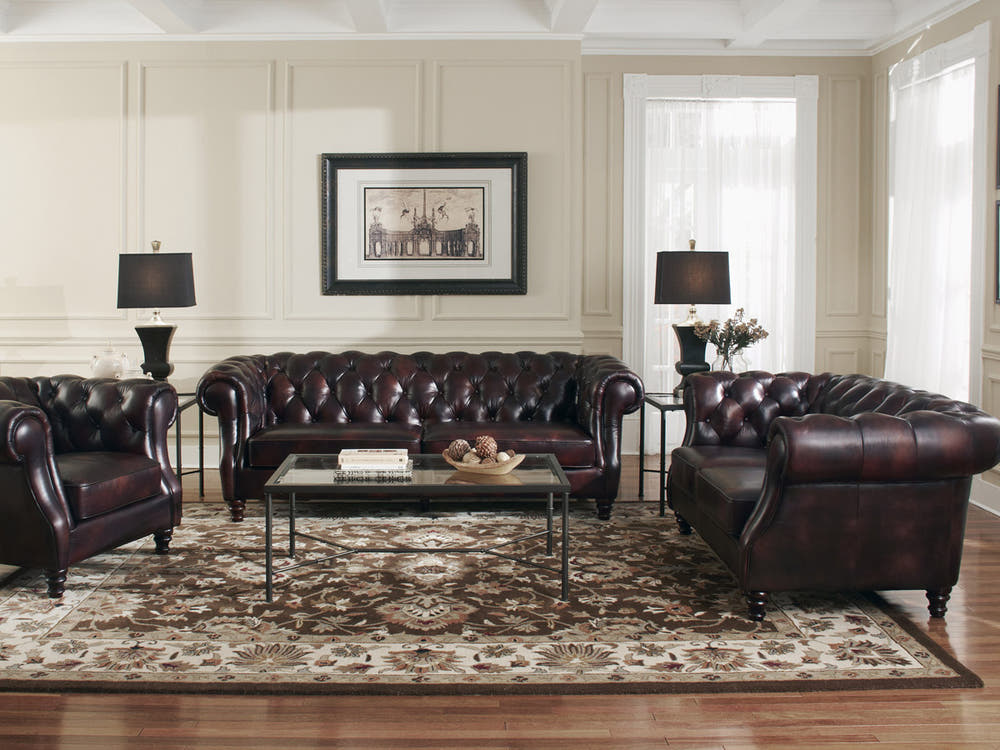
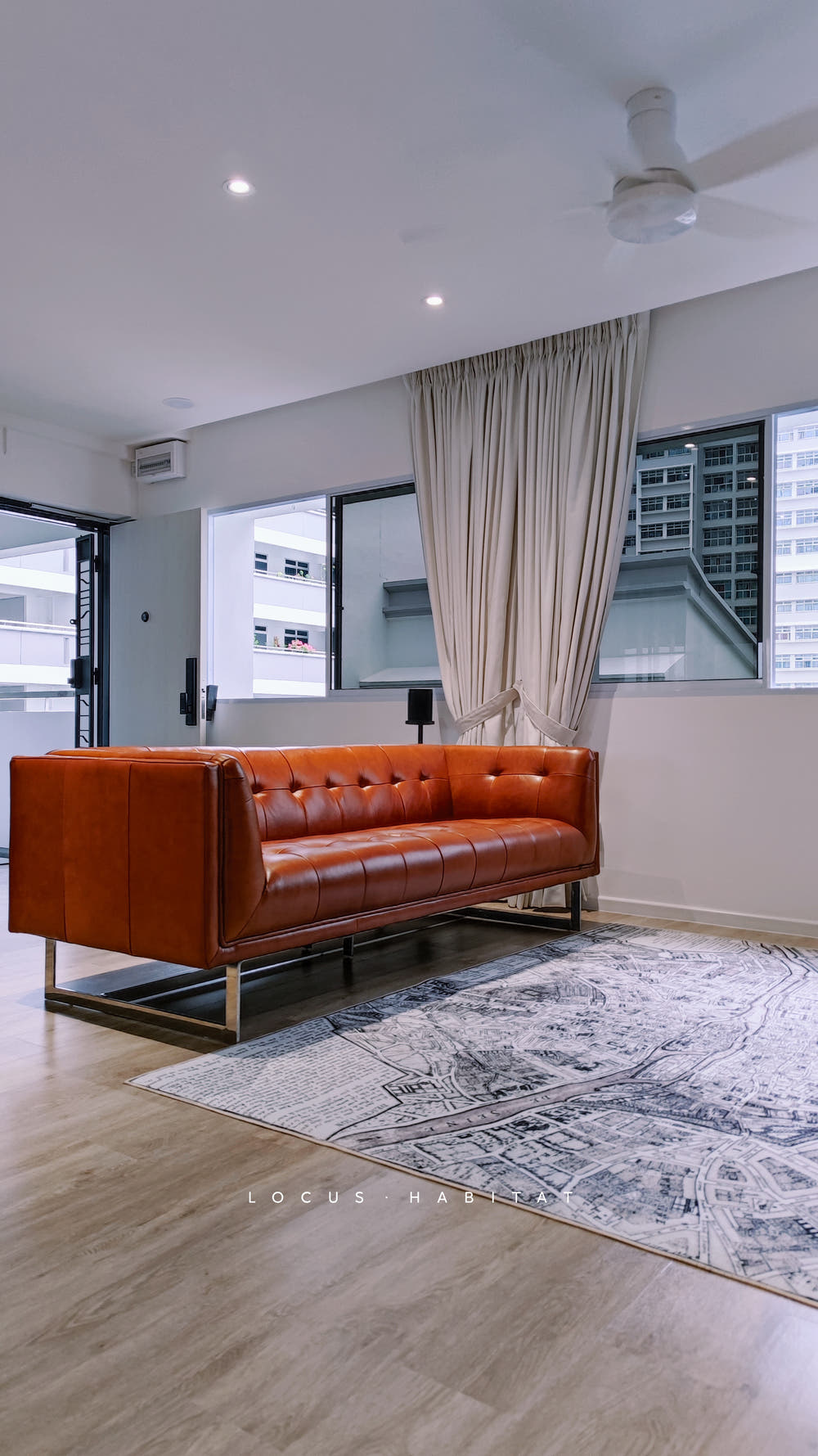
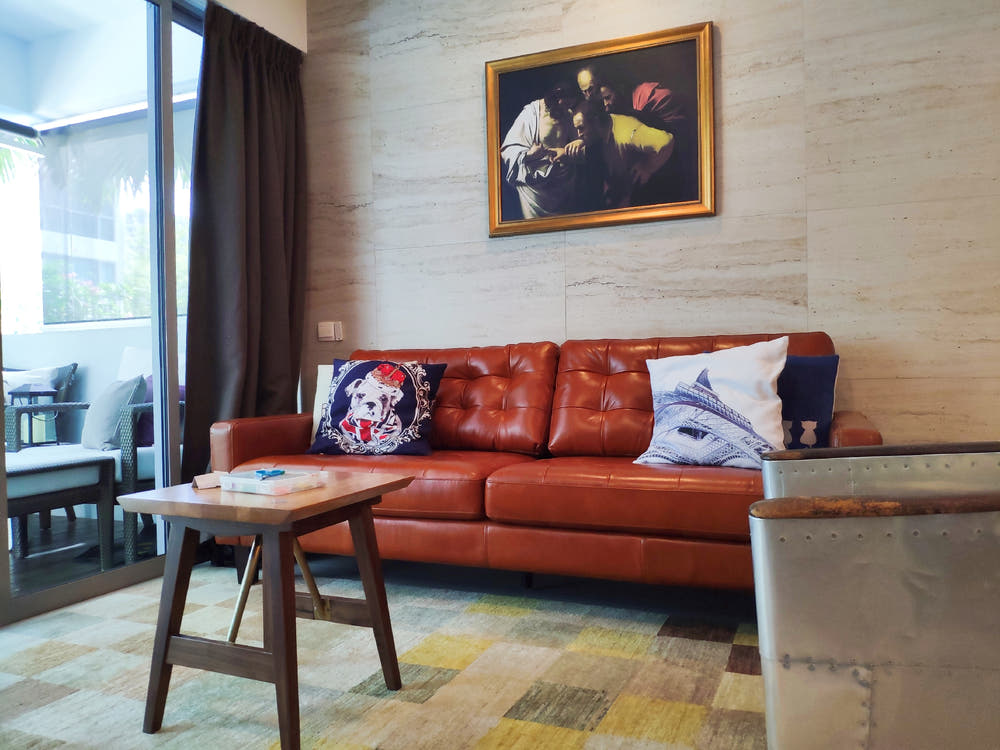
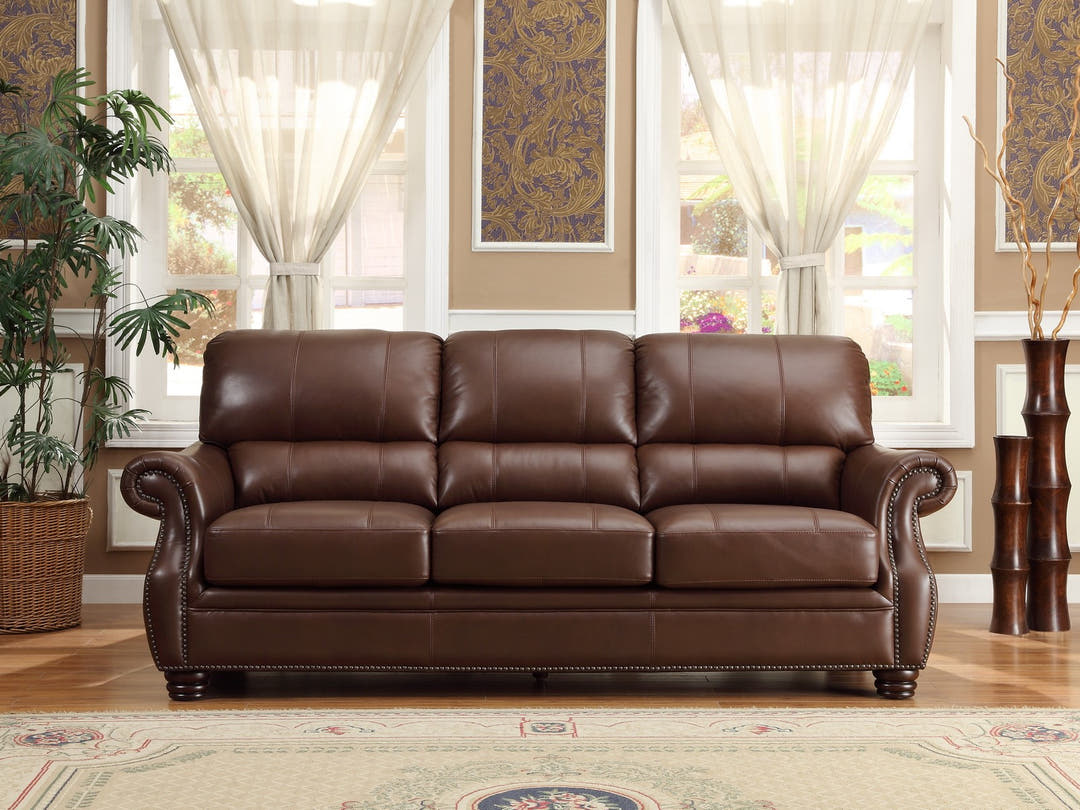
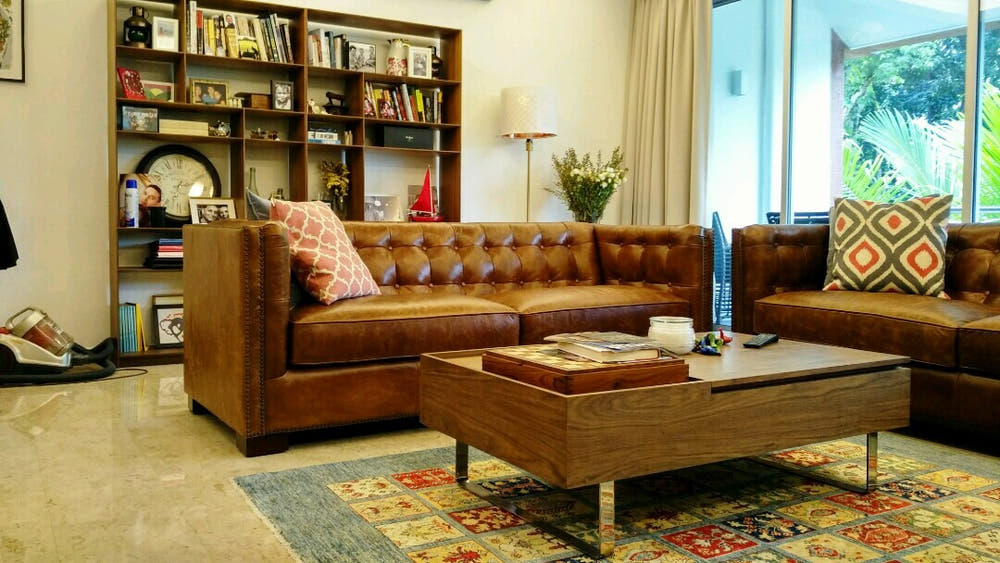
Image 3: A living room showing strong negative space around seating.
Alt text: “Living room negative space around furniture”
3) Home office: make your executive chair the hero
A home office gets cluttered fast: cables, stationery, printers, stacked papers. If you’re investing in a premium executive chair, negative space is what makes the room feel “executive” rather than “work-from-home storage.”
How to style an executive chair so it looks intentional:
-
Clear the radius. Leave a clean halo around the chair—avoid boxes and random storage within the immediate perimeter.
-
One strong backdrop. A quiet wall, a single art piece, or a simple panelled background helps the chair read as the focal point.
-
Reduce desktop items. Keep only daily essentials visible; store the rest.
-
Use one contrast material. Leather plays beautifully with wood, stone, matte black metal, or even a soft-texture rug.
Photo placement suggestion:
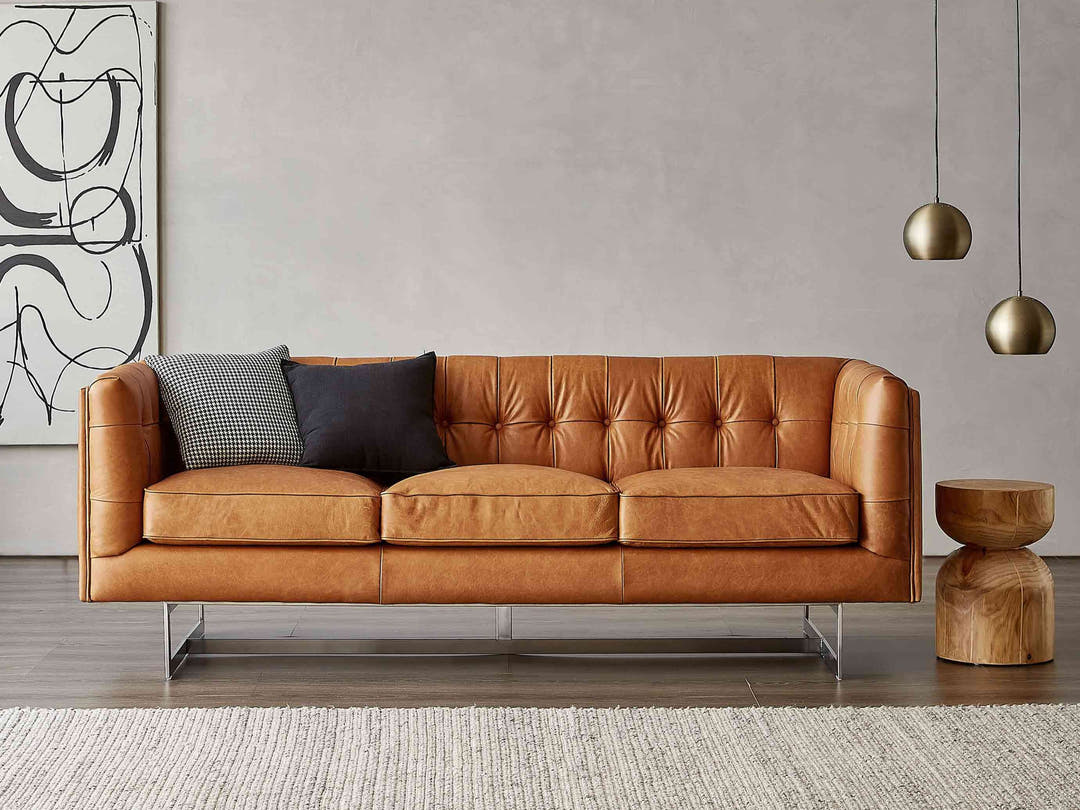
Image 4: Leather executive chair in a refined office setting.
Alt text: “Leather executive chair styled with negative space”
4) Display areas: fewer objects, better objects
Open shelves and console tops are where curated homes either shine or fall apart.
Designer-style display rules:
-
Work in odd numbers (3 or 5 items per vignette).
-
Vary height and silhouette (tall + medium + low).
-
Leave blank space intentionally—an “empty” stretch is not a failure; it’s composition.
If everything is “special,” nothing is special. Negative space creates the spotlight.
5) Lighting: negative space gives light somewhere to land
When walls and surfaces are overfilled, light becomes flat. When you keep areas open, daylight creates shadows and movement, making the home feel alive throughout the day.
Quick win: Clear one wall section near a window and keep that area simpler for two weeks. Most people immediately feel the difference.
The biggest “curated home” mistake: furniture pinned to the walls
A surprisingly common layout error is pushing furniture tight against walls to “maximize space.” Often it does the opposite, making the room feel scattered. Pulling pieces slightly inward can define zones, improve flow, and create intentional negative space.
Try this test:
Stand where you most often see the room (doorway, sofa seat, kitchen pass-through). Now remove or relocate one item that blocks a clear line of sight. That new “pause” is negative space doing its job.
How to apply this in Singapore homes (condos, landed, HDB)
In Singapore, square footage is precious, so it’s tempting to fill every corner. But curated design isn’t about owning fewer things—it’s about making the right things readable.
Why negative space matters even more in smaller spaces
-
It protects circulation paths (reduces that “tight” feeling).
-
It makes a hero piece (like a chesterfield sofa) look deliberate, not squeezed in.
-
It reduces visual noise—crucial when open-plan living/dining/kitchen share one sightline.
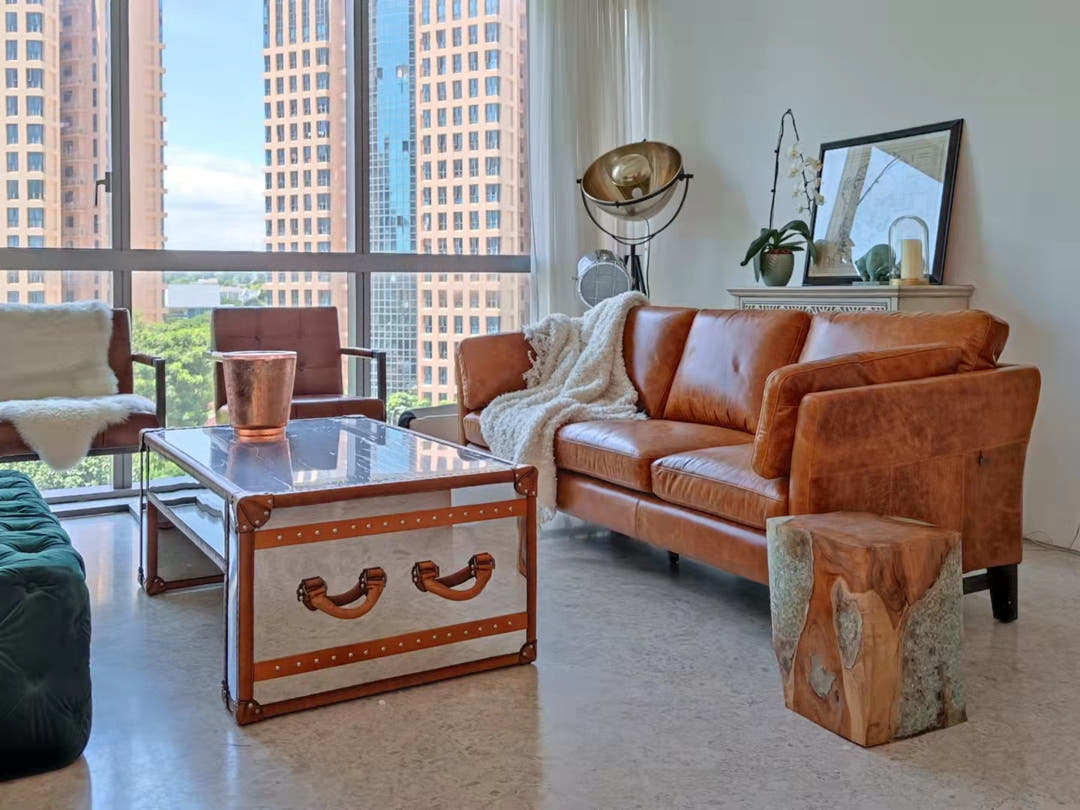
Leather sofa Singapore: humidity-aware placement and care
If your keyword focus includes leather sofa Singapore, address the local reality: humidity, aircon cycles, and sunlight.
Practical care and placement tips commonly recommended for humid climates include:
-
Use a dehumidifier or rely on aircon cycles to reduce excess moisture and mold risk.
-
Avoid direct sunlight to reduce fading and drying.
-
Rotate cushions to prevent uneven wear.
-
Condition periodically (many guides suggest roughly every 6–12 months, adjusting for usage and environment).
Curated-home bonus: a well-maintained leather sofa ages more beautifully—patina becomes a feature, not a flaw.
Styling playbook: make your room curated in one afternoon
Use this checklist in order:
-
Pick your hero: chesterfield sofa (living), executive chair (office), or a leather sofa as the anchor
-
Clear 20% of surfaces: coffee table, console, shelves
-
Create one “quiet wall”: remove extra frames/decor from a single wall
-
Float one furniture piece: pull sofa/chairs slightly off the wall
-
Set a strict vignette limit: max 3 objects per surface grouping
-
Re-evaluate lighting: clear space near windows so light can play
-
Photograph the room: your camera reveals clutter your eyes ignore
This is how you get that “effortlessly curated” feeling without buying anything new—just smarter composition.
Where the keywords fit naturally (without sounding forced)
Chesterfield sofa
Use it as the hero piece that benefits most from negative space—its tufting and silhouette need room to read. Pair with fewer, better supporting elements and a calmer backdrop.
Executive chair
Treat it like sculpture in the office. Protect the space around it and keep the desk zone edited so the chair looks premium, not crowded.
Leather sofa Singapore
Include climate-aware placement (sun/humidity) and maintenance habits so the leather stays supple and attractive over time—especially important in tropical conditions.
Suggested photo plan (10 images) to “enhance reading”
You can source originals (your showroom/home projects) or use properly licensed images (e.g., Unsplash). Avoid copying editorial images unless you have usage rights.
-
Hero image: calm living room with intentional negative space
-
Chesterfield sofa leather tufting close-up
-
Chesterfield sofa in a wider room composition (space around it) (Unsplash search page)
-
Executive chair “hero moment” in office
-
Negative space example (architectural calm)
-
Entryway with one console + empty wall space (use your own project, or recreate the vibe)
-
Shelving vignette: 3 objects + breathing room (original)
-
Light-and-shadow on an uncluttered wall (original)
-
Leather sofa care moment: soft cloth wipe / dehumidifier nearby (original)
-
Final “before/after” collage of one corner edited down (original)
Tip: For SEO, write descriptive file names (e.g., chesterfield-sofa-negative-space-living-room.jpg) and alt text that matches intent without stuffing.
FAQ (SEO-friendly)
Does negative space mean minimalism?
No. Negative space is about balance—even layered, traditional rooms benefit from leaving intentional open areas so key pieces can shine.
How do I make a Chesterfield sofa work in a modern Singapore home?
Float it slightly, keep the wall behind it calmer, and reduce competing furniture. Let the sofa be the hero and use negative space to keep the room breathable.
How do I keep a leather sofa in Singapore in good condition?
Manage humidity (aircon/dehumidifier), avoid harsh direct sun, wipe regularly, rotate cushions, and condition periodically.
What’s the fastest “curated” upgrade without spending money?
Remove one extra item from every surface, protect one quiet wall, and create breathing room around your best furniture—especially around statement pieces like an executive chair or chesterfield sofa.
let your home breathe
If you take only one idea from this: space is not what’s left over—space is the design. When you edit with intention, your favorite pieces look better, your rooms feel calmer, and your home reads as curated rather than crowded.
FAQ: Negative Space, Chesterfield Sofas, Executive Chairs, and Leather Sofa Singapore
What’s the simplest way to add negative space without changing furniture?
Clear one surface (coffee table or console) and keep one wall quieter. Then pull one seating piece slightly inward. These three moves create instant breathing room.
Will negative space make my home feel empty?
Not if you do it correctly. Negative space is contrast, not emptiness. It’s the margin that makes the room’s best elements stand out.
How do I keep a chesterfield sofa from overwhelming a small room?
Make it the hero and simplify everything around it:
-
fewer pillows,
-
lighter side pieces,
-
calm wall behind,
-
clear floor space around the sofa.
What makes an executive chair look truly “executive”?
Presence and placement:
-
strong proportion,
-
premium materials (often leather),
-
clean backdrop,
-
uncluttered floor space around it.
How do I style a leather sofa in Singapore so it stays beautiful?
Avoid direct sun, manage humidity with airflow and climate control, wipe lightly and consistently, and keep the area around the sofa breathable so both the room and the leather feel fresh.
Let Your Home Breathe
A curated home isn’t the one with the most decor. It’s the one where every piece has room to be itself.
When you protect negative space, your chesterfield sofa looks more sculptural, your executive chair looks more authoritative, and your leather sofa in Singapore looks more refined—because the room stops shouting and starts composing.
The goal is not to decorate every inch. The goal is to design the pauses.