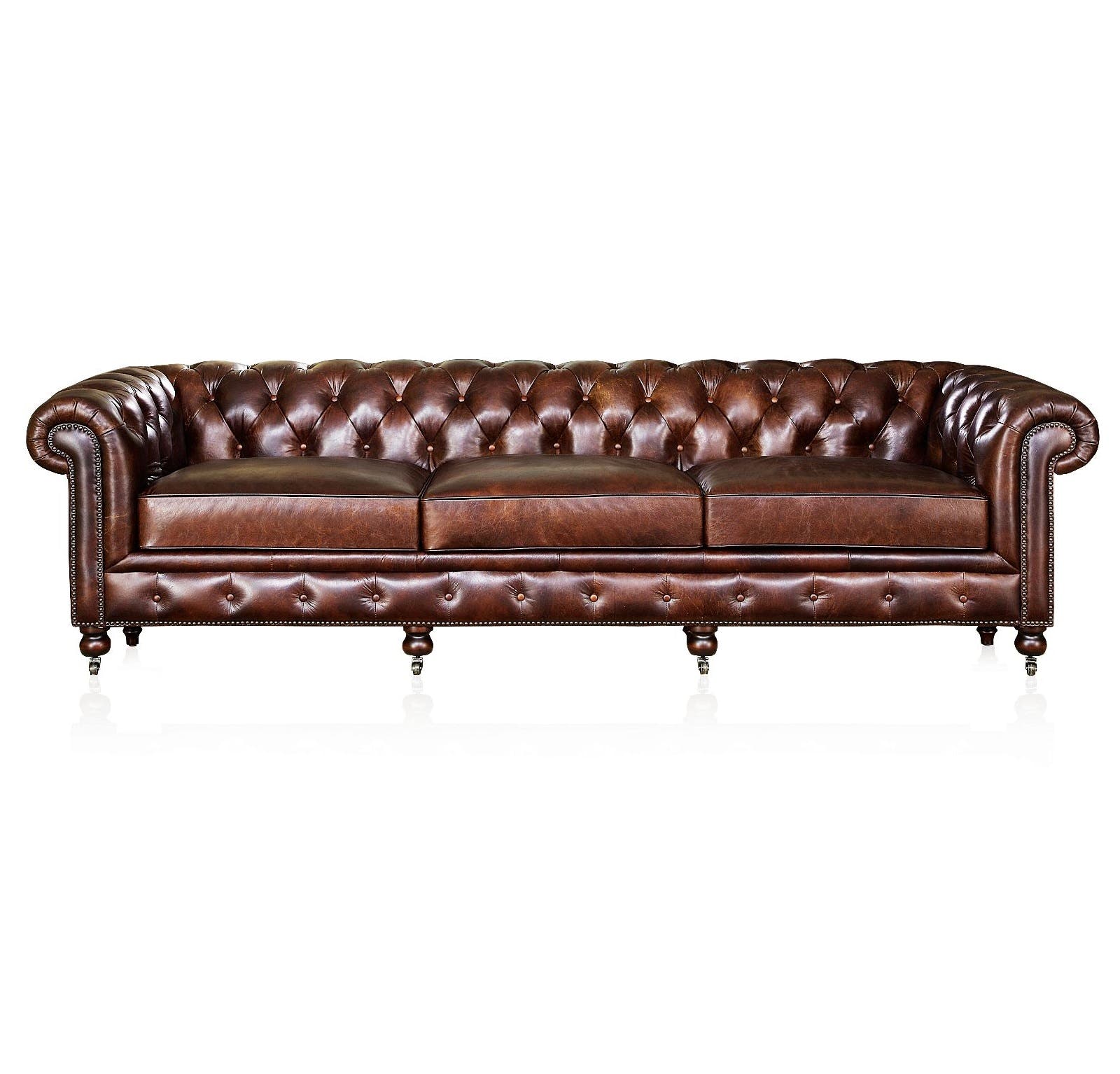



What Are the Disadvantages of Chesterfield Sofas? Plus the Modern, Sleeker-Proportion Fix

What Are the Disadvantages of Chesterfield Sofas? A Global Guide—Plus the Modern, Sleeker-Proportion Fix
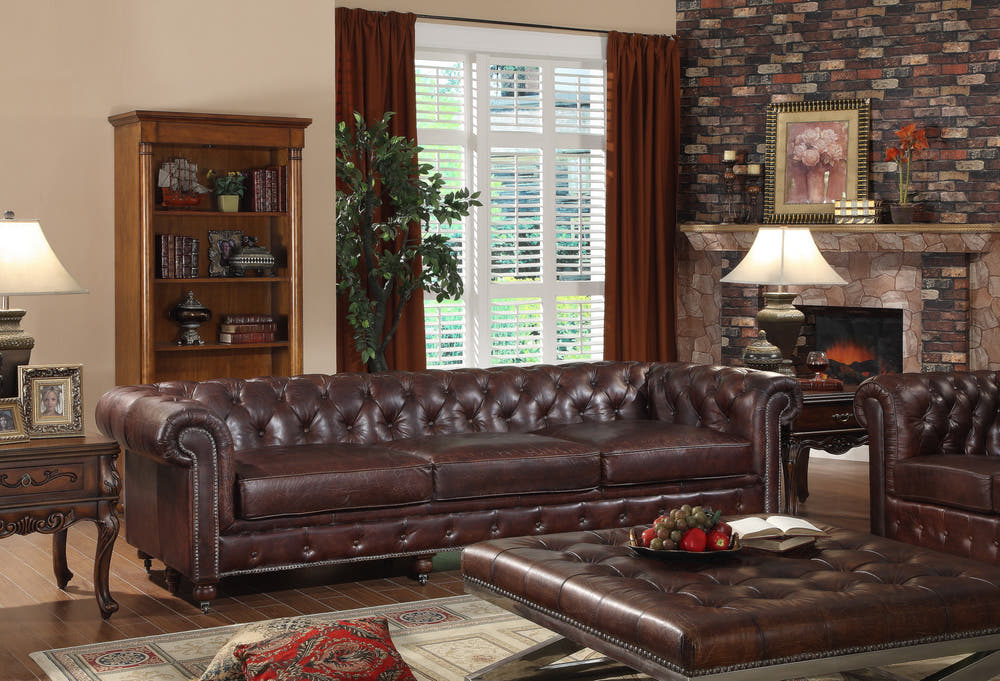
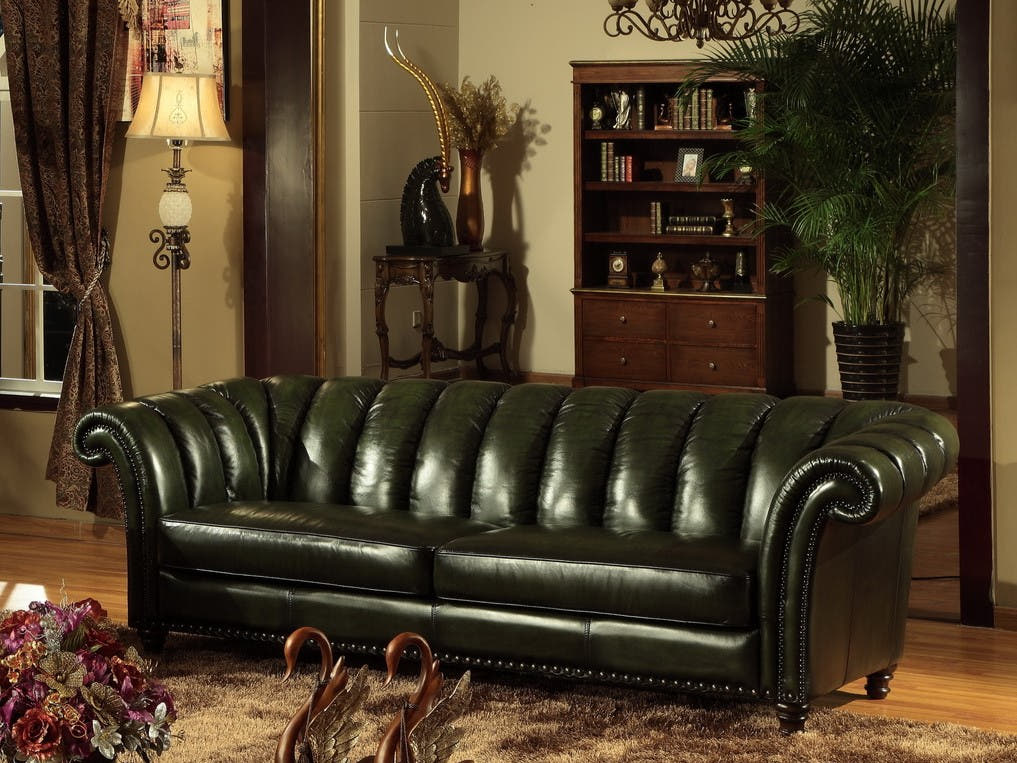
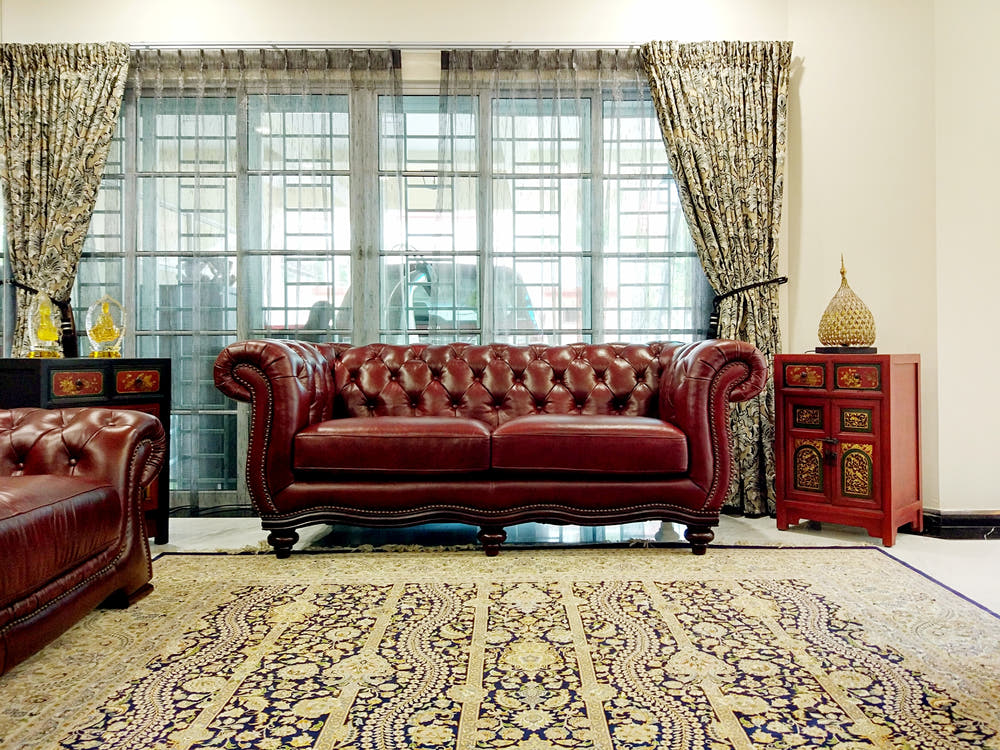
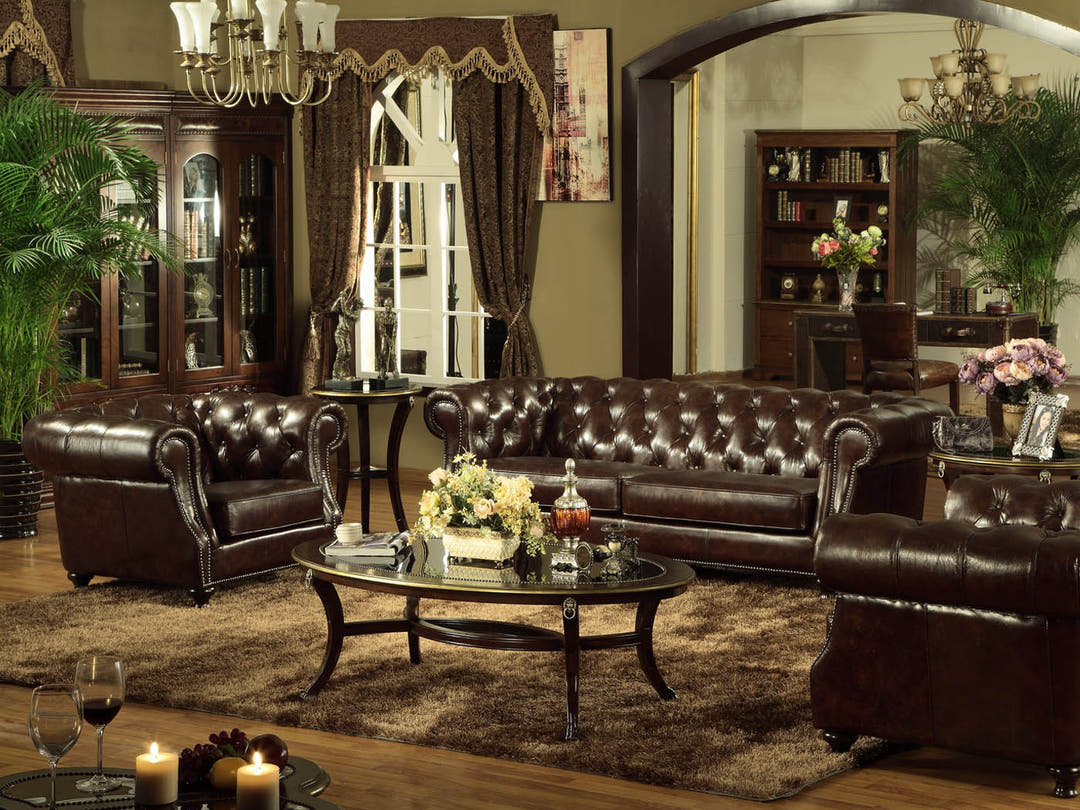
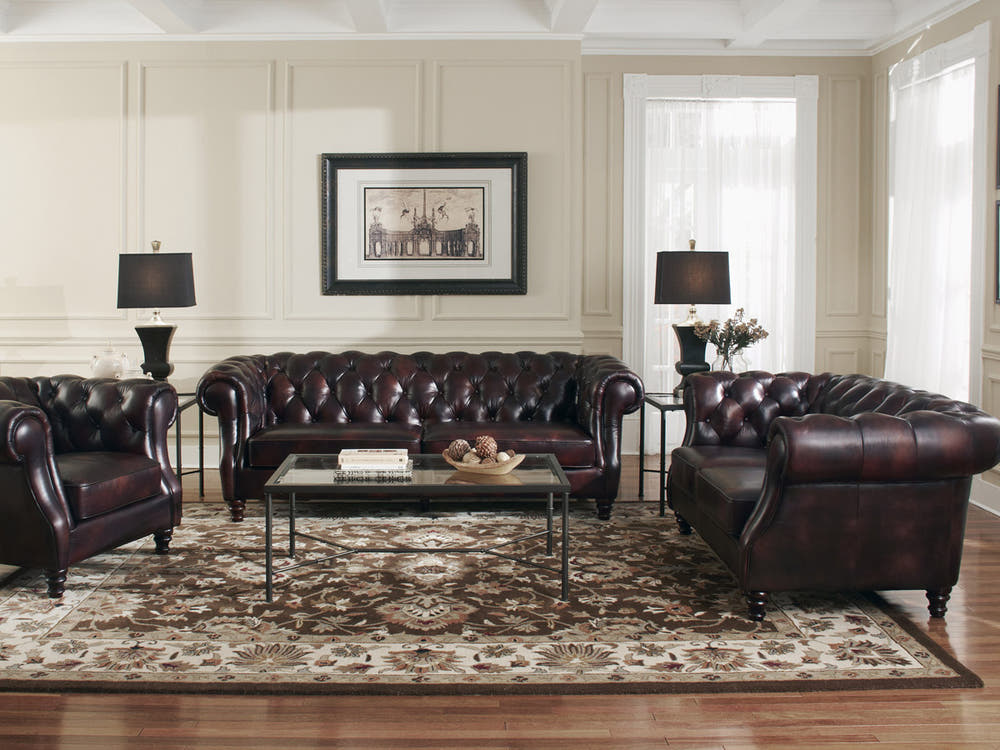
Chesterfield sofas have a rare superpower: they change the atmosphere of a room the moment they arrive. Deep button tufting, rolled arms, and a tailored silhouette create instant character. That is why the Chesterfield remains globally popular—from London townhouses and New York lofts to Singapore apartments and boutique hotel lobbies.
But Chesterfields are not perfect for everyone. Many of the “downsides” buyers experience come from one simple truth: the original Chesterfield was designed for formal sitting, not modern lounging.
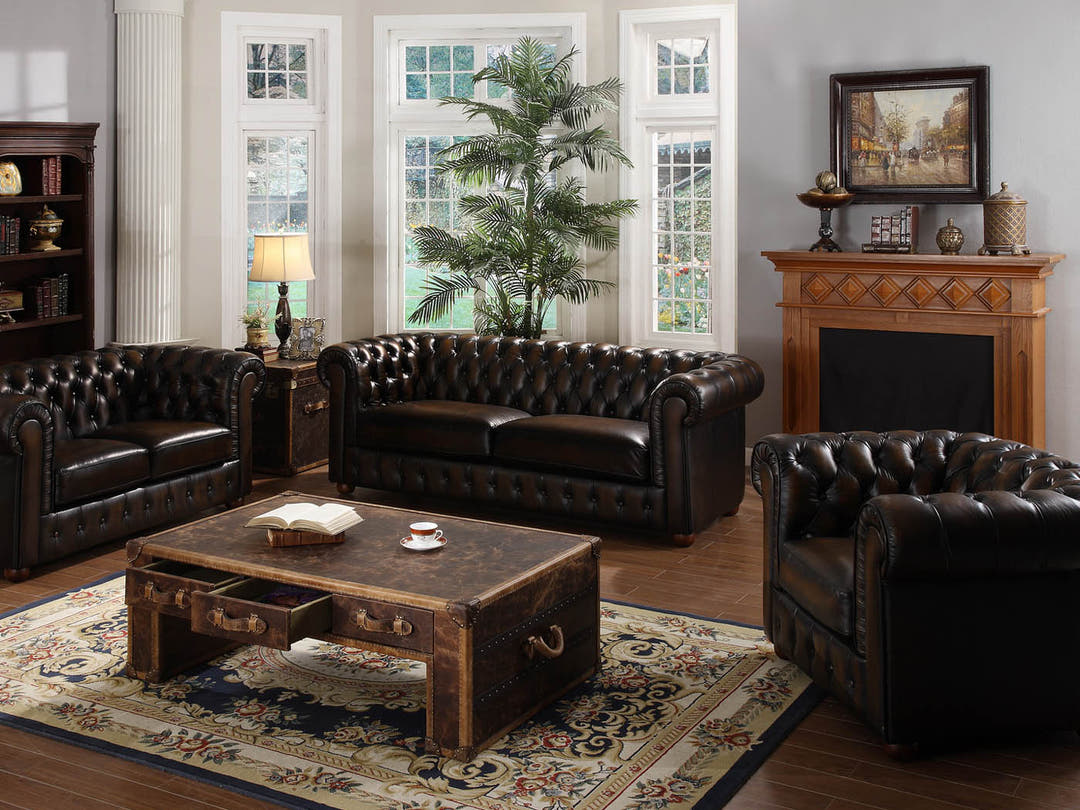
Historically, the Chesterfield’s purpose aligned with an era of official events and social etiquette—gentlemen in tailored suits or tuxedos sitting upright, looking composed, and rising without the creases and rumpling that come from slouching. The Chesterfield was meant to hold posture and preserve appearance.
Modern living is different. We lounge. We watch TV for hours. We sprawl. We use sofas as daybeds. We want relaxed comfort—without giving up style.
So when people ask, “What are the disadvantages of Chesterfield sofas?” the better question is: Which Chesterfield are we talking about—traditional proportions or modern proportions?
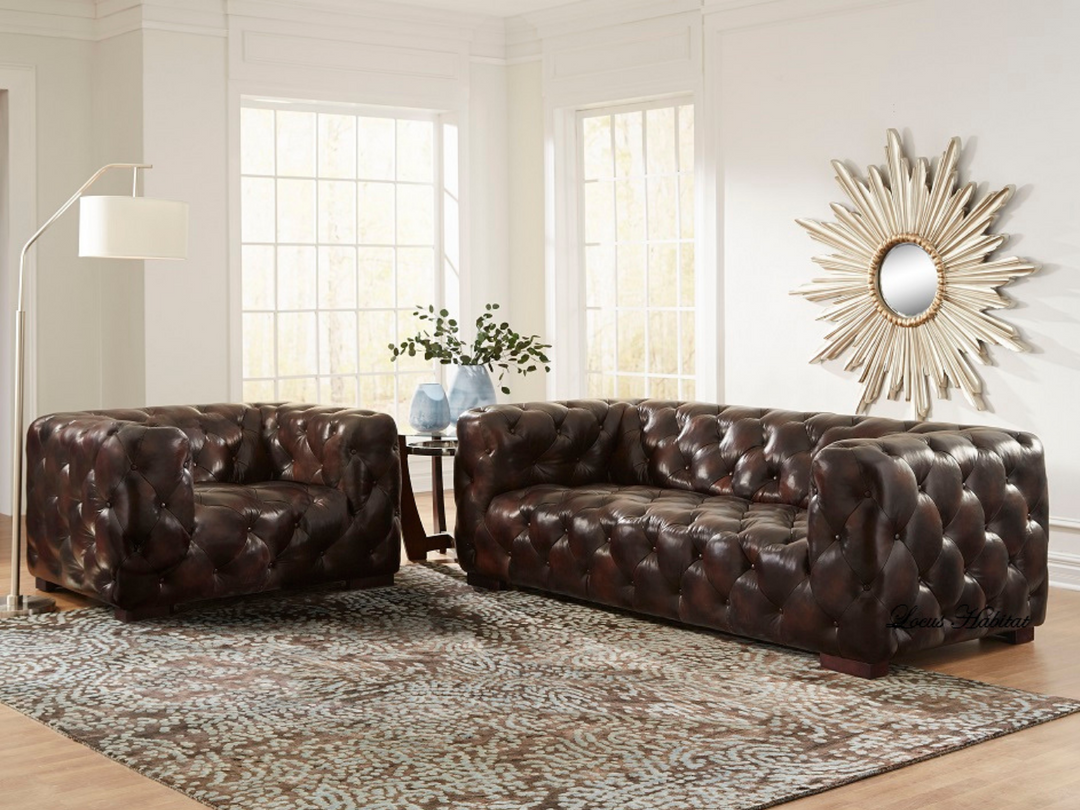
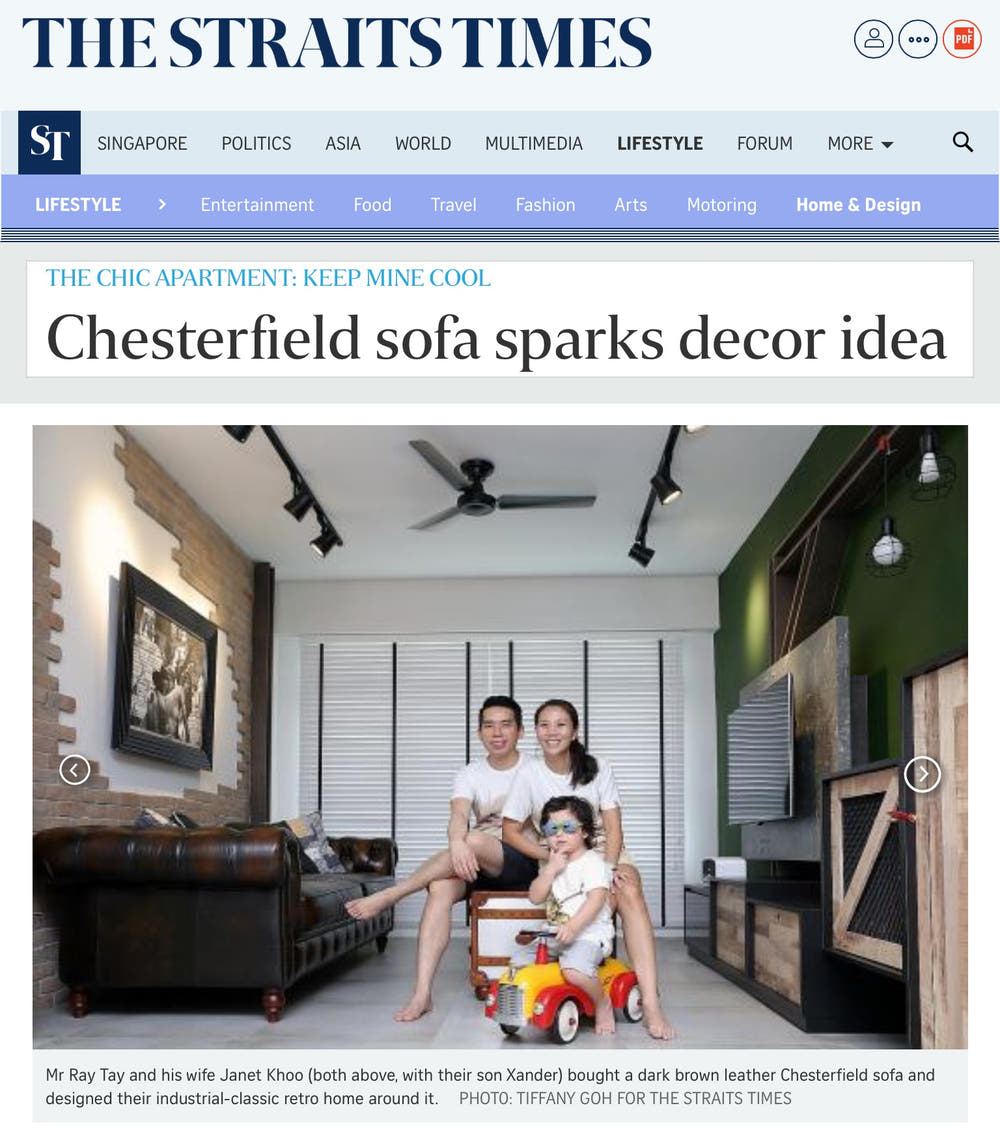
Because here is the key evolution: modern Chesterfields can be engineered to feel more casual and look more contemporary by changing seat depth, back support, and—most visually important—sleeker base proportions that make the sofa feel lighter, less traditional, and less “boxy.”
This guide explains the real disadvantages of classic Chesterfields, then shows how modern design updates (especially a refined base and lighter proportions) solve them.
The disadvantages of Chesterfield sofas (and why they exist)
1) Traditional Chesterfields can feel too upright for lounging
The drawback: Classic Chesterfields often encourage formal posture. The back angle and seat depth can feel “conversation-friendly” but less comfortable for long TV sessions or full-body lounging.
Why it happens: The design was created for composed sitting—structured, upright, and dignified.
Modern fix: A modern Chesterfield can keep the iconic rolled arms and tufting while introducing:
-
a deeper seat for lounging
-
a slightly more relaxed back angle
-
cushion options that feel less rigid
This moves the experience from “official reception” to “living room comfort.”
2) The seat depth on classic models can feel shallow
The drawback: Some traditional Chesterfields are not deep enough for people who like to curl up, sit cross-legged, or lie down.
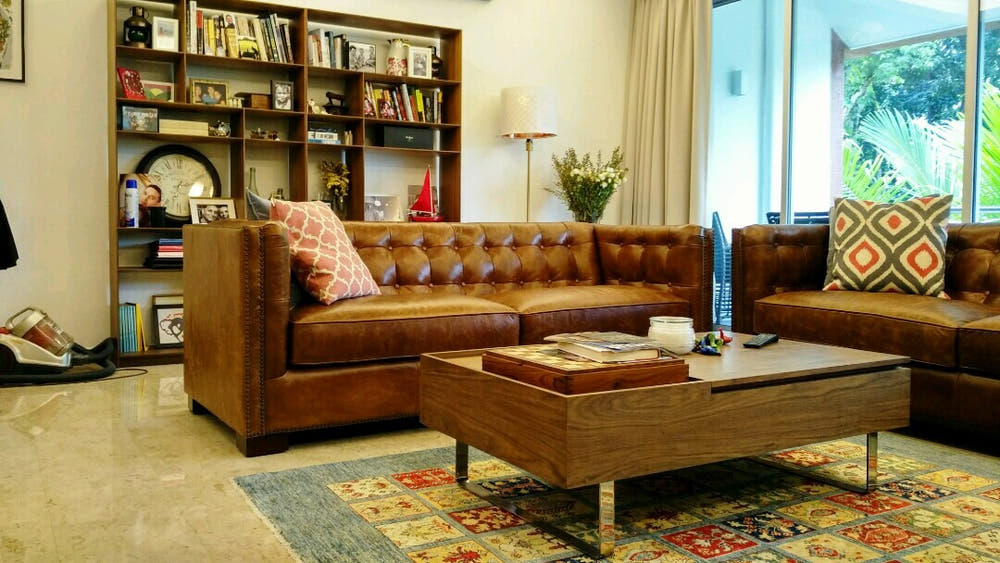
Modern fix: Deep-seat Chesterfields—often used as lounge or TV-room sofas—solve this immediately. With extra depth, many clients naturally use them like daybeds. The additional depth also allows high back cushions to be placed behind you to increase back support while keeping the seat comfortable.
3) Rolled arms reduce usable seating width in compact homes
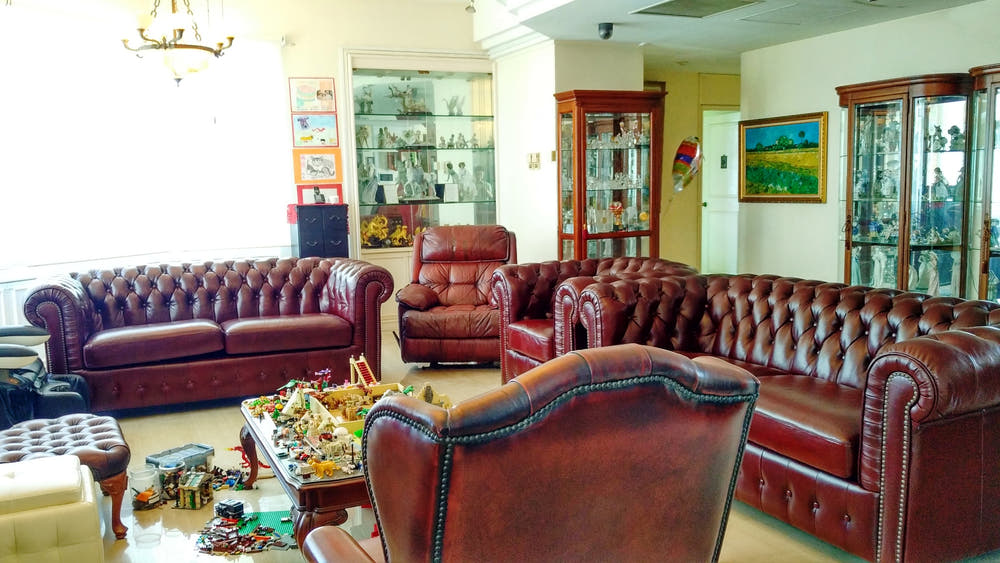
The drawback: Rolled arms are part of the Chesterfield identity, but they take up space. Two sofas with the same external width can offer different internal seating width, and the Chesterfield may “seat less” than a slim-arm modern sofa.
Modern fix: Modern Chesterfields often introduce:
-
slimmer arm profiles (while keeping the roll character)
-
cleaner transitions between arm and seat
-
slightly extended seat width within the same footprint
For apartment living, those small proportional refinements matter.
4) Back support can be divisive
The drawback: Some Chesterfields look dramatic but do not support the upper back and neck the way a high-back lounge sofa does.
Modern fix: There are two practical approaches:
-
choose a modern Chesterfield design with a higher back profile
-
use a deep seat that allows high back cushions to sit comfortably behind you, elevating back support for TV watching and long lounging sessions
5) Deep tufting collects dust and requires more maintenance
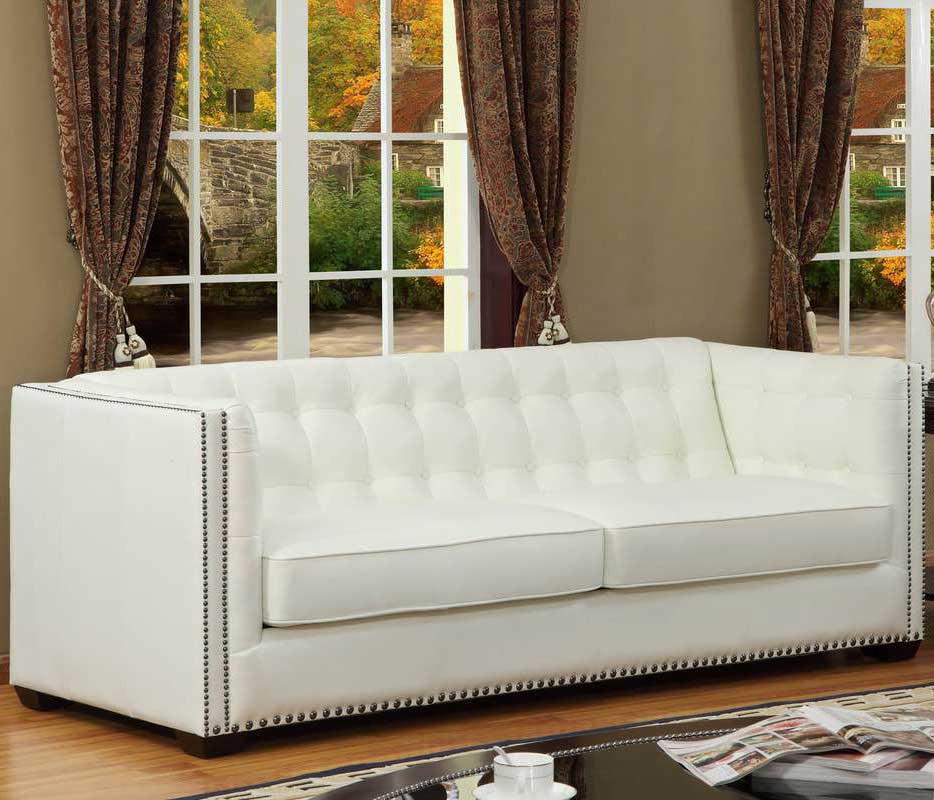
The drawback: Tufting is beautiful, but real life includes crumbs, pet hair, and dust. The valleys around buttons can trap debris.
Modern fix: You can reduce this disadvantage by choosing:
-
tufting on back and arms, with a simpler seat surface (easier daily cleaning)
-
a leather finish or fabric tone that is forgiving
-
routine vacuuming with a soft brush attachment
6) Leather can feel temperature-responsive
The drawback: Leather reacts to temperature. In cooler environments, it can feel cold initially. In hot and humid climates, it can feel warm or slightly tacky depending on the finish and ventilation.
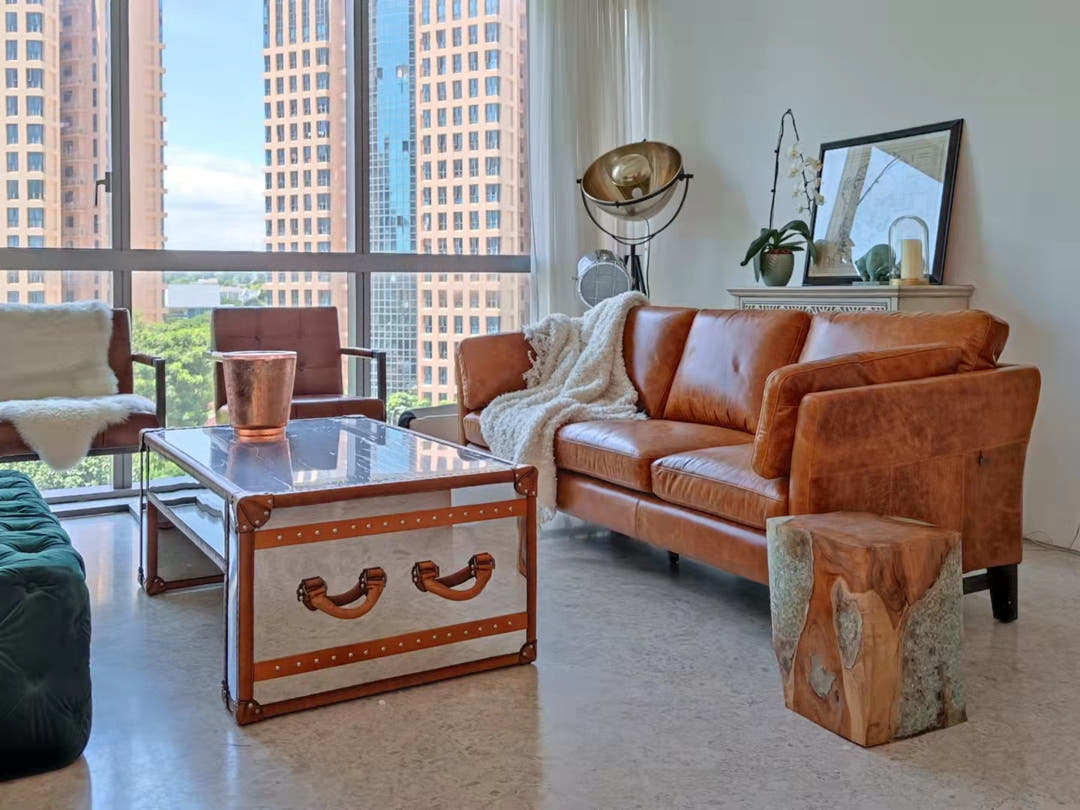
Modern fix: This is less about “Chesterfield” and more about upholstery choice:
-
select leather with a comfortable hand feel (not overly glossy or plastic-coated)
-
position away from direct sunlight
-
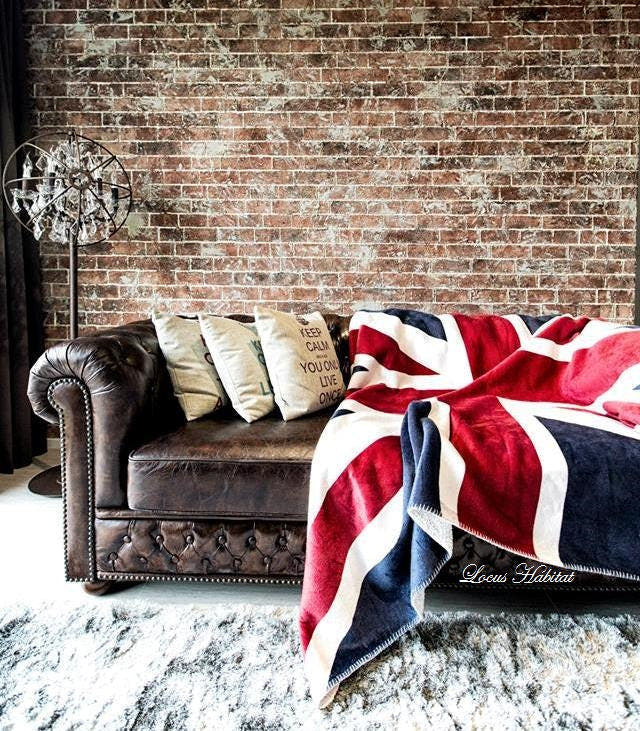
use throws seasonally if needed
-
consider fabric/velvet Chesterfields if climate comfort is the top priority
7) Classic Chesterfields can look “too traditional” in modern interiors
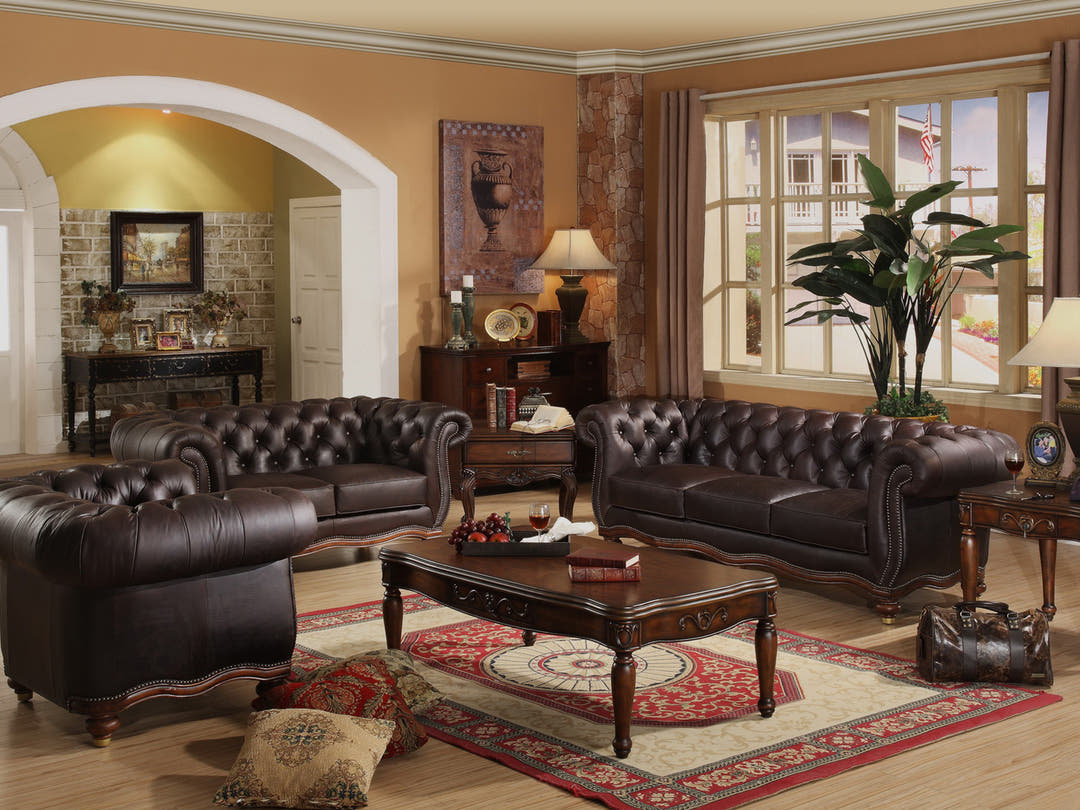
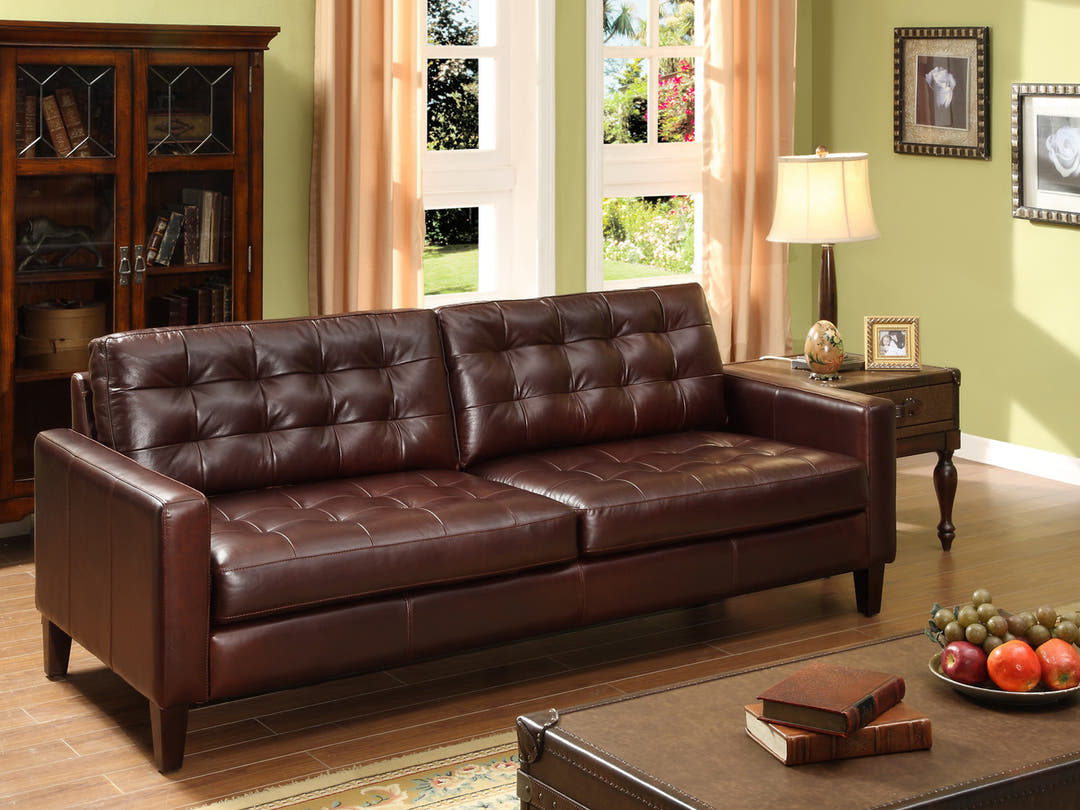
The drawback: This is one of the biggest global objections: buyers love the Chesterfield character but fear it will make the room feel old-fashioned—like a “gentlemen’s club,” overly formal, or visually heavy.
This is where sleeker base proportions become the most powerful modern solution.
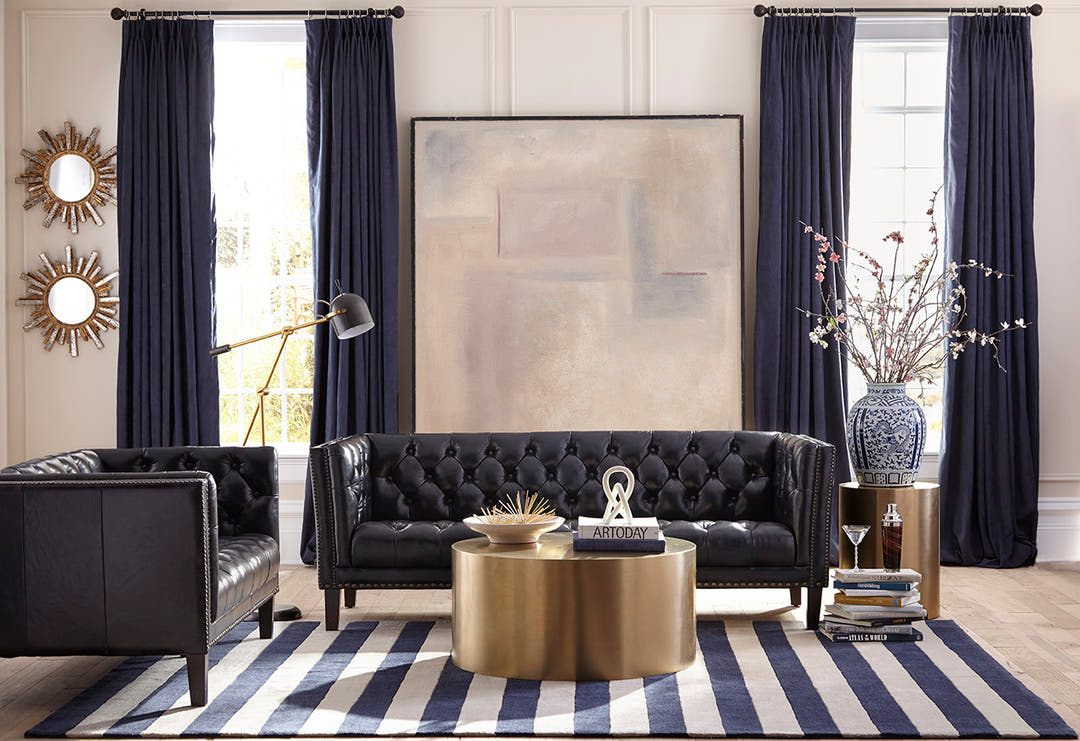
The most important update: sleeker base proportions that make a Chesterfield modern (not boxy)
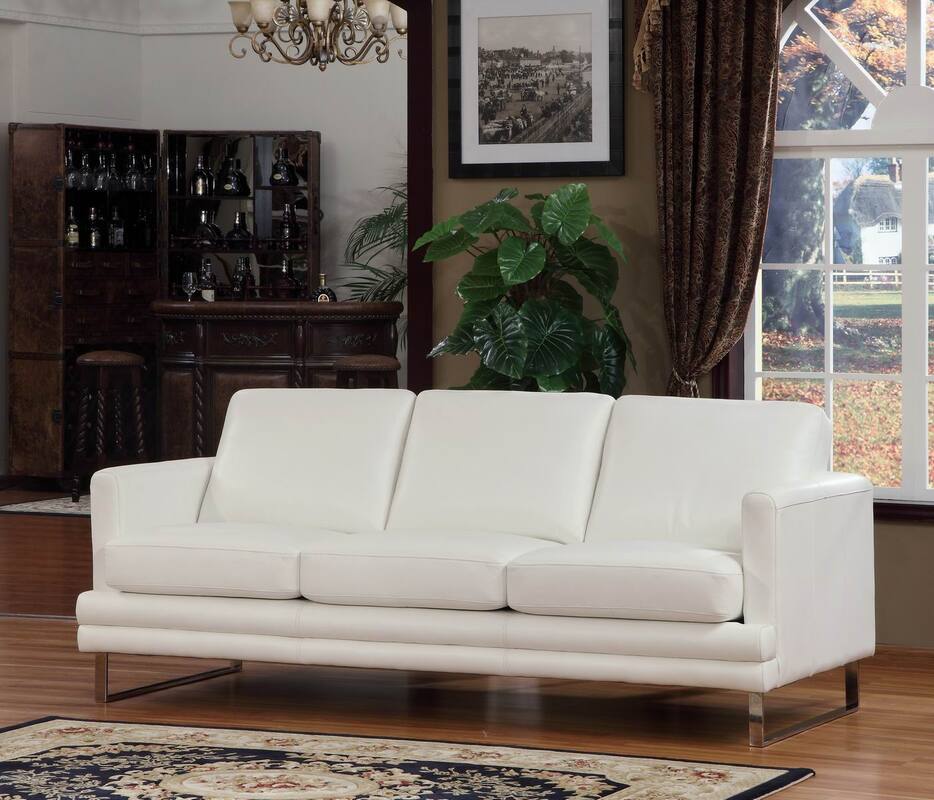
Many people assume a modern sofa must be boxy—straight arms, right angles, and flat panels. That is not the only path to modernity.
A Chesterfield can look contemporary while keeping its curves if the base and stance are redesigned.
How a sleeker base changes the entire visual language
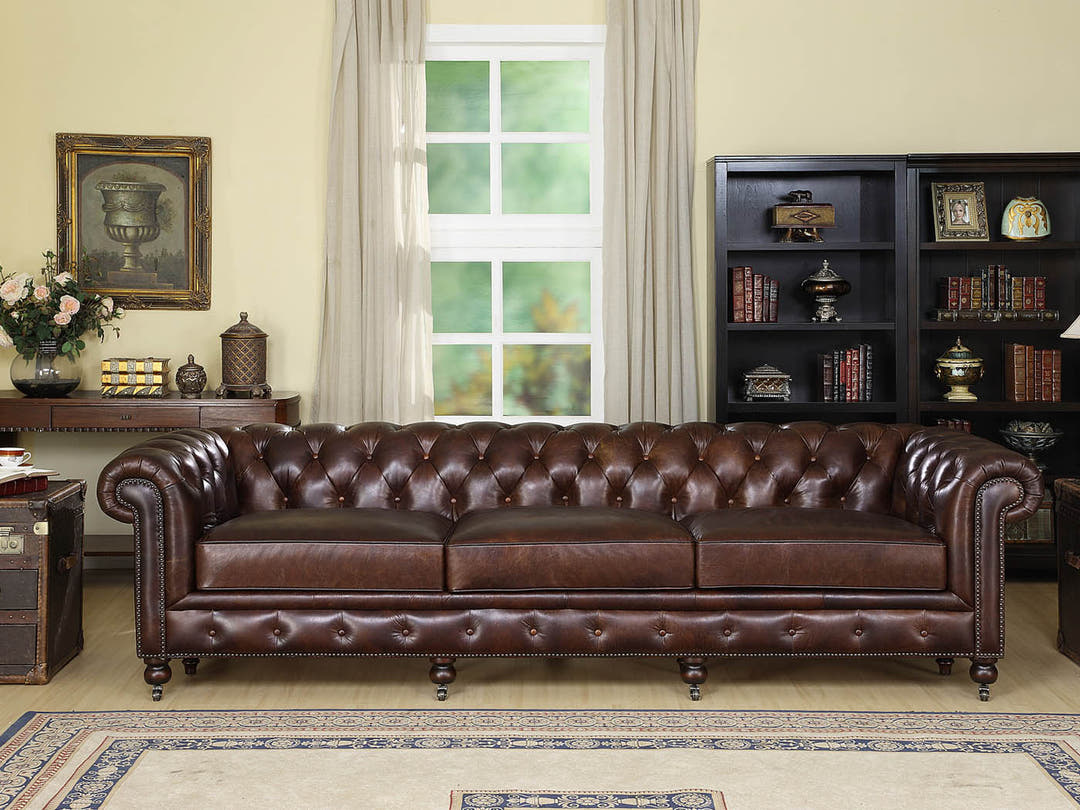
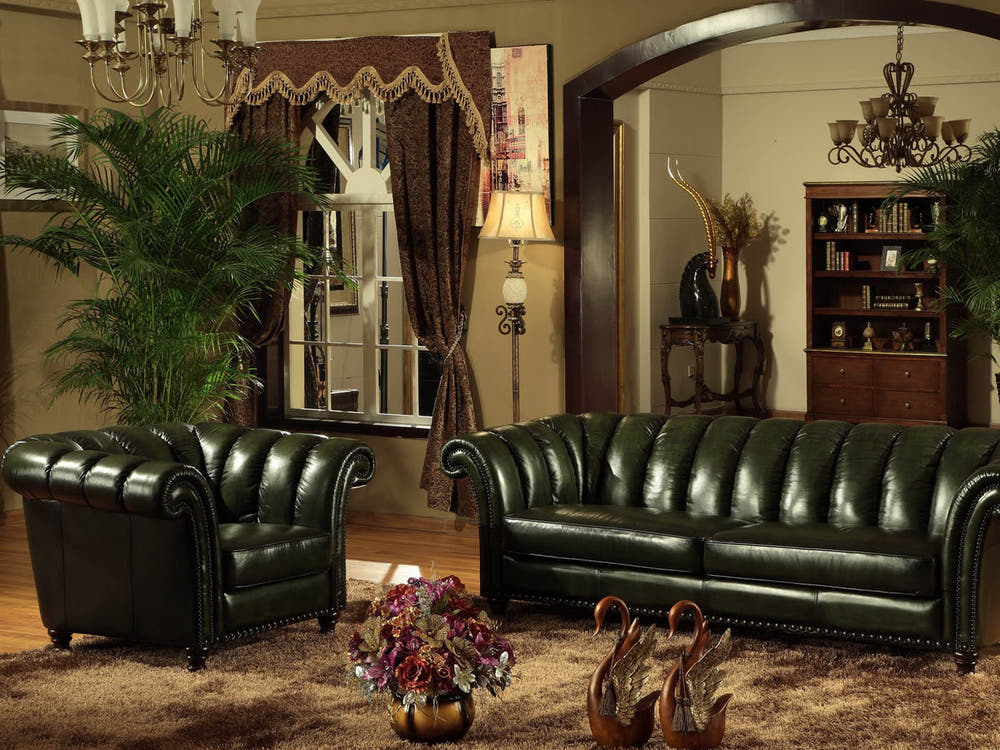
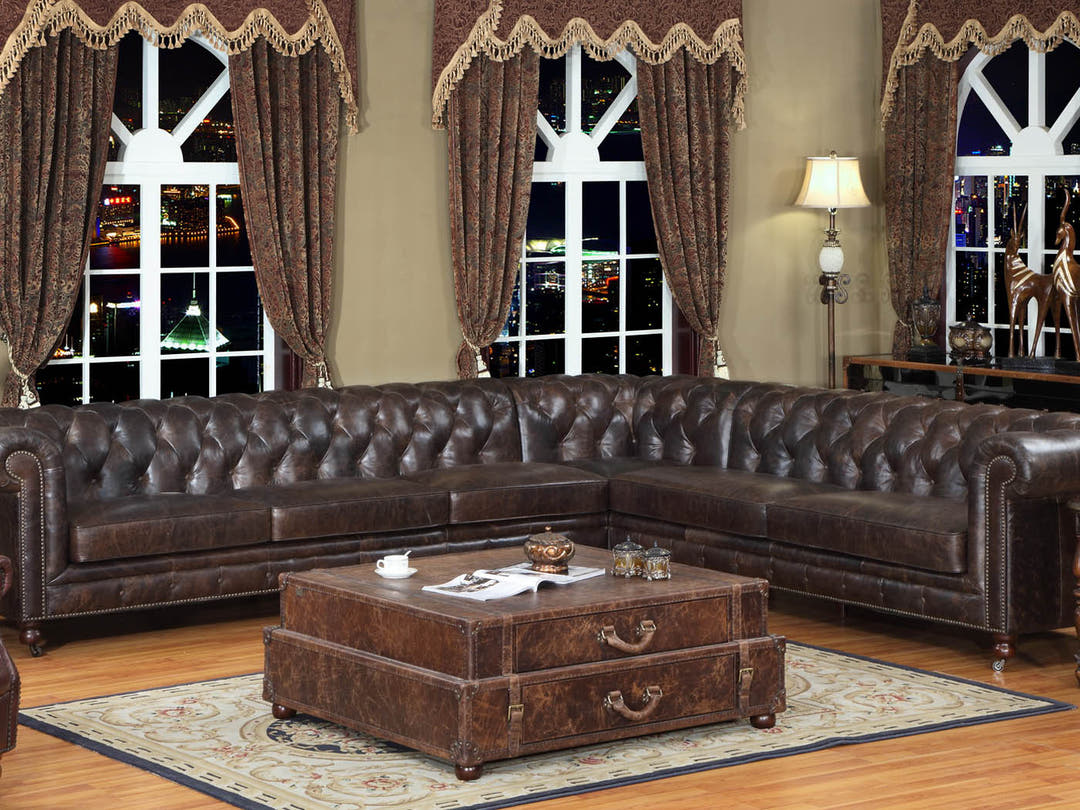
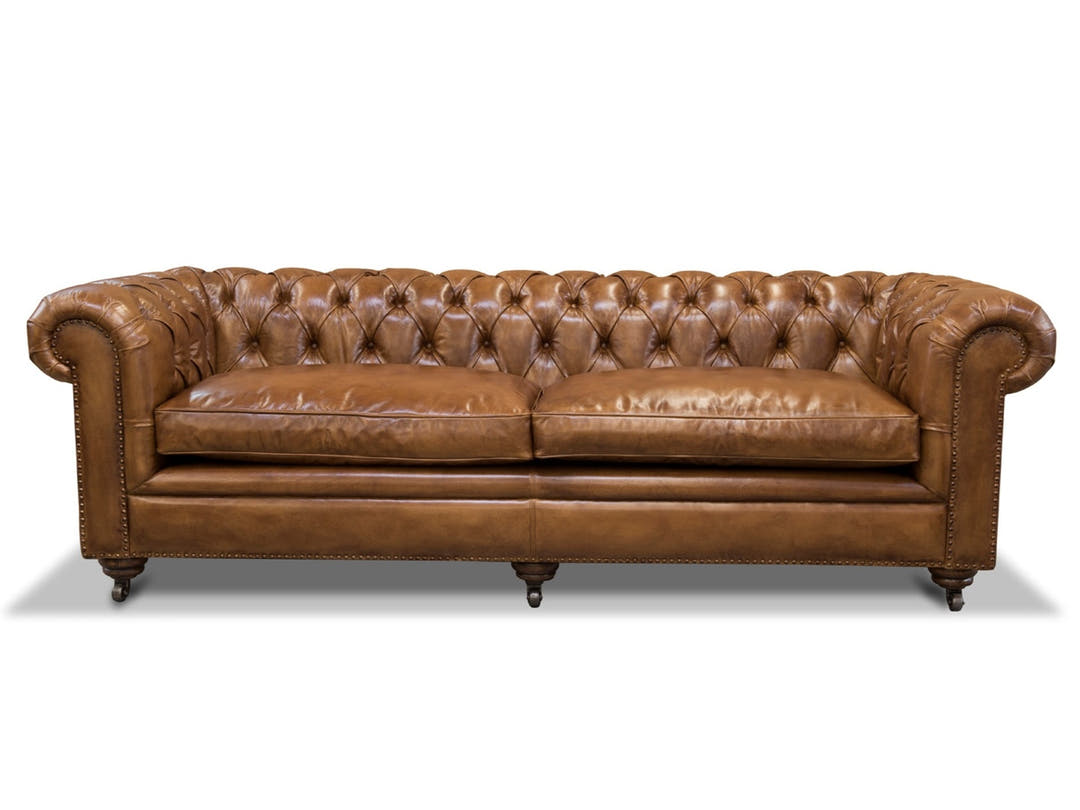
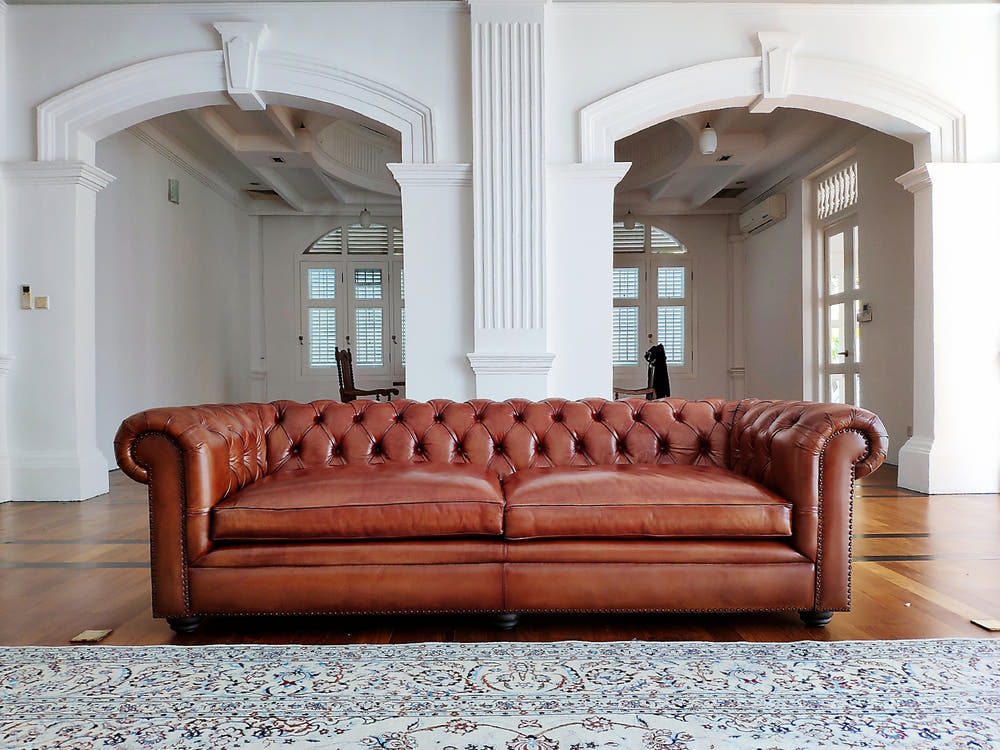
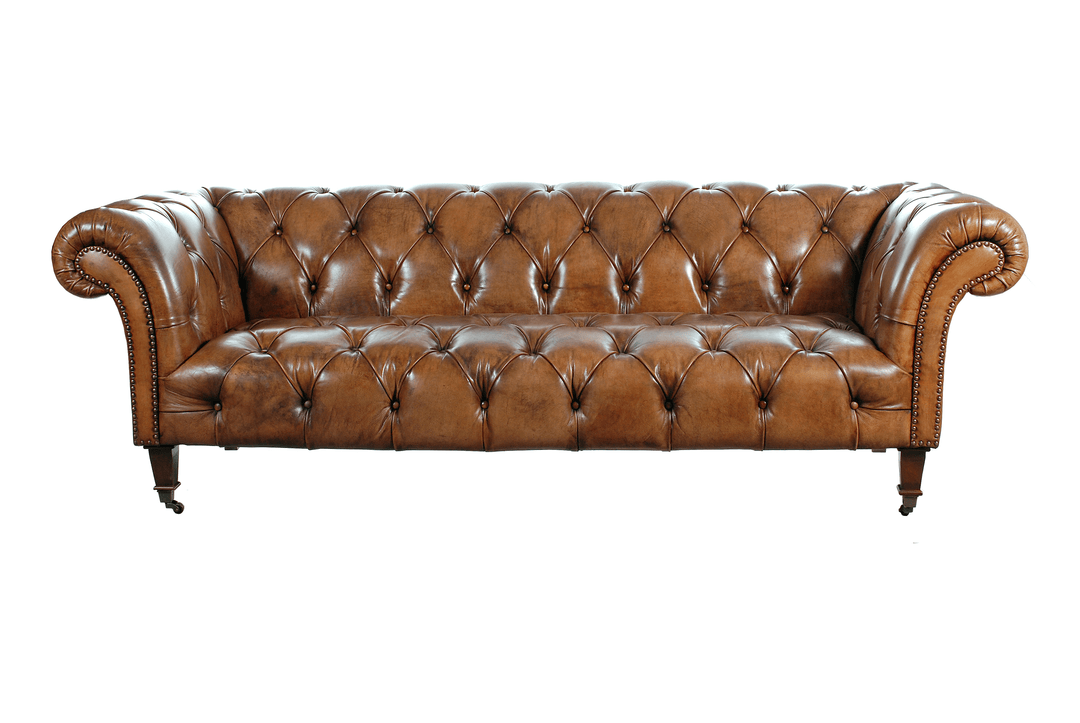
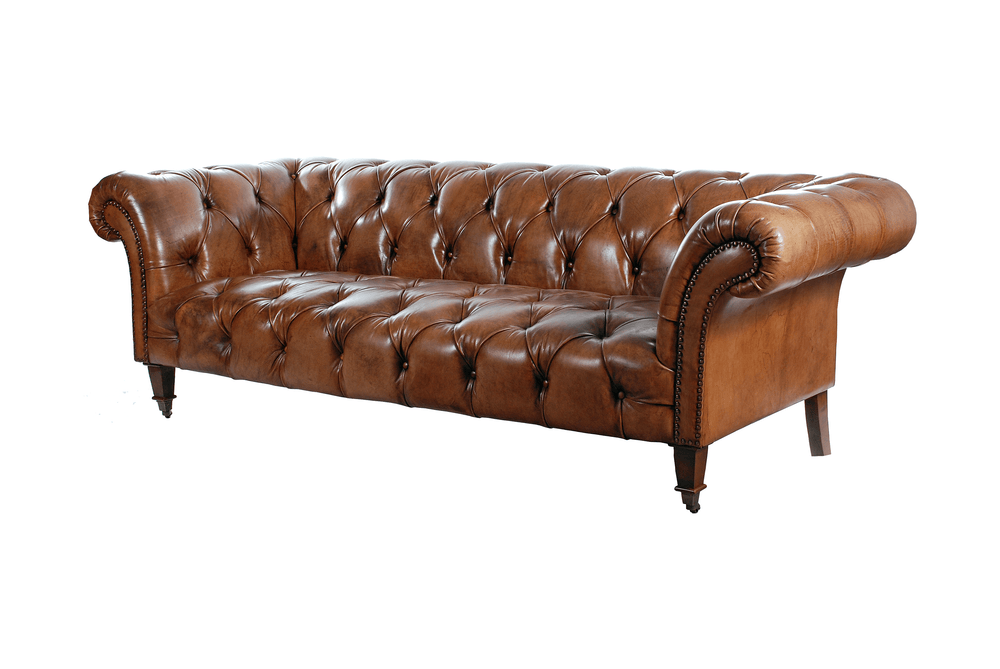
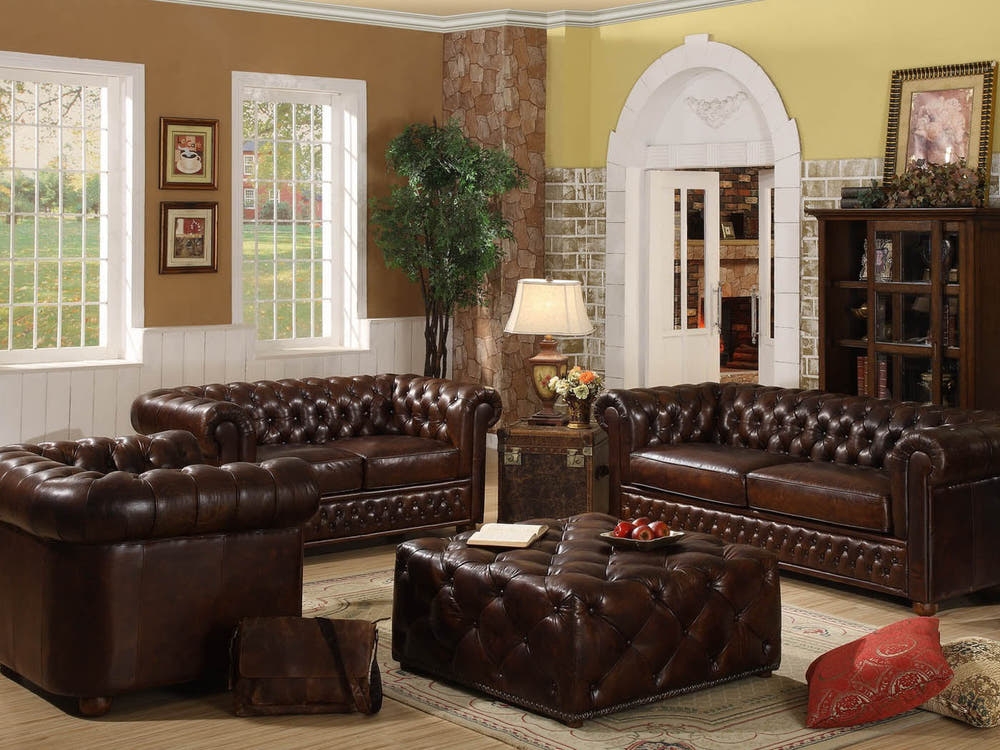
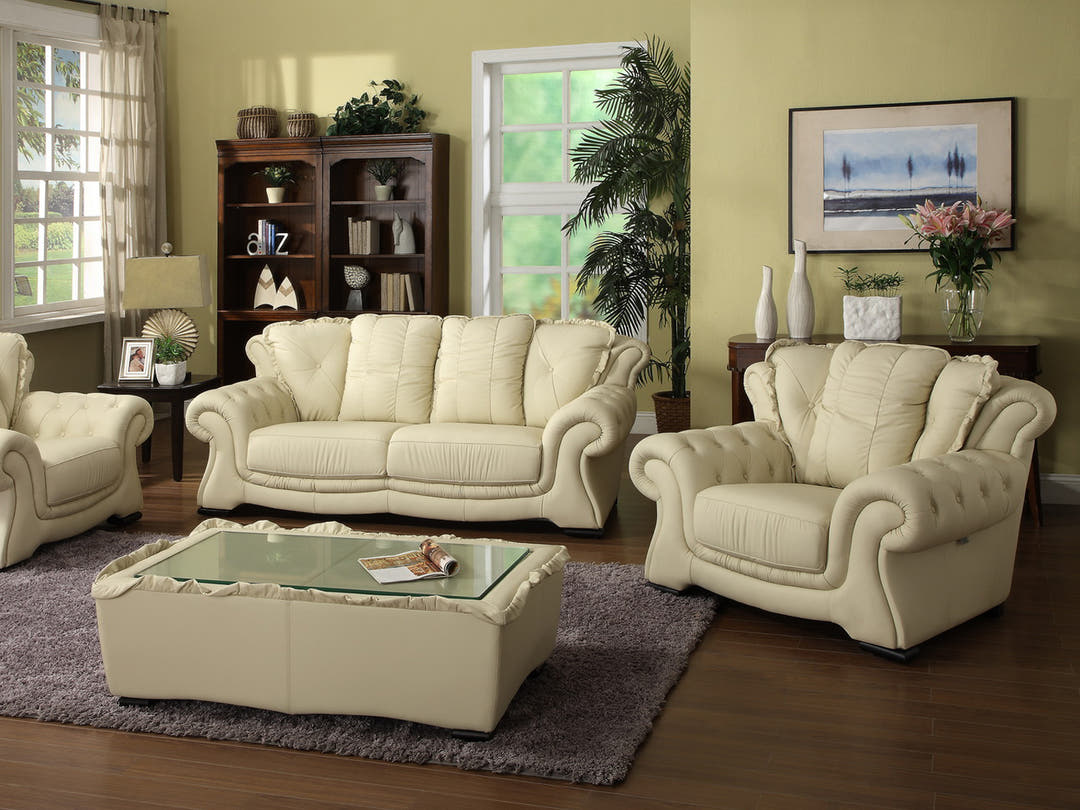
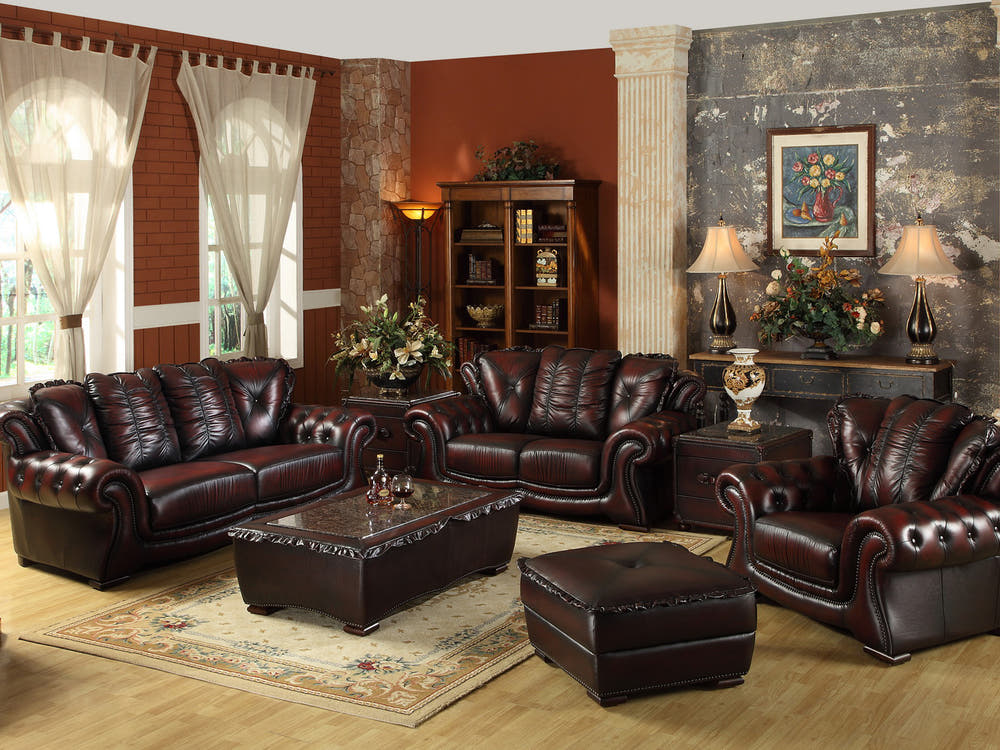
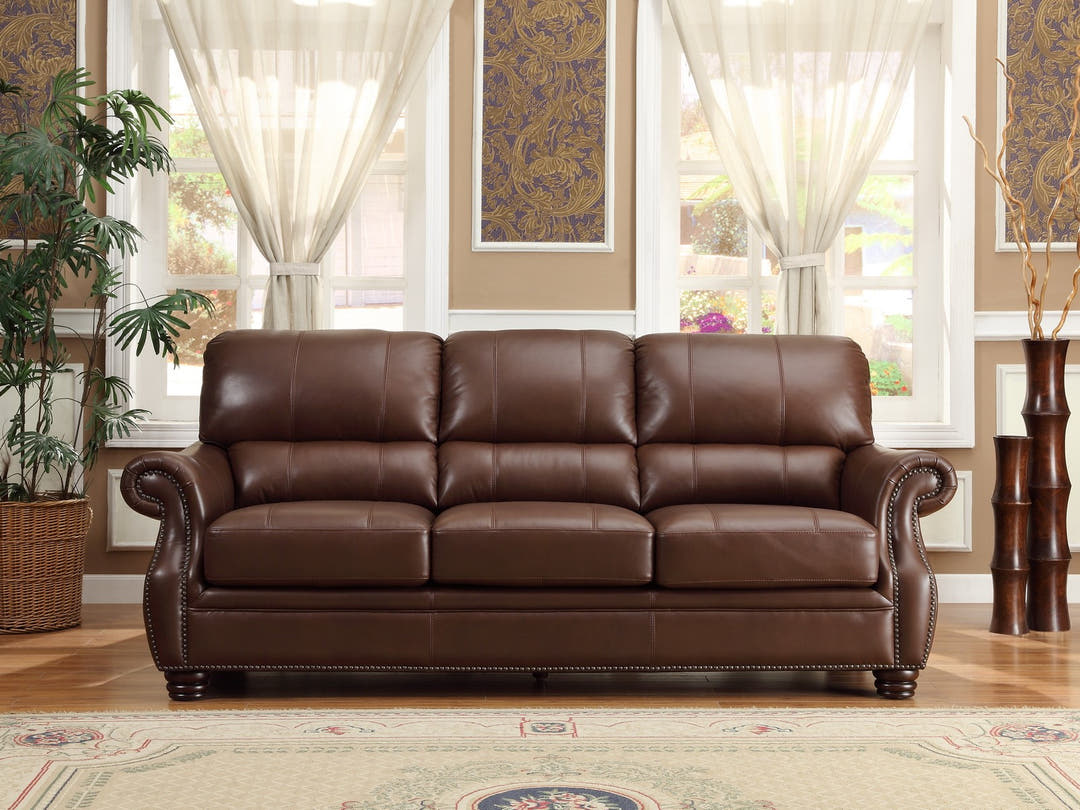
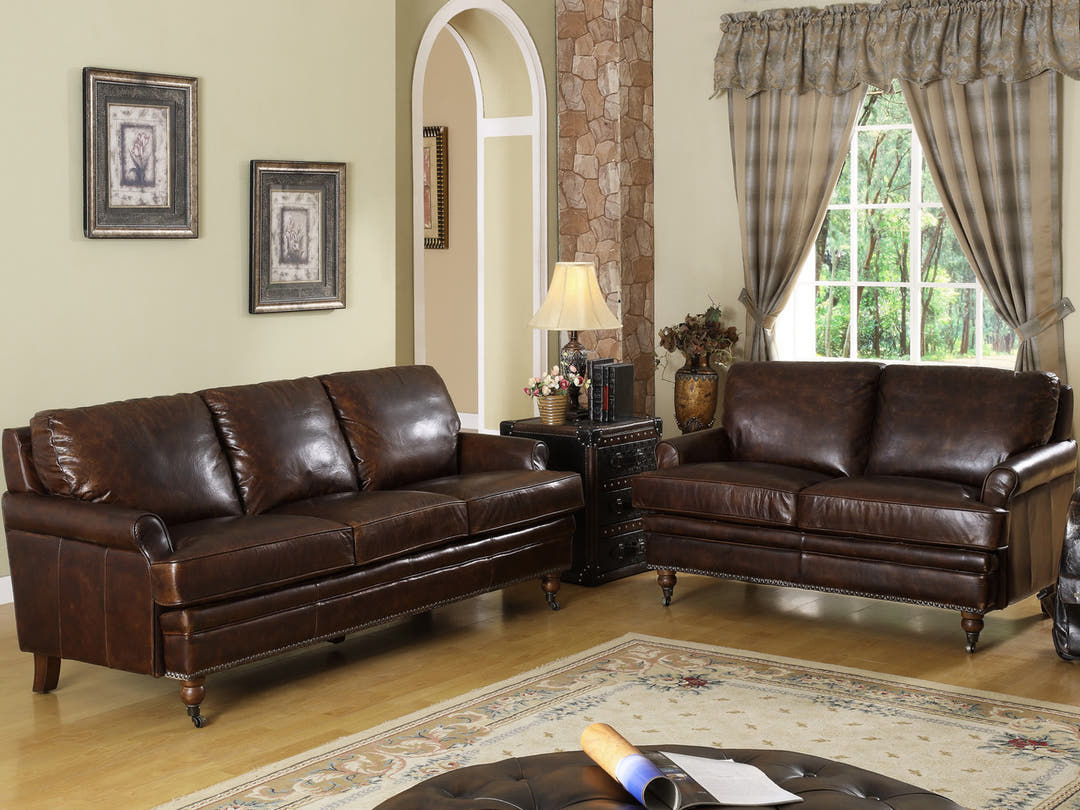
A traditional Chesterfield often sits low and heavy, with a visually thick base. That can read “classic” but also “bulky,” especially in smaller rooms.
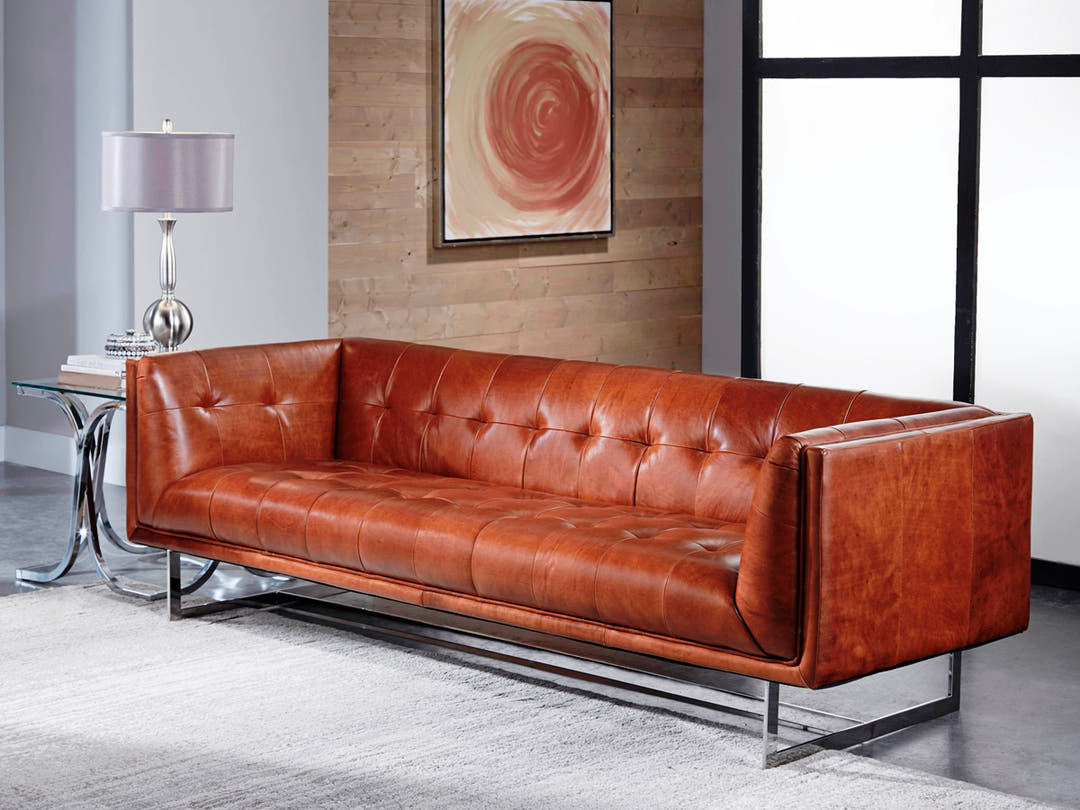
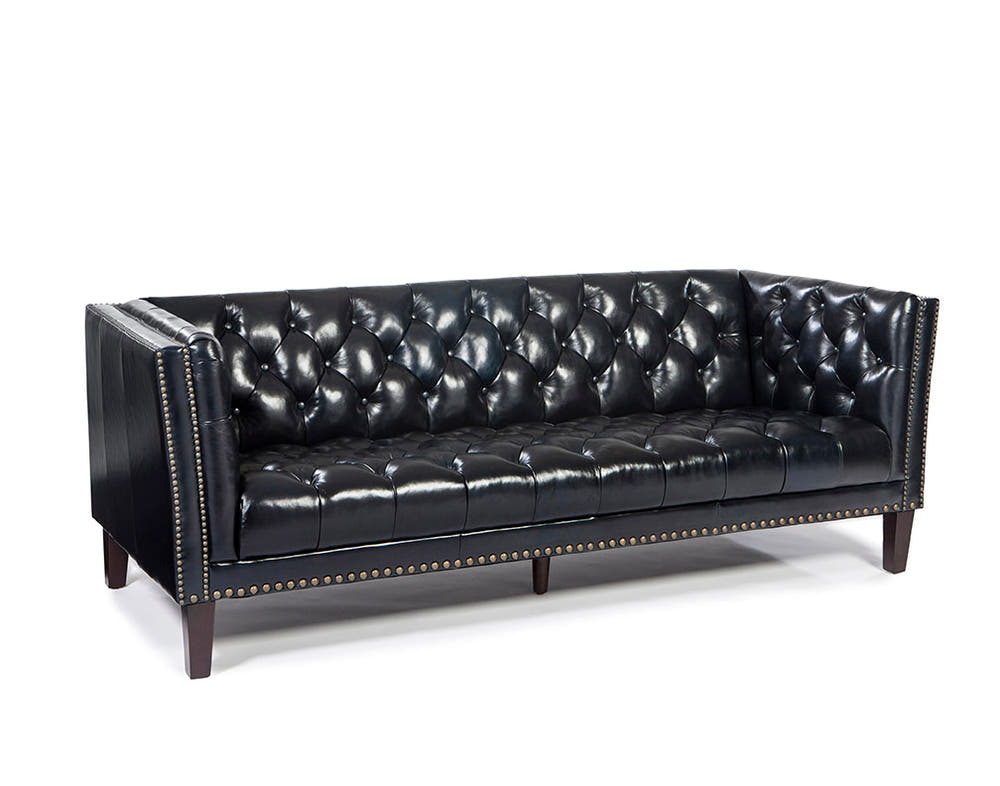
A modern Chesterfield achieves a lighter, less traditional look by refining these proportions:
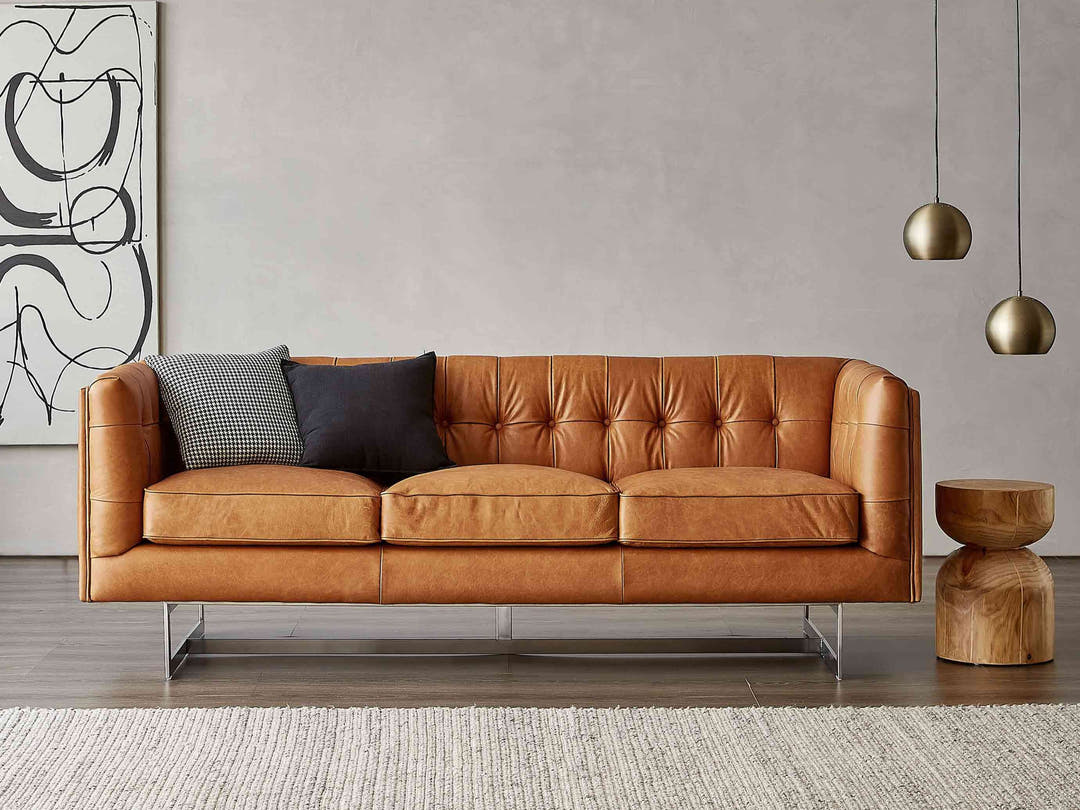
1) Raised visual “float” (more negative space under the sofa)
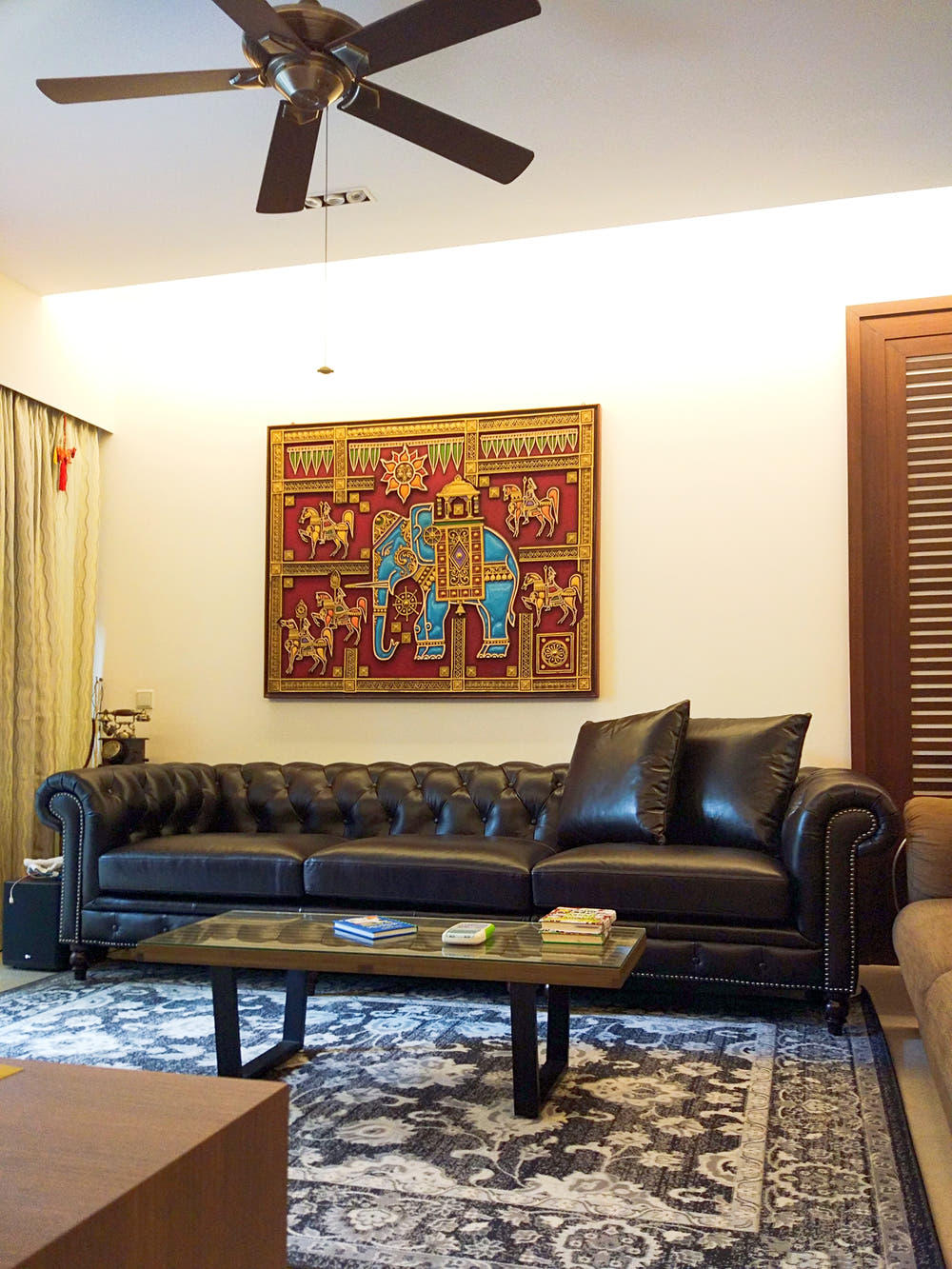
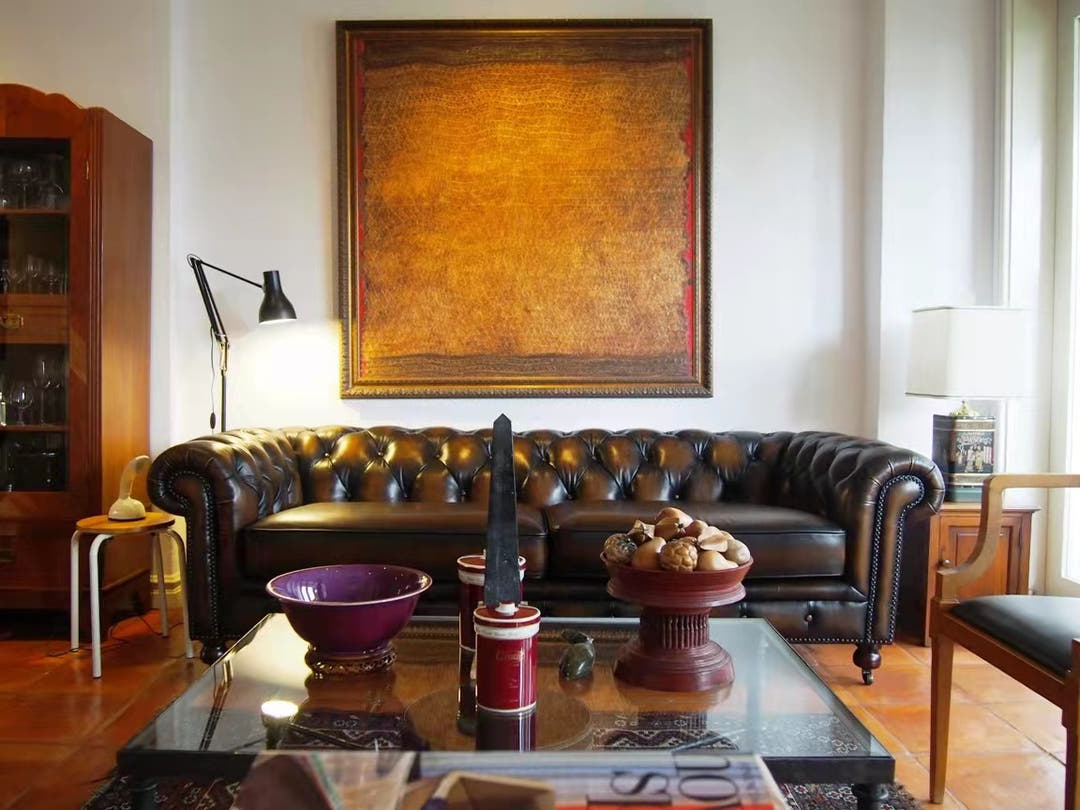
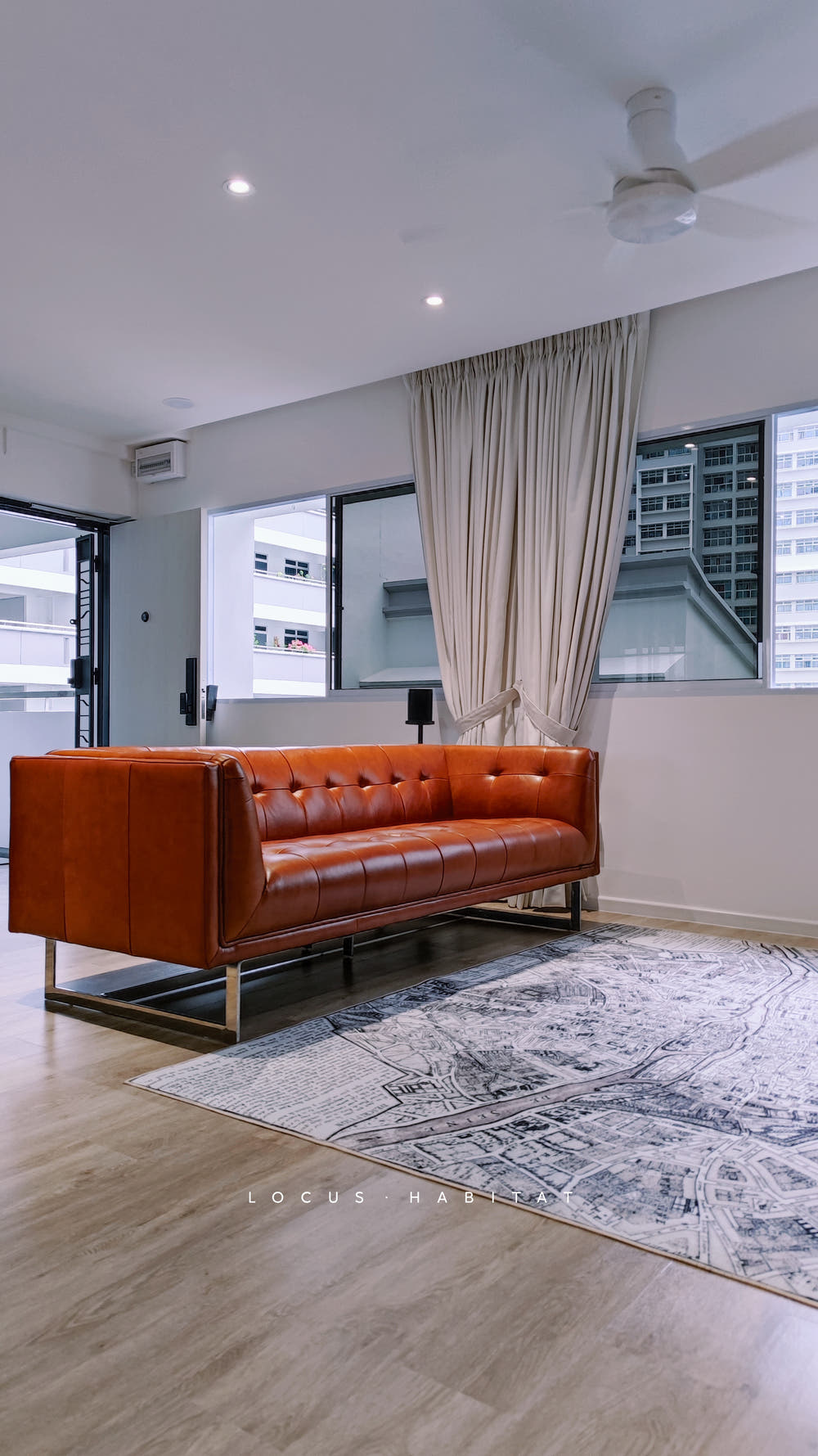
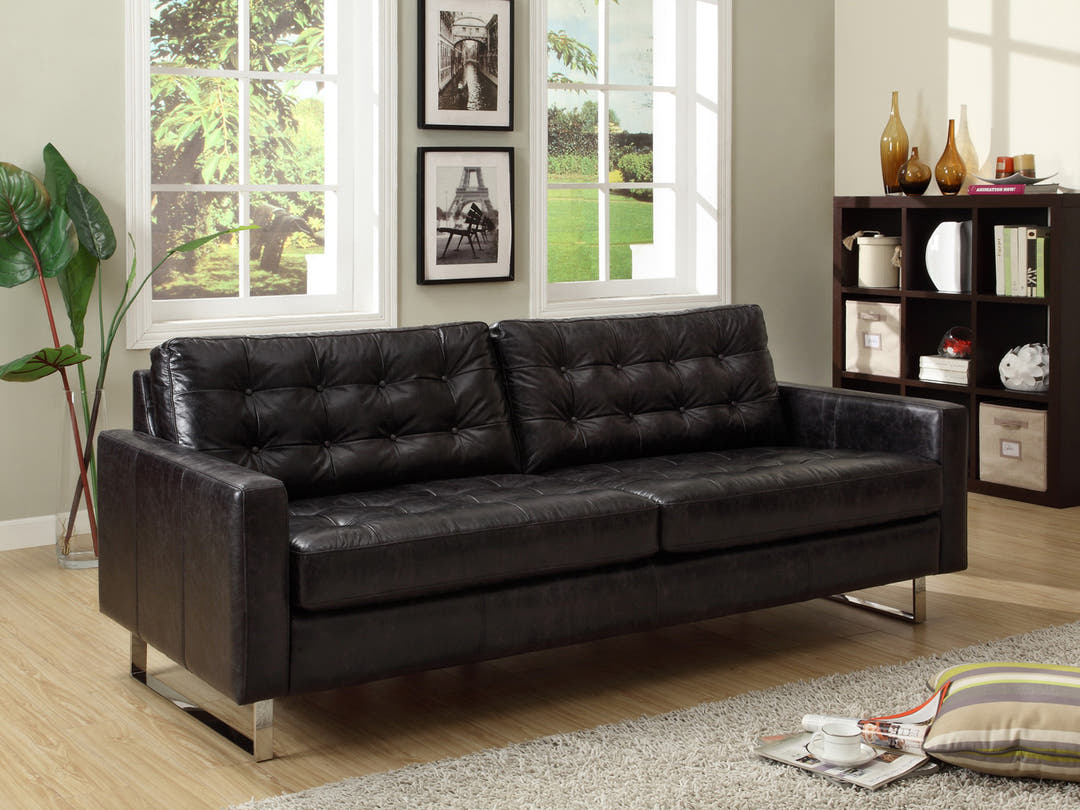
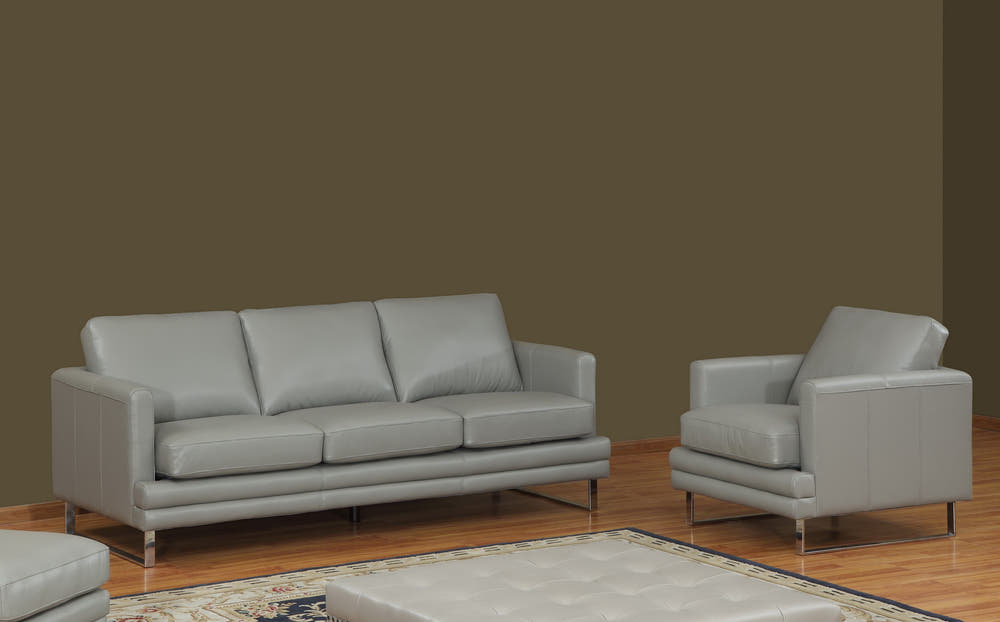
A higher leg profile or a more open base creates visible floor space beneath the sofa. This makes the sofa feel lighter, airier, and more contemporary—especially in urban apartments.
2) Slimmer base rails and cleaner underlines
Reducing the thickness of the bottom rail (the visual band under the seat) immediately removes the “block” feeling. The sofa reads as tailored rather than heavy.
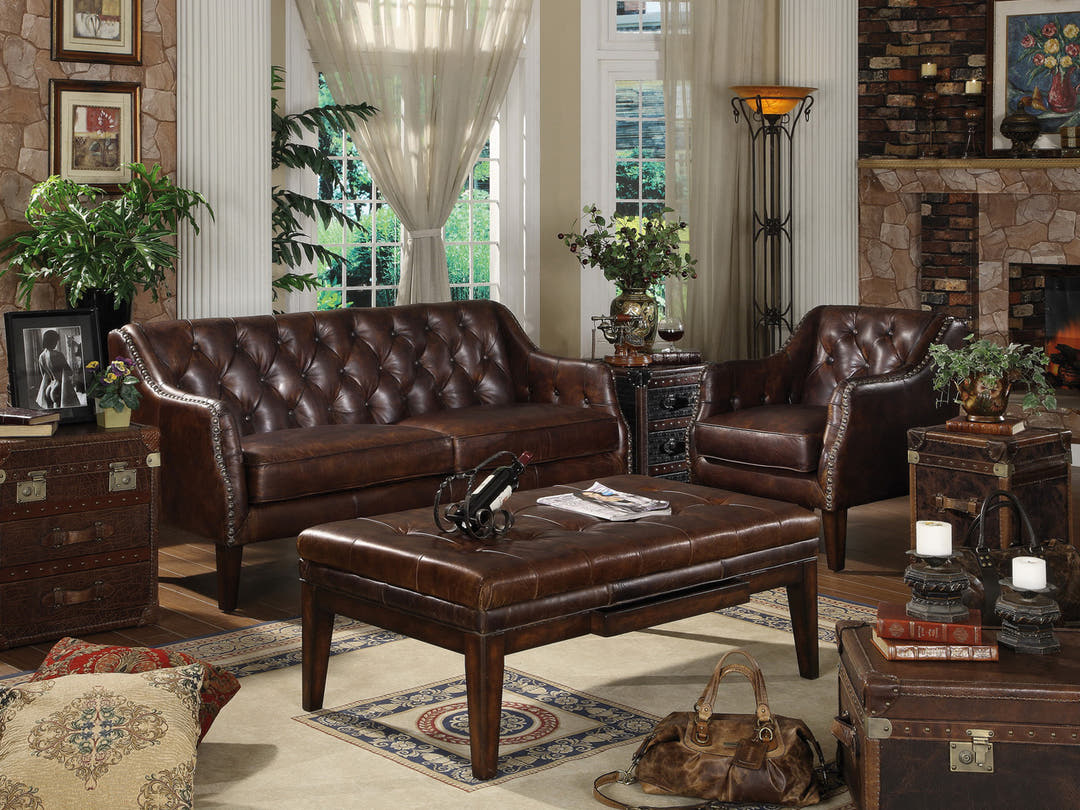
3) Tapered or refined legs instead of short, stout feet
Leg design has an outsized impact on perceived era. Refined leg profiles can turn a Chesterfield from traditional to modern without touching tufting or arms.
4) A more streamlined silhouette while keeping iconic cues
Modern Chesterfields often keep the rolled arm but tighten the radius, sharpen the upholstery lines, and reduce visual bulk. The result is a Chesterfield that feels current—still recognizable, but not costume-like.
Outcome: The sofa stops looking like a traditional block and starts looking like a sculpted lounge piece—classic character with contemporary posture.
Modern Chesterfield vs “boxy classic”: why the Chesterfield can be the smarter modern choice
Boxy modern sofas can look minimal, but they often lack warmth and character. The modern Chesterfield solves that by giving you:
-
curves that soften sharp interiors
-
tufting that creates depth and shadow
-
a silhouette that anchors a room without requiring decorative clutter
-
a modern base that keeps the overall look light
So the Chesterfield can be modern without becoming generic.
How Locus Habitat addresses Chesterfield disadvantages through modern design
At Locus Habitat, the Chesterfield is treated as a design language that can be tuned to lifestyle.
Over time, as the needs of clients evolved—from formal seating to relaxed family living—the Chesterfield design has been adjusted to become more comfortable for modern usage without sacrificing support and character.
1) Exceptionally deep modern Chesterfields for lounge and TV rooms
For clients who want a Chesterfield as a daily lounge sofa, deeper seating allows the sofa to function like a daybed. This depth also enables high back cushions to be placed behind the sitter, elevating back support for long sessions—movies, reading, naps, and weekend rest.
2) Multiple models for different posture preferences
Not every client wants the same experience. Some want a formal, upright seat for reception settings. Others want a relaxed posture for casual living. By offering varied models, the Chesterfield becomes adaptable: a style that matches how you live, not how people lived centuries ago.
3) Sleeker base proportions to look modern, not traditional
A major part of modernizing the Chesterfield is eliminating visual heaviness. With refined base proportions and a more streamlined stance, the Chesterfield becomes:
-
lighter in appearance
-
less traditional in styling
-
easier to integrate into contemporary interiors
-
visually balanced even in small urban homes
At Locus Habitat, you can always find a Chesterfield that suits your lifestyle—whether your goal is formal hosting, relaxed daily lounging, or a modern statement piece that does not look boxy or generic.
Quick decision checklist: is a Chesterfield right for you?
A Chesterfield may not be ideal if you:
-
want an ultra-soft, sink-in sectional feel with minimal structure
-
dislike tufting maintenance
-
need maximum seating width in a small footprint
A modern Chesterfield is ideal if you:
-
want character without clutter
-
value ambience and a tailored room identity
-
want a sofa that can be tuned for formal or relaxed posture
-
want a modern look without the “boxy sofa” aesthetic
Conclusion: the “disadvantages” are mostly solved by modern proportions
Chesterfield sofas do have disadvantages—when you buy them as if every Chesterfield is the same.
The traditional Chesterfield was designed for formal posture and structured elegance. Modern life demands deeper lounging, better back support options, and a silhouette that looks contemporary rather than heavy.
That is why modern Chesterfields—especially those with sleeker base proportions—are the practical answer. They keep the iconic Chesterfield identity but remove the visual boxiness and lifestyle friction that turn some buyers away.
If you love the Chesterfield atmosphere but want a sofa that truly fits how you live today, choose a Chesterfield that has been designed for modern comfort, modern posture, and a modern stance.