


Why Are Chesterfield Sofas So Expensive? A Global Guide to Pricing, Value, and the “Something More”

Pricing is an interesting topic because it is rarely just about the object.
What is the price a thirsty person in the desert will pay for a bottle of clean, fresh water? In a normal city, you can argue about brands and margins. In the desert, pricing turns into value—immediate, personal, undeniable. You do not pay for plastic and a label. You pay for relief, reassurance, and a feeling of being taken care of.
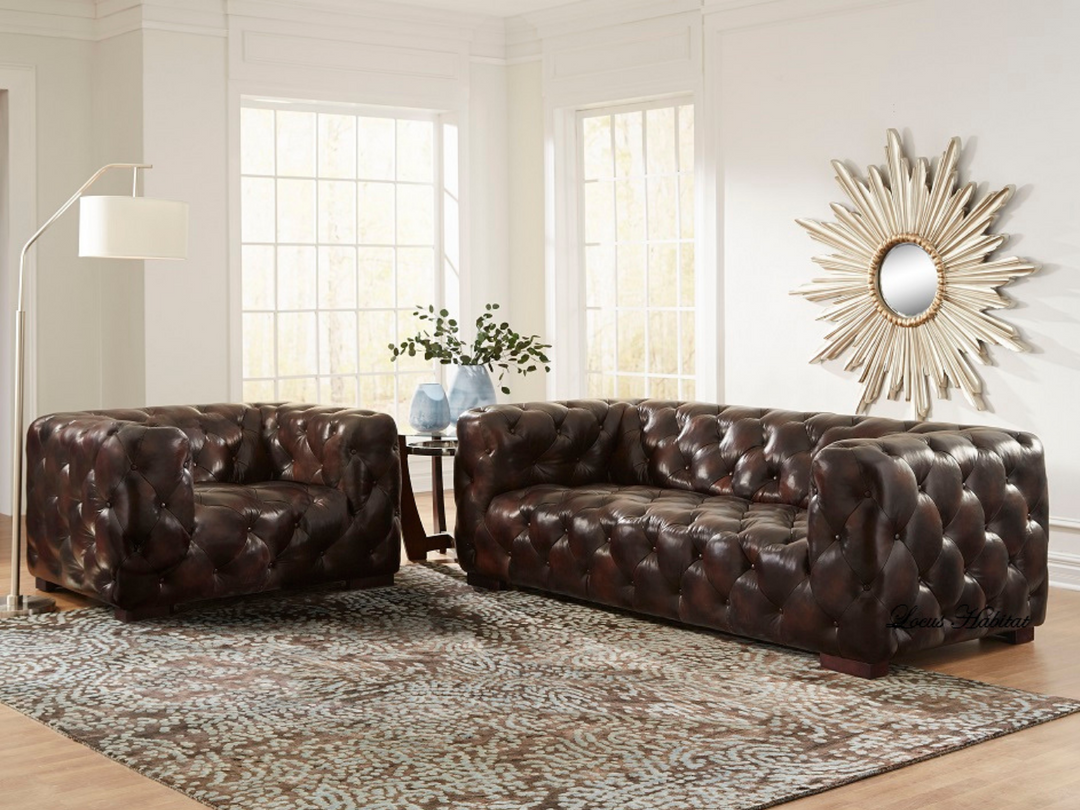
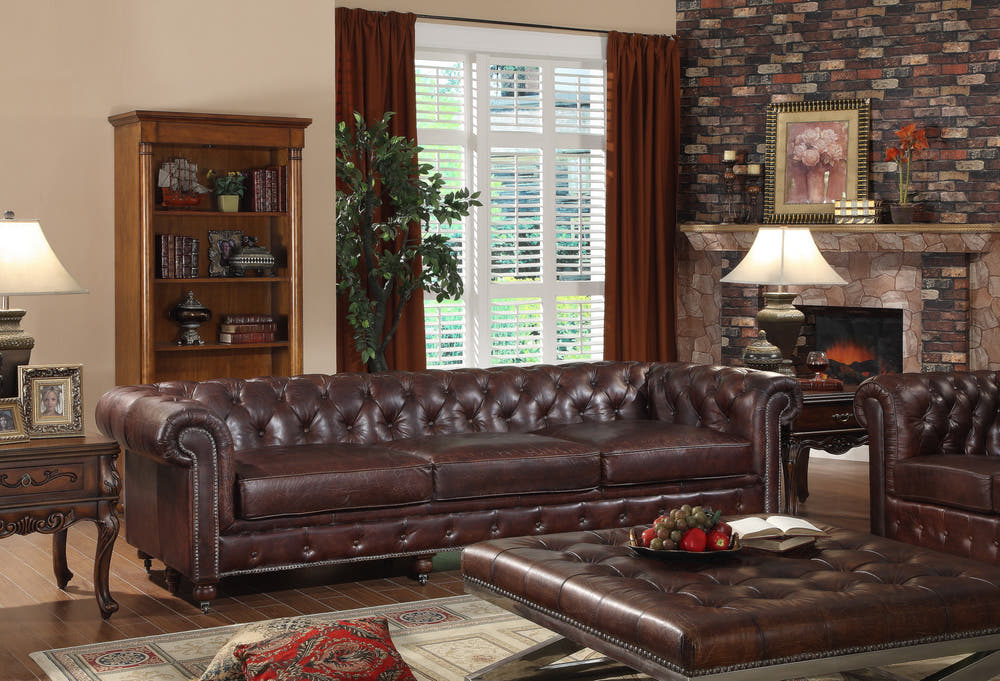
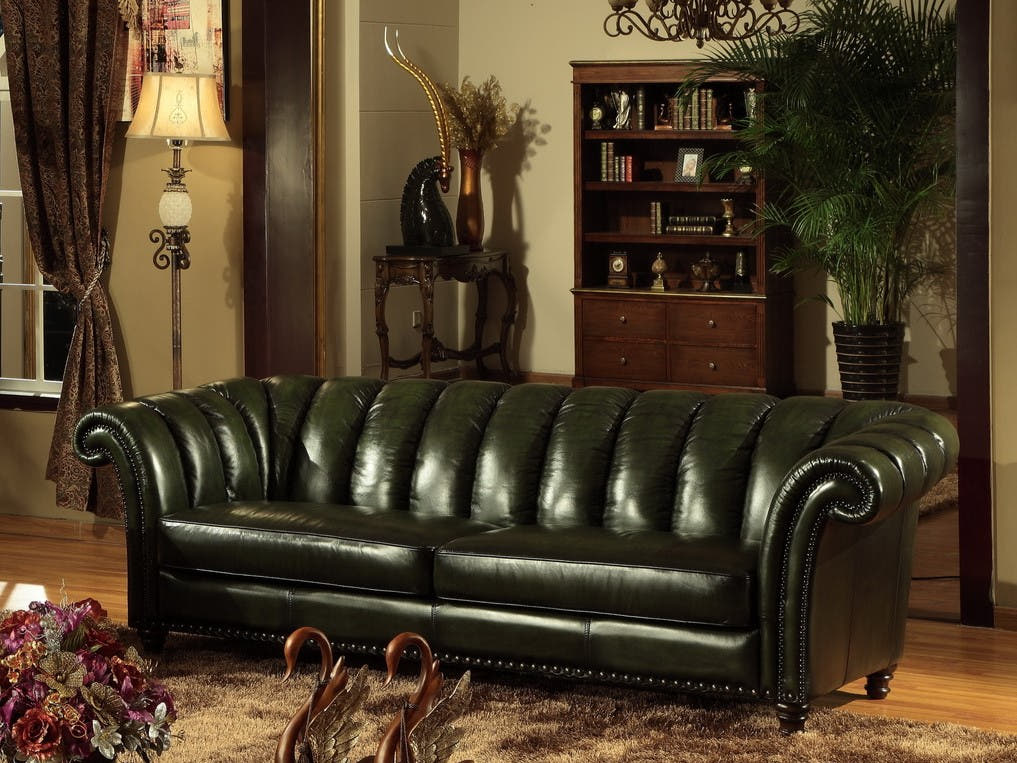
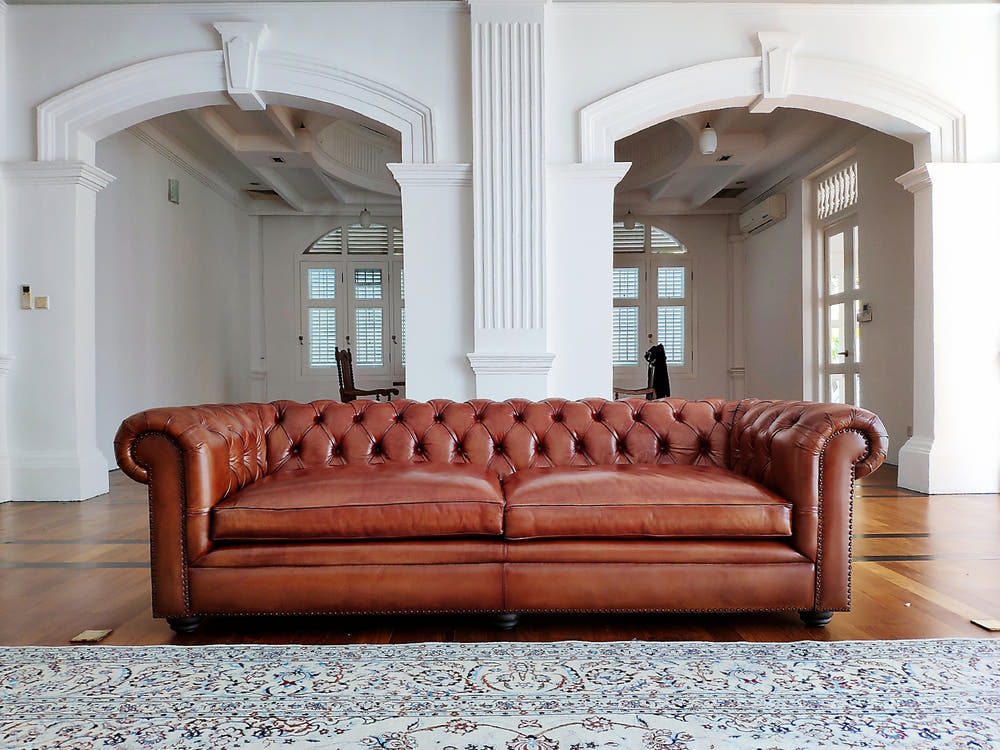
A Chesterfield sofa sits in a similar psychological category—obviously not life-and-death, but very much “more than a seat.” People who search for a Chesterfield sofa globally are often not searching for somewhere to sit. They are searching for a certain atmosphere, a certain identity, and a certain kind of character in their space. They want a piece that says something the moment it enters a room—and continues to say it after years of daily living.
That is why the question “Why are Chesterfield sofas so expensive?” is best answered in two layers:
-
The practical reasons: design complexity, upholstery method, materials, labor, shipping, and customization.
-
The human reasons: taste, belonging, aspiration, and the quiet satisfaction of owning something that feels meaningful.
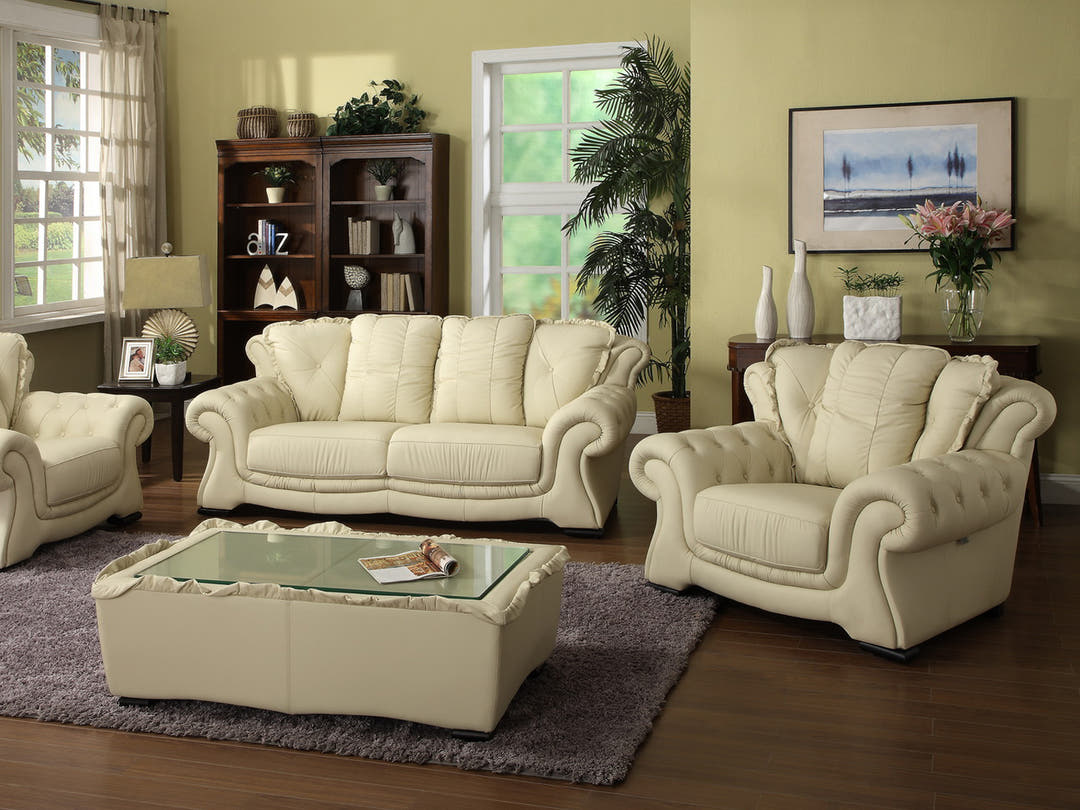
And here is the most important clarification upfront: “Chesterfield” is a sofa design, not a brand. That single fact explains why prices range so widely—from a couple of hundreds to many thousands. The name tells you the silhouette. It does not guarantee the experience.
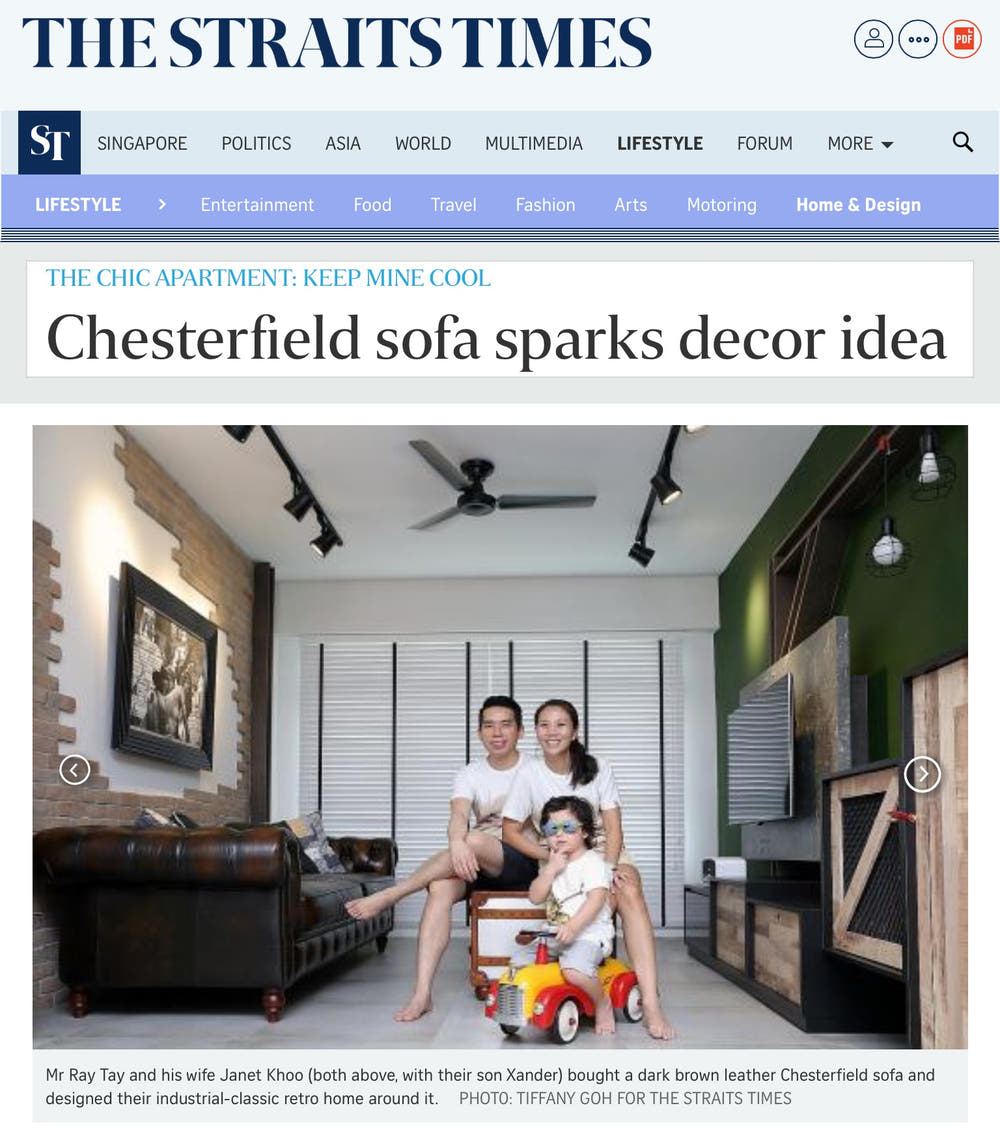
This article breaks down why Chesterfield sofas can be expensive, why some are cheap, what the real differences are, and how to choose the right tier for your lifestyle—whether you live in a Manhattan loft, a London terrace, a Soho apartment, a Dubai villa, or even a compact three-room HDB flat.
The Chesterfield buyer: not always rich, but almost always intentional
One of the most misunderstood parts of the Chesterfield market is the buyer profile.
Chesterfield owners are not always wealthy. Many are, of course—but just as many are people who are simply very intentional about taste. They might live in a small city apartment with a single statement piece. They might buy vintage. They might save for months. They might compromise on other categories to own one object that feels “right.”
They belong to a group of individuals who celebrate taste—a taste for character.
This is where Maslow’s hierarchy of needs becomes useful. If we treat furniture as purely functional, then the “need” is simple: a couch to sit on. But Chesterfield shoppers are rarely operating at that base level. They are closer to the top of the pyramid: belonging, esteem, and self-expression. They are buying a feeling:
-
A room that feels curated, not cluttered
-
A home that reflects personality, not trends
-
A space that communicates confidence without shouting
In that sense, the Chesterfield is not priced like a generic sofa. It is priced like a design object that shapes identity and ambience.
Why Chesterfield sofas can be expensive: the practical drivers
1) The design is labor-heavy by nature
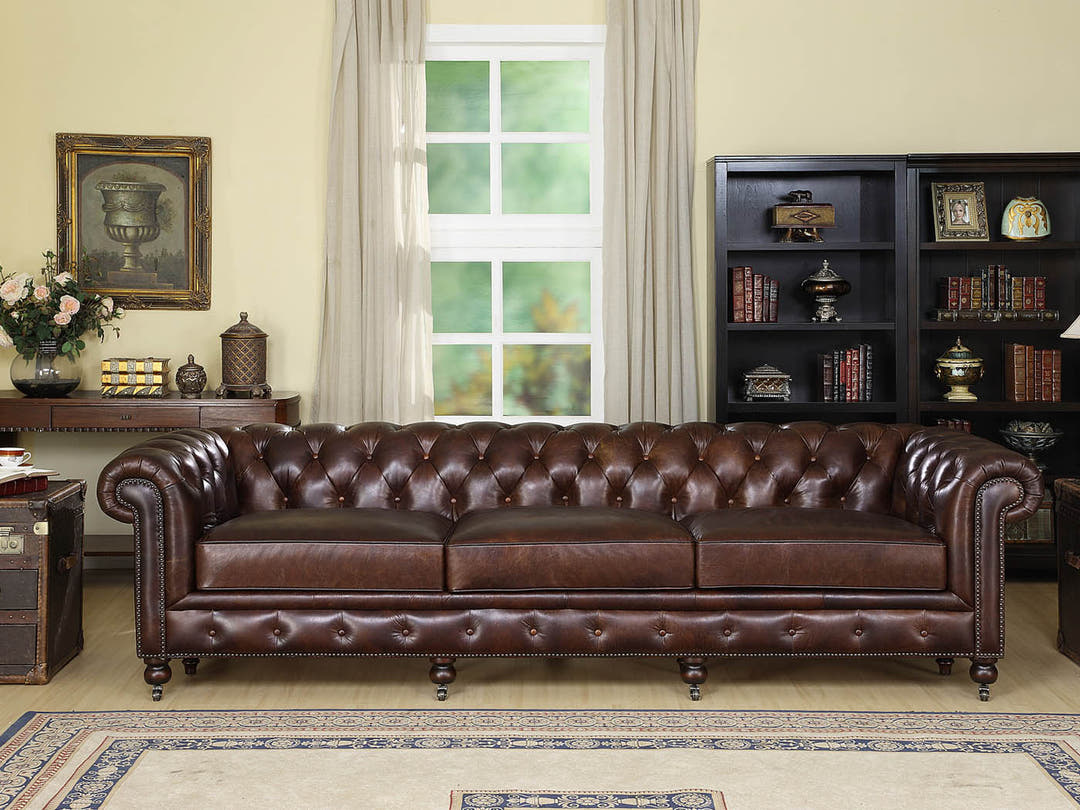
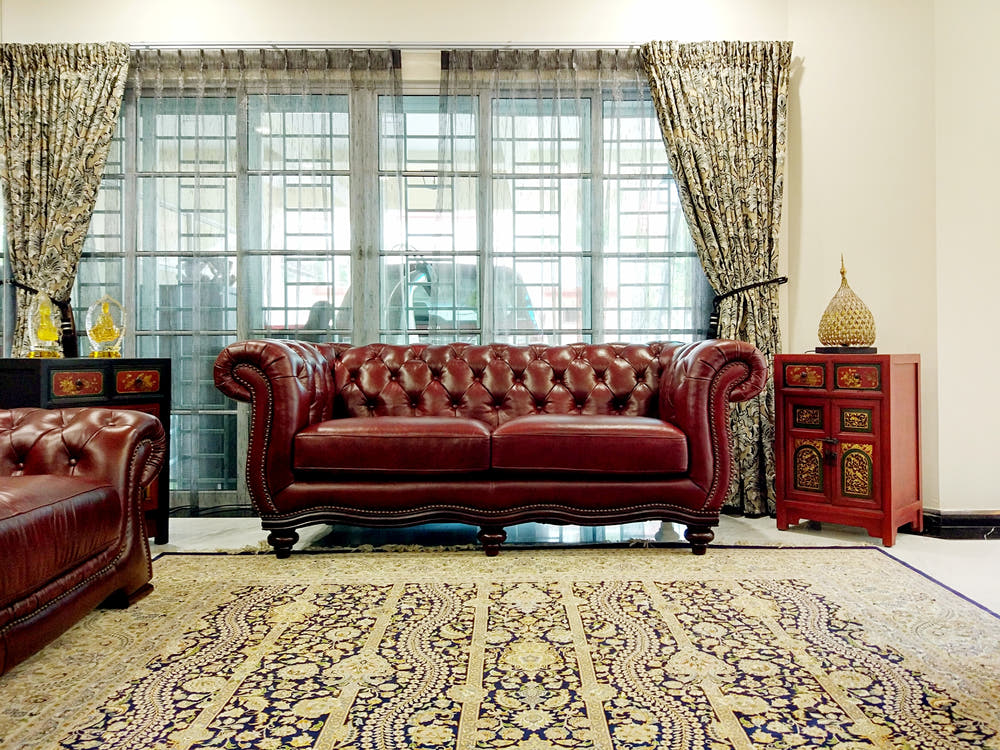
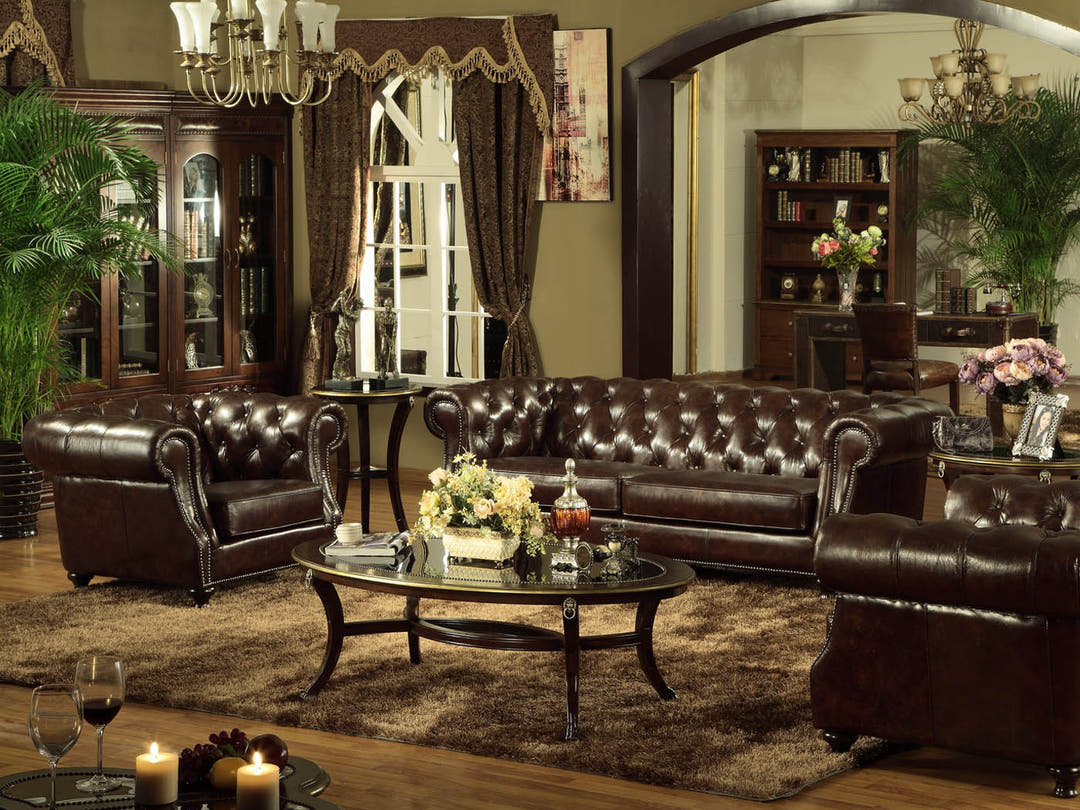
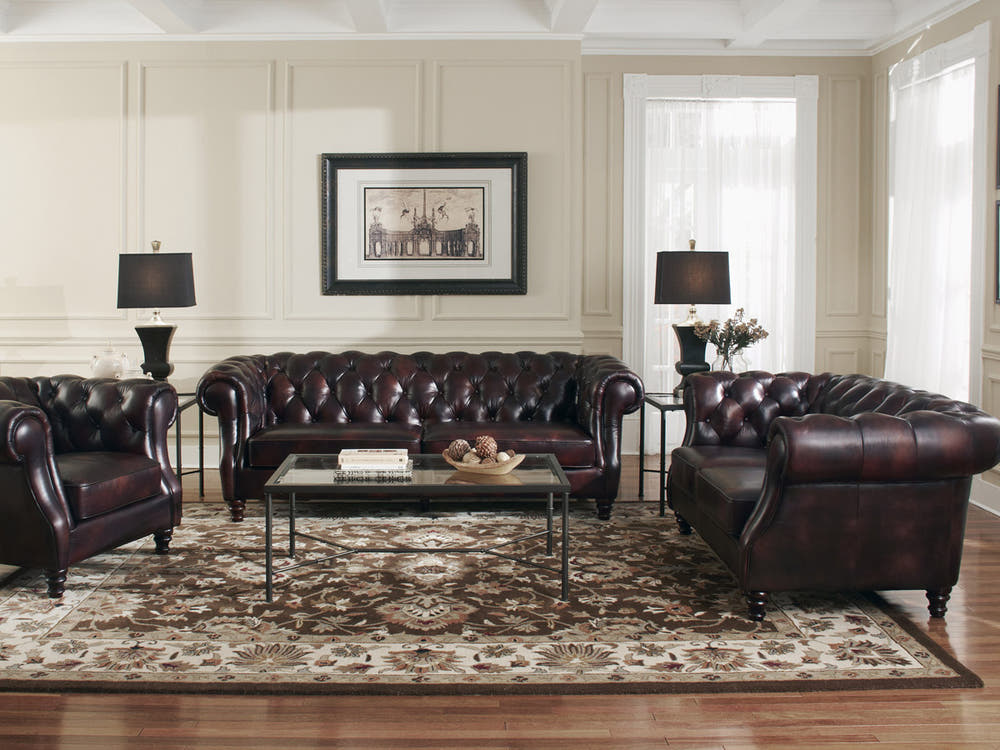
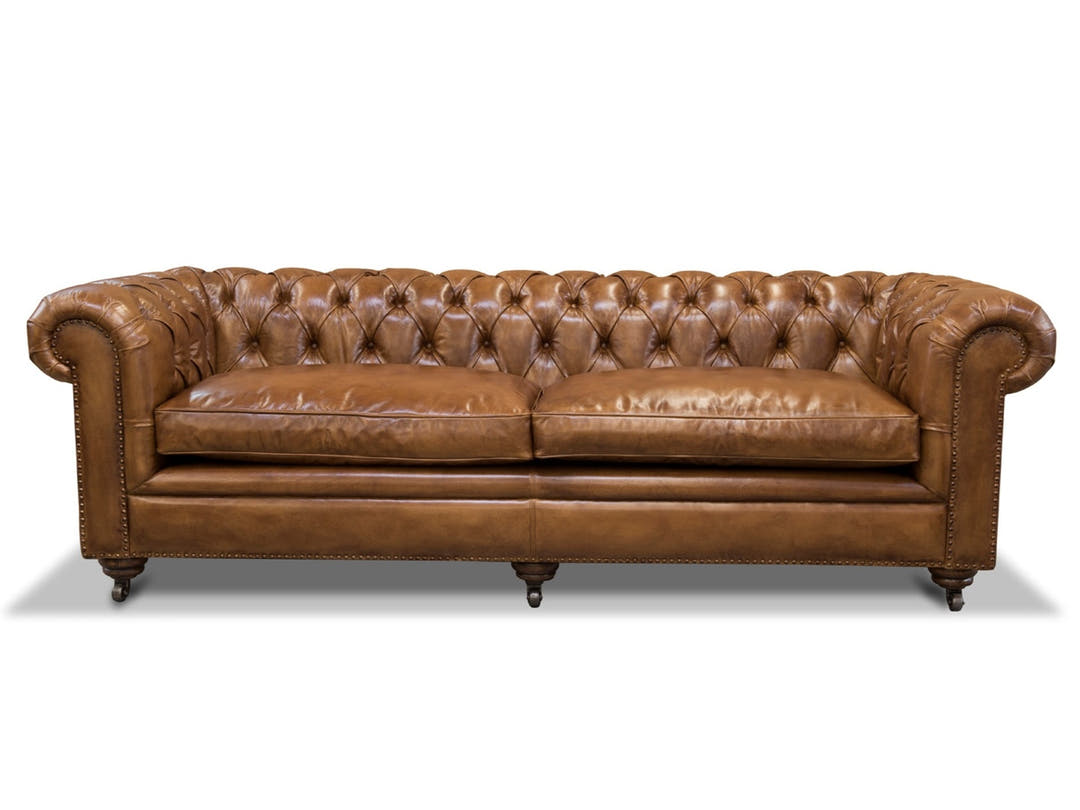
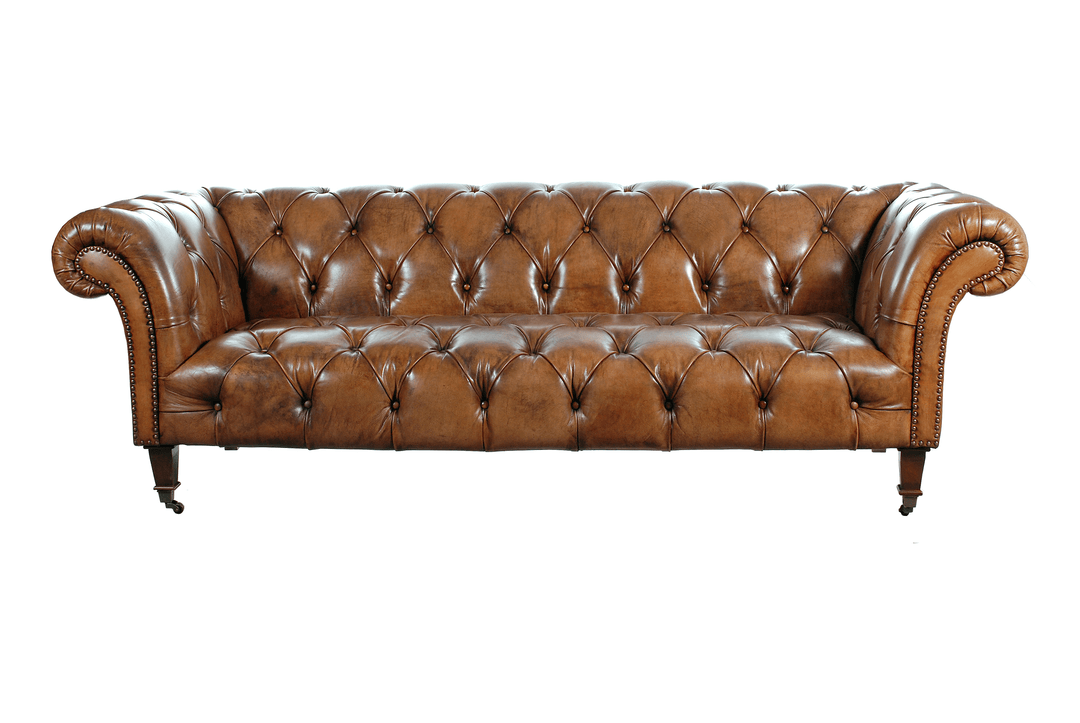
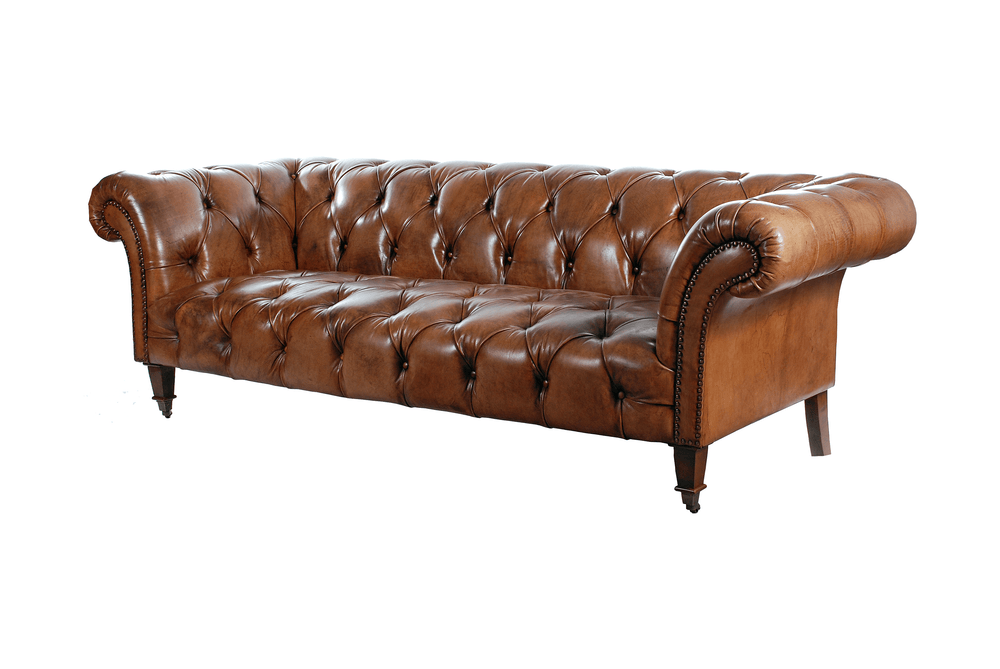
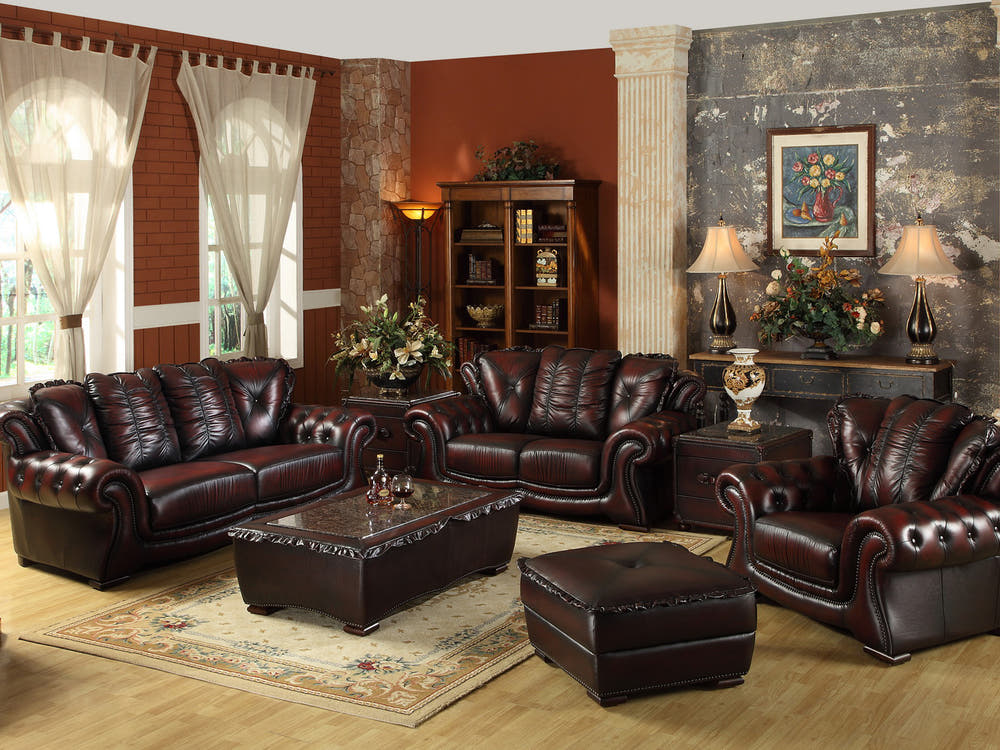
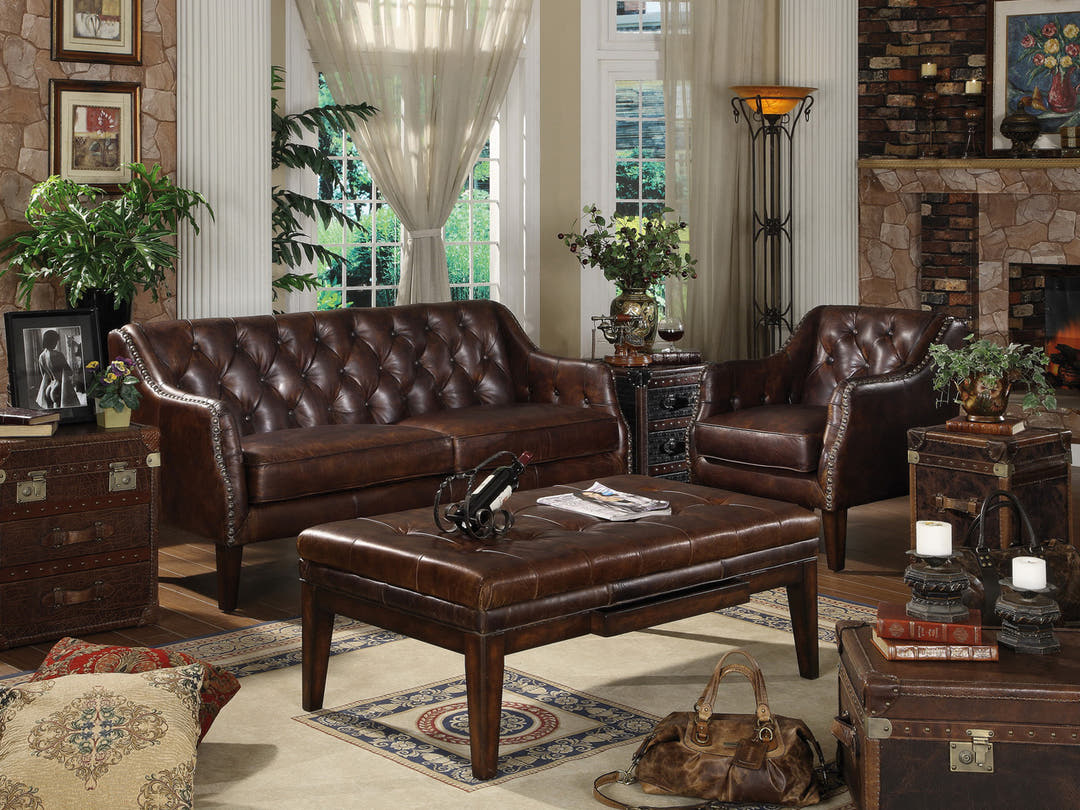
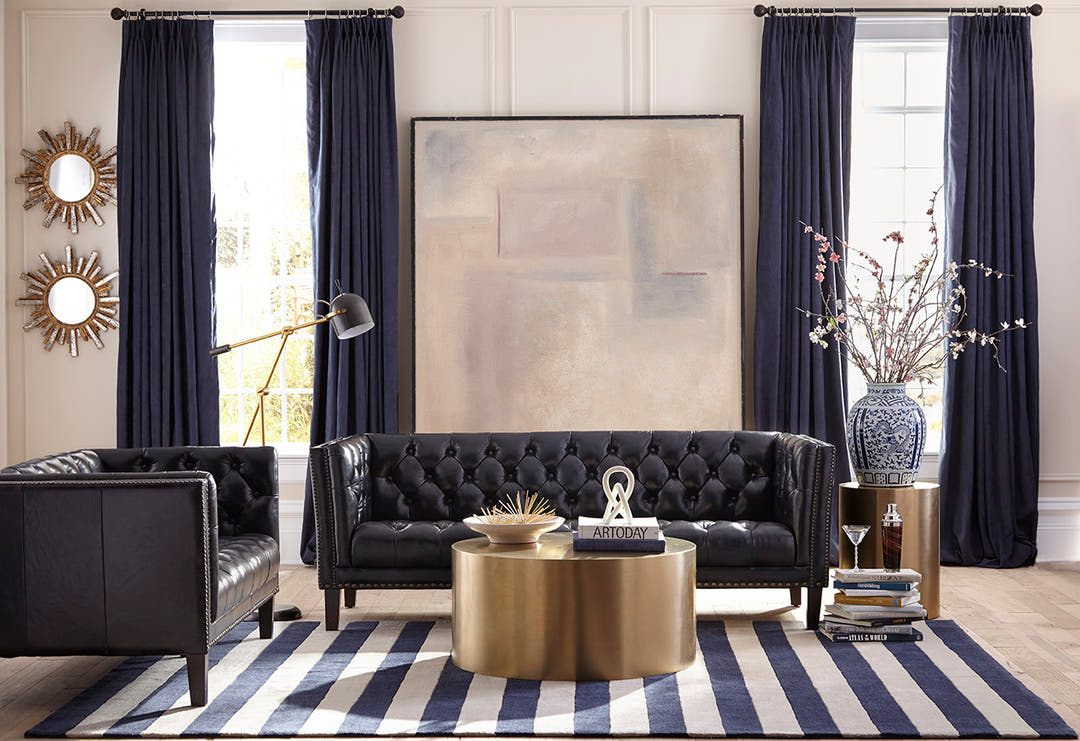
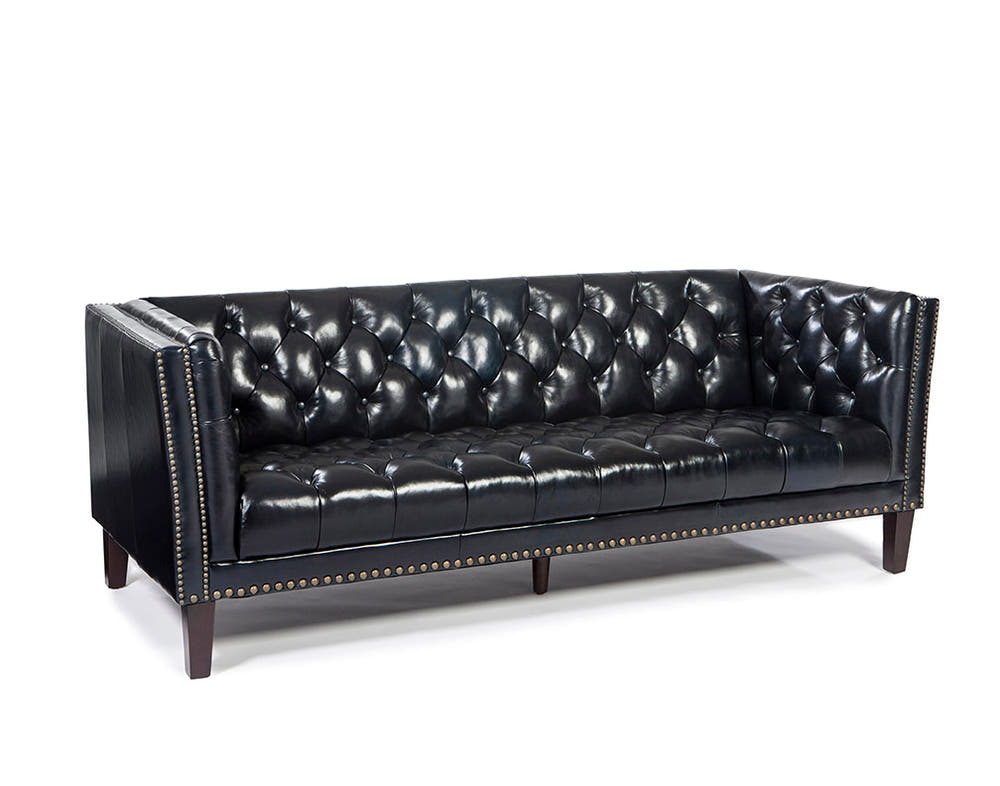
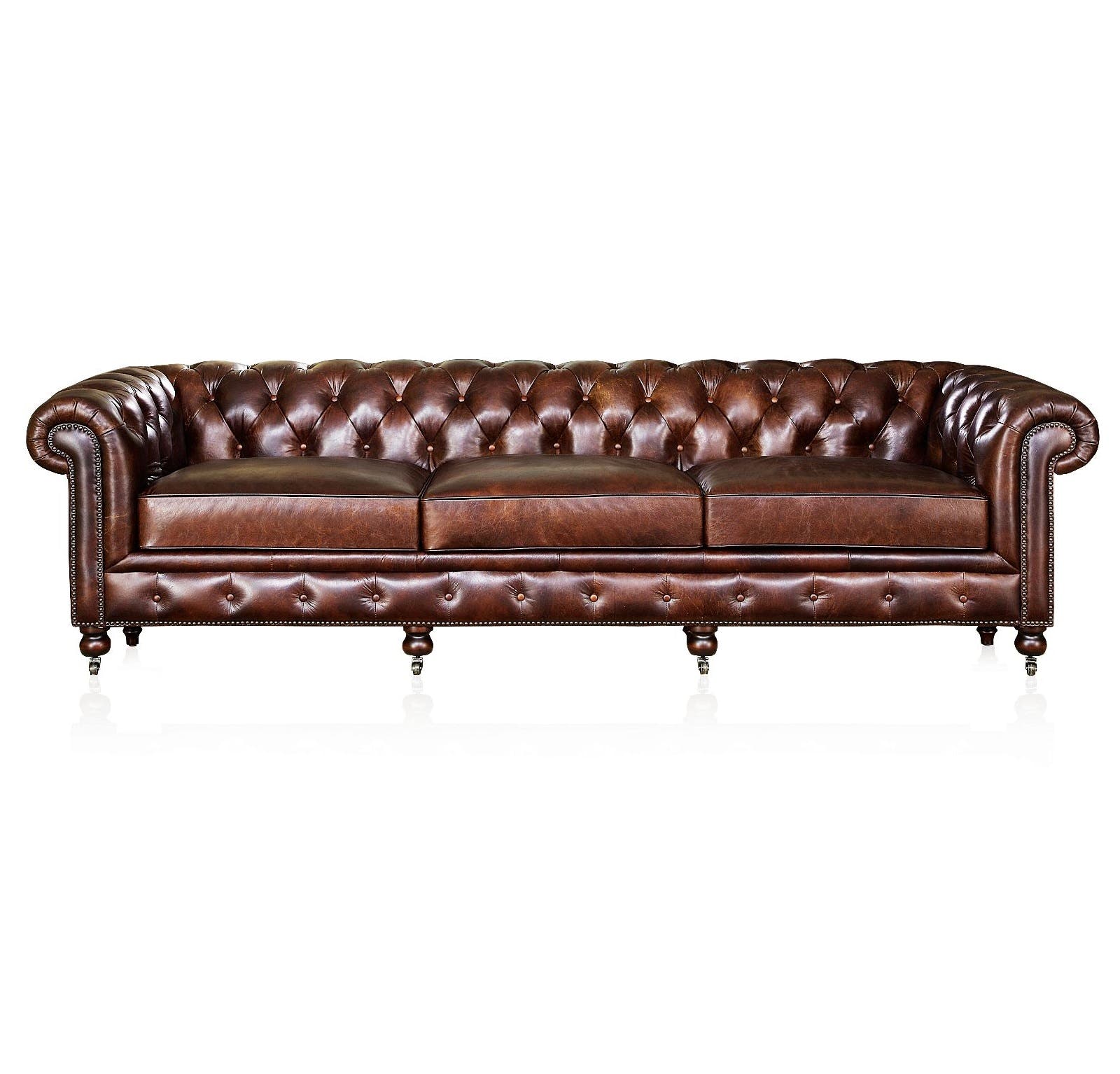
A Chesterfield is famous for features that are difficult to execute quickly:
-
Curved rolled arms
-
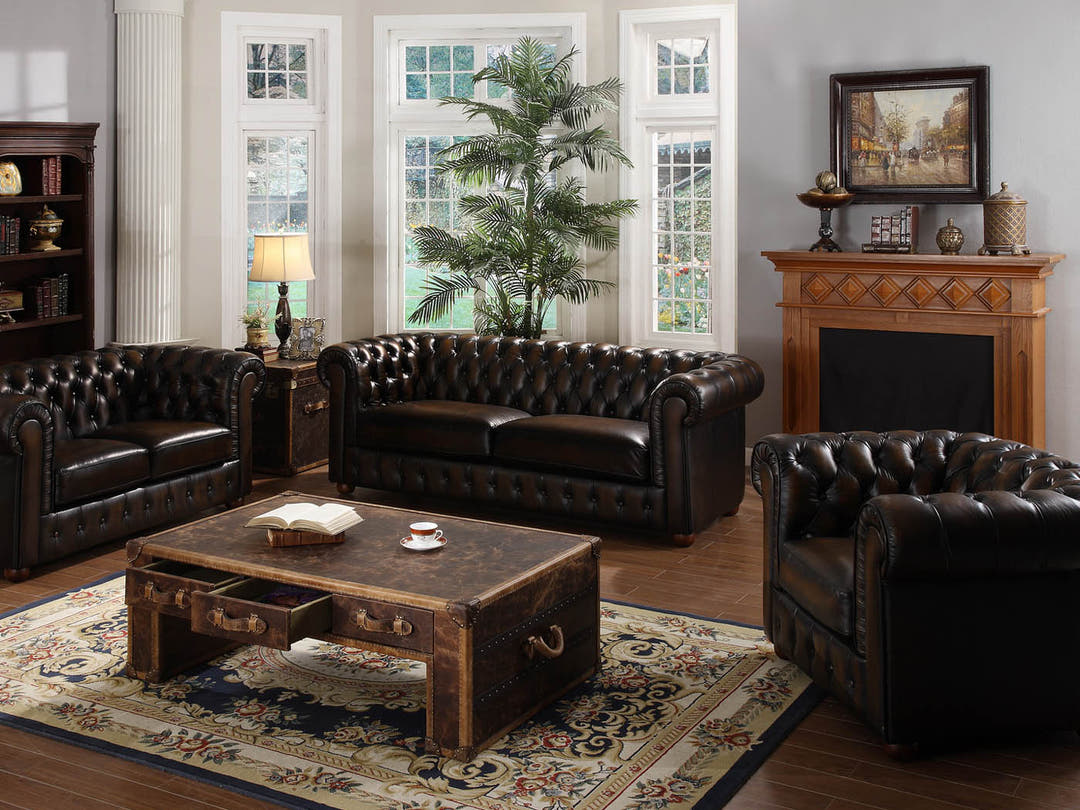
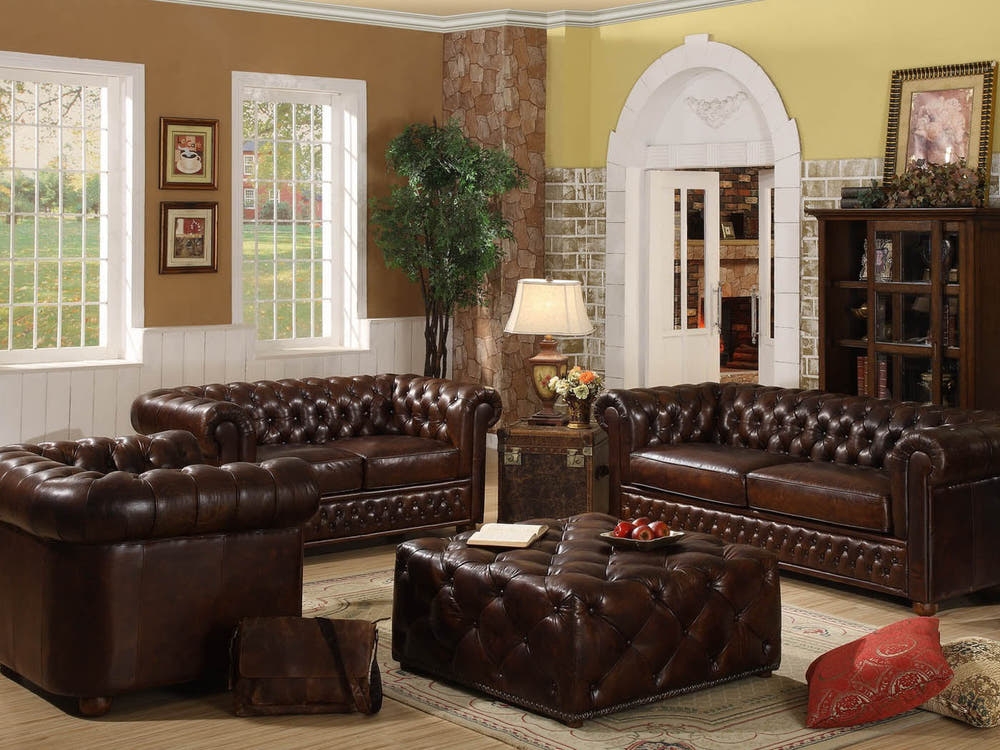
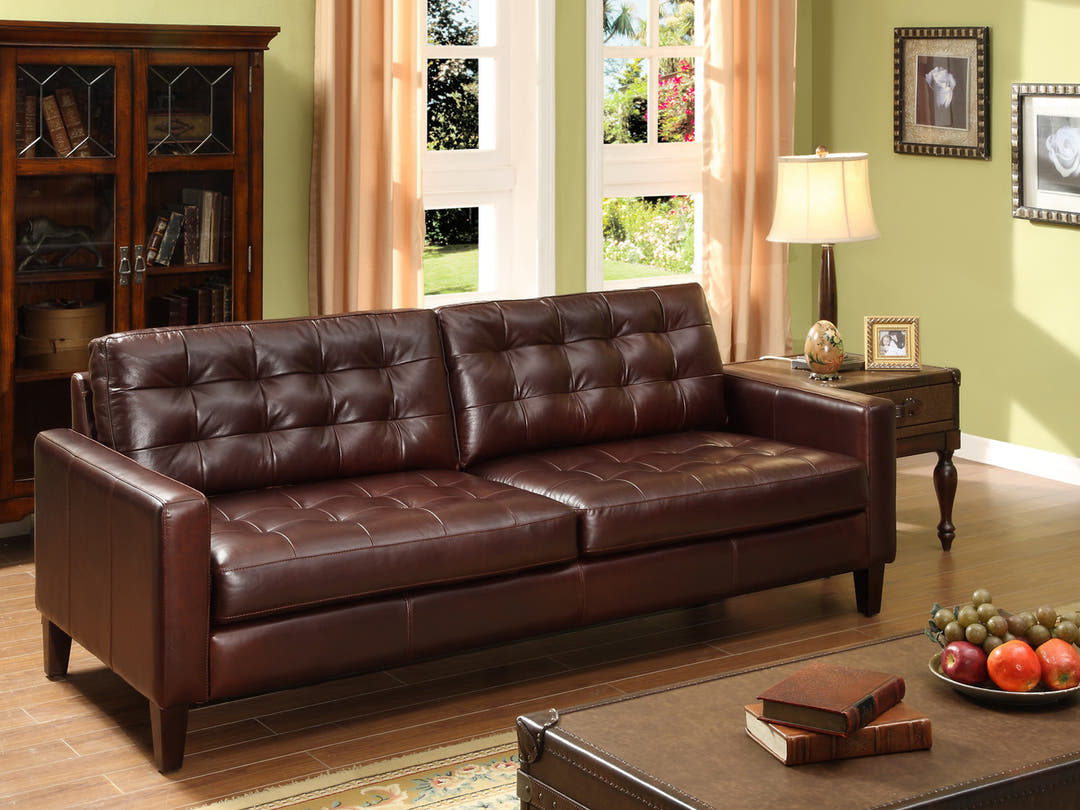
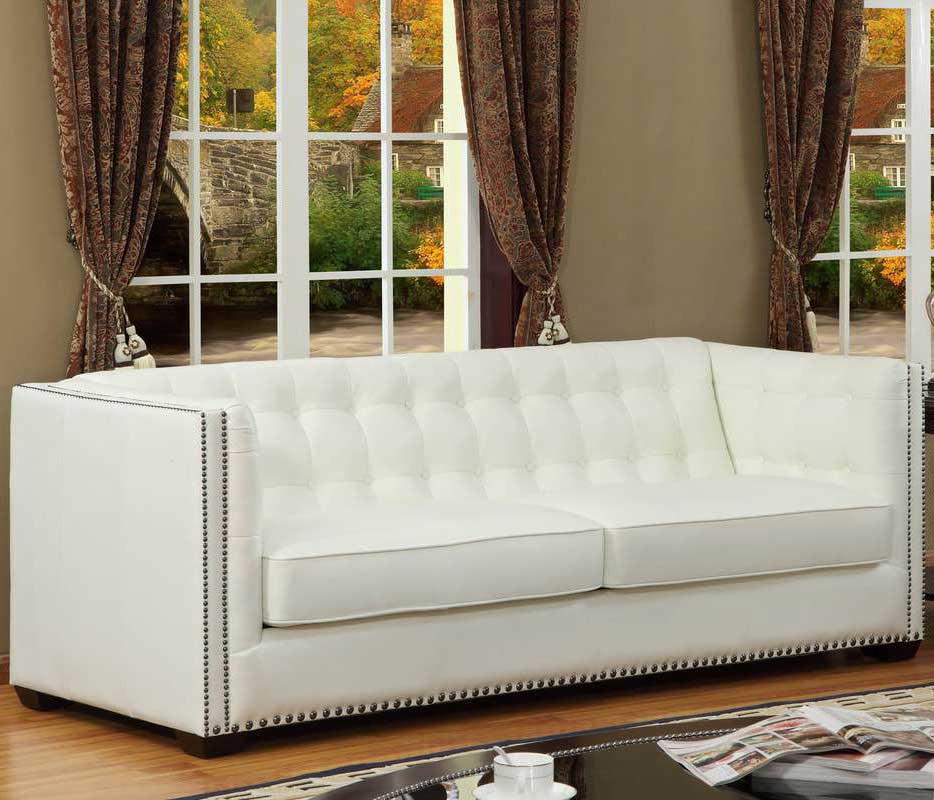
Deep button tufting across back and arms
-
Tailored pleats and consistent symmetry
-
A structured silhouette that cannot hide sloppy work
Boxy sofas can be standardized and sped up. Chesterfields resist shortcuts because the “beauty” is in the tension, alignment, and sculpting. If the tufting is uneven, you see it immediately. If the arm roll is poorly shaped, the entire sofa looks off. If the pleats are lazy, the design loses its authority.
Even in modern manufacturing environments, much of what makes a Chesterfield look and feel right relies on skilled upholstery work. More skilled labor usually means higher cost.
2) Hand tufting is not a decorative add-on—it’s a method
Tufting is often marketed casually, but in a classic Chesterfield it is central to how the sofa is formed. Proper deep-button tufting involves:
-
Marking the grid precisely
-
Pulling buttons through layers with consistent tension
-
Building and controlling pleats by hand
-
Maintaining symmetry across complex curves
This is time-consuming. Time is money. And because the work is visible on the finished piece, you cannot “hide” the labor the way you can hide internal components.
3) Materials vary dramatically—and so does the feel
Chesterfields exist across many upholstery materials, but globally the market often divides into two big categories:
-
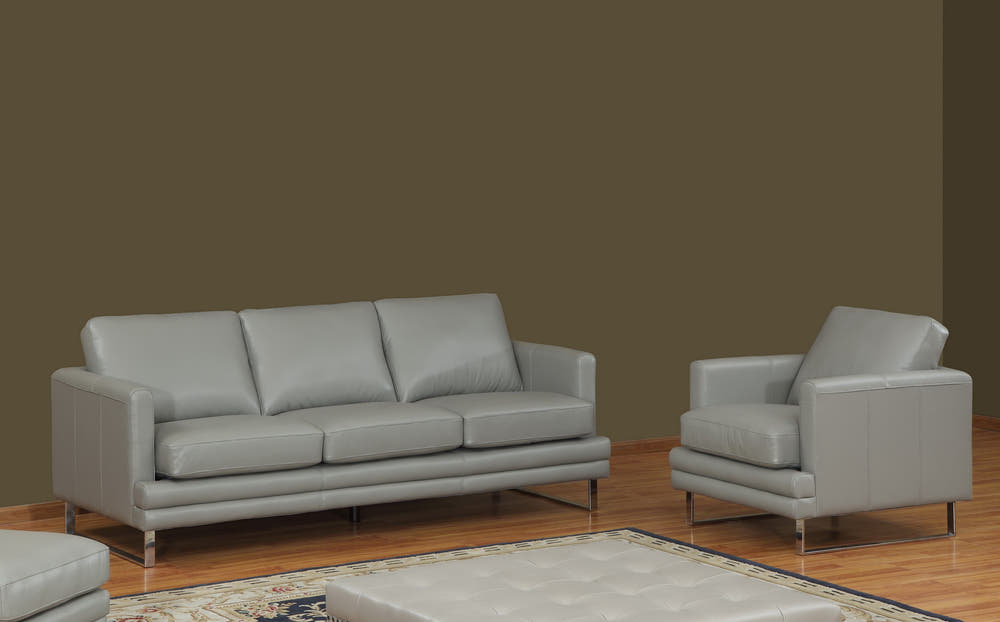
Budget “Chesterfield-style” sofas: synthetic leather (PU), bonded leather, or lower-grade corrected leather; sometimes fabric.
-
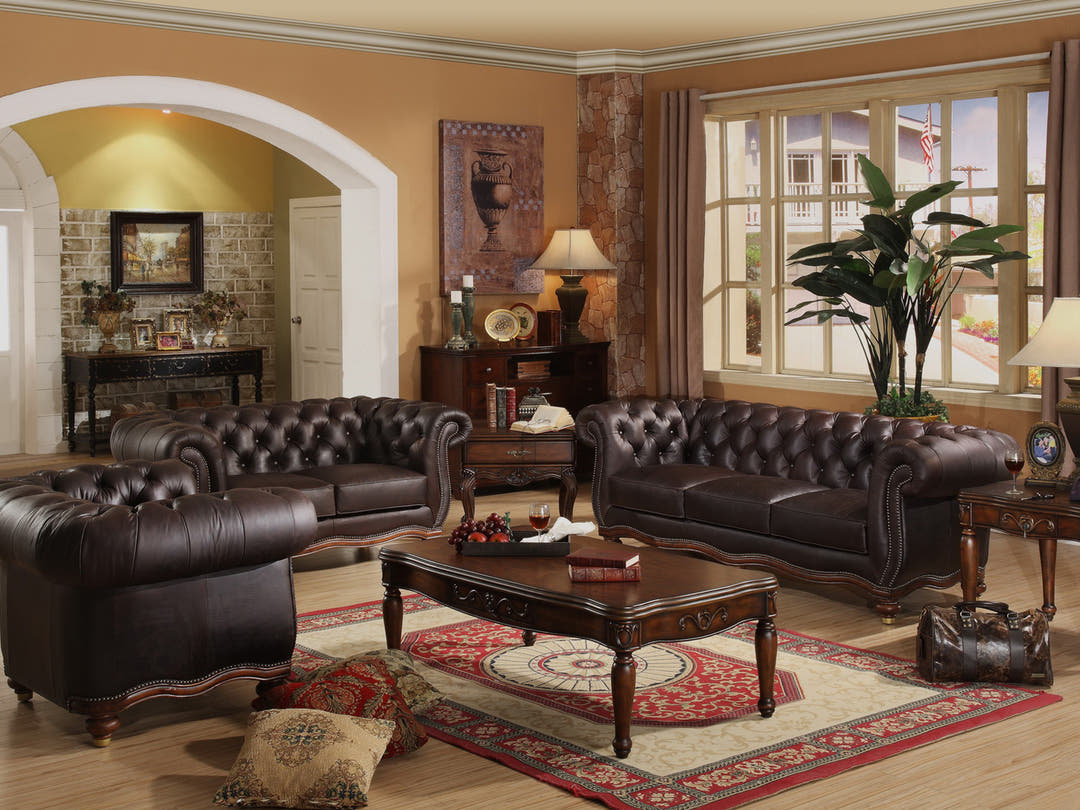
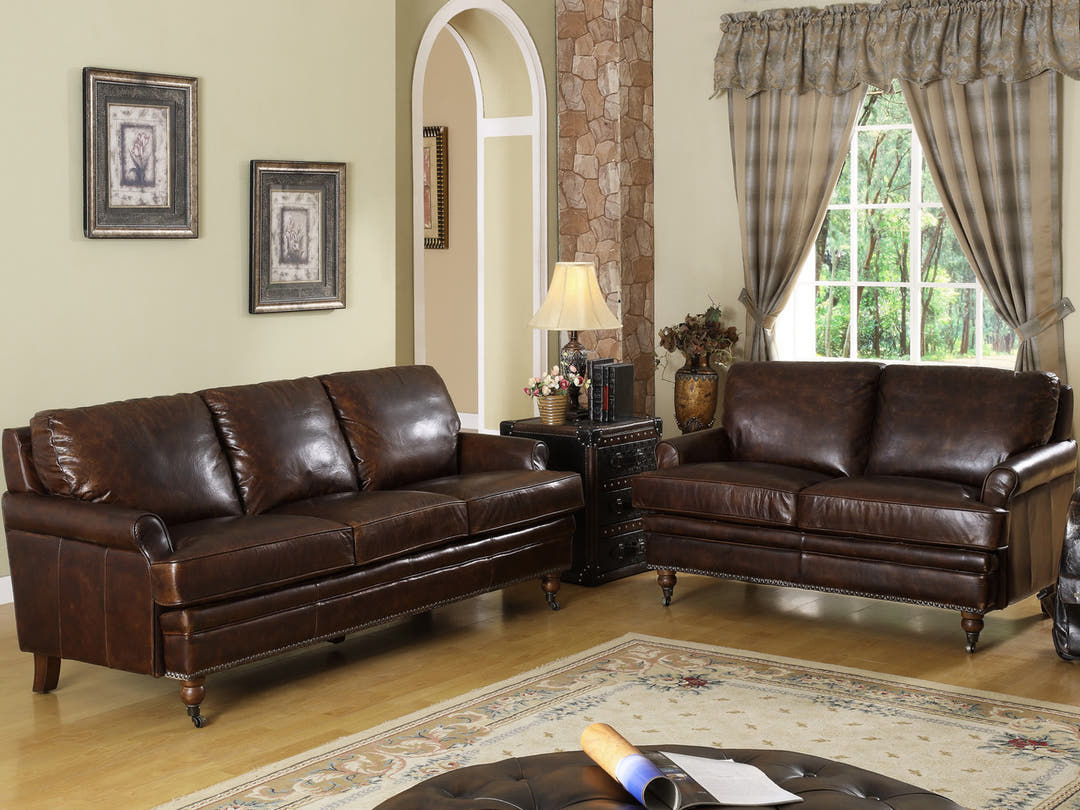
Premium Chesterfields: higher-grade leather (often full-grain or carefully finished top-grain), sometimes high-quality velvet or wool fabrics.
This is where pricing becomes meaningful for the buyer experience. People do not pay more for a label. They pay more for what their hands and body can detect:
-
The warmth and grip of leather that feels natural instead of plasticky
-
The way the surface responds to body temperature
-
The softness and support of cushioning that relaxes over time rather than staying stiff and flat
-
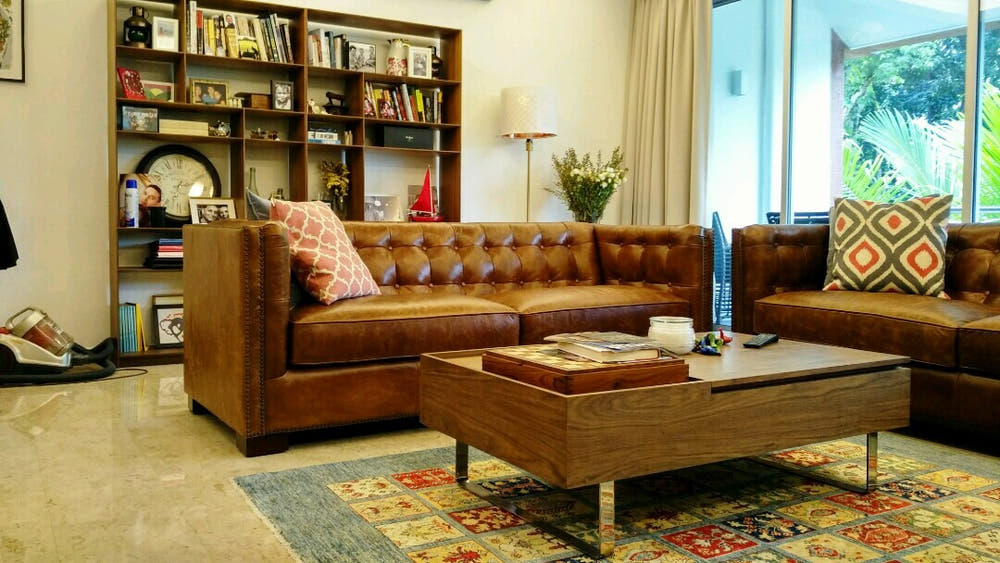
The way the sofa develops character (patina) instead of looking tired
When clients pay more, they often pay for a sensory upgrade, not just a material spec sheet.
4) The frame and structure must support tension
A Chesterfield’s upholstery is under tension—especially with deep tufting and curved shapes. That tension needs a stable structure behind it. The internal build may include:
-
More robust framing
-
Reinforced arm structures (because rolled arms take load and pressure)
-
Better suspension design for a supportive sit
This adds cost, not because buyers obsess over joinery details, but because a Chesterfield that doesn’t hold its posture loses the entire point of the design.
5) Customization is common—and customization costs
Chesterfields are often purchased as “signature pieces,” which naturally leads buyers to request:
-
Custom leather color tones
-
Different seat depths (formal vs lounge)
-
Alternative leg finishes
-
Matching ottomans, armchairs, or sectionals
-
Size adjustments for apartments and tight staircases
Customization introduces planning, extra steps, and sometimes lower production efficiency. Globally, bespoke work almost always commands a premium.
6) Global logistics: the hidden price layer
Many buyers compare prices online without comparing what is included. International pricing can differ because of:
-
Shipping volume (sofas are bulky)
-
Crating and protection requirements
-
Import duties and taxes
-
Local showroom overhead and after-sales service
-
Returns complexity (large furniture returns are expensive)
A cheaper online Chesterfield can look appealing until you account for what happens if the seat feel is wrong, the leather is not what you expected, or the tufting arrives loose.
The desert water analogy, applied properly: what Chesterfield buyers really pay for
The water analogy is powerful because it shifts the conversation away from “cost” and toward “value under desire.”
People do not buy a Chesterfield because they cannot find any sofa. They buy it because they want a particular outcome:
-
A space that feels more sophisticated
-
A lounge atmosphere at home
-
A statement that isn’t trendy
-
A tactile experience that rewards touch
-
A piece that looks better as it becomes more lived-in
This is why pricing can look irrational from the outside. But within the buyer’s world, it is rational. They are paying for a high-impact object that changes how the room feels every day.
Multiple price tiers: from hundreds to thousands—so what’s the difference?
There are absolutely multiple tiers in the Chesterfield market. And yes, there can be real differences. The key is understanding that each tier is optimizing for a different goal.
Tier 1: “Chesterfield-inspired” (hundreds)
What you’re paying for: the silhouette, fast availability, trend-friendly looks.
Typical characteristics:
-
PU (synthetic) leather or bonded leather
-
Shallower tufting (sometimes purely decorative)
-
Simplified upholstery patterns to reduce labor
-
Lighter internal build and standardized cushioning
This tier is not “wrong.” It suits buyers who want the look for staging, short-term living, rentals, or low-commitment décor.
But it often will not deliver the classic Chesterfield emotional experience: the warmth of leather, the depth of tufting, the sense of weight and presence, or the “it gets nicer as it lives” feel.
Tier 2: Mid-market Chesterfield (low thousands)
What you’re paying for: better touch, better comfort, more reliable construction.
Typical characteristics:
-
Mixed leather splits or corrected leather; sometimes better-quality fabric
-
More consistent tufting and shaping
-
Improved cushioning (better balance of support and comfort)
-
More choices in color and configuration
This is a common sweet spot globally: buyers want a Chesterfield that feels good and looks credible, without paying for the highest craftsmanship levels.
Tier 3: Premium / artisan / bespoke Chesterfield (mid to high thousands)
What you’re paying for: the full experience—ambience, touch, comfort evolution, and character.
Typical characteristics:
-
Higher-grade leather (often full-grain or carefully selected hides)
-
Deep, disciplined tufting with strong symmetry
-
Upholstery shaping that looks “sculpted,” not assembled
-
More refined foam behavior: comfortable immediately, then more relaxed with time
-
A sofa that often ages gracefully, developing a patina rather than just wearing out
This tier attracts people who think beyond arrival day. They are not buying how it looks in the showroom. They are buying how it will feel after 300 evenings, 1,000 conversations, and years of daily life.
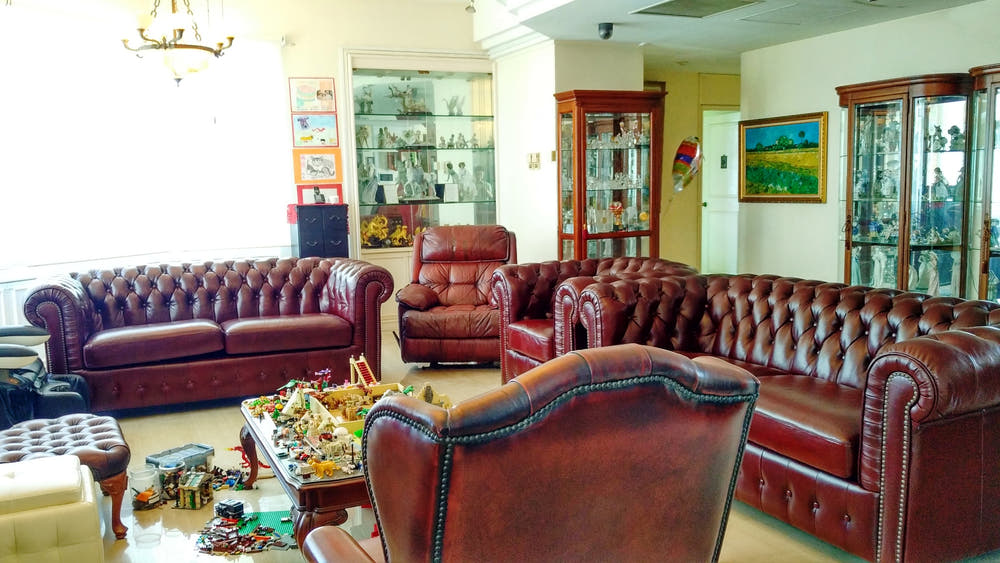
And this is the tier where it is not surprising to see an old Chesterfield that looks better than a new one.
Why cheap Chesterfields often feel “basic,” even if they look good in photos
Photos compress reality. They hide touch, scent, temperature, and the micro-details that create elegance. Many cheap Chesterfields look impressive online because the silhouette and tufting read well on screen.
In real life, the differences appear in human moments:
-
Your palm on the arm roll
-
The way the seat receives your weight
-
The sound and feel of leather vs coated surfaces
-
The depth of tufting when light hits at night
-
The comfort after 60 minutes, not 60 seconds
Budget production methods often reduce steps that you can feel:
-
simpler upholstery patterning (less sculpting)
-
faster tufting techniques (less depth, less tension discipline)
-
surfaces that prioritize uniformity over natural character
-
cushioning designed to ship well, not necessarily to lounge well
Again, this is not an attack on affordability. It is simply why the same design name can sit at wildly different price points.
The premium Chesterfield mindset: buying the “aging story,” not the delivery day
A key theme among higher-tier Chesterfield buyers is that they think in narratives.
They are not primarily excited about how the sofa arrives. They are excited about:
-
how it will look after it becomes part of their life
-
how the leather will soften and warm where they sit most
-
how the sofa will feel more comfortable as foam relaxes naturally
-
how the room will feel more “them” over time
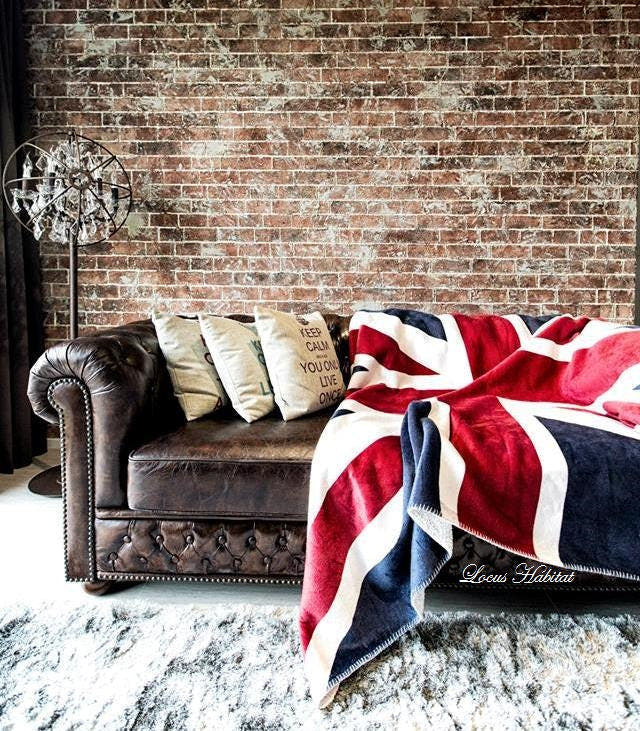
This is why patina matters. Patina is not merely wear. It is character—the visible memory of living. A Chesterfield is one of the few sofa designs where that evolution is often considered desirable rather than unfortunate.
And that is a major reason premium Chesterfields can command premium pricing: the buyer is purchasing an experience that improves, not just a product that depreciates aesthetically.
A Chesterfield is a social signal—but not always a status signal
There is a difference between “status” and “taste.”
Status is about what others think you can afford. Taste is about what you choose to value.
Many Chesterfield owners are not buying to impress visitors with a price tag. They are buying to satisfy an internal standard. They want a room that feels aligned with who they are—or who they are becoming.
That is why you can find Chesterfields in:
-
creative studios
-
compact apartments
-
modest family homes
-
HDB flats and small-space living
-
boutique hotels and cafés
The Chesterfield is not limited by wealth. It is defined by intent.
How to decide which price tier is right for you
If you want to make a confident global purchase, decide based on your priority:
Choose a budget Chesterfield if:
-
you mainly want the look for a short-to-medium term
-
you prioritize affordability and quick availability
-
the sofa will have light use (staging, occasional seating)
Choose a mid-tier Chesterfield if:
-
you want a better tactile experience and comfort
-
you want a credible Chesterfield presence in the room
-
you want reasonable customization without going fully bespoke
Choose a premium Chesterfield if:
-
you care about how the sofa feels every day
-
you value leather character and patina
-
you want the classic “it gets better as it lives” experience
-
you see the sofa as a signature piece, not a placeholder
Practical buying questions that reveal value quickly
When comparing prices globally, ask questions that map directly to your experience:
-
What is the upholstery material exactly? (synthetic, bonded, split, corrected, full-grain, fabric)
-
How deep is the tufting, and is it structural or decorative?
-
What is the seat feel designed to be—formal upright or lounge comfort?
-
What happens to comfort over time? (Does it relax? Does it flatten?)
-
What is included in the price? (delivery, stairs handling, setup, warranty, after-sales support)
-
Can you see real-life photos in warm and cool lighting? (leather truth shows in varied light)
These questions cut through marketing language and tie price back to lived experience.
FAQ: Why are Chesterfield sofas so expensive?
Are Chesterfield sofas expensive everywhere in the world?
The premium tiers are expensive globally because labor, upholstery skill, and higher-grade materials are expensive everywhere. However, local taxes, shipping, and showroom economics can make the same sofa appear more or less costly in different countries.
Is an expensive Chesterfield always better?
Not automatically. Because “Chesterfield” is a design category, price alone is not proof. The best approach is to match tier to your priorities: ambience, touch, comfort, and how you want the sofa to feel after years of use.
Why do some Chesterfields cost only a few hundred?
They are often optimized for the look: synthetic materials, simplified upholstery methods, and faster production. They can be visually attractive, but they typically deliver a different tactile and ageing experience.
Why do older Chesterfields sometimes look better than new ones?
Because the design rewards character. When leather develops patina and the sofa relaxes into lived-in comfort, a Chesterfield can become more visually and emotionally appealing over time—especially when the material and upholstery were chosen for that journey.
Conclusion: the Chesterfield price is the price of “more”
So, why are Chesterfield sofas so expensive?
Because the Chesterfield is not priced like a commodity sofa. It is priced like a piece that delivers “more”:
-
more ambience
-
more presence
-
more tactile satisfaction
-
more identity in a room
-
more character as time passes
And because there are multiple tiers, the real question becomes not “Is it expensive?” but “Which Chesterfield experience are you buying?”
Some buyers want the silhouette at the lowest entry point. Others want the full emotional arc: the feeling of leather under the hand, the comfort that relaxes into the body, the patina that makes the sofa feel increasingly personal, and the quiet confidence of a room that looks composed without trying too hard.
In that context, the Chesterfield’s price stops being a number. It becomes a reflection of value—much like water in the desert, where what you pay for is not the bottle, but what the bottle represents.