


Why is a sofa called a Chesterfield? The Art of Ambience Curation

Chesterfield Sofa, Globally: The Art of Ambience—and Why Full-Grain Leather Feels Like Home
A Chesterfield sofa is rarely chosen “just for seating.” People buy it for what it does to a room.
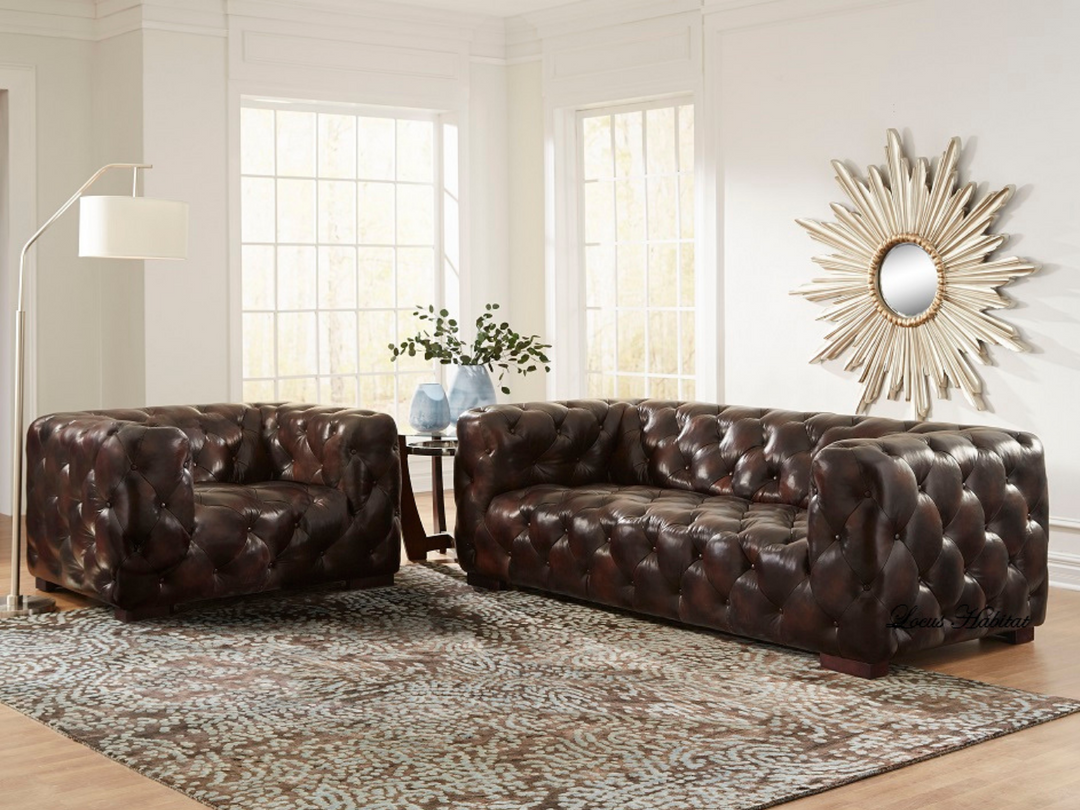
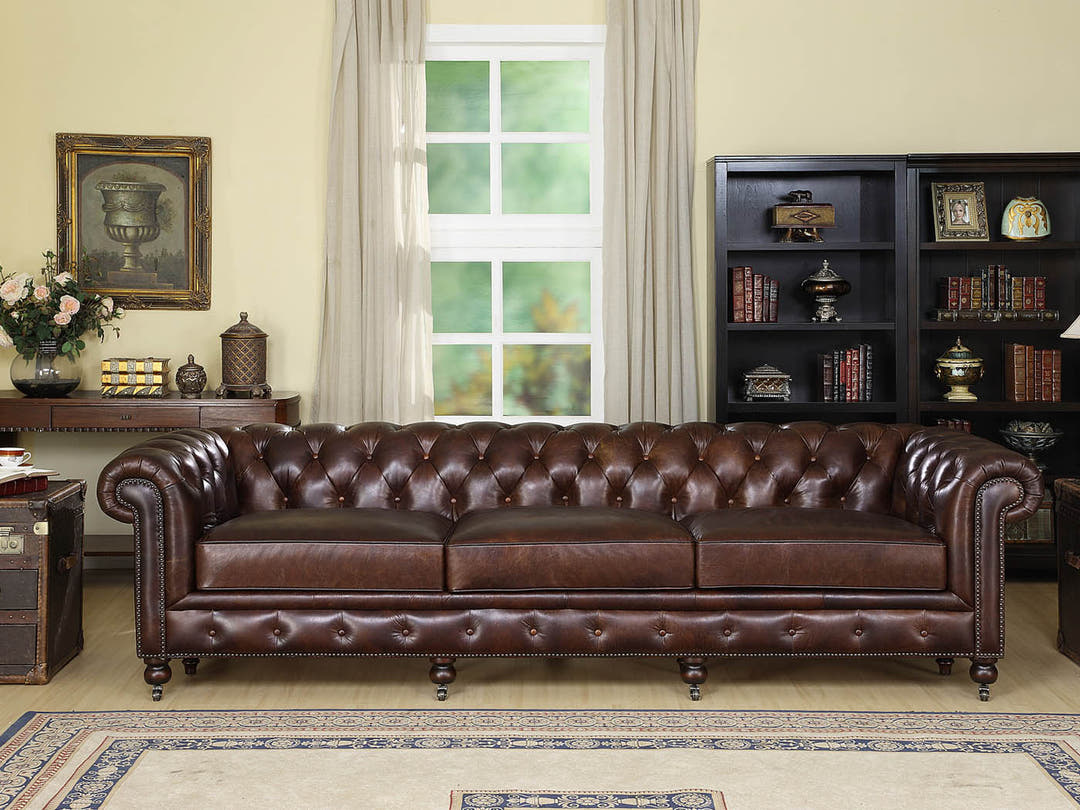
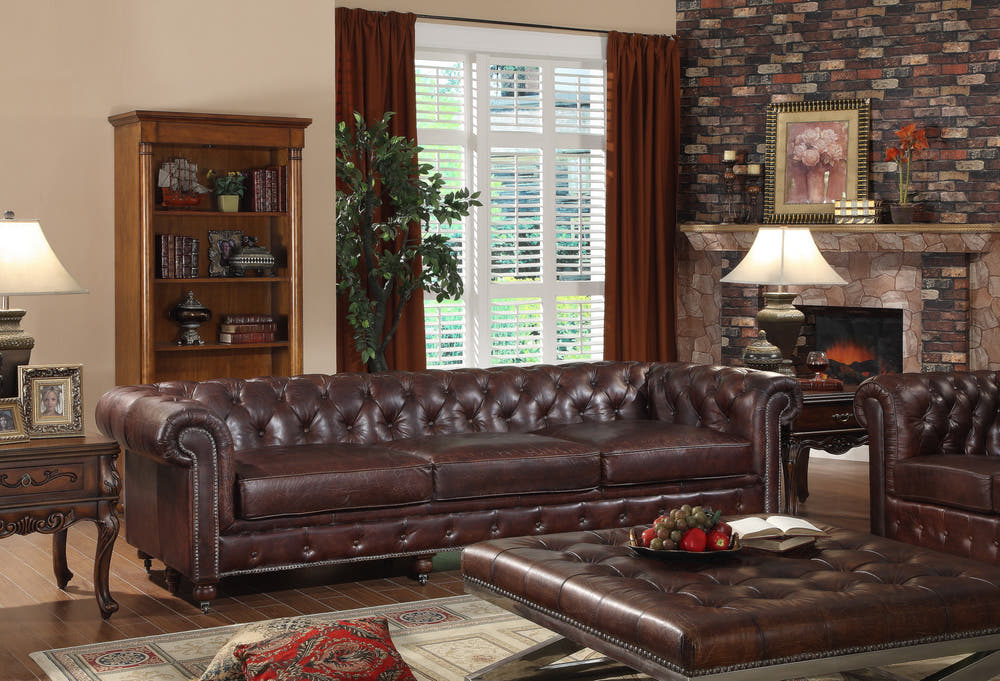
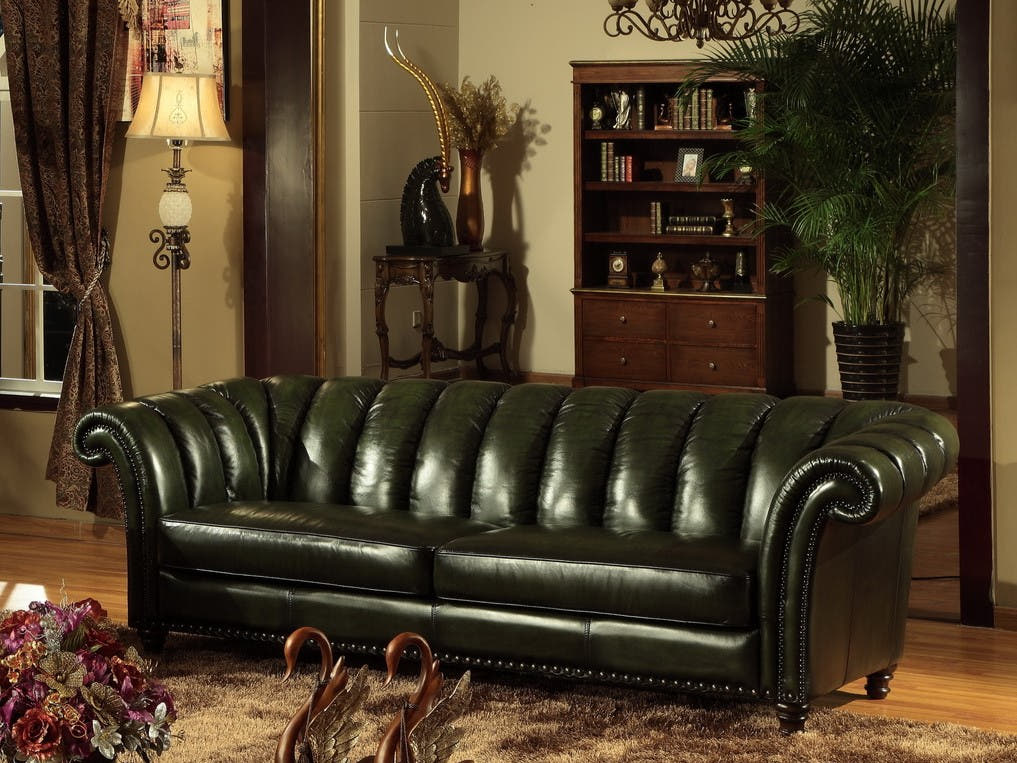
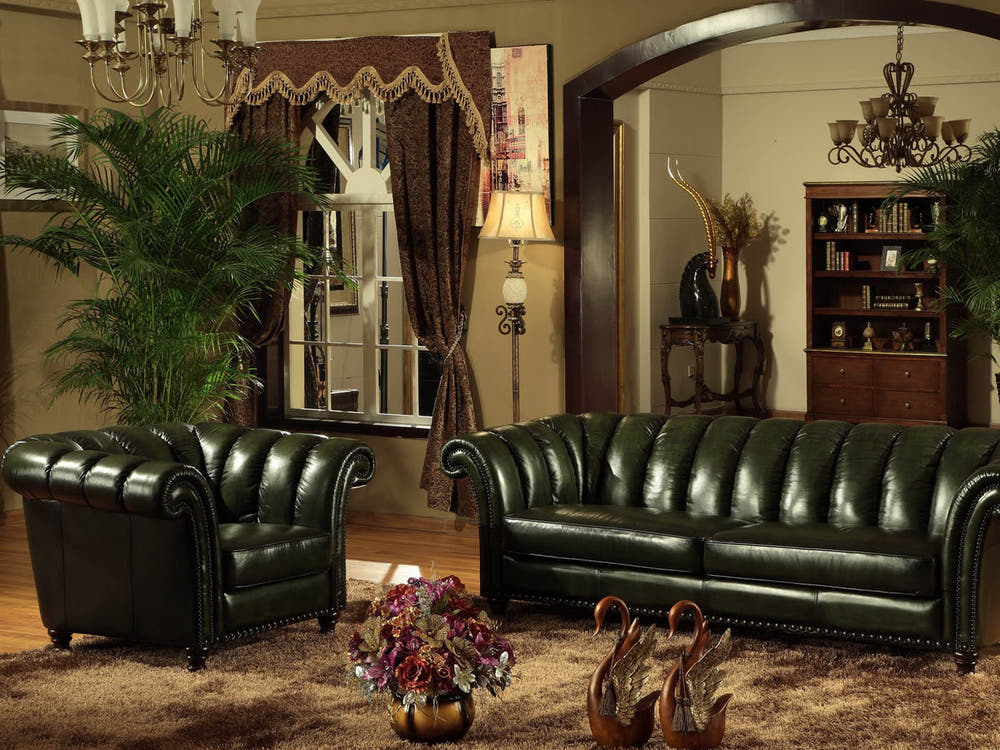
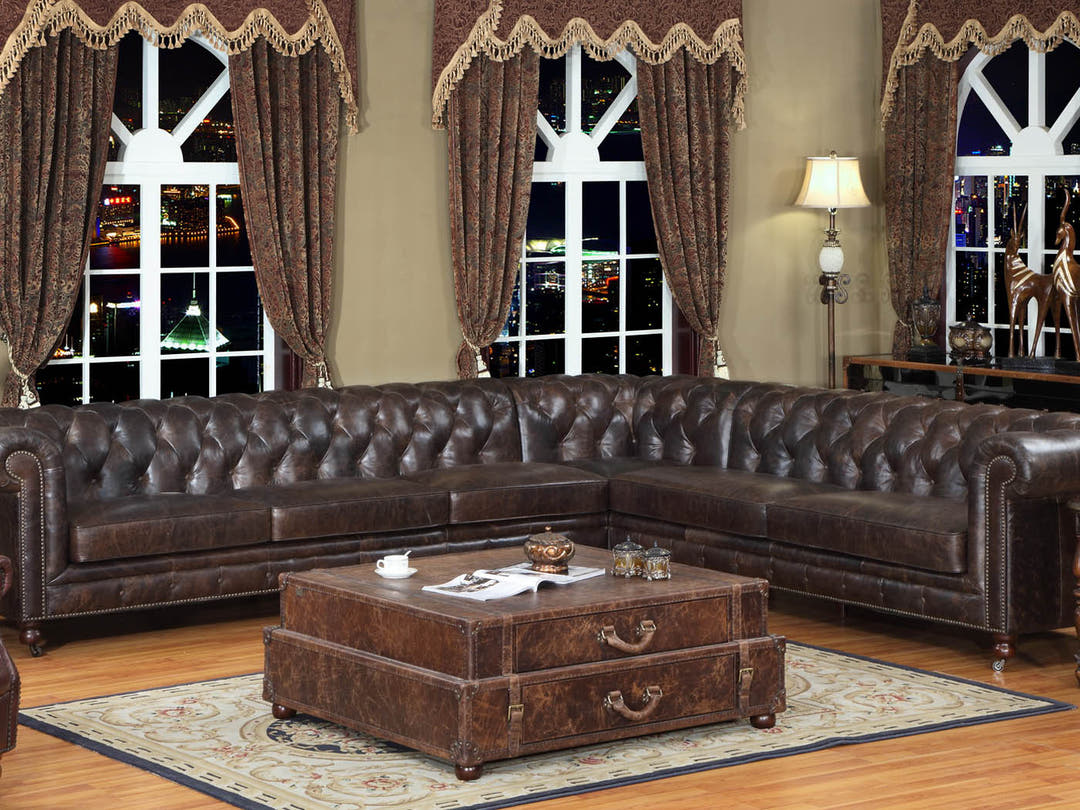
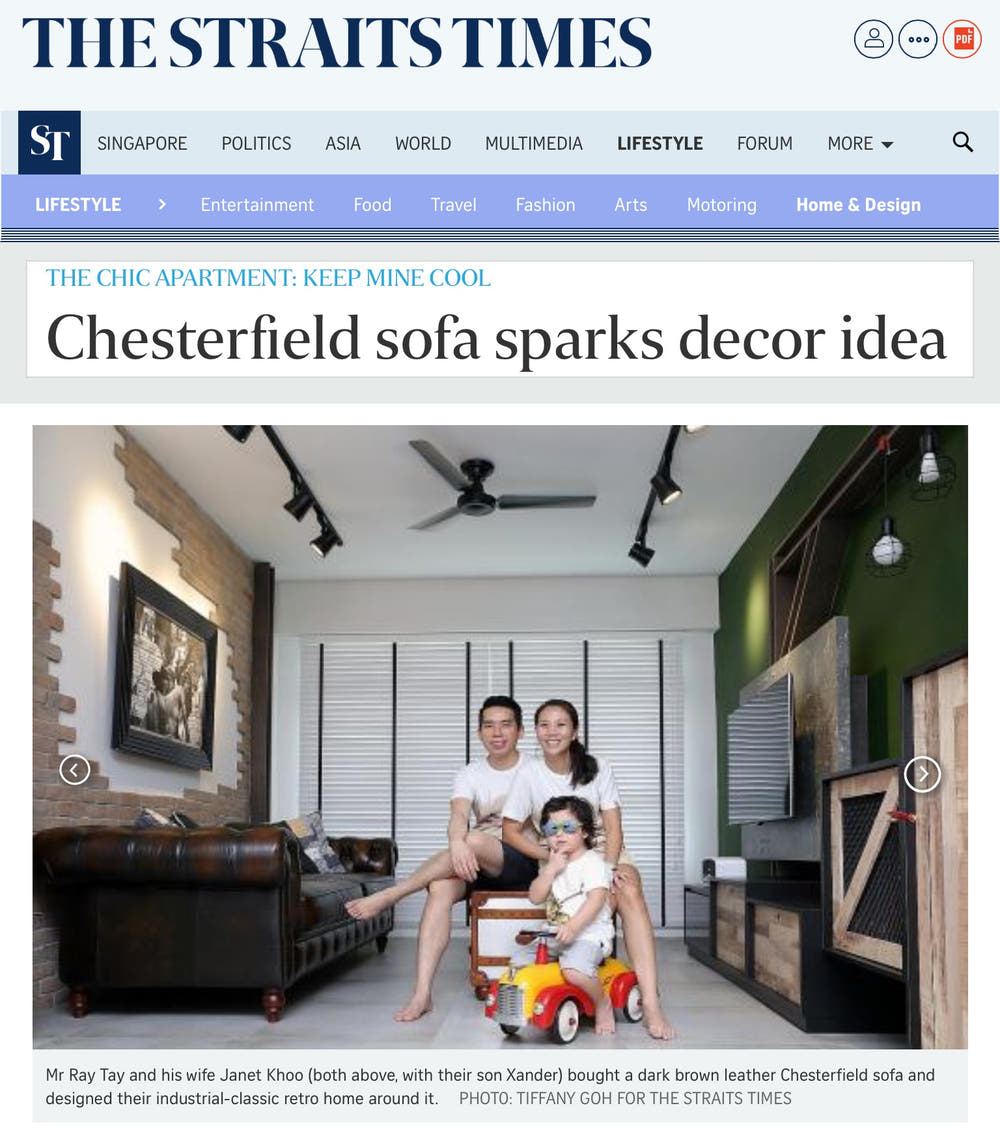
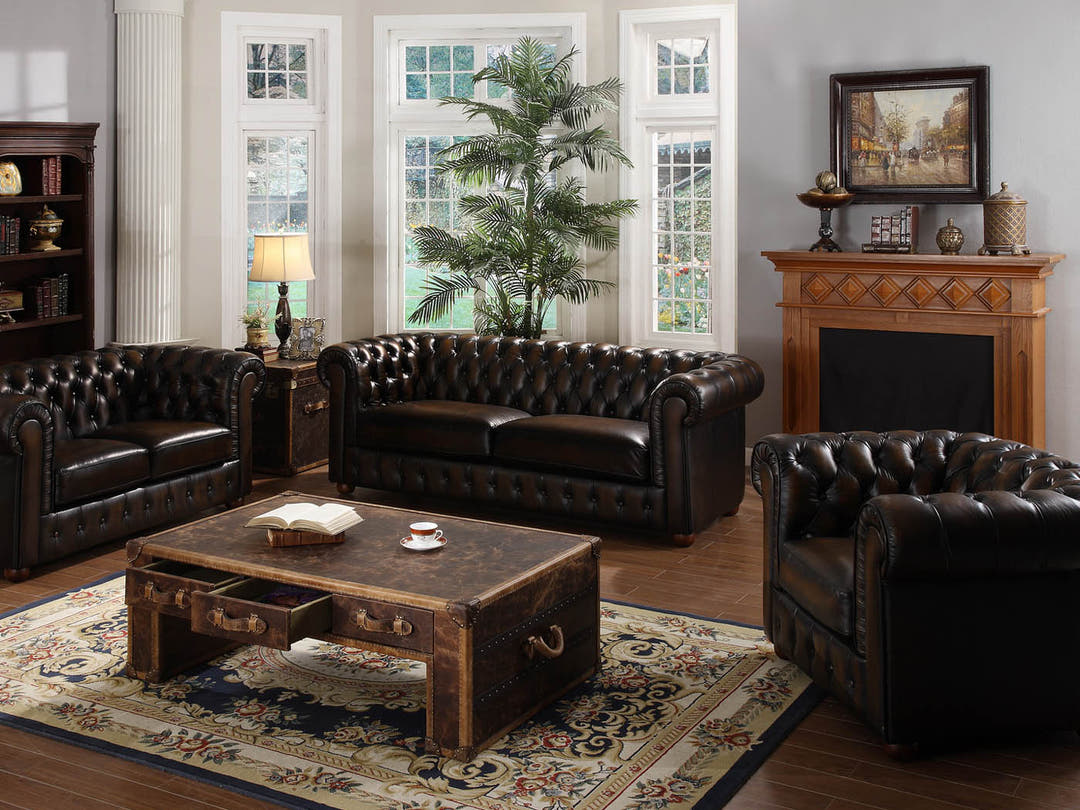
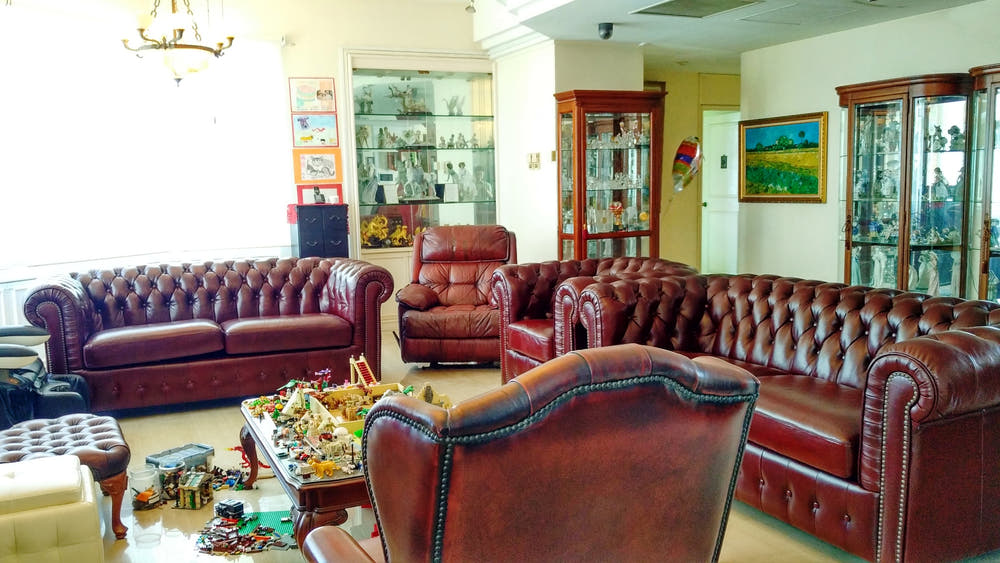
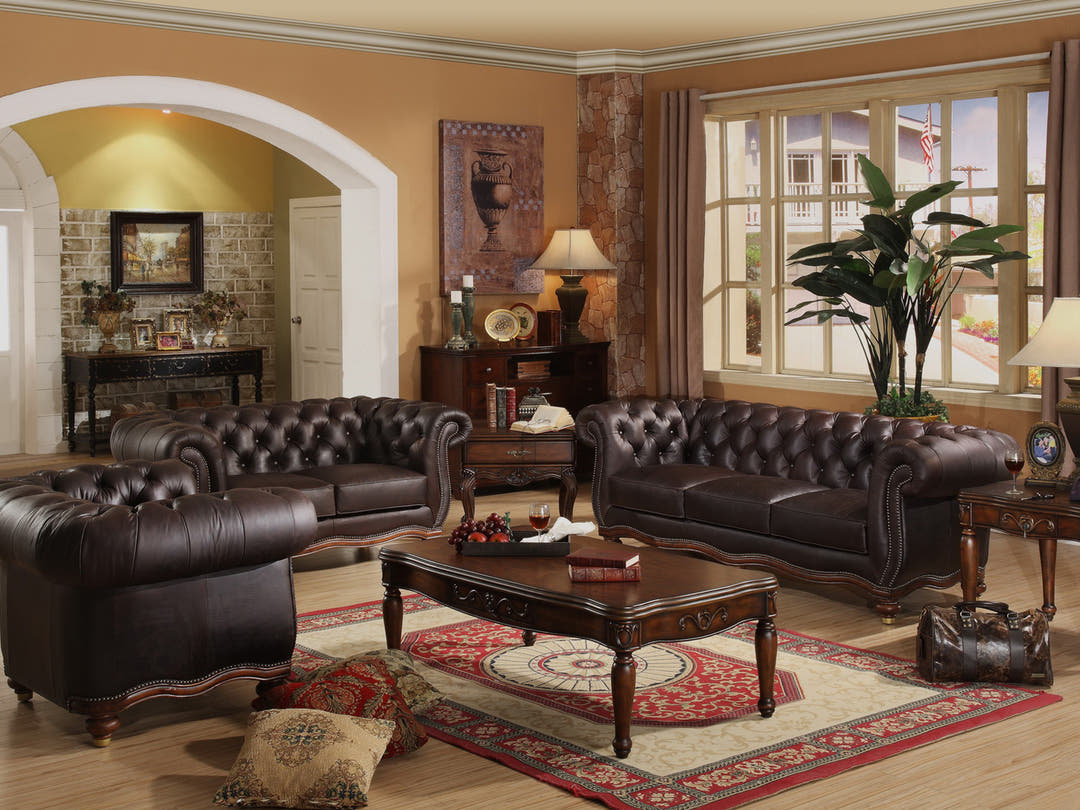
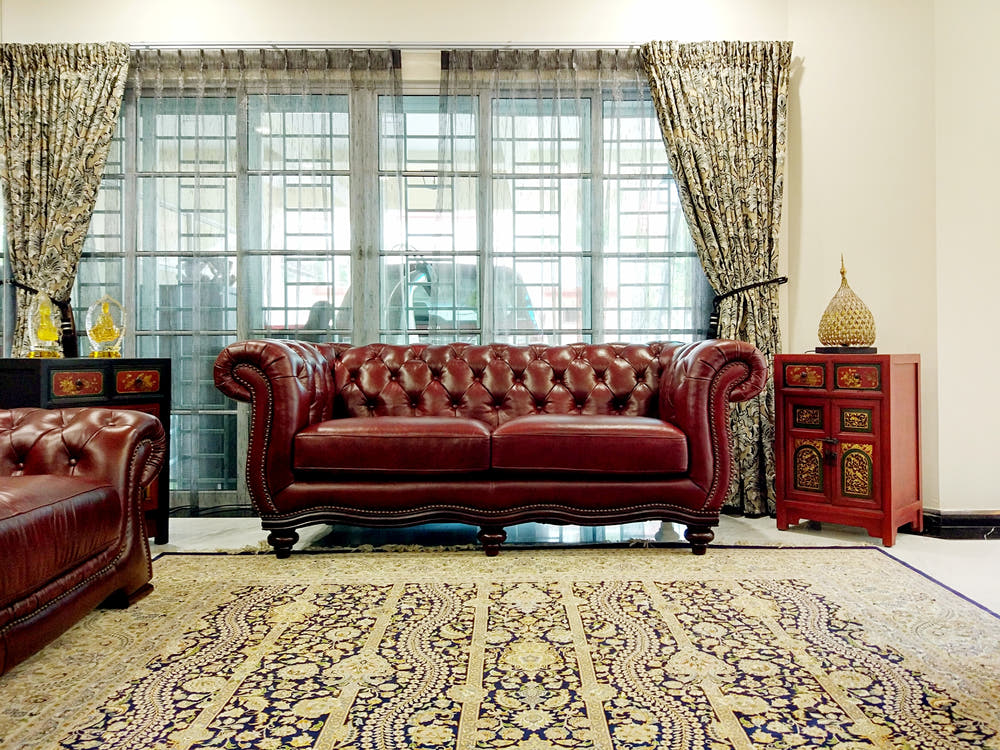
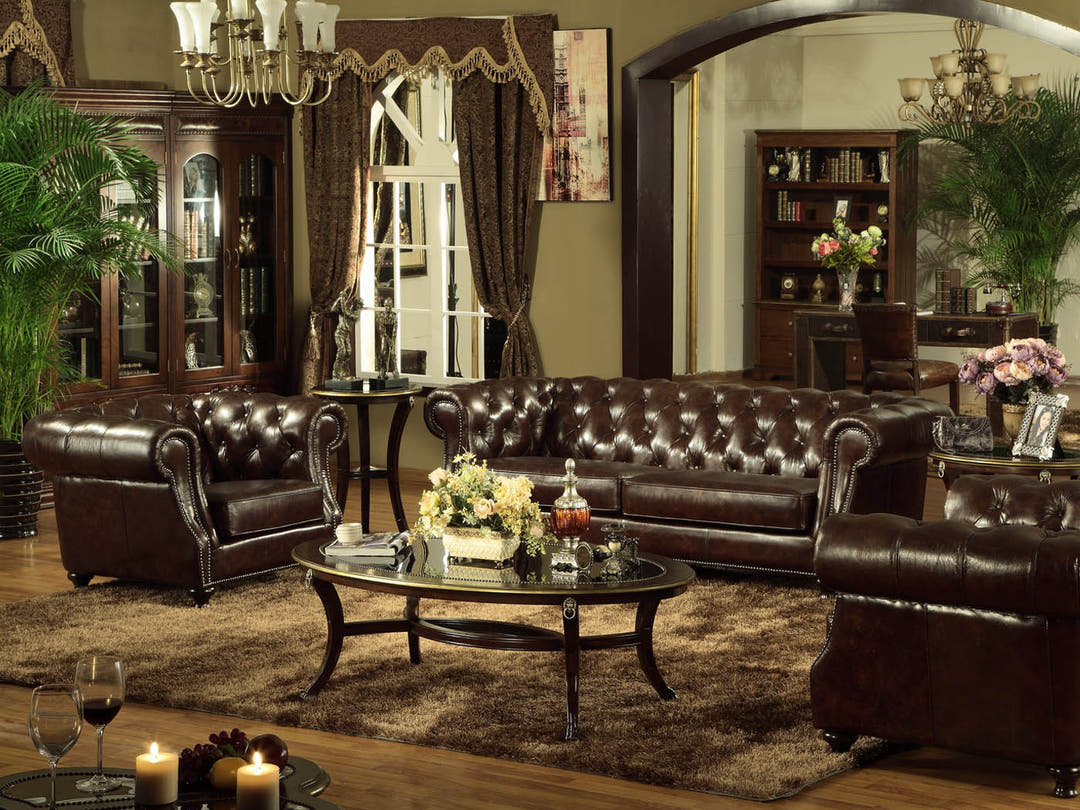
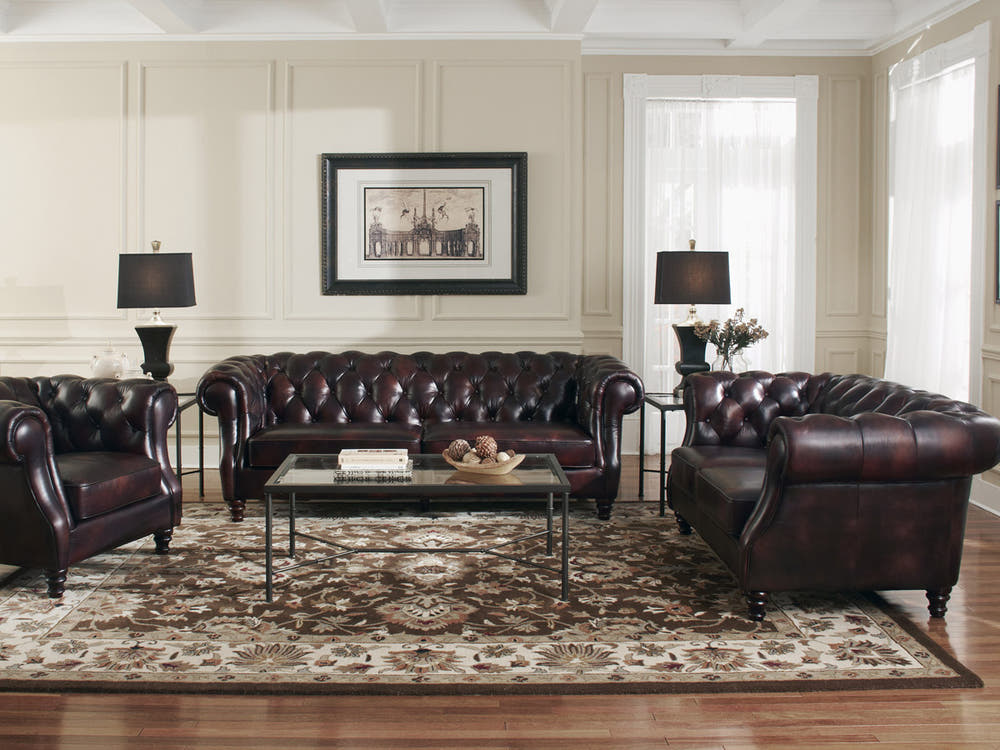
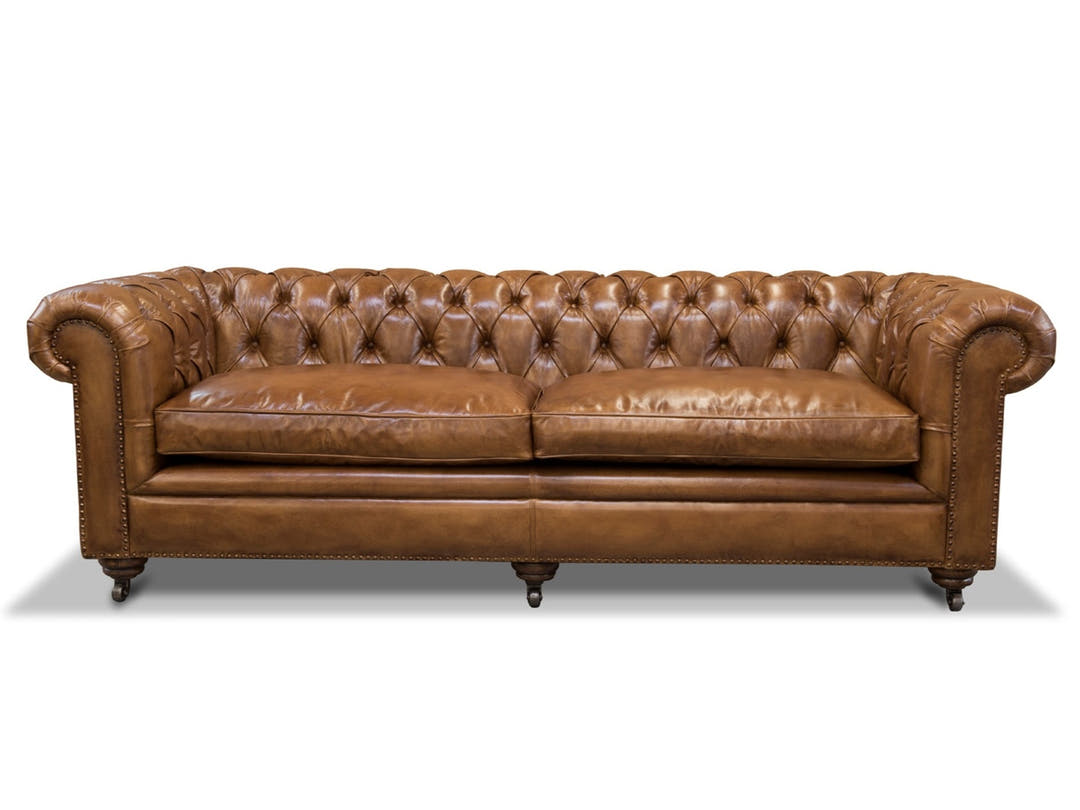
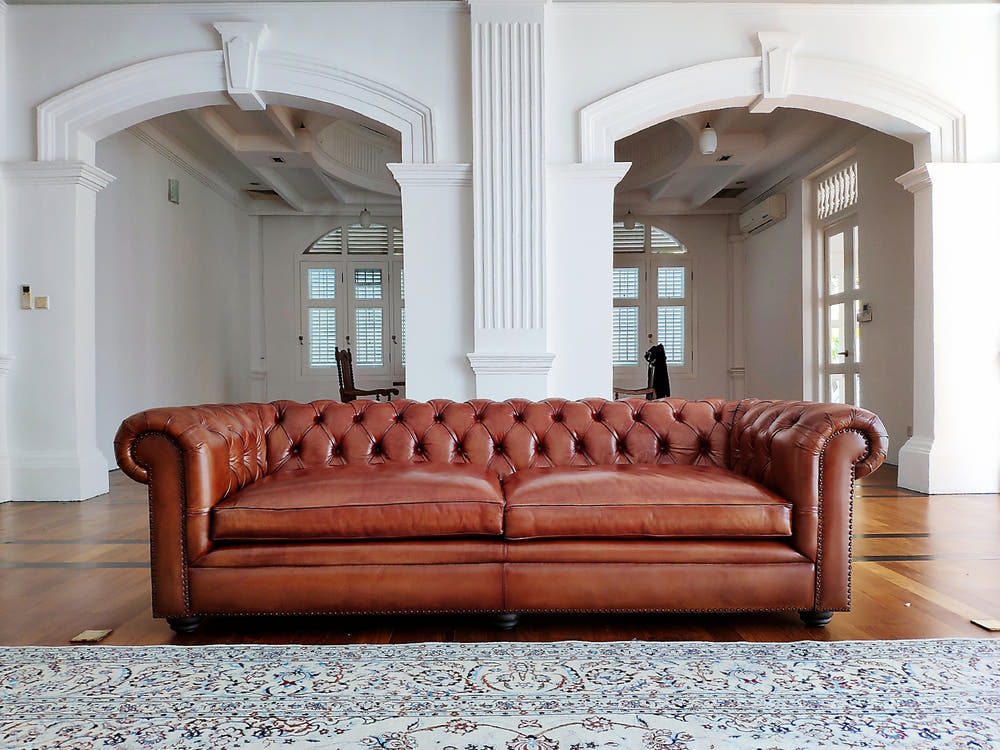
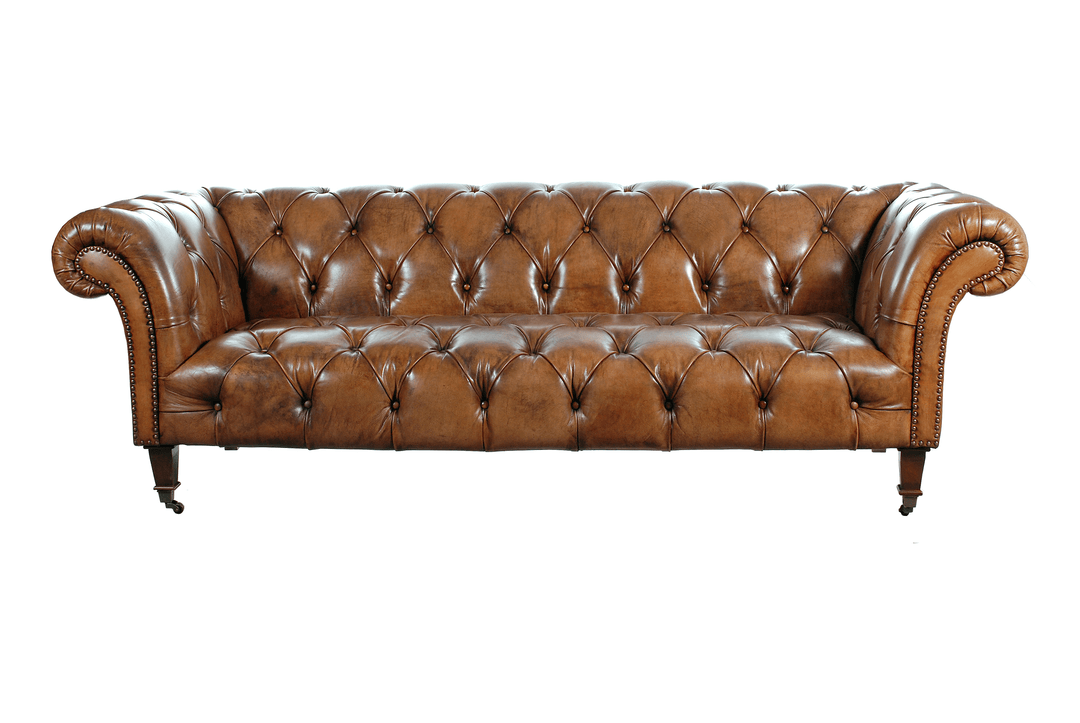
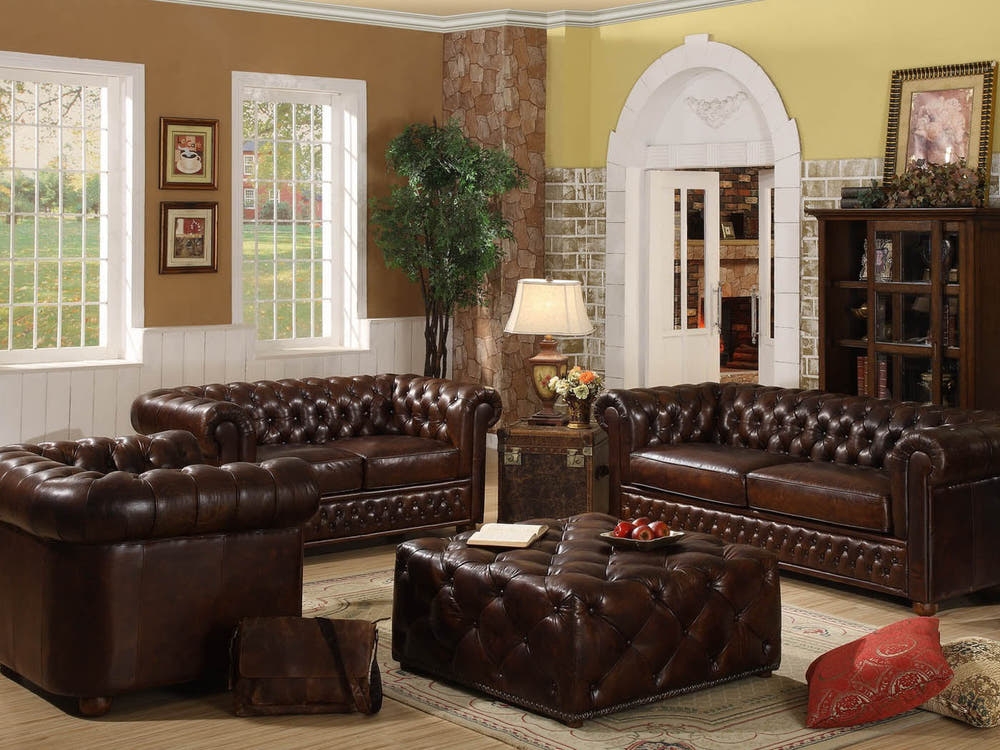
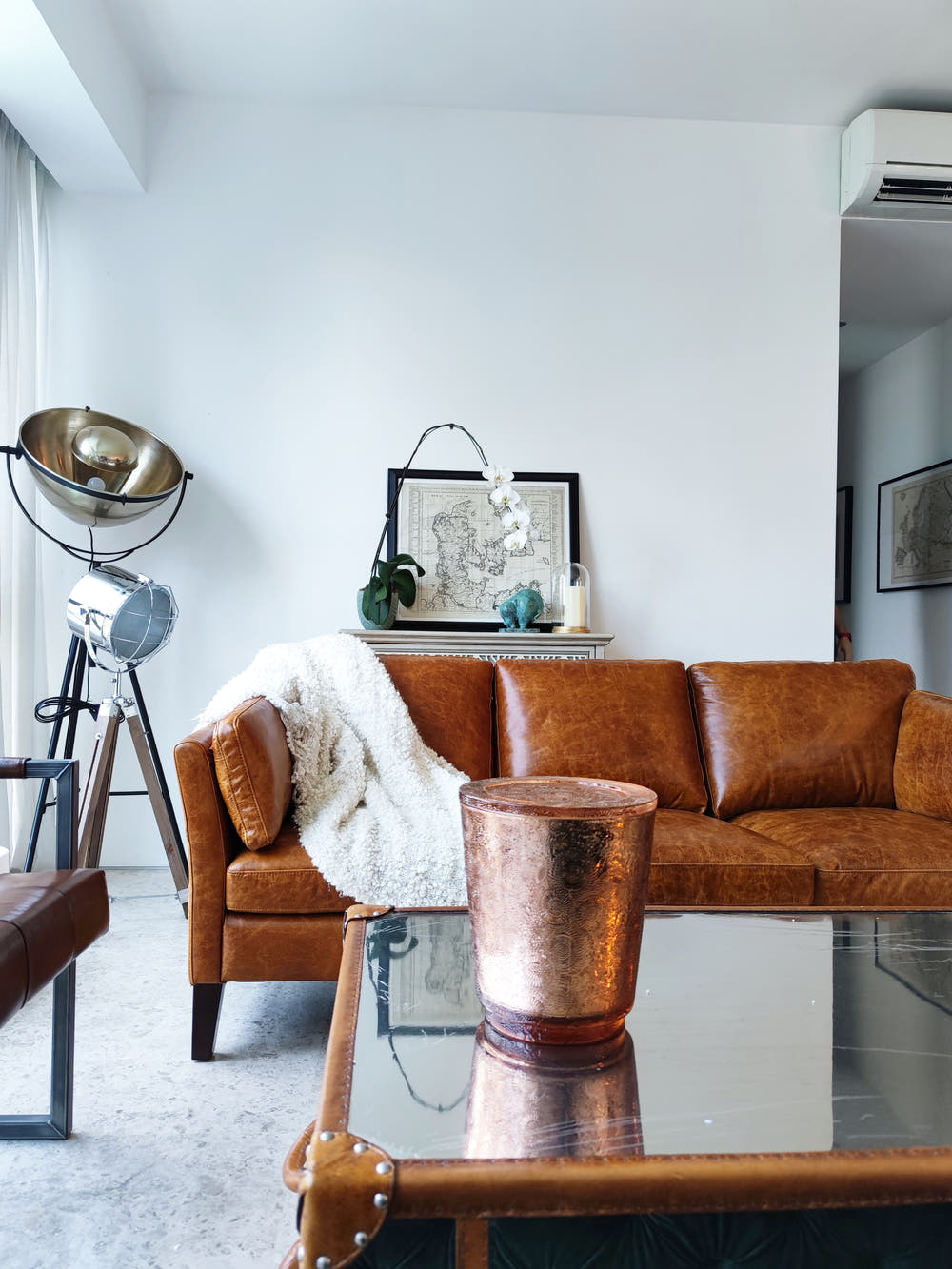
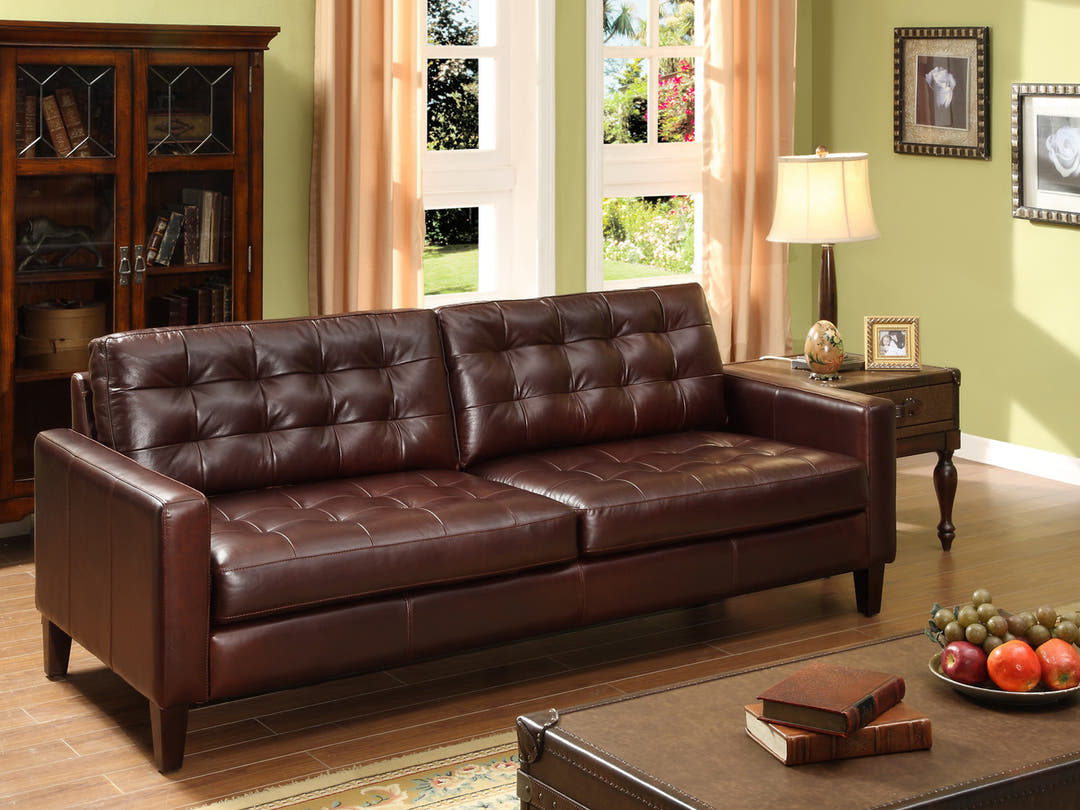
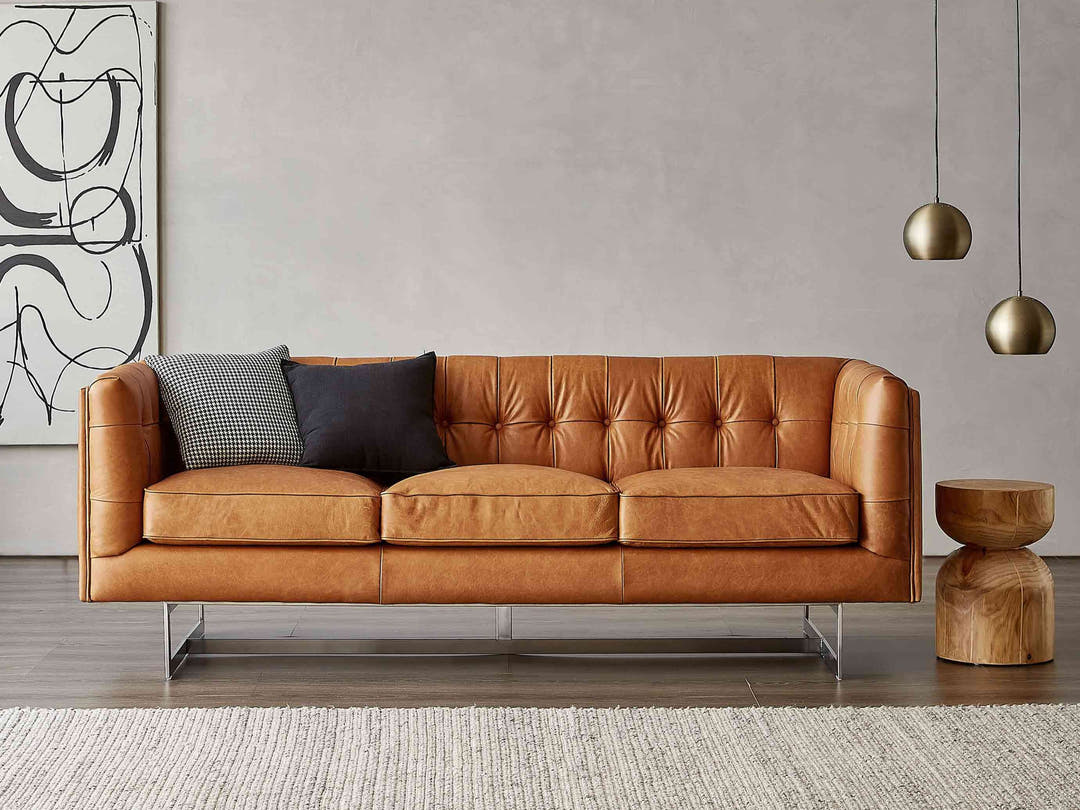
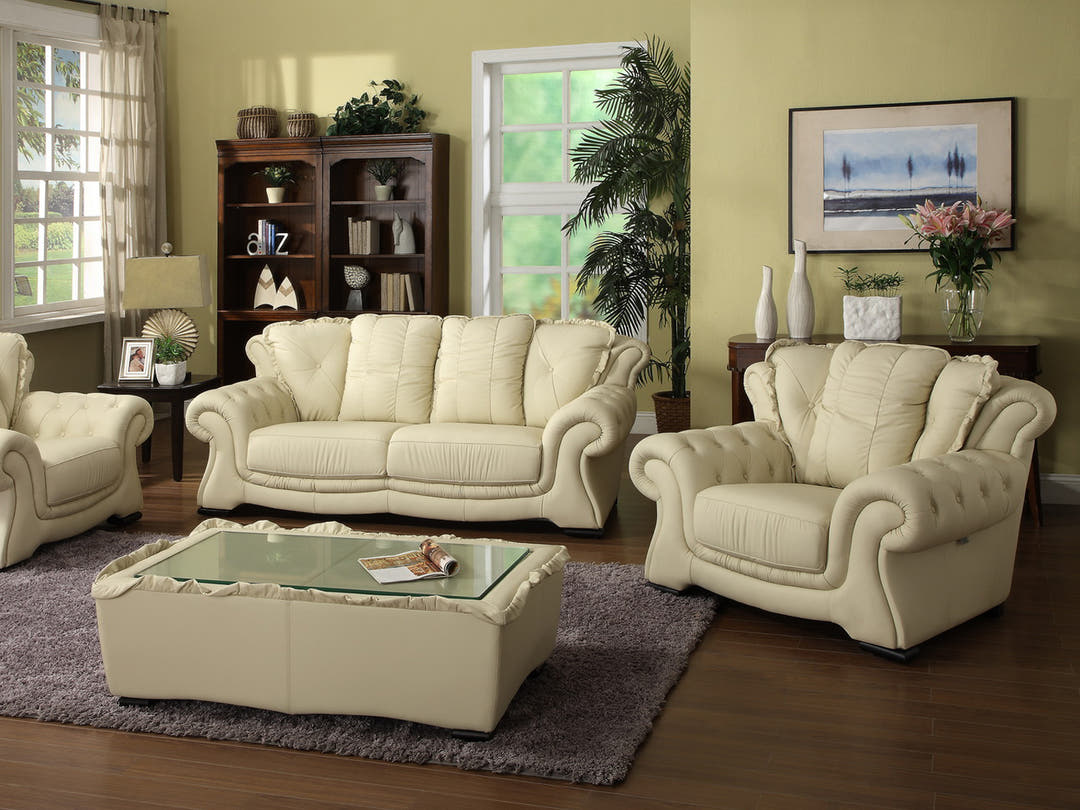
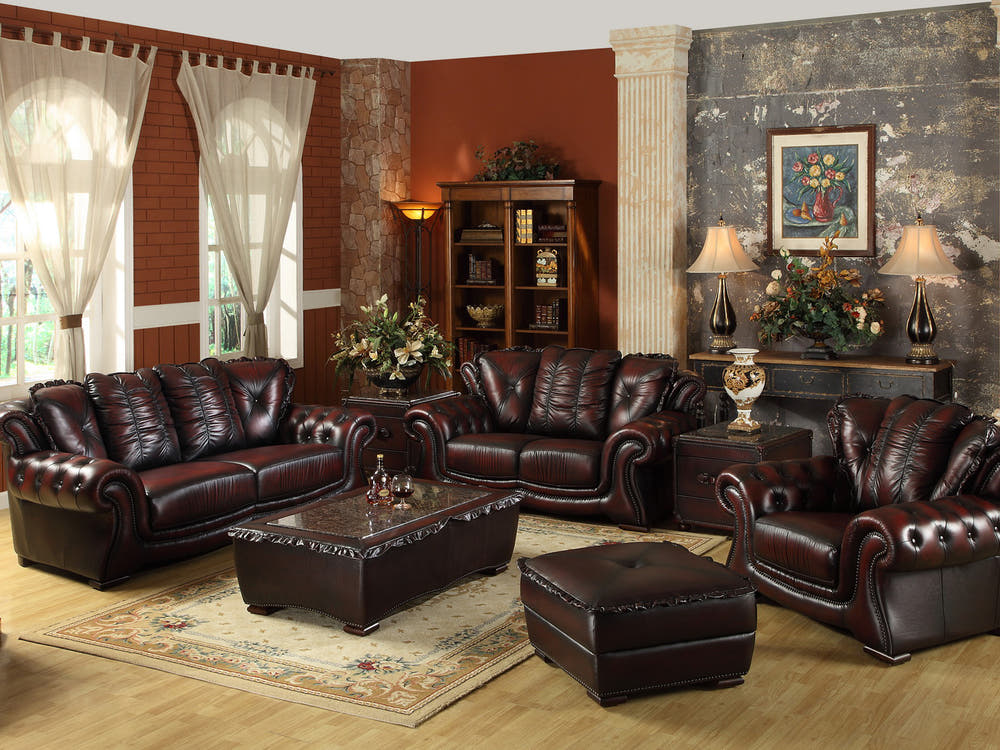
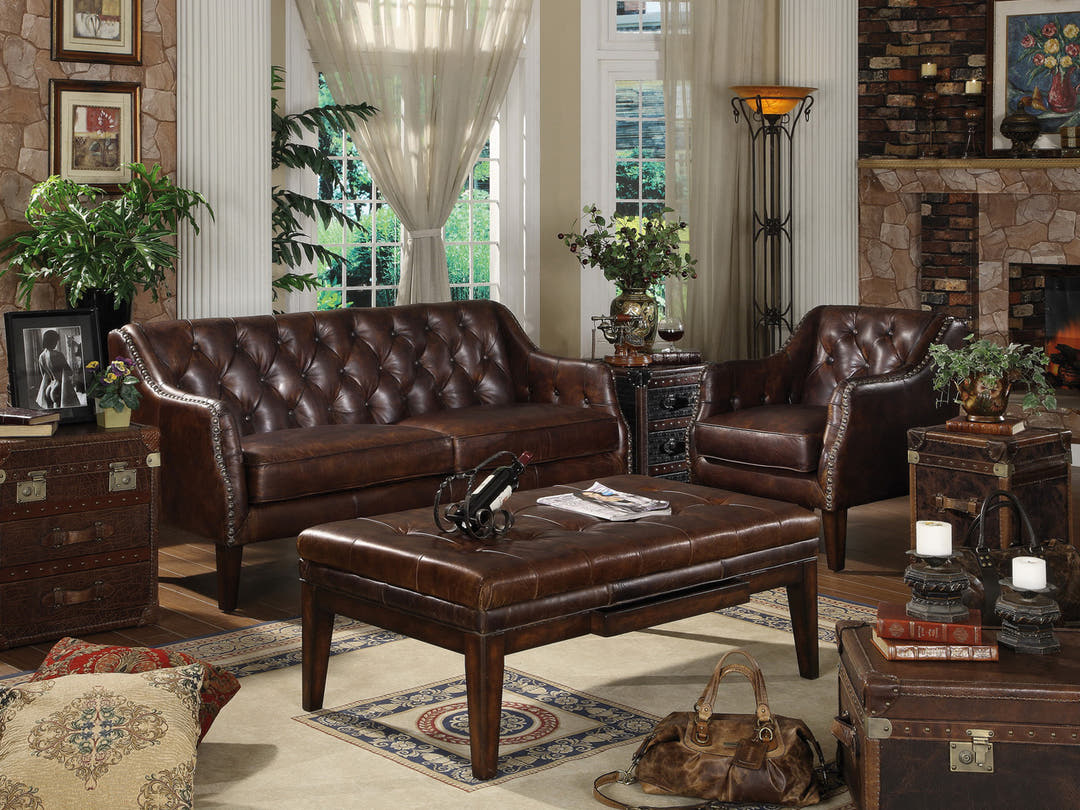
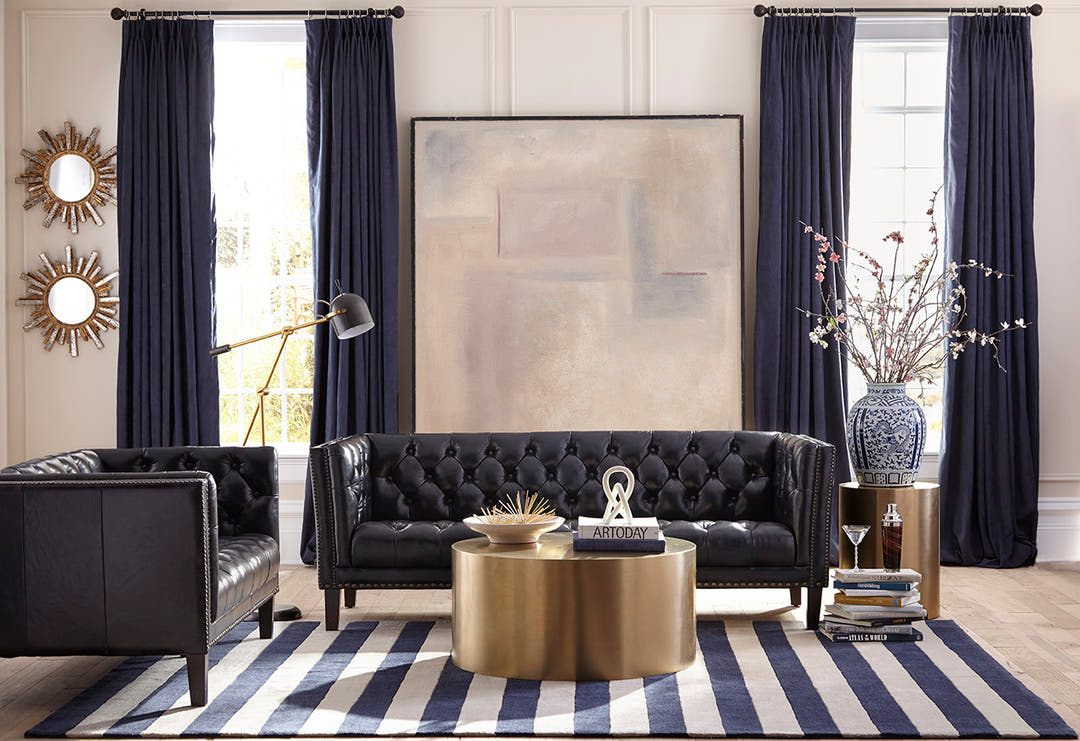
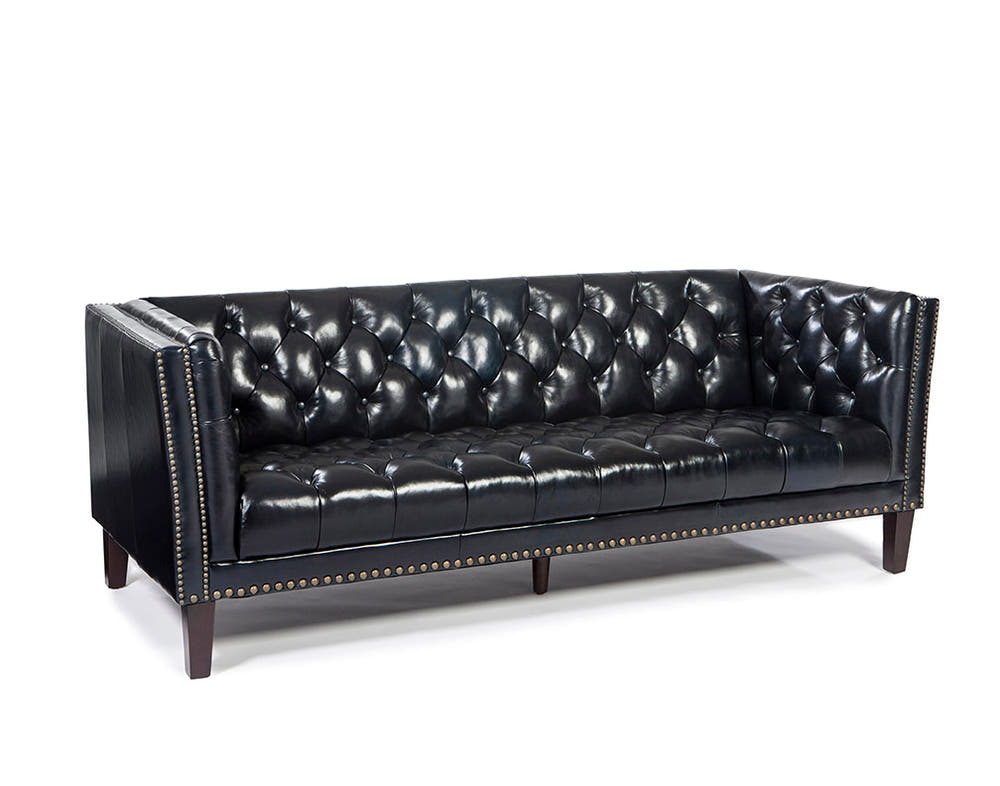
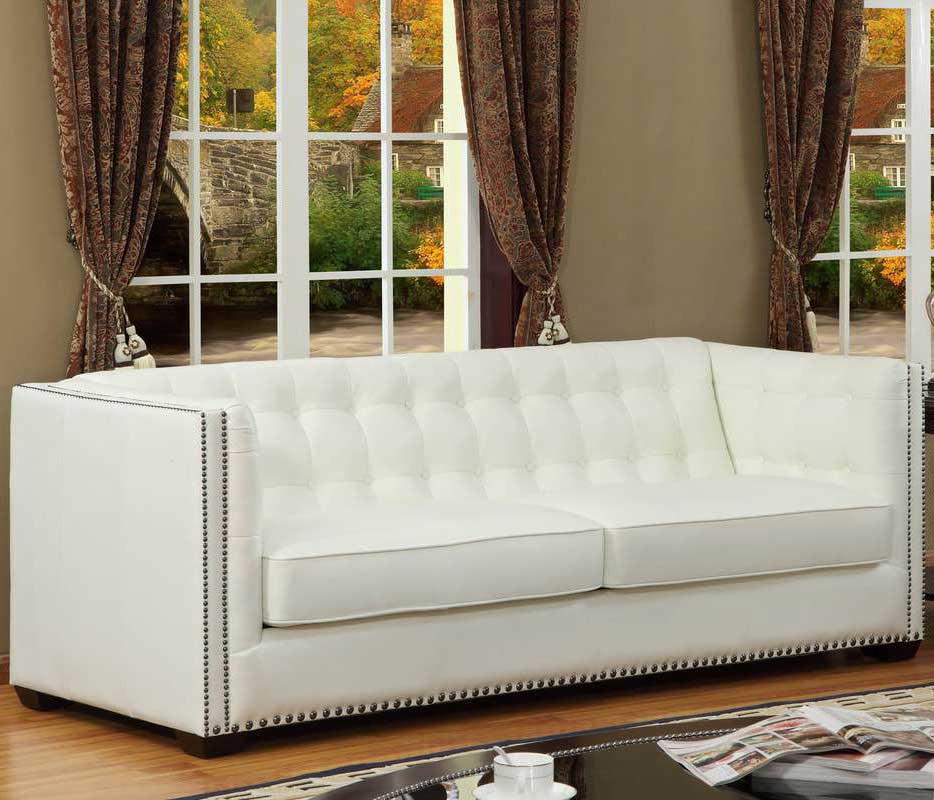
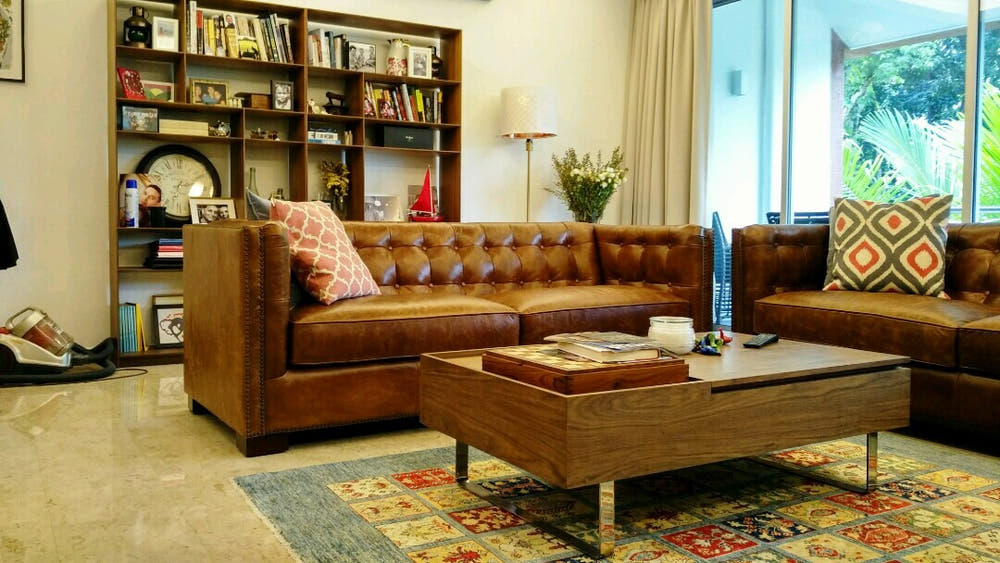
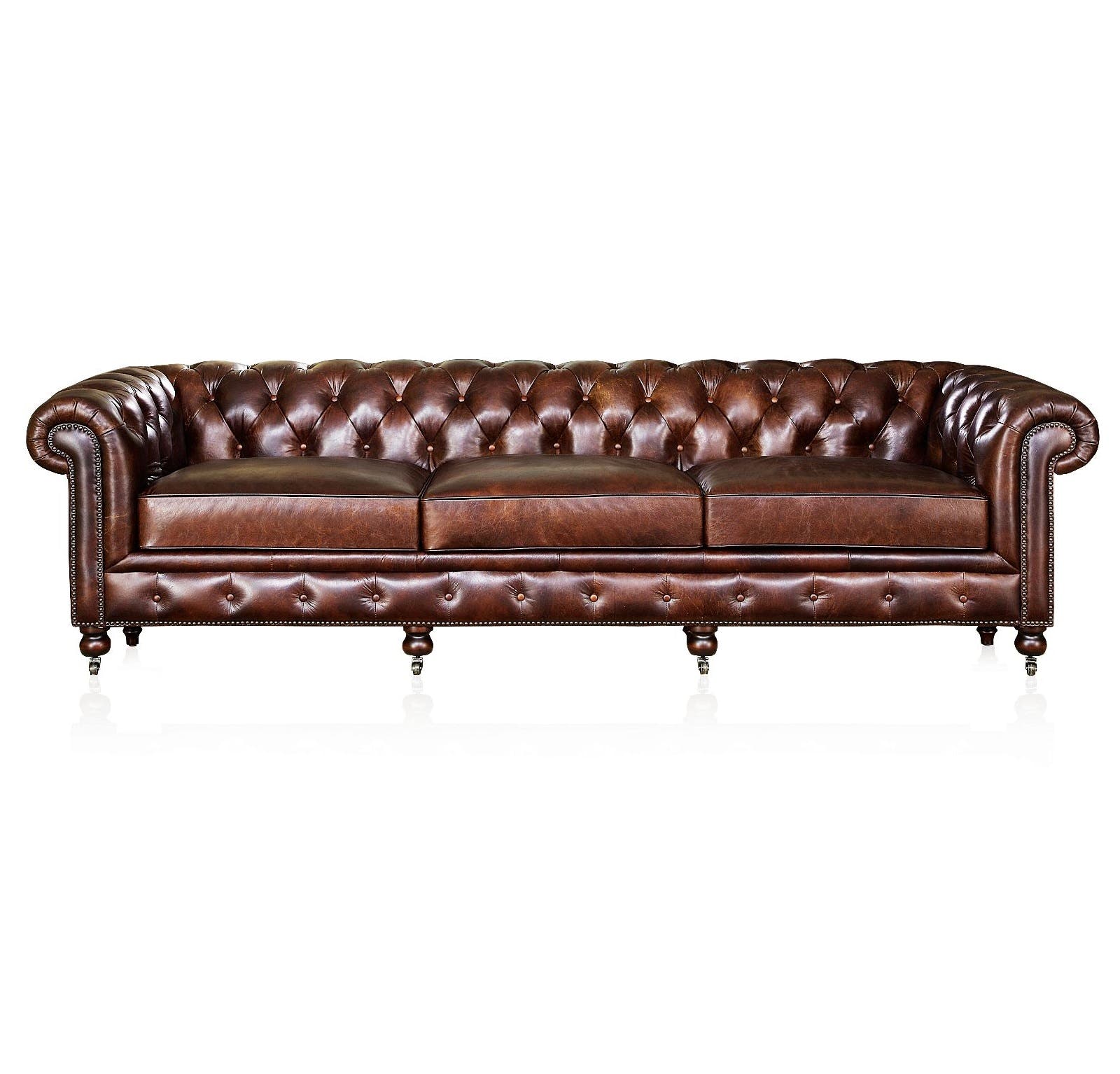
The moment a Chesterfield enters a space, the atmosphere changes. It anchors the eye, calms visual noise, and sets a tone that feels intentional—like a room has been edited rather than merely furnished. The deep button tufting catches light and shadow. The rolled arms introduce a gentle curve that softens hard architectural lines. The back and arms sitting at the same height creates a composed horizon, giving the room a sense of order.
And then there is the first touch.
A true Chesterfield experience is tactile. It is the sensation of leather that is warm rather than slick, substantial rather than plasticky, supple rather than coated. When people talk about falling in love with a Chesterfield, they are often describing the same thing in different words: the “feel” of sitting into it, the comfort of resting an arm on a rounded roll, the quiet pleasure of leather that responds to body heat and movement.
This is why the Chesterfield remains a global icon. Not because it is a brand—Chesterfield is a sofa design, not a trademarked maker—but because it creates a distinctive mood wherever it lives: in London townhouses, New York lofts, Singapore penthouses, Dubai offices, Parisian apartments, and boutique hotels from Tokyo to Barcelona. The design carries a high benchmark in the imagination. People already know what it should feel like before they ever sit down.
This guide reframes the Chesterfield in the way most buyers actually experience it: as ambience, comfort, and touch—especially the sensory comfort of full-grain leather—while still clarifying what makes a sofa a Chesterfield and why the name endures.
Why is a sofa called a Chesterfield?
The origin is wrapped in tradition and legend. The name is commonly associated with Philip Dormer Stanhope, the 4th Earl of Chesterfield, and the idea of a sofa made for upright, refined sitting in formal settings. Over time, “Chesterfield” became linked to a particular silhouette: rolled arms, deep tufting, and a tailored, stately posture. In some regions—especially in Canada—“chesterfield” even became a general word for “sofa,” which tells you how thoroughly the term entered everyday life.
In today’s market, the most practical definition is the one used by designers and buyers worldwide: a Chesterfield is a style of sofa, recognized by its signature proportions and detailing.
That distinction matters. Chesterfield is not a brand. It is a design language. One maker’s Chesterfield can feel crisp and lounge-worthy; another’s can feel stiff, flat, or overly shiny. The name evokes a mood, but the mood depends on how the sofa is built and—crucially—how it feels to the touch.
Chesterfield ambience: why this shape changes a room
When people shop for a Chesterfield, they are often shopping for a room identity. The sofa is not just furniture; it is atmosphere.
1) The “library effect”: depth, shadow, and calm
Deep button tufting is not merely decorative. It creates a surface that interacts with light all day long. In the morning, tufted valleys hold shadow and look crisp. At night, warm lighting makes the leather glow and the tufting reads as texture rather than pattern. This interplay creates what many homeowners describe as a “library” or “club” mood—even in a modern apartment.
The room feels grounded. The sofa absorbs visual space in a composed way, like a tailored jacket in a crowd of casual outfits.
2) Curves that soften modern architecture
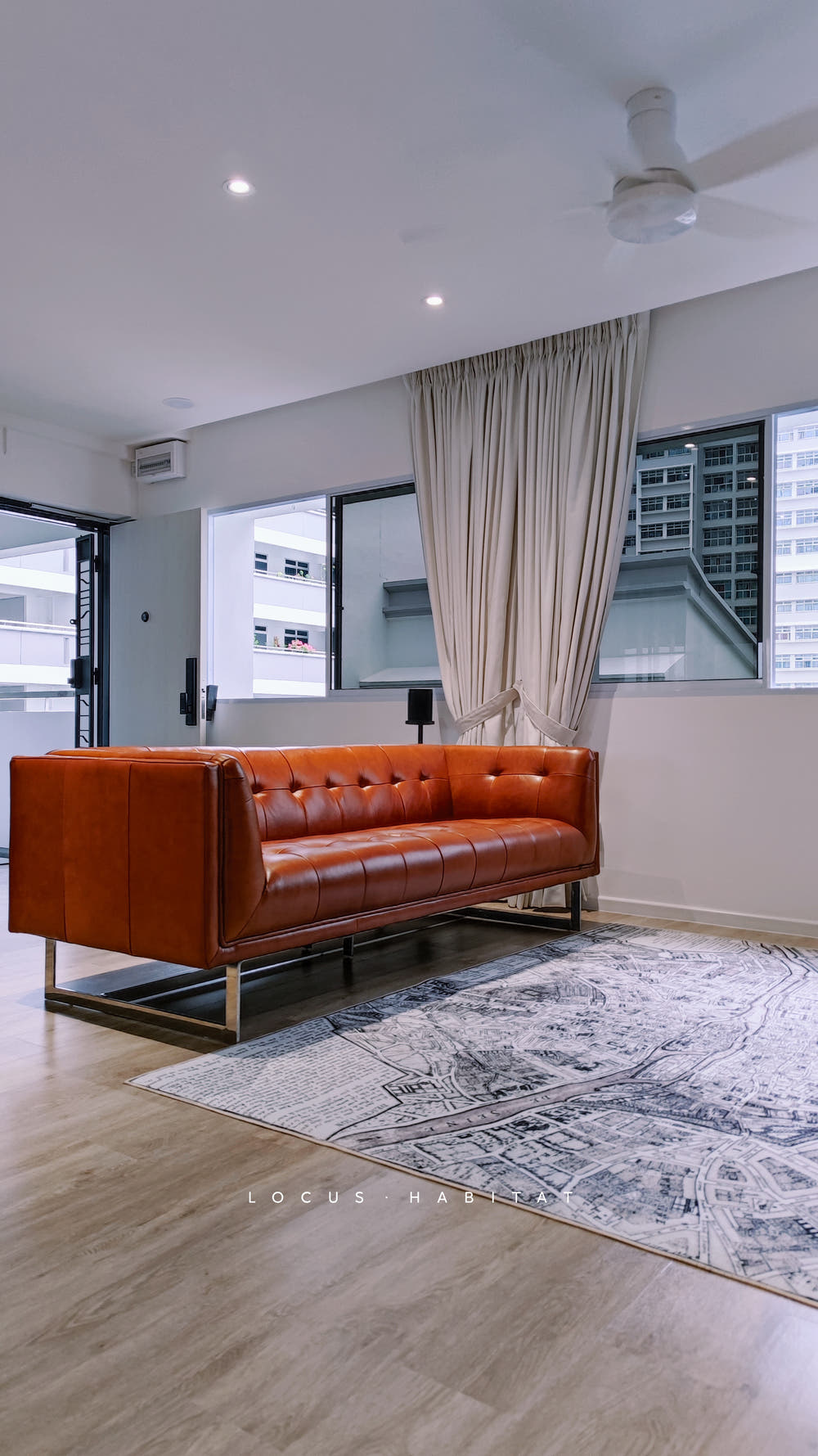
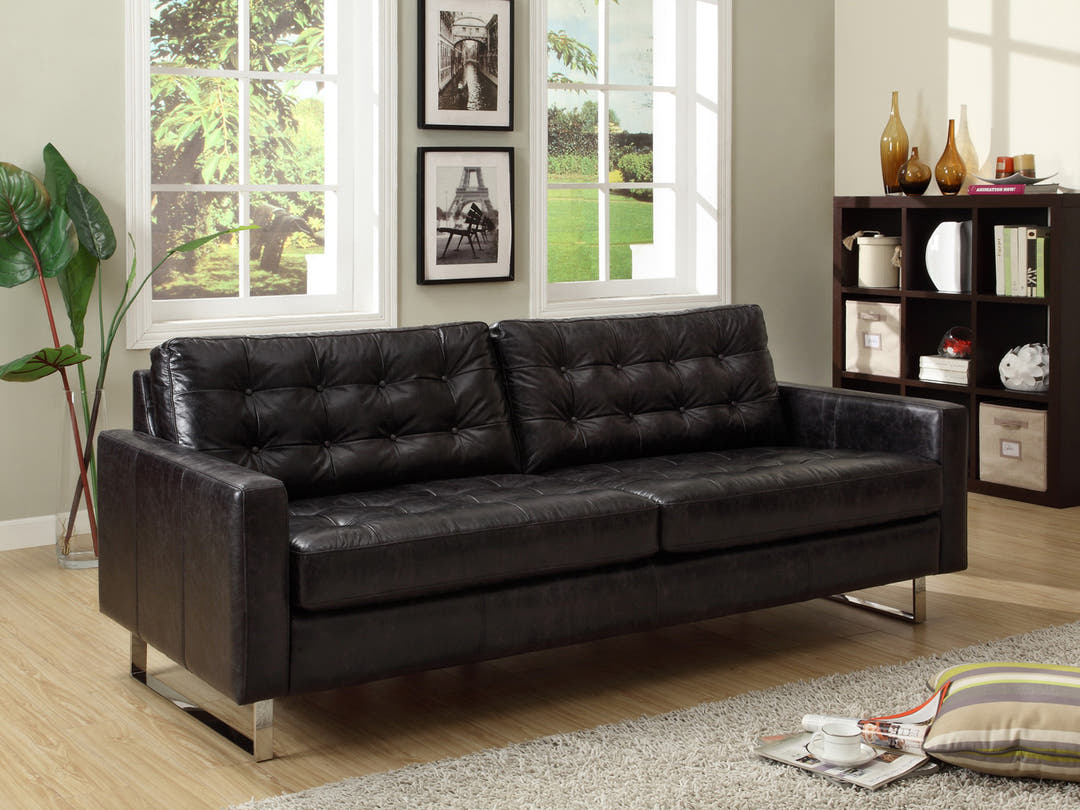
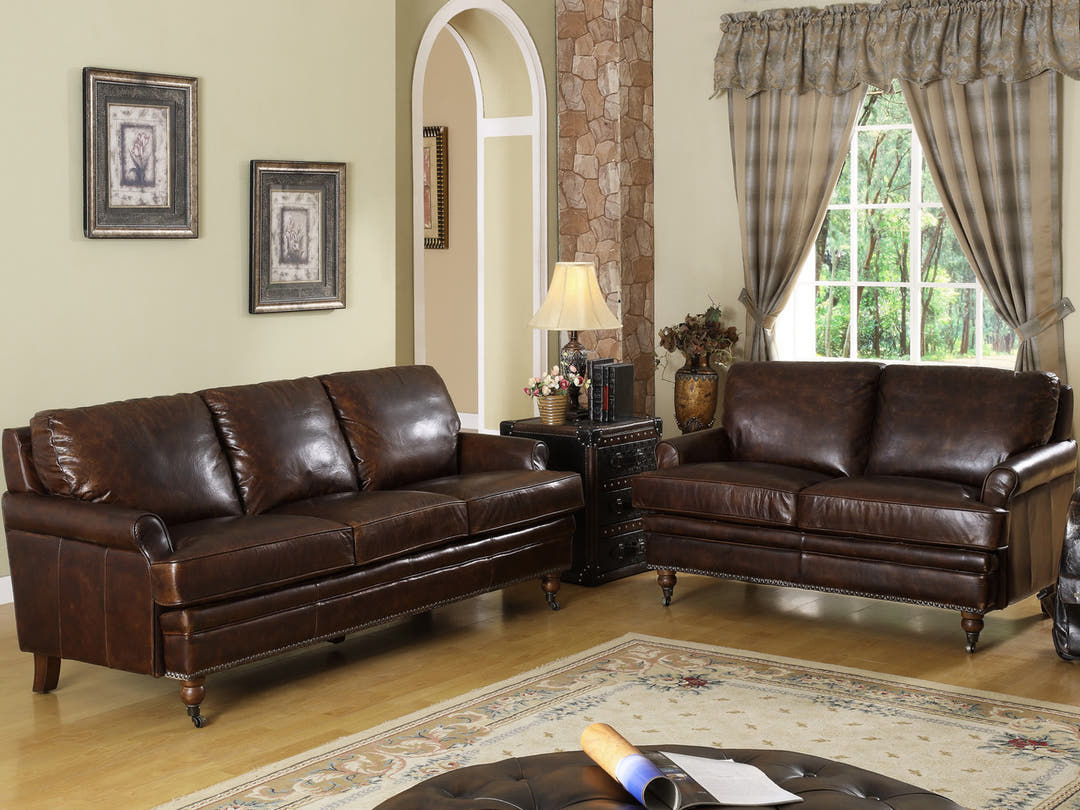
Contemporary interiors often have clean lines—flat walls, sharp corners, large glass panels, and minimal trim. A Chesterfield’s rolled arms introduce a human curve into that geometry. It makes the room feel less clinical without becoming fussy. The curve is the point: it’s where people instinctively rest a hand, lean a shoulder, set a book, or curl up with a coffee.
3) Symmetry that signals order
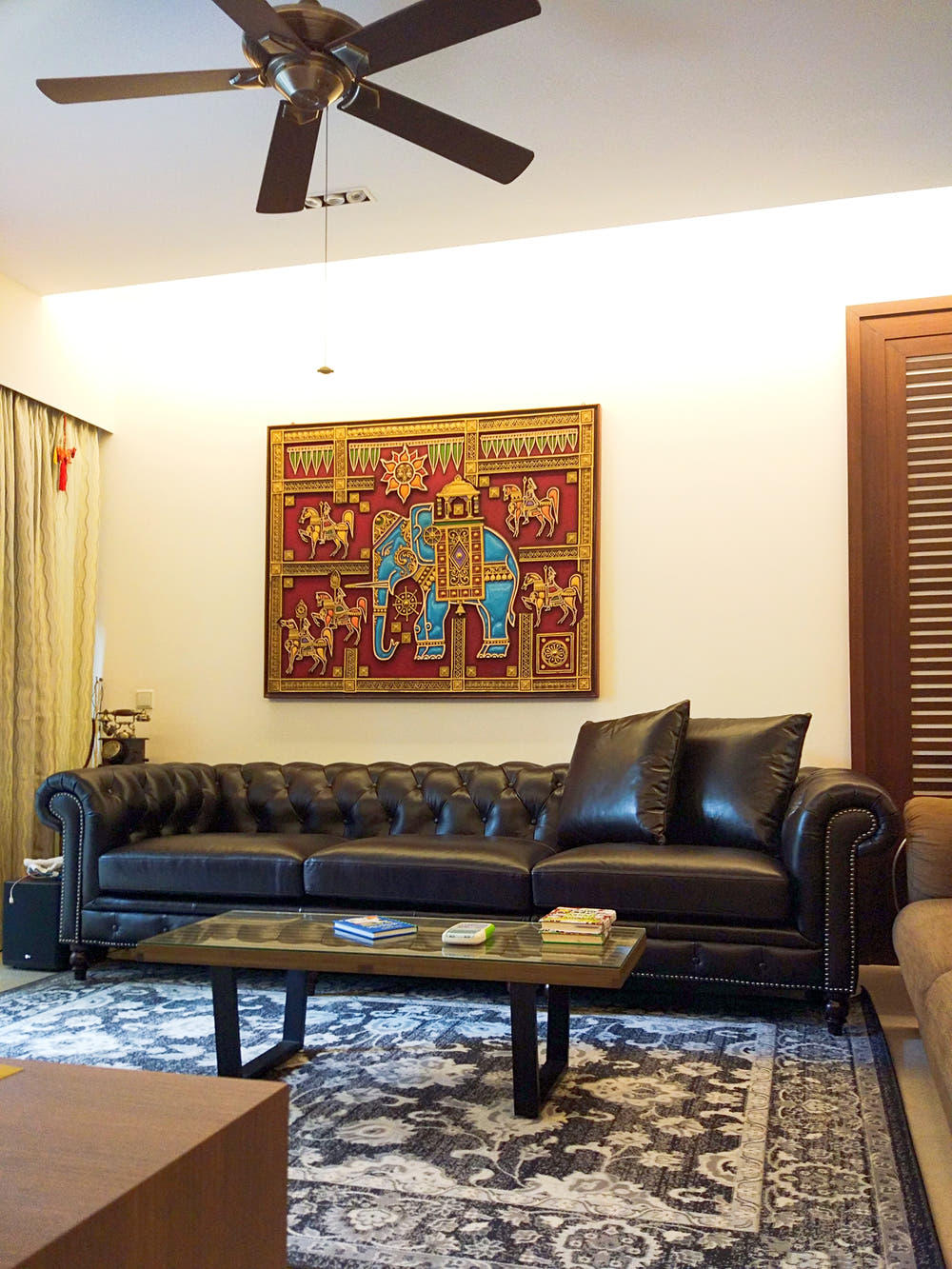
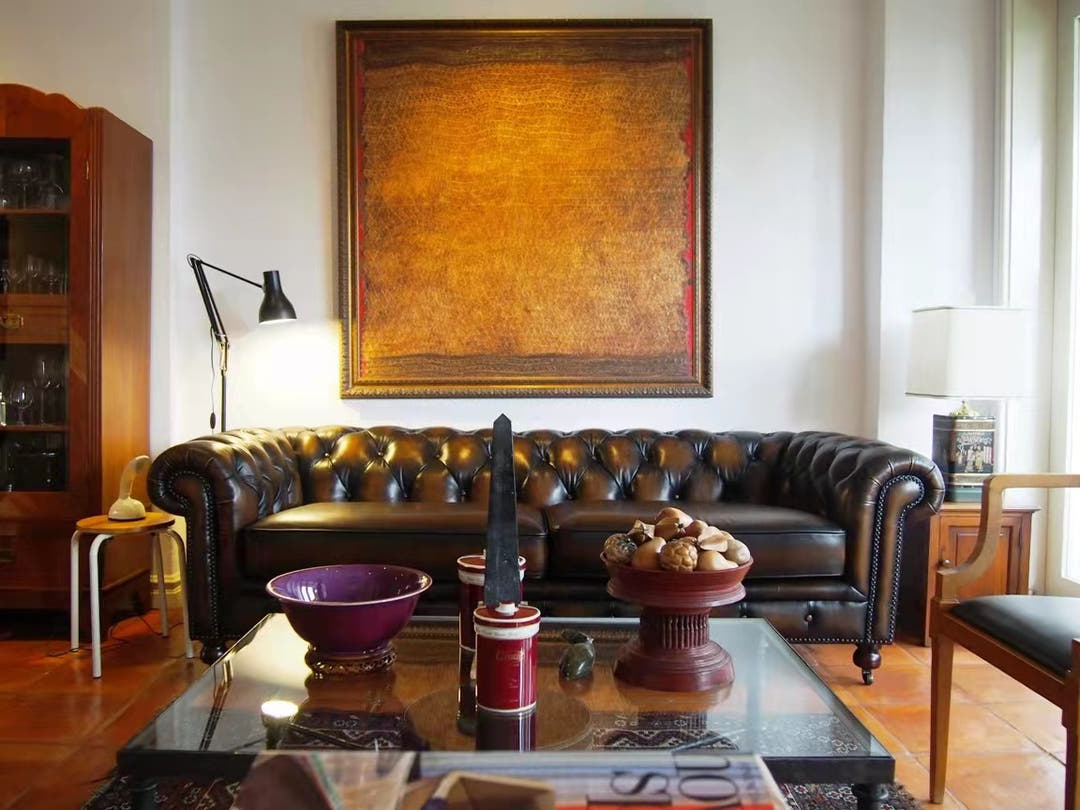
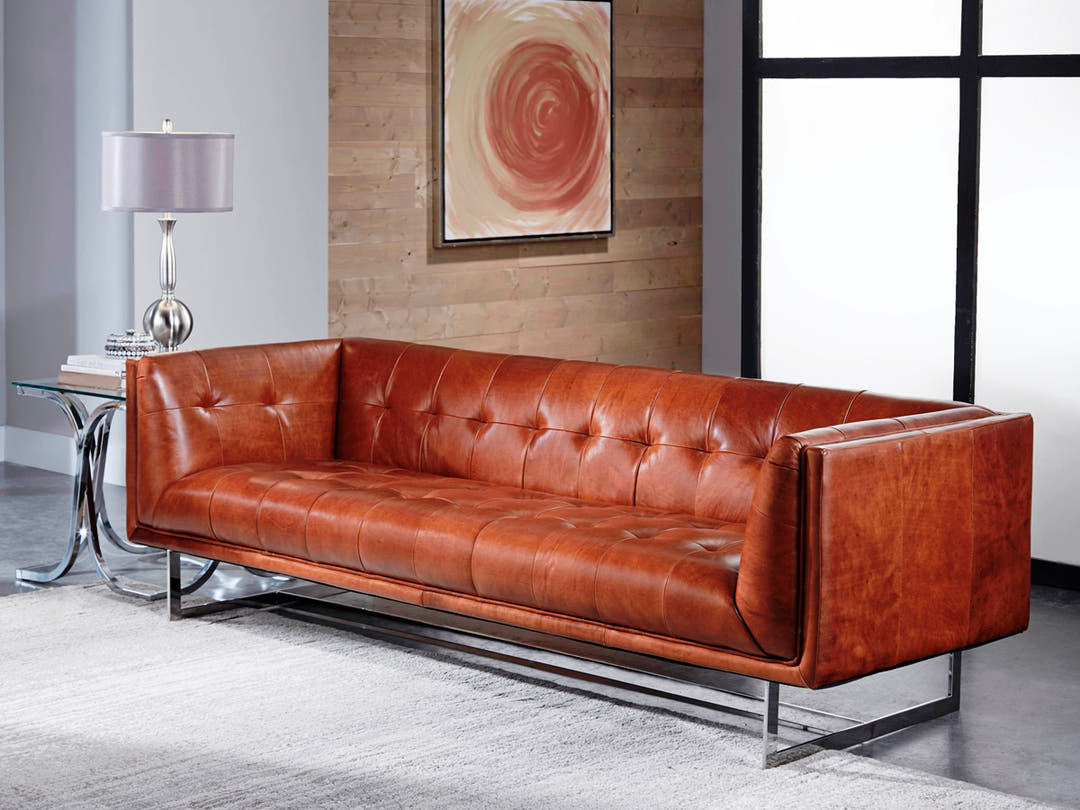
A classic Chesterfield often features arms and back at a matching height. That single proportion creates visual discipline. The room looks “finished,” even if everything else is simple: a rug, a coffee table, one piece of art. In global design language, symmetry reads as confidence.
4) The quiet statement
A Chesterfield is bold, but not loud. It does not rely on novelty. That restraint is part of the ambience: it suggests permanence. Not in the sense of “it will last forever,” but in the sense that it will not embarrass you next year. It creates a room that feels adult and settled.
The comfort story: why full-grain leather is about touch, not status
Many people hear “full-grain leather” and think the conversation is about durability or prestige. But for day-to-day living, the real difference is more intimate: how it feels against skin.
A Chesterfield invites touch. The rolled arms are an ergonomic gesture. The tufting creates micro-support points. The leather becomes the interface between the body and the room. When that leather is full-grain and thoughtfully finished, the sofa feels less like a product and more like a companion.
What “comfort to touch” really means in leather
Comfort is not one thing. It is a bundle of sensations:
-
Temperature response: Leather that feels cold and artificial tends to stay cold. Leather that is more natural in surface character warms up quickly and becomes inviting.
-
Surface drag: Some “leather” feels sticky or overly smooth—your skin doesn’t glide naturally, or it glides too much. A comfortable leather has a balanced hand feel: it lets you settle without clinging.
-
Softness with structure: The most satisfying leather does not feel limp. It has body. When you run your palm across it, you sense substance beneath the softness.
-
Breathability perception: People often describe good leather as “less sweaty” or “less suffocating,” especially in warm climates. The feeling is that the surface is alive rather than sealed.
Full-grain leather often delivers these comforts because it keeps more of the hide’s natural character intact. Instead of feeling like a uniform synthetic layer, it feels nuanced—slightly different across panels in a way that reads as natural and calming.
The emotional comfort of patina—without talking about “durability”
Even if we avoid the language of longevity, there is a comfort in how full-grain leather settles. Over time it becomes more familiar. The sofa feels more “yours.” Not because it survives; but because it relaxes into the rhythms of your life: where you sit, where your arm rests, where the light hits in the afternoon.
That soft evolution is part of Chesterfield ambience. The sofa becomes less showroom, more home.
Why the Chesterfield cannot be purely “machine-made” in spirit
A key reason Chesterfields feel different is that the design is not boxy. It is sculpted.
Mass production works best when shapes are flat and repeatable: rectangles, straight seams, simple panels. A Chesterfield asks for something else:
-
Curving arms that must be upholstered smoothly
-
Deep tufting that must be pulled and balanced
-
A tailored look that depends on tension and symmetry
Even in modern factories, the Chesterfield’s defining details still rely heavily on hand skill, particularly in tufting and upholstery shaping. This is not only about “quality” in an engineering sense; it is about feel. The way the buttons sit, the way the pleats fall, the way the arm roll supports your elbow—those are comfort outcomes. Machines can replicate a look; they struggle to replicate a sensation.
This is also why clients come in with a high benchmark. The design has cultural memory. People have seen Chesterfields in movies, private clubs, hotel lobbies, executive offices. They expect that “sink-in-but-supported” comfort and that unmistakable touch of leather that feels premium without shouting.
The sensory architecture of deep tufting
Tufting is often treated as a visual signature. In reality, tufting is also a comfort feature—when it is done with intention.
1) Micro-support and the “settle-in” effect
Deep tufting creates a surface with subtle contours. When you lean back, your body finds small pockets of support. This can feel more embracing than a flat, taut backrest.
2) Acoustic and atmospheric softness
Rooms can sound hard—especially modern spaces with stone, glass, and high ceilings. Upholstery, especially deeply tufted upholstery, absorbs a little echo. The room becomes quieter. It is a subtle effect, but it changes ambience: conversations feel closer, music sounds warmer, the space feels less like a gallery and more like a lounge.
3) Visual warmth through shadow
Tufting holds shadow. Shadow creates depth. Depth creates warmth. That is why a Chesterfield can make even a minimalist room feel inviting: the sofa brings its own texture and lighting drama.
Chesterfield comfort across climates and cultures
A Chesterfield’s global popularity is not accidental. The design adapts culturally while keeping its identity.
-
In cooler climates, a leather Chesterfield feels cozy and enveloping—especially with warm lighting and wool textiles nearby.
-
In humid climates, leather comfort becomes more about the finish and the hand feel—how quickly it warms, how it feels against skin, how it responds to air-conditioning cycles and daily use.
-
In hospitality spaces worldwide, the Chesterfield reads as “premium lounge” without requiring ornate décor. It can make a lobby feel curated, a waiting area feel calmer, and an office feel more composed.
Across these contexts, the decisive factor is not the label “Chesterfield.” It is whether the sofa delivers that sensory experience—touch, comfort, and mood.
Styling for ambience: how to make a Chesterfield feel modern, not museum-like
A common fear is that a Chesterfield will make a room feel old-fashioned. In practice, it is one of the easiest classics to modernize, because its structure is clean.
Pair it with contrast, not competition
-
Modern coffee table: stone, glass, or thin metal frames to balance the sofa’s visual weight.
-
Simple rug: a textured neutral rug lets tufting remain the hero without clutter.
-
Contemporary art: large-scale, minimal art makes the Chesterfield feel curated rather than nostalgic.
Use lighting to enhance the tufting
-
Warm, directional lighting highlights depth and gives leather a gentle glow.
-
Avoid harsh overhead lighting that flattens texture; a Chesterfield deserves shadow.
Let the leather be the color story
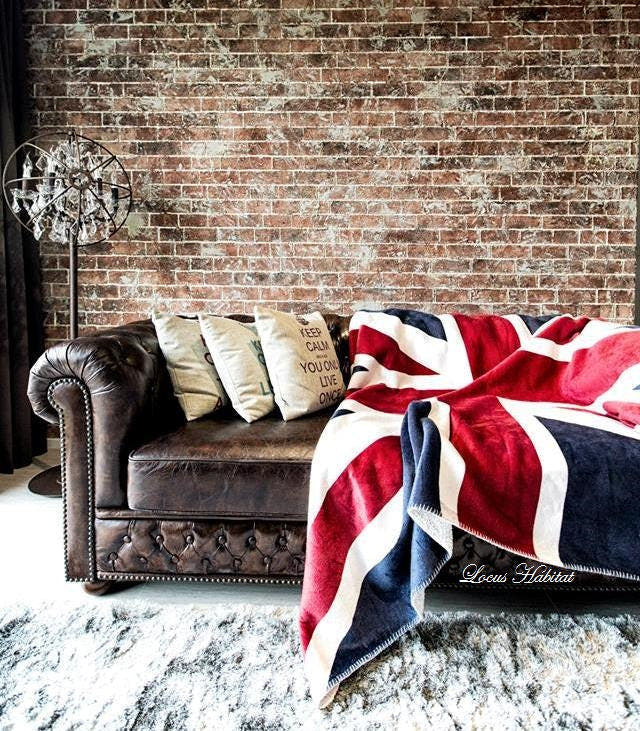
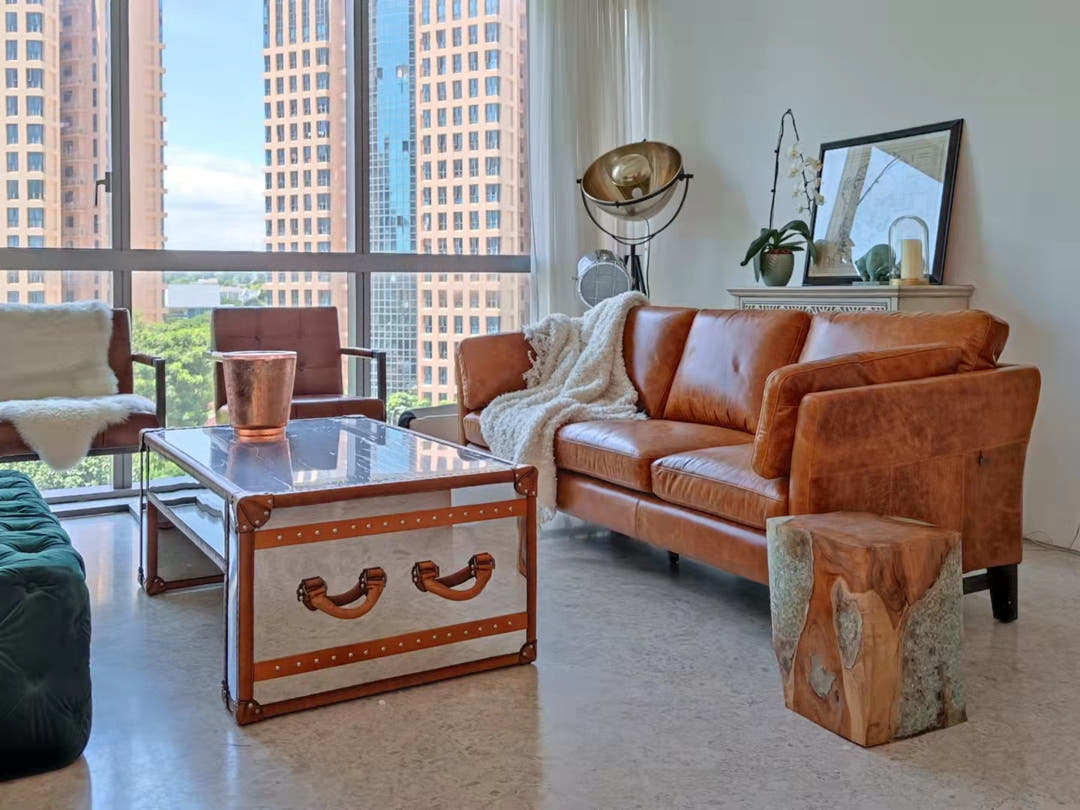
A Chesterfield is often best when the leather sets the palette—whether that is deep brown, oxblood, tan, or a modern neutral. Build the room around the leather’s warmth: wood tones, brass accents, creams, charcoals, and muted greens work globally because they harmonize with leather’s natural undertones.
Buying guidance, reframed for comfort and ambience
If your priority is ambience and touch—rather than technical specifications—ask questions that get you closer to the real experience.
1) Ask for “hand feel” descriptions, not only leather labels
Request:
-
close-up videos under natural light,
-
a description of the surface: matte vs glossy, waxy vs slick, soft vs firm hand,
-
how the leather feels in warm conditions (especially if you live in a humid region).
2) Prioritize seat feel and posture for your lifestyle
Chesterfields can be:
-
upright and formal (excellent for conversation rooms and offices),
-
deeper and lounge-friendly (better for family living and TV rooms).
Ask for seat depth and back angle in plain terms: “Is it a sofa you lounge in for two hours, or a sofa you sit in for a 30-minute chat?”
3) Inspect the arm roll comfort
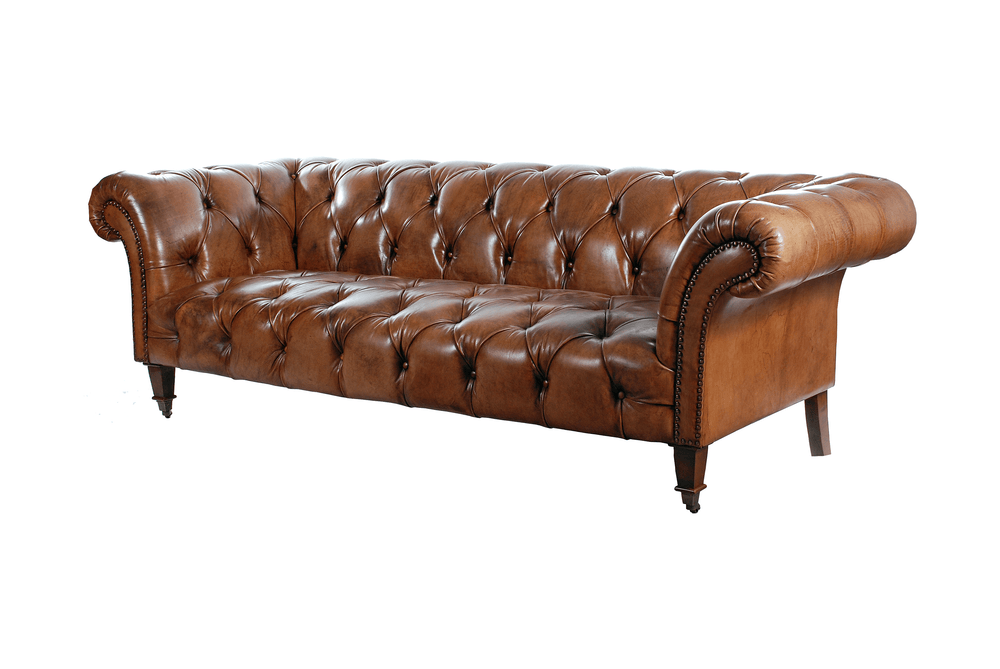
The rolled arm is a major touch point. If the roll is too hard, it looks right but feels wrong. If it is too soft, it can look swollen. The sweet spot feels supportive—like a padded ledge for your forearm.
4) Check tufting depth for both look and feel
Deep tufting contributes to ambience and comfort. Shallow tufting can look flat and feel less embracing. Ask for side-angle photos so you can see depth rather than only the front view.
Why a Chesterfield feels “luxurious” even in a simple room
Luxury is often misunderstood as ornament. The Chesterfield’s luxury is sensory and atmospheric:
-
The room feels calmer because the sofa is visually composed.
-
The space feels warmer because the leather and tufting create depth.
-
The seating feels more intentional because the sofa has posture.
-
The touch feels satisfying because leather responds to the body in a way fabrics do not.
This is why the Chesterfield design can elevate a space even when everything else is restrained. It brings texture, shadow, and presence without relying on trend.
Chesterfield FAQ, focused on comfort and ambience
Is a Chesterfield only for “classic” interiors?
No. It often looks best in mixed settings—modern architecture with one classic anchor. The contrast makes the room feel designed rather than themed.
Will a leather Chesterfield feel too hot?
Comfort depends on leather finish, room temperature, and how the surface feels against skin. Many people find that a more natural-feeling leather is more pleasant because it warms quickly and feels less “sealed.” If your climate is humid, prioritize a hand feel that is not overly glossy or sticky.
Why do some Chesterfields feel stiff?
Often it’s the posture: a more upright back and firmer seat for formal settings. If you want lounge comfort, choose a deeper seat and a slightly relaxed sit while keeping the Chesterfield silhouette.
Is Chesterfield a brand?
No. Chesterfield is a design style. That is why the experience can vary widely from one maker to another—and why it is smart to evaluate the sofa by touch, comfort, and mood rather than the name alone.
Closing: the Chesterfield as a daily ritual
The most compelling reason the Chesterfield remains global is not history or status. It is ritual.
A Chesterfield is the sofa you touch as you walk past. The one you sit on differently depending on the hour—upright for a call, sideways with a book, leaned back with music. The one that makes a living room feel like a lounge and makes a lounge feel like a destination. In the right leather, it becomes quietly addictive: warm to the palm, comforting to the body, and visually calming to the mind.
That is the real Chesterfield benchmark. Not a logo. Not a label. A feeling—delivered by a timeless design and, when chosen well, the unmistakable comfort of full-grain leather to the touch.